10 Multisensory Math Activities for Students with Dyscalculia

Understanding Dyscalculia
If you’re a teacher, parent, or caregiver, you might have encountered students who struggle with numbers despite having average or above-average intelligence. This condition is known as dyscalculia, a specific learning disability that affects the ability to understand and manipulate numbers. It's not just about struggling with math; it’s often a frustrating experience that can impact a child’s confidence and love for learning. That's why finding effective, engaging ways to teach math is crucial. Enter multisensory math activities.
What Are Multisensory Math Activities?
Multisensory math activities incorporate multiple senses into the learning process. Rather than relying solely on auditory or visual methods, these activities engage touch, movement, and even taste or smell, making the learning experience richer and more memorable. For students with dyscalculia, who may find traditional methods challenging, multisensory approaches can make concepts more accessible and less intimidating.
1. Hands-On Manipulatives
Using physical objects is one of the most effective multisensory strategies for teaching math. Items like blocks, counters, or even everyday objects like buttons can help students visualize and physically manipulate numbers. For instance, if you’re teaching addition, you can have students group the objects together to see how many they have in total. This tactile experience not only engages them but also helps to solidify their understanding of numerical concepts.
You might want to try creating a math center in your classroom filled with various manipulatives. Let students explore these tools independently. This exploration fosters a sense of ownership over their learning while providing them with various ways to approach math problems. Additionally, consider integrating different types of manipulatives that cater to various learning styles. For example, some students might benefit from using base ten blocks or fraction circles to grasp more abstract concepts.
Another example could be using Lego bricks to teach addition and subtraction. By physically adding or taking away bricks, students can visualize the problem and understand the concept of ‘more’ and ‘less’ on a physical level. Incorporating manipulatives into your math lessons can transform abstract concepts into tangible experiences, making learning both fun and effective.
2. Number Lines and Movement
Creating a physical number line on the floor can be beneficial. Use tape or chalk to outline a number line where students can physically walk between numbers. When solving addition or subtraction problems, they can hop from one number to another, reinforcing the concept of distance and magnitude in a fun way.
You might also incorporate games where students have to move to the right number in response to an equation, making the abstract concept of numbers much more concrete. This strategy encourages not just physical movement but also active participation in learning. For instance, you can organize a number line relay where students must solve math problems by racing to the appropriate number. This blends physical activity with academic skills, ensuring that students remain engaged and motivated.
Additionally, you can enhance this activity by introducing various math challenges at each number. For example, when a student lands on the number 5, they could be tasked with solving a basic multiplication or division problem before moving on. This not only reinforces their understanding of the number line but also integrates multiple math skills into a single, physical activity.
3. Cooking and Measuring
Cooking is a fantastic way to integrate math into everyday life. When you follow a recipe, you naturally encounter fractions, measurements, and proportions. Involving students in cooking activities can help them understand these concepts in a practical context.
For example, if a recipe calls for 1/2 cup of sugar, ask students to measure out the correct amount. This tactile experience will help them grasp fractions more clearly. Plus, the added bonus of enjoying a tasty treat afterward can make the lesson even more rewarding! You could even extend this to a full cooking project where students plan a meal, doubling or halving recipes based on the number of servings needed, which introduces them to real-world applications of math.
Let’s say you decide to bake cookies. Divide the class into teams, and assign each team a different aspect of the cooking process, such as measuring ingredients, calculating bake times, or even decorating the cookies. This way, you encourage collaboration, foster communication skills, and integrate math with creativity. By making math relevant and enjoyable, you’re likely to boost students' confidence and interest in the subject.
4. Math Games with a Twist
Transform traditional math games into multisensory experiences. For instance, you can adapt board games like Monopoly or Chutes and Ladders to include math challenges. Each time a player lands on a space, they must solve a math problem before moving again. The key here is to inject movement and excitement into the learning process.

You can also create interactive math stations with different games focused on specific skills. Rotating through these stations can help maintain student interest while ensuring they’re practicing various math concepts. One idea is to create a math scavenger hunt where students search for items that represent different math problems. For example, they could find a specific number of leaves to solve a problem or gather items to create an equation.
Moreover, using technology can amplify the fun. There are numerous online math games that utilize sound, visuals, and immediate feedback to engage students. These games can often be customized to target specific skills or levels, allowing students to work at their own pace while still enjoying the thrill of competition.
5. Art and Math Integration
Why not combine creativity with math? Projects that involve drawing or crafting can help students better grasp mathematical concepts. For instance, you can have students create geometric shapes using clay or draw symmetrical patterns. This artistic approach makes math less intimidating and encourages students to express their understanding visually.
Consider a project where students design their own math board games. Not only will they need to incorporate math problems, but they’ll also engage in creative thinking, planning, and execution. This can be a fantastic collaborative effort that rewards teamwork. You might also explore tessellations, where students create patterns that fit together without gaps. This introduces concepts of geometry in a fun, creative way.
Additionally, you can host a math art exhibit where students display their creations and explain the math concepts behind them. This not only reinforces their learning but also fosters public speaking skills and boosts their confidence as they showcase their work.
6. Storytelling with Numbers
Storytelling can be an engaging way to introduce and explain math concepts. Create stories that involve characters facing math-related challenges. As students follow the narrative, they can solve problems related to the plot. This method ties in comprehension skills with math, making the concepts feel more relevant and less abstract.
For example, you might tell a story about a character trying to distribute candies among friends. As they encounter various dilemmas—like how to divide the candies fairly—students can work through the math challenges alongside the story. This not only practices computation but also enhances literacy skills. You could take this further by having students write their own math stories, integrating their unique experiences and perspectives.
To deepen the engagement, you could even incorporate props or visual aids that help illustrate the story. Perhaps use actual candies or small objects that students can manipulate as they follow along. This tactile element reinforces the mathematical concepts being discussed while making the story come alive.
7. Technology and Apps
In our digital age, leveraging technology can enhance learning experiences. There are numerous apps and online games designed specifically for students with learning disabilities. Many of these platforms incorporate multisensory elements, allowing students to engage with math in innovative ways.
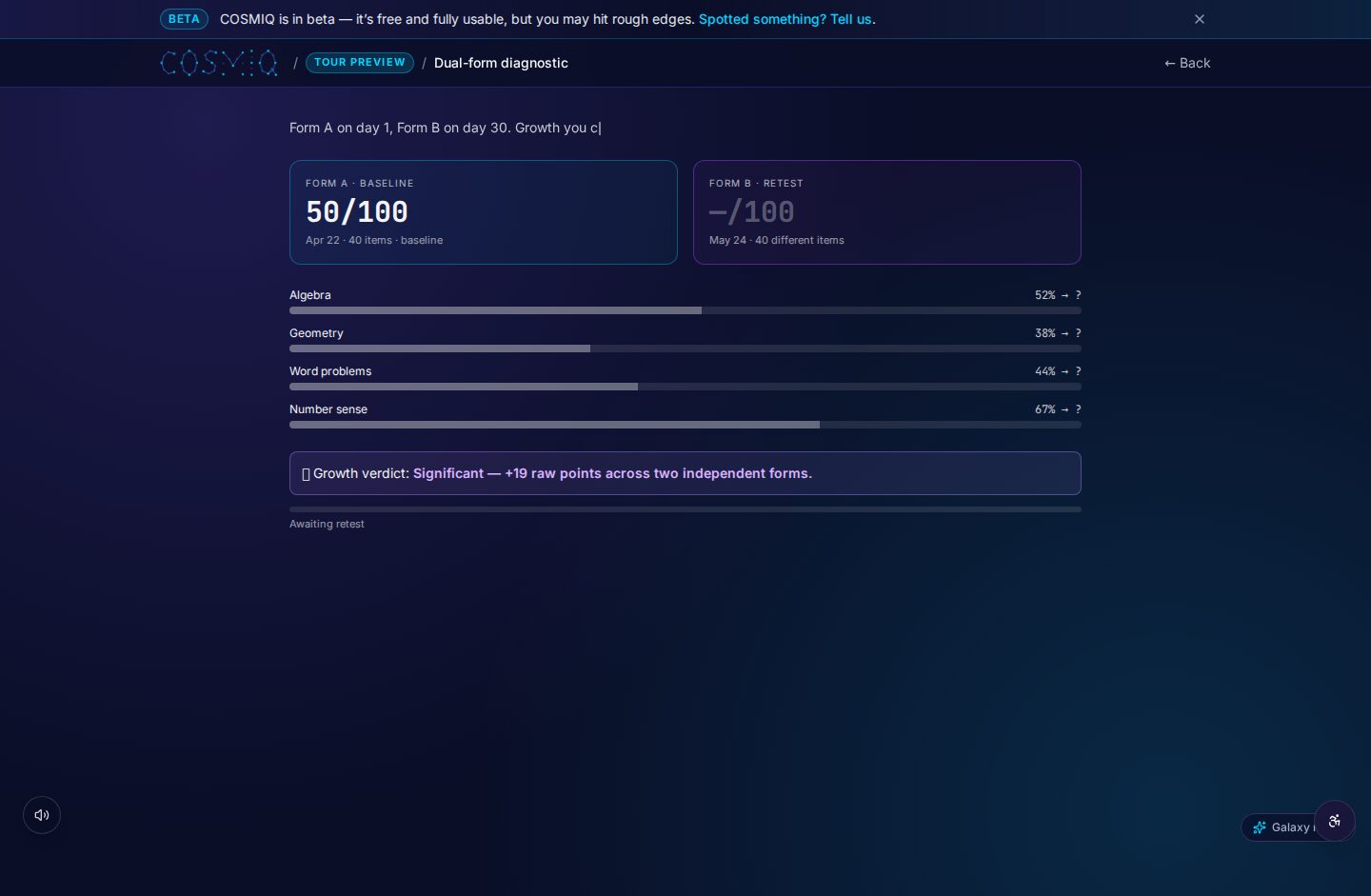
Apps like Cosmiq can offer personalized learning experiences that adapt to the student’s pace and skill level. The interactivity of these apps can provide instant feedback, making learning more engaging and effective. For example, if a student is struggling with basic addition, the app can adjust to provide simpler problems or additional practice until they gain confidence.
Furthermore, consider integrating coding into your math curriculum. Platforms like Scratch allow students to create their own games while reinforcing math concepts like sequencing and logic. This not only makes learning math more engaging but also introduces students to valuable 21st-century skills.
8. Sensory Bins for Number Exploration
Creating sensory bins filled with different materials can turn math practice into an exploratory adventure. Fill a bin with rice, beans, or sand, and hide numbers or shapes within it. Students can dig through the sensory materials to find the items, combining tactile exploration with number recognition.
This also works well with various math concepts. You can include items that represent different equations or math symbols, allowing for creative play while reinforcing essential skills. Consider adding letters to the bins to incorporate literacy skills alongside math. Students could spell out math terms or create equations using both numbers and letters.
To enhance the learning experience, provide students with specific challenges. For example, ask them to find all the even numbers in the bin or to build the highest tower they can using only the numbers they discovered. This encourages problem-solving skills and keeps the activity dynamic.
9. Role Play and Real-Life Scenarios
Role-playing can bring math concepts into real life. Set up scenarios where students must use math skills to navigate situations, such as running a store where they must make change or planning a party with a budget.
By simulating these experiences, students not only practice math but also learn valuable problem-solving and critical-thinking skills. This real-world application helps demystify math, showing students that it’s not just about numbers on a page but something that can be used in everyday life. For instance, you could create a mock market where students must use play money to purchase items, reinforcing their understanding of addition and subtraction.
You can also expand this concept by integrating cultural lessons. For example, teach students about different currencies and exchange rates, allowing them to experience math across cultures. This adds depth to the learning experience and helps students see the broader applications of math in a global context.
10. Music and Rhythm in Math
Did you know that music can help reinforce math concepts? Incorporating rhythm and songs into your lessons can make learning feel less like a chore and more like a fun experience. You can find existing math songs or even create your own, tailored to the concepts you're teaching. Think about using clapping or stomping to represent different numbers or operations.
This method not only engages auditory learners but also creates a multisensory experience that can help reinforce memory. When learning feels like a fun activity, students are more likely to be engaged and less intimidated by the subject. For instance, consider using familiar tunes and altering the lyrics to include math problems. This could turn multiplication tables into catchy songs that students enjoy singing.
Additionally, you might integrate instruments such as drums or shakers to represent mathematical operations. For example, every time they solve a math problem correctly, they get to play a beat. This not only makes math lively but also connects with students' love for music.
11. Outdoor Math Adventures
Taking math outside can transform the learning experience. Nature offers countless opportunities for multisensory math activities. You can have students measure the height of a tree using shadow ratios or count different types of leaves to practice classification and grouping.
Consider organizing a nature scavenger hunt where students have to find items that correspond to specific math problems. For example, they might be tasked with finding three different types of leaves to represent addition, or counting how many steps they take to reach a certain point as a way to practice measurement.
Additionally, outdoor settings provide a great way to discuss concepts of symmetry and geometry. Have students create shapes or patterns in the sand or grass, applying their understanding of geometric principles in a real-world context. This not only reinforces learning but also encourages students to appreciate mathematics as they encounter it in their daily lives.
Final Thoughts on Multisensory Math Activities
Teaching math to students with dyscalculia requires creativity, patience, and flexibility. By embracing multisensory math activities, you provide these students with various pathways to understanding. Whether through hands-on manipulatives, engaging games, or real-life applications, these methods create a supportive environment where students can thrive.
Remember, the goal is not just to teach math but to foster a love for learning. The more you can connect math to tangible experiences, the more likely your students will find joy in overcoming challenges. So, get creative, try new techniques, and watch as your students flourish. By integrating multisensory math activities, you create a vibrant classroom atmosphere that celebrates diversity in learning and unlocks the potential in every student.
Related resources: drmattlynch.com · pedagogue.app · getcosmiq.app · theedadvocate.org
Learn anything, free.
COSMIQ is a free, voice-driven AI tutor for every learner. No credit card, ever.
Start learning free →