2026-2027 Best K-12 Schools in Georgia: How to Find the Right Fit

Families and educators looking for the best K–12 schools in Georgia for 2026–2027 face many choices: large suburban districts, city magnet programs, independent private schools, and a growing number of charter options. "Best" can mean different things depending on a child’s learning profile, interests, and practical constraints. This article explains how to define quality, where to find reliable information, and practical steps to compare schools so you can choose the right fit.
What does "best" really mean?
Academic test scores and graduation rates are useful, but they don’t tell the whole story. Consider a balanced set of factors:
- Academic program: Curriculum breadth, honors/Advanced Placement/IB availability, career and technical education (CTE), and support for different learners.
- Learning environment: Class size, student-teacher relationships, school culture, discipline policies, and safety.
- Extracurriculars: Sports, arts, clubs, and community service opportunities that match your child’s interests.
- Specialized supports: Services for English learners, students with disabilities, counseling and mental health support.
- Logistics: Location, transportation, school hours, and tuition or fees (for private schools).
- Outcomes and opportunities: College counseling, internships, industry partnerships, and alumni pathways.
Weigh these factors based on your child’s priorities. For example, a highly academic magnet school may be the best fit for a student who thrives in fast-paced classes, while a smaller independent school might suit a student needing more individualized attention.
Types of top K–12 schools in Georgia and where to look
Georgia’s school landscape includes traditional public district schools, magnet programs, charter schools, and private/independent schools. Each has different admissions rules and strengths:

- Public district schools: Large districts such as Fulton, Gwinnett, Cobb, and DeKalb serve many students and often have specialty programs (STEM, arts, IB) at certain schools.
- Magnet and specialty programs: These programs within public systems focus on themes like science, fine arts, or world languages and often have application processes.
- Charter schools: Publicly funded but independently run, charters may offer innovative curricula or extended school days. Admissions typically use lotteries if demand exceeds seats.
- Private and independent schools: Tuition-based options with varied educational philosophies, from religious schools to rigorous college-preparatory programs.
Where to find data and school profiles:
- Georgia Department of Education (GaDOE): Official school report cards and accountability information show proficiency and growth measures.
- Local district websites: Program descriptions, course catalogs, calendars, and enrollment instructions.
- Independent review sites: Websites like GreatSchools and Niche aggregate parent reviews, ratings, and practical details (use them as starting points, not definitive judgments).
How to research and compare schools step by step
Use a consistent process so you can compare options fairly:
- List priorities: Academic rigor, arts or athletics, special education supports, commute time, or cost.
- Gather baseline data: Look up each school’s report card, course offerings, graduation/college-readiness information, and extracurricular lists.
- Visit in person: Attend open houses, schedule classroom visits, and observe student engagement and teacher interaction.
- Ask targeted questions: See the checklist below for suggested questions to ask administrators and teachers.
- Talk to parents and students: Local PTA meetings, neighborhood groups, and social media can provide lived perspectives—but weigh anecdote against broader data.
- Consider fit, not just rank: A top-ranked school on paper may not be the best social or emotional fit for every child.
Important questions to ask on visits
- How does the school support students who struggle academically or socially?
- What are average class sizes and teacher retention rates?
- How are advanced learners challenged and supported?
- What extracurriculars are available and how accessible are they?
- How does the school handle discipline and student safety?
- What is the process for parent communication and involvement?
Admissions timelines and practical tips
Deadlines and processes differ widely:
- Public district enrollment: Usually tied to residency and has annual enrollment windows—check your district’s website early in the year.
- Magnet and charter applications: May require applications and have deadlines in winter or spring; many charters use lotteries if oversubscribed.
- Private school applications: Often require earlier planning, testing, recommendations, and separate tuition timelines.
Practical tips:
- Start researching at least one school year before you want to enroll, especially for charter and private options.
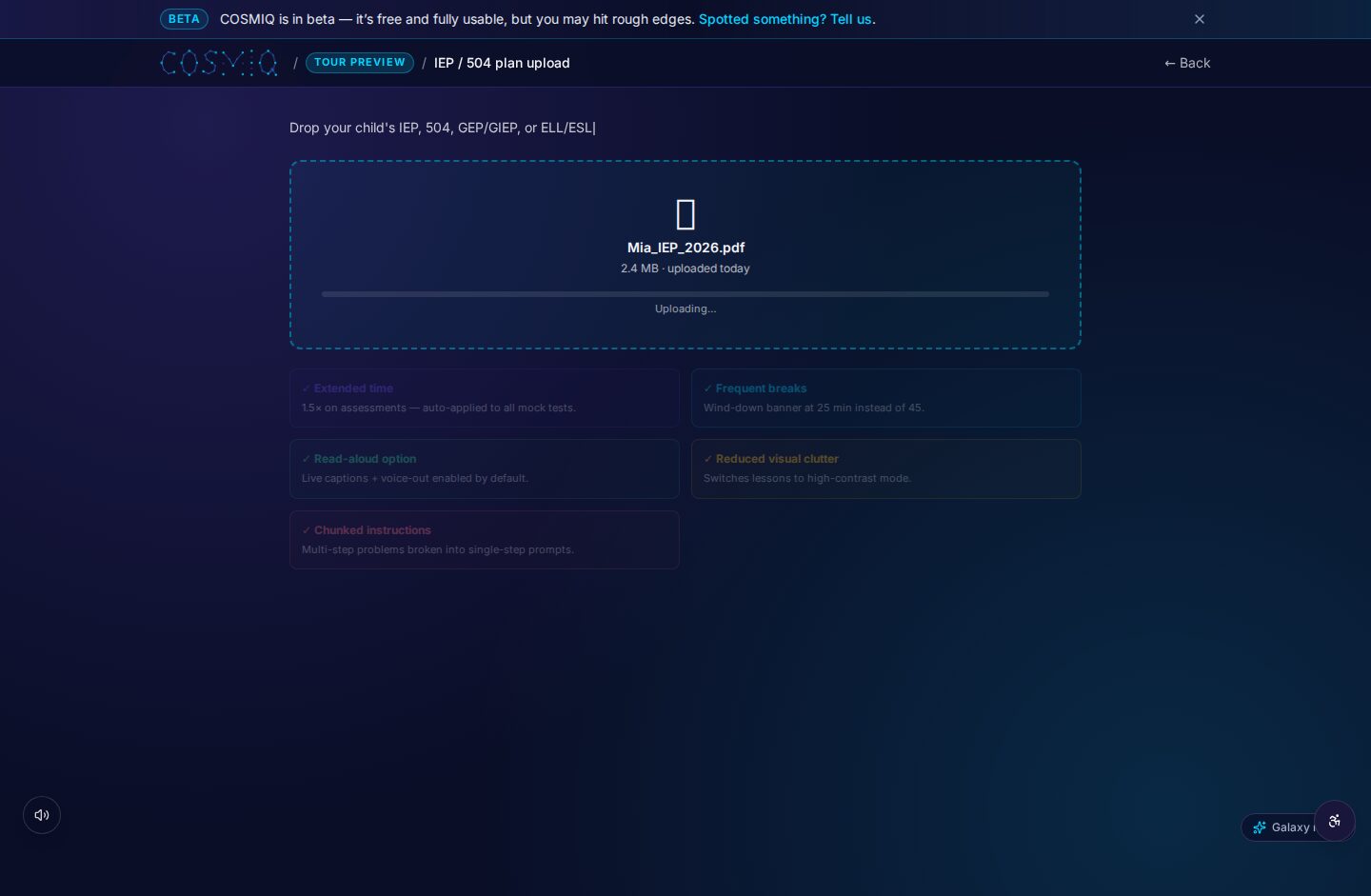
- Keep documents organized: proof of residency, immunization records, prior school transcripts, and any testing or IEP documents.
- If you’re relocating, contact prospective school counselors about transfer credits and grade placement.
Teachers and school leaders: document your programs and outcomes plainly for families. Families: don’t hesitate to request sample lesson plans, behavior policies, or to ask for a shadow day so your child can experience a typical day.
Conclusion
There’s no single answer to which K–12 schools are the best in Georgia for 2026–2027. The right choice depends on academic goals, school culture, supports needed, and practical logistics. Use official data sources, visit schools, ask specific questions, and prioritize fit for your child. With a clear process and enough lead time, you can find a school that balances challenge, support, and opportunity for the coming year.
Learn anything, free.
COSMIQ is a free, voice-driven AI tutor for every learner. No credit card, ever.
Start learning free →