2026–2027 Best Elementary Schools in Hawaii: A Practical Guide

Picking an elementary school in Hawaii for 2026–2027 can feel overwhelming: the islands have public, charter and private options, Hawaiian-language programs, and schools that differ widely by neighborhood and island. Rather than one universal “best” school, the right choice depends on your child’s learning style, your family logistics, and the programs each campus offers. This guide walks families and teachers through how to define quality, what to look for on visits, and where to start researching schools across the islands.
How to define “best” for your child
“Best” is personal. Some families prioritize strong academics and enrichment; others want a school culture that supports creativity, bilingual learning, or a close-knit community. Use these broad categories to compare schools:
- Academic programs: curriculum focus, literacy and math approaches, gifted services and interventions.
- Special programs: Hawaiian language immersion (Kula Kaiapuni), STEM labs, arts, music, or dual-language options.
- School culture and climate: discipline policies, student-teacher relationships, parent engagement, and how the school handles social-emotional learning.
- Logistics: location, bus routes, before/after care, lunch service, and safety.
- Resources and supports: special education services, counseling, and access to extracurriculars.
Practical checklist: questions to ask and things to observe
Before applying or enrolling, visit schools and bring this checklist. Many answers are also available through the Hawaii Department of Education school report cards, local PTAs, and school websites.
- Classrooms: Are students engaged? Is there clear evidence of standards-based learning and differentiated instruction?
- Teacher quality and turnover: Ask about average teacher tenure and professional development opportunities.
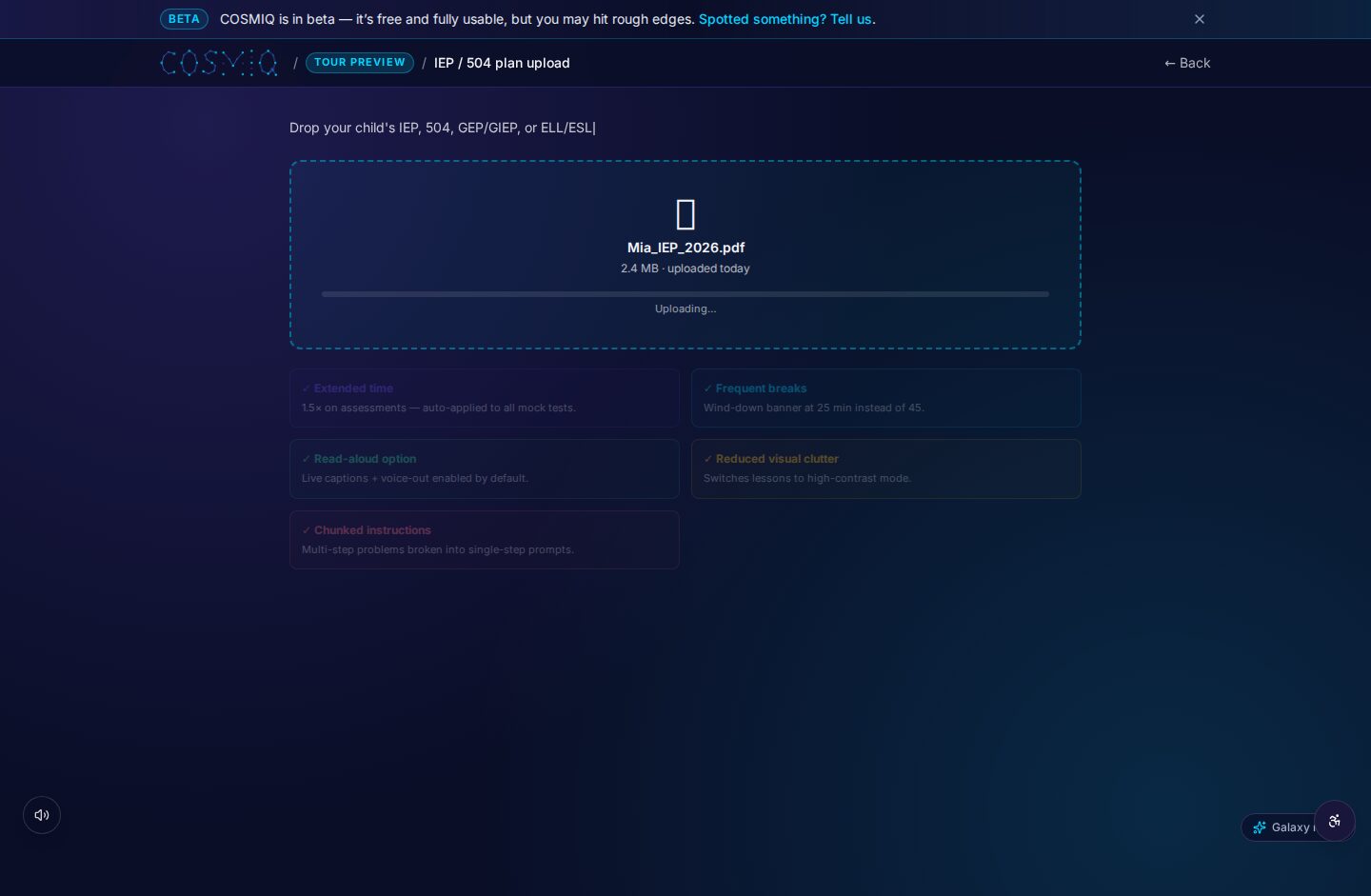
- Student support: How does the school identify and support struggling learners? What services are available for students with IEPs or 504 plans?
- Hawaiian culture and language: Does the school incorporate Hawaiian culture or offer immersion tracks if that is important to your family?
- Parent involvement: What is the PTA like? Are parents encouraged to volunteer and participate in decision-making?
- School safety and well-being: What are arrival/dismissal procedures, anti-bullying policies, and mental health supports?
- Day-to-day logistics: Ask about school hours, transportation options, before/after care, and typical homework expectations.
Where to begin researching: resources and island-specific considerations
Start with official and community resources, and combine them with school visits and conversations with local parents and teachers.
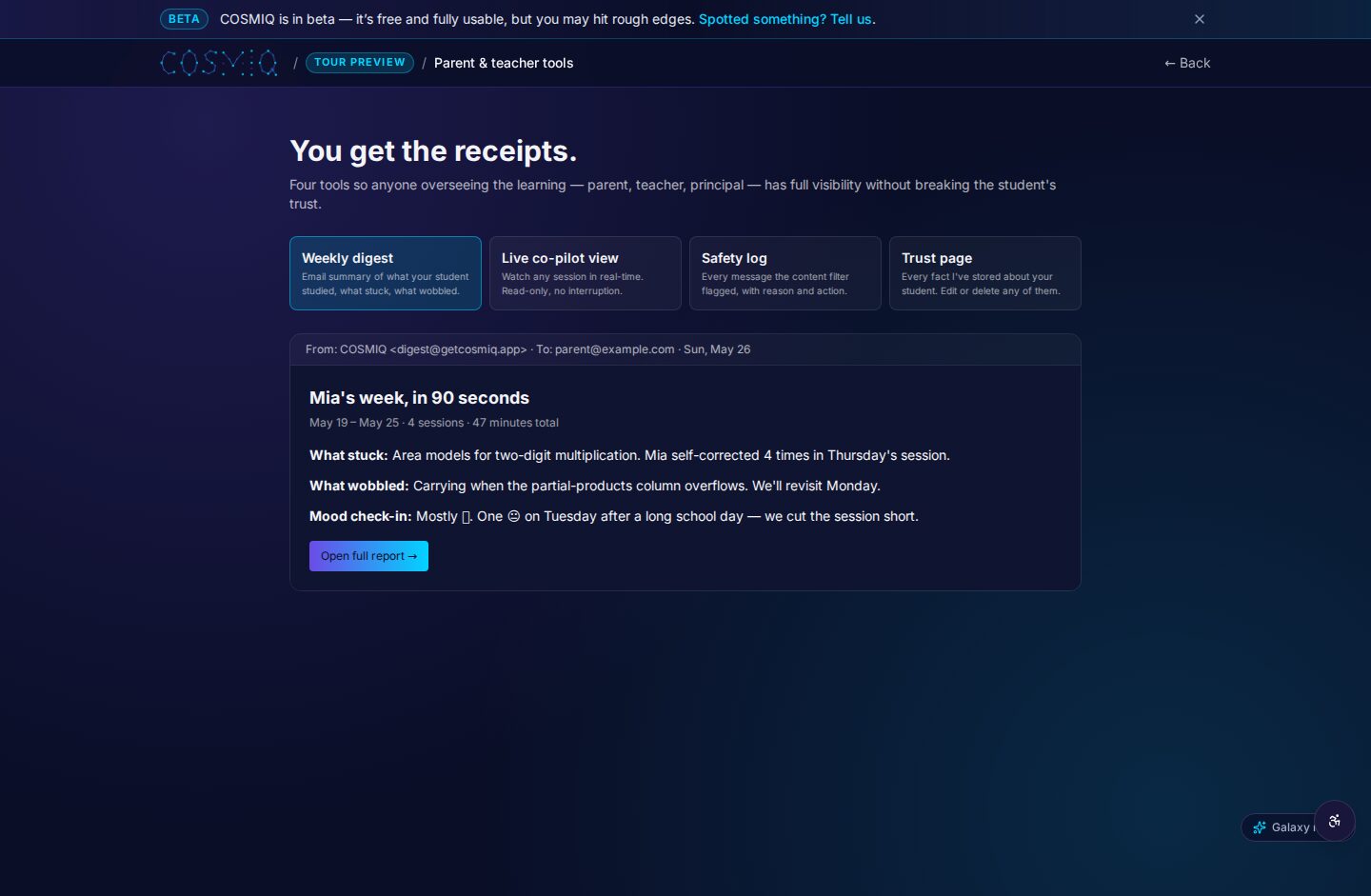
- Official data and school reports: Hawaii Department of Education site has school profiles and contact information. Look for the school’s mission, programs offered, and contact for enrollment.
- Community feedback: Local PTA groups, neighborhood Facebook groups, and parent forums can give current perspectives on school culture and practical matters like bus reliability or aftercare.
- Third-party guides: Sites like GreatSchools and Niche aggregate reviews and basic ratings — use them as starting points, not final judgments.
Island notes to guide your search:
- Oʻahu: The largest selection of public and private schools. Well-known private K–12 options include Punahou, Iolani, and Kamehameha Schools (each has its own admissions process and tuition/financial-aid options). Many public neighborhood schools also offer strong programs; look for schools near your residence to minimize commute.
- Maui: Communities can be smaller and travel times longer. Check school calendars and transportation options carefully and research programs (arts, Hawaiian culture) that match island priorities.
- Hawaiʻi (Big Island): Rural and urban pockets mean big differences between sites like Hilo and Kona. Confirm availability of special services and extracurriculars if you live outside major towns.
- Kauaʻi and Molokaʻi/Lānaʻi: Fewer schools and tighter-knit communities make visiting campuses and talking to local families especially valuable. Some families rely on charter or private options for specific program needs.
Enrollment timeline and practical tips
Each school system and private school sets its own admission and registration dates. General tips to prepare:
- Gather required documents early: birth certificate, immunization records, proof of residency, and previous school records if applicable.
- Attend open houses and kindergarten orientation events to meet teachers and see routines.
- Ask about waitlist procedures and transfer policies if your first-choice school is full.
- Consider proximity to daycare, work, and family support when evaluating commute times and daily logistics.
If a particular program is important (Hawaiian immersion, gifted services, or a specialized curriculum), apply to those programs early and confirm transportation or before/after care options.
Making the final decision
Balance objective information (programs, services, logistics) with your instincts about school culture and fit. A school that matches your child’s learning needs and your family’s schedule and values will be the most likely to feel like the “best” choice in practice. If you can, commit to at least one short trial period or volunteer opportunity to see how your child adjusts to the classroom and community.
Choosing an elementary school in Hawaii is as much about the local community as it is about curriculum. Use official resources, visit campuses, ask focused questions, and talk with other families to build a clear picture of where your child will thrive.
Learn anything, free.
COSMIQ is a free, voice-driven AI tutor for every learner. No credit card, ever.
Start learning free →