5 Best Practices for Building a Robust Data Education Governance Framework
In today's educational landscape, data is everywhere. From student performance metrics to attendance records and learning platform interactions, the sheer volume of information can be both a powerful asset and a significant challenge. To harness the power of this data responsibly and effectively, educational institutions need more than just tools; they need a robust data education governance framework. This framework isn't about restricting data use, but rather about creating clear guidelines, responsibilities, and processes to ensure data is collected, stored, used, and shared ethically, securely, and in ways that genuinely benefit learners and educators. Let's explore five best practices to help you forge such a framework.
1. Define Clear Roles and Responsibilities
One of the foundational elements of any effective governance framework is clarity around who is responsible for what. In a data education context, this means identifying key stakeholders and assigning specific roles related to data ownership, stewardship, privacy, and security. Consider establishing:
- Data Owners: Individuals or departments ultimately accountable for specific datasets (e.g., student enrollment data owned by the Registrar's office).
- Data Stewards: Individuals responsible for the day-to-day management, quality, and proper use of data within their domain. They act as liaisons between data owners and data users.
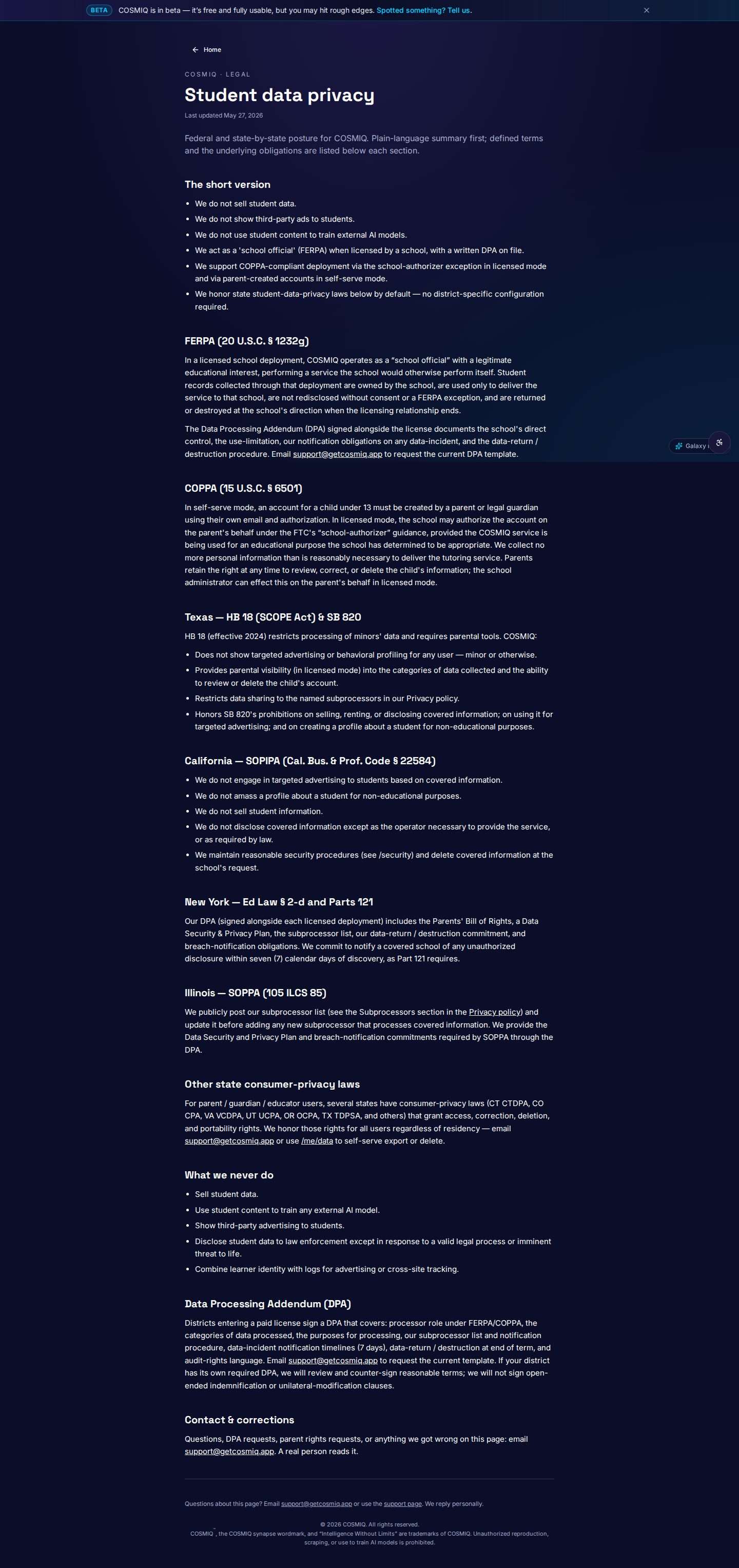
- Data Privacy Officers (DPOs): Experts focused on ensuring compliance with data protection regulations (like FERPA, GDPR, or state-specific laws) and safeguarding individual privacy rights.
- Data Security Teams: Professionals dedicated to protecting data from unauthorized access, breaches, and cyber threats.
Clearly documented roles help prevent confusion, ensure accountability, and streamline decision-making processes related to data.
2. Establish Comprehensive Data Policies and Standards
A governance framework is only as strong as the policies and standards that underpin it. These documents serve as the rulebook for how data should be handled across the institution. Key areas to cover include:
- Data Collection Policies: What data can be collected? For what purpose? How is consent obtained when necessary?
- Data Storage and Retention Policies: Where is data stored? How long is it kept? What are the procedures for secure archival and deletion?
- Data Access and Usage Policies: Who can access what data? Under what conditions? For what approved purposes? This should differentiate between various user groups (e.g., teachers, administrators, researchers).
- Data Sharing Policies: Guidelines for sharing data internally and externally, ensuring compliance with privacy regulations and contractual agreements.
- Data Quality Standards: Procedures for ensuring data accuracy, completeness, consistency, and timeliness.
These policies should be regularly reviewed, updated, and communicated effectively to all relevant stakeholders.

3. Prioritize Data Security and Privacy by Design
In the digital age, data breaches are a constant threat, and privacy concerns are paramount. A robust data education governance framework embeds security and privacy considerations into every stage of data handling, rather than treating them as an afterthought. This means:
- Implementing Robust Security Measures: This includes encryption, access controls, multi-factor authentication, regular security audits, and incident response plans.
- Adhering to Privacy Regulations: Understanding and complying with relevant laws (e.g., FERPA in the US, GDPR in Europe) is non-negotiable.
- Minimizing Data Collection: Only collect the data absolutely necessary for the stated purpose.
- Anonymization and Pseudonymization: Where possible and appropriate, de-identify data to protect individual privacy, especially for research or aggregated reporting.
- Vendor Management: Ensure that any third-party tools or services used (like learning management systems or assessment platforms) have strong data security and privacy practices that align with your institution's policies.
Building security and privacy into the initial design of systems and processes is far more effective than trying to patch them on later.
4. Foster a Culture of Data Literacy and Ethical Use
Even the most perfectly crafted policies won't succeed without a knowledgeable and responsible user base. A key best practice is to invest in training and education that builds data literacy across the institution. This includes:
- Understanding Data Basics: What is data? How is it collected? What are common data types?
- Policy Awareness: Ensuring all staff, faculty, and even students (where applicable) understand the institution's data policies and their role in upholding them.
- Ethical Data Use: Training on the ethical implications of using educational data, promoting a mindset that prioritizes student well-being and fairness over mere technical capability.
- Tool Proficiency: Providing training on how to use data analytics tools responsibly and effectively to inform instruction and improve student outcomes.
When everyone understands the value, risks, and proper handling of data, the entire framework becomes stronger and more sustainable.
5. Establish a Data Governance Committee and Review Process
Data governance is not a one-time project; it's an ongoing process. Establishing a dedicated data governance committee is crucial for continuous oversight, decision-making, and adaptation. This committee should include representatives from various departments (e.g., IT, academic affairs, legal, administration) and be tasked with:
- Policy Development and Approval: Reviewing and approving new or updated data policies.
- Issue Resolution: Addressing data-related challenges, conflicts, or incidents.
- Strategic Planning: Guiding the institution's overall data strategy and ensuring alignment with educational goals.
- Performance Monitoring: Assessing the effectiveness of the governance framework and identifying areas for improvement.
- Regular Audits: Conducting periodic reviews of data practices and compliance.
Regular reviews, feedback loops, and a commitment to continuous improvement are essential for keeping the data governance framework relevant and effective in a constantly evolving technological and regulatory landscape.
Forging a robust data education governance framework is an investment in the future of your institution and, most importantly, in the well-being and success of your learners. By defining clear roles, establishing comprehensive policies, prioritizing security and privacy, fostering data literacy, and maintaining ongoing oversight, educational institutions can transform data from a potential liability into a powerful asset that truly enhances the learning experience for everyone.
Learn anything, free.
COSMIQ is a free, voice-driven AI tutor for every learner. No credit card, ever.
Start learning free →