504 Plan vs. IEP: Understanding the Key Differences

When it comes to supporting students with disabilities, two terms often come up: the 504 plan and the Individualized Education Program (IEP). While both serve to provide accommodations and support, they cater to different needs and have distinct requirements. If you’re a parent, teacher, or caretaker, understanding the 504 plan vs. IEP is crucial for ensuring that students receive the appropriate resources they need to succeed in school.
What is a 504 Plan?
A 504 plan is named after Section 504 of the Rehabilitation Act of 1973, which prohibits discrimination against individuals with disabilities in programs that receive federal funding. This plan is designed to ensure that a student with a disability has equal access to education. It’s less formal than an IEP and can be implemented by the school without requiring extensive evaluations or testing.
The focus of a 504 plan is on providing accommodations that allow students to participate in the general education curriculum. For example, a student with a visual impairment may receive accommodations such as large-print texts or access to assistive technology. Similarly, a student with ADHD might benefit from extended time on tests or a quiet room for taking exams. The key here is that these accommodations are intended to level the playing field, addressing barriers that might hinder a student's learning experience.
In addition to academic adjustments, a 504 plan can also address physical accommodations. For instance, a student with mobility issues might need a wheelchair-accessible desk or preferential seating that allows them easy access to exits. These plans are tailored, but they don’t usually include specialized instruction or services; instead, they focus on modifying the learning environment to help students succeed.
What is an IEP?
An IEP, on the other hand, is a more formal document that is specifically designed for students who qualify for special education services under the Individuals with Disabilities Education Act (IDEA). To receive an IEP, a student must undergo a comprehensive evaluation to determine their eligibility based on specific criteria, such as having a learning disability, autism, or other significant impairments.
The IEP process is collaborative, involving parents, teachers, special education staff, and sometimes the student. The IEP outlines the student's unique educational needs and specifies the services, supports, and accommodations that will be provided. For instance, a student with dyslexia may require specialized reading instruction as part of their IEP, as well as accommodations like extra time on assignments.
Moreover, the IEP includes annual goals and measurable objectives tailored to the student’s academic progress. This means that not only do the educators provide resources and support, but they also actively track the student’s growth. The IEP is reassessed at least once a year, and if the student is not meeting their goals, the team must come together to determine why and adjust the plan accordingly.
Key Differences Between 504 Plans and IEPs
One of the key differences between a 504 plan and an IEP is the eligibility criteria. As mentioned earlier, an IEP requires a formal evaluation and a specific diagnosis under IDEA, whereas a 504 plan can be established for any student with a disability that substantially limits one or more major life activities.
Another significant difference lies in the services offered. An IEP can include direct services, such as speech therapy, occupational therapy, or specialized instruction, while a 504 plan generally focuses on accommodations. For example, a student who is hearing impaired may receive sign language interpretation services through an IEP but might only get accommodations like preferential seating in a classroom through a 504 plan.
Furthermore, the scope of services in an IEP is generally broader. It can include not just academic assistance but also health-related services, behavioral interventions, and even transportation services if necessary. Consider a student with autism who may require social skills training or behavioral therapy. These services and supports can be structured within an IEP, whereas a 504 plan would likely not address these specific needs comprehensively.
Legal Protections and Requirements
The legal protections surrounding IEPs and 504 plans also differ. IEPs are governed by IDEA, which provides specific guidelines for creating, reviewing, and implementing the document. This includes timelines for initial evaluations, annual reviews, and parental involvement in the process. In contrast, 504 plans fall under the purview of Section 504 of the Rehabilitation Act and do not have the same detailed requirements as IEPs.
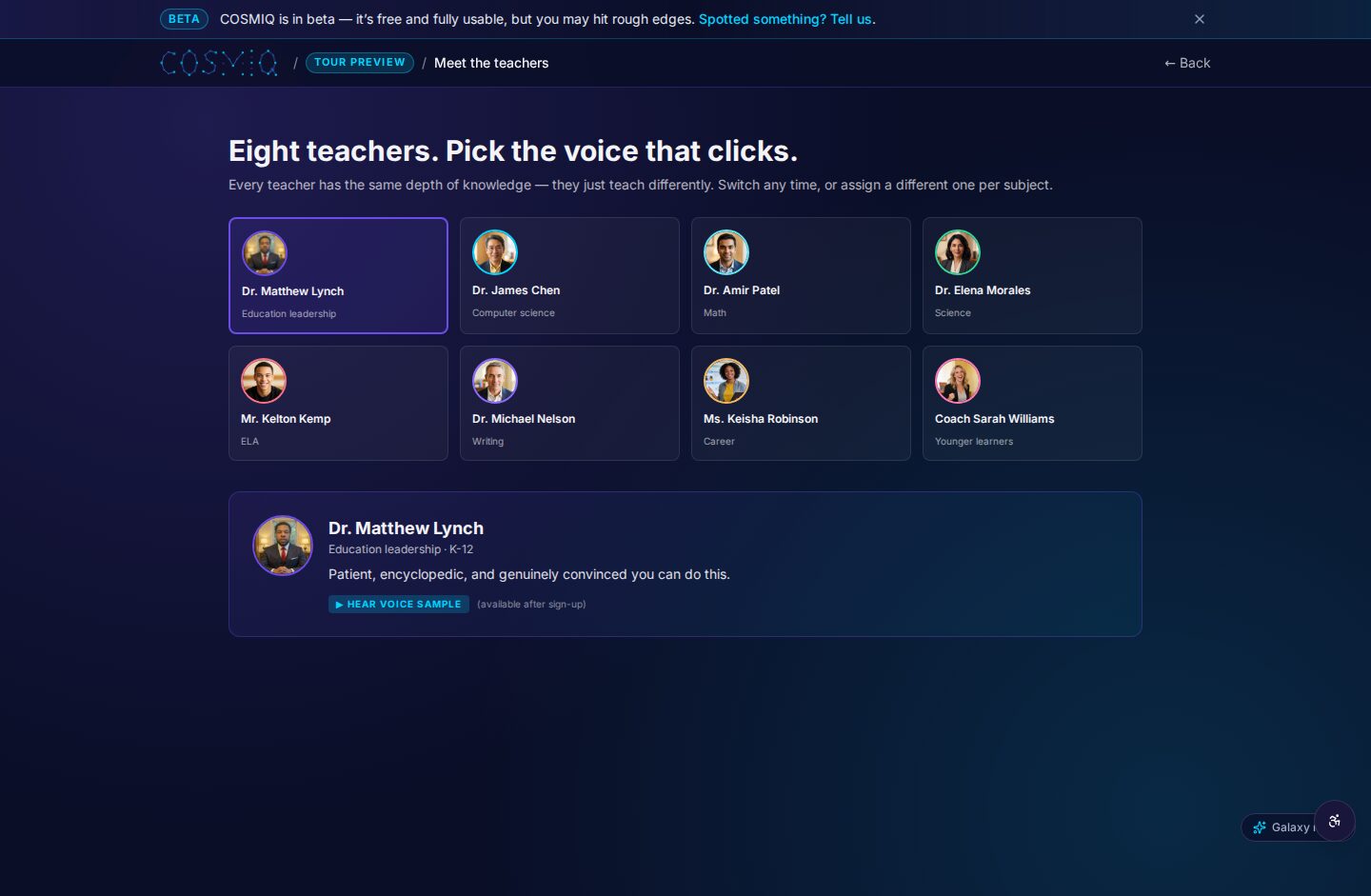
Because of these differences, schools generally have more flexibility in how they handle 504 plans. There’s no mandated annual review for a 504 plan, while IEPs require an annual review meeting to assess progress and make necessary adjustments. Parents also have specific rights under IDEA that provide them more leverage in the IEP process, such as the right to dispute decisions or request independent evaluations.
It's also worth noting that schools can face legal ramifications if they do not comply with the regulations surrounding 504 plans and IEPs. For example, if a school fails to provide the accommodations outlined in a 504 plan, the parents can file a complaint with the Office for Civil Rights. Likewise, non-compliance with an IEP can lead to legal challenges, as schools must adhere to the guidelines set forth under IDEA.
Who Qualifies for Each?
Determining who qualifies for a 504 plan vs. an IEP is crucial for ensuring that students receive the right form of support. A 504 plan is available to any student with a disability that substantially limits their ability to learn in a general education environment. This includes a wide range of conditions, such as chronic illnesses, physical disabilities, and mental health disorders.
An IEP, however, is more exclusive and requires the student to meet specific criteria outlined in IDEA. This can include various disabilities such as autism, emotional disturbances, or specific learning disabilities. Essentially, if a student requires specialized instruction to make educational progress, they may be eligible for an IEP.
Moreover, the evaluation process for an IEP can be quite detailed. It often includes assessments by psychologists, educational specialists, and therapists. This thorough examination helps to pinpoint not just the disability but also the unique ways in which it affects a student’s learning. On the other hand, obtaining a 504 plan typically involves less formal evaluation and can often be initiated by a teacher or parent noticing that a child is struggling in some capacity.
How to Determine the Right Option for Your Child
So, how do you know whether a 504 plan or an IEP is the right choice for your child? Start by assessing their specific needs. If your child has a condition that affects their ability to learn but doesn’t require specialized instruction, a 504 plan might be sufficient. For instance, if they struggle with anxiety that affects test-taking, accommodations like extended time could help.
On the flip side, if your child has a significant learning disability that requires tailored educational strategies, pursuing an IEP may be the best course of action. Engage with your child's teachers and school staff—open communication can provide valuable insights into what accommodations or services your child may need to thrive.
Another step is to document your child’s challenges. Keeping a journal of their struggles and successes can provide a clearer picture when discussing options with school staff. If possible, gather evidence from reports, teacher feedback, or assessments. This information can be instrumental in advocating for the appropriate support, whether it's a 504 plan or an IEP.
Navigating the Process of Obtaining Support
Navigating the system for securing a 504 plan or an IEP can feel overwhelming, but you don’t have to go it alone. Start by discussing your child's needs with their teachers or school counselor. They can guide you through the evaluation process and what documentation you may need to provide.
For an IEP, you may need to request a formal evaluation. Be prepared to share information about your child’s strengths and challenges, as well as any past assessments or reports. If you suspect that your child may need a 504 plan instead, you can communicate directly with the school’s 504 coordinator. Educating yourself about your rights and the school’s responsibilities under both plans will empower you to advocate effectively for your child.
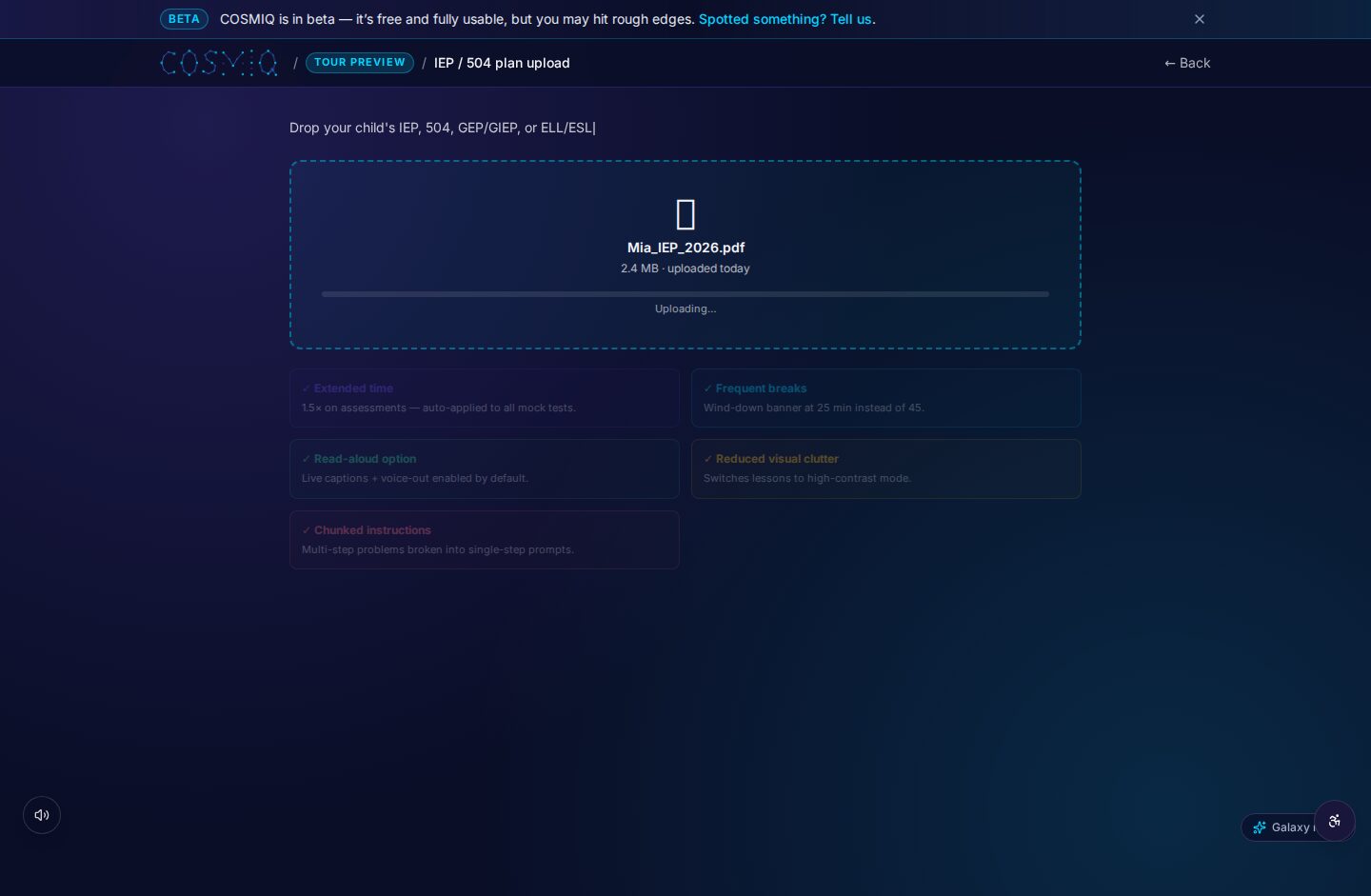
Additionally, it’s advisable to familiarize yourself with school district policies regarding special education services. Each district may have its own procedures and timelines. Knowing these can save you time and help you set realistic expectations for the process. Also, consider reaching out to advocacy groups or specialists who can assist you in navigating the complexities of both plans.
Resources for More Information
There are numerous resources available to help you understand the nuances of 504 plans and IEPs. Websites like the National Center for Learning Disabilities and the U.S. Department of Education provide in-depth information about both options.
You can also find local advocacy groups or organizations that support families navigating these processes. Don’t hesitate to reach out for help—connecting with other parents who’ve been through similar experiences can provide comfort and invaluable insights.
Another excellent resource is your state’s Department of Education website, which often has specific guides and materials tailored to your area. These resources can help clarify the differences and procedures, making the process less daunting. Many regions also offer workshops and seminars for parents to learn more about special education rights and how to advocate for their children.
The Importance of Collaboration
One of the most significant aspects of successfully implementing a 504 plan or an IEP is collaboration among all stakeholders involved in the child’s education. This includes the student (when appropriate), parents, teachers, and specialists. Open lines of communication ensure that everyone is on the same page regarding the student’s needs and progress.
For instance, regular check-ins can be beneficial. Scheduling meetings every few months to discuss how well the accommodations or services are working can lead to timely adjustments that might enhance the student’s learning experience. Moreover, involving the child in these discussions as they mature can empower them, teaching them to advocate for their own needs.
Don’t underestimate the value of building a support network around your child. Whether it involves connecting with other parents for advice or tapping into educational professionals, having a solid community can make a significant difference. Advocacy is important, and being well-informed allows you to better represent your child’s interests.
Final Thoughts on 504 Plans and IEPs
Understanding the differences between a 504 plan and an IEP can make a world of difference for students with disabilities. Each option has its strengths and is designed to support students in unique ways. The key is to assess your child's individual needs and work collaboratively with the school to ensure they receive the appropriate support. Remember, your advocacy and engagement are critical in helping your child thrive academically and socially.
As you consider what's best for your child, keep in mind that neither option is inherently better than the other—it all boils down to the specific circumstances and needs of the student in question. Empower yourself with knowledge, connect with resources, and advocate for what you believe will help your child succeed. You've got this.
Related resources: drmattlynch.com · pedagogue.app · getcosmiq.app · theedadvocate.org
Learn anything, free.
COSMIQ is a free, voice-driven AI tutor for every learner. No credit card, ever.
Start learning free →