A New Approach to Oral Fluency Scores: Supporting Students Who Stutter

For many students, the start of a new school year brings excitement and fresh opportunities. But for some, especially those who stutter, classroom activities like oral presentations, reading aloud, or even participating in class discussions can be a source of significant anxiety. Traditional approaches to oral fluency, often embedded in grading rubrics and classroom practices, can inadvertently penalize students for something they cannot control, leading to feelings of shame and isolation.
The American Institute for Stuttering (AIS) is leading a crucial conversation aimed at transforming how schools approach oral fluency scores. According to AIS, many well-intentioned teachers might not realize that current practices, such as grading for "smooth" delivery or expecting flawless oral reading, can negatively impact students who stutter. This important initiative seeks to shift the focus from merely eliminating stuttering to fostering an environment where all students, including those who stutter, can communicate confidently and effectively.
Rethinking Fluency: Beyond "Smooth" Delivery
Historically, interventions for stuttering often centered on teaching individuals to conceal or eliminate their stutter. However, the AIS highlights that this approach often reinforces shame and can teach children to hide their communication differences. Dr. Heather Grossman, PhD, CCC-SLP, BCS-F, Executive Director of the American Institute for Stuttering and a Board-Certified Specialist in Stuttering, Cluttering and Fluency Disorders, emphasizes a modern perspective that aligns with the neurodiversity movement. Just as we wouldn't ask a child with a physical disability to "work harder" to move like others, Dr. Grossman suggests that schools should re-evaluate asking students who stutter to conform to a narrow definition of "fluent" speech.
This evolving understanding encourages educators to view communication differences as a natural part of human diversity. When this perspective is adopted, students who stutter are better positioned to thrive, and their classmates gain a greater comfort level with individual differences. The goal isn't to ignore stuttering, but rather to create an educational setting where students are not penalized for it, and where their ability to convey ideas is valued above a prescriptive standard of speech flow.

Practical Shifts for the Classroom
So, what does this new approach look like in practice for teachers and parents? The American Institute for Stuttering offers insights into how educators can adapt their methods to be more inclusive:
Focus on Content Over Delivery
- Grade for ideas and understanding: Instead of focusing heavily on the smoothness or speed of speech, rubrics can prioritize the clarity of thought, accuracy of information, and the student's comprehension of the material. Did the student effectively communicate their message? Did they demonstrate understanding of the topic?
- Value participation: Encourage all forms of participation. If a student who stutters takes longer to answer or presents with disfluencies, acknowledge their contribution and effort rather than penalizing the manner of speech.
Rethinking Oral Reading and Presentations
- Flexible oral reading practices: "Popcorn reading" or cold calling on students to read aloud can be particularly stressful for students who stutter. AIS suggests offering alternatives, such as allowing students to read silently, record themselves beforehand, or read in smaller, less pressured group settings.
- Clear expectations for presentations: When designing presentation rubrics, explicitly state that fluency in speech is not a primary grading criterion. Focus on elements like organization, visual aids, research, and the overall message.
Mindful Language and Feedback
- Avoid unhelpful comments: Well-intentioned advice like "slow down," "take a breath," or "just relax" can often backfire, making students feel more self-conscious and putting undue pressure on them to change their speech.
- Model acceptance: Teachers can play a significant role in fostering an accepting classroom environment by modeling patience and a non-judgmental attitude towards all forms of communication.
Supporting Every Student's Voice
The work of the American Institute for Stuttering is a vital step toward creating more equitable and supportive learning environments. By adjusting our understanding of oral fluency and implementing more inclusive practices, schools can empower students who stutter to participate fully and confidently in their education. This benefits not only those who stutter but also cultivates a more empathetic and understanding community for all students.
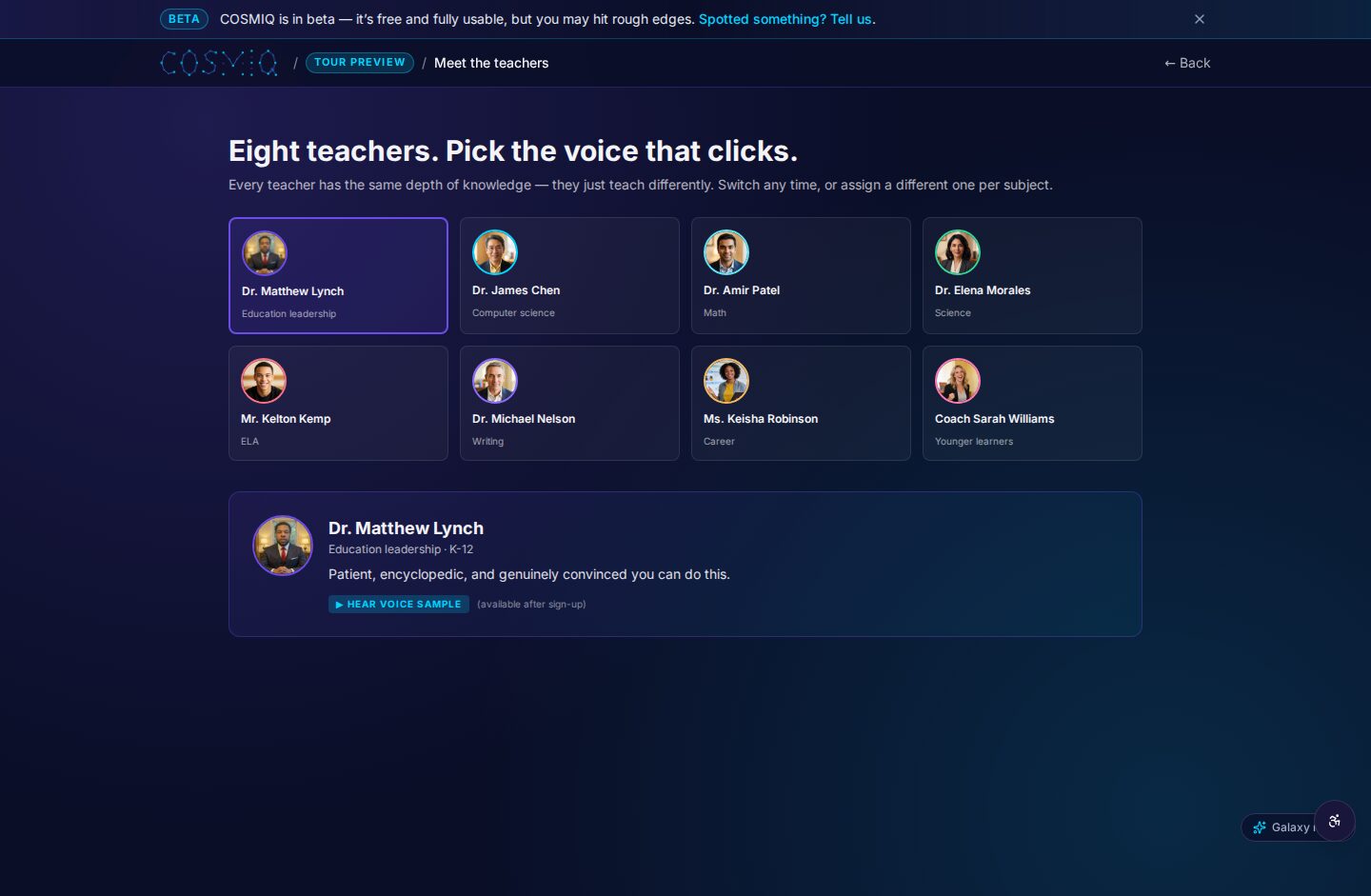
At COSMIQ, we believe every student deserves free, accessible support to achieve their academic goals. Our free voice-driven AI tutoring platform is designed to help K-12 students with any subject, at any time, in a low-pressure, supportive environment. This aligns with the vision of AIS, ensuring that students can practice, learn, and grow without fear of judgment related to their speech. For students looking for extra practice or help with challenging subjects, our free practice hub offers resources across various grades and subjects, supporting diverse learning needs.
Embracing a neurodiversity-informed approach to oral fluency is a testament to our collective commitment to supporting every student's unique journey. It's about recognizing that effective communication comes in many forms and that valuing each student's voice is paramount to their success and well-being.
Learn anything, free.
COSMIQ is a free, voice-driven AI tutor for every learner. No credit card, ever.
Start learning free →