A Parent Reporting Platform That Keeps Families in the Loop

Understanding the Need for Parent Communication
Imagine you're a parent juggling work, home responsibilities, and trying to stay involved in your child's education. Frustrating, right? You want to be updated about your child's academic journey, but you find yourself piecing together information from various sources—teachers, emails, and perhaps the school's website. This scattered communication can leave you feeling disconnected and overwhelmed.
This is where a dedicated parent reporting platform comes in. It's designed to streamline communication between families and schools. No more missed emails or forgotten notes. Instead, everything is centralized, making it easier for you to stay informed about your child's progress. In today’s interconnected world, clarity in communication isn’t just a luxury; it’s a necessity. Consider all the times you’ve had to reach out to teachers for updates, or the anxiety that comes from not knowing how your child is performing. Wouldn't it be better to have all that information at your fingertips?
What Is a Parent Reporting Platform?
At its core, a parent reporting platform is a digital tool that facilitates communication between schools and families. It allows educators to send updates, grades, and announcements directly to parents. This ensures families receive timely information without the chaos of multiple channels. Imagine a single app or website where you can check everything related to your child's education—from performance metrics to upcoming events.
Think of it as a centralized hub for all your child’s educational updates. Schools can use it to send out weekly parent summaries, highlight important events, or alert families of any concerns. This direct line of communication not only keeps you informed but also fosters a partnership between you and the educators. It’s akin to having a dedicated liaison who filters the noise and delivers only the most relevant updates directly to you. You wouldn’t have to check multiple emails or worry about missing out on crucial announcements, because everything is there, organized and accessible.
Benefits of Weekly Parent Summaries
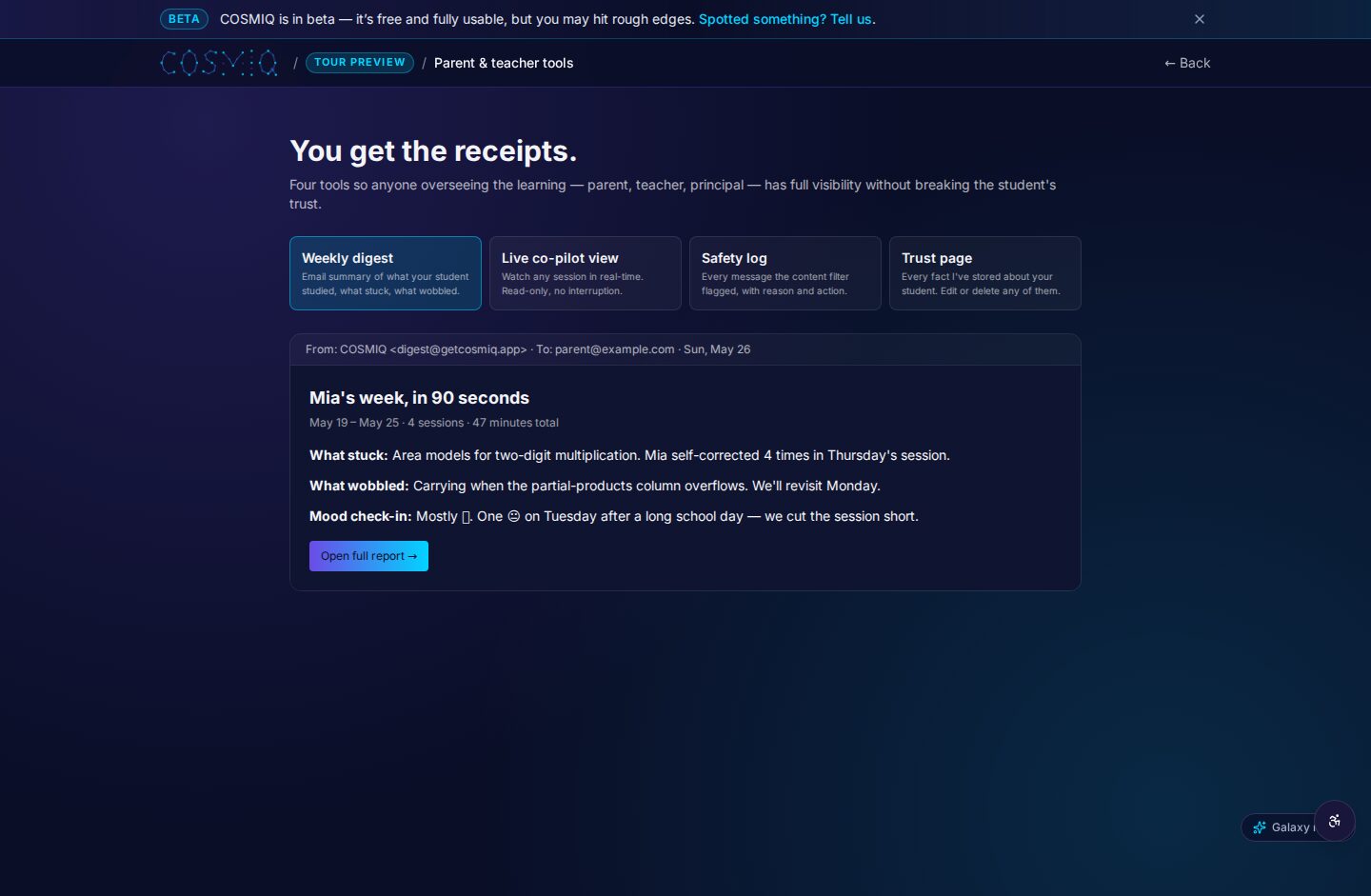
Weekly parent summaries are a significant feature of most parent reporting platforms. They provide a snapshot of what your child has been up to in school—from grades and assignments to social interactions and behavioral insights. Imagine receiving a concise report every week that highlights your child’s achievements and areas of improvement. You could see at a glance not just the grades, but also feedback from teachers that can guide your conversations at home.
These summaries do more than just share academic information. They offer a holistic view of your child’s school life. For instance, if your child struggled with a particular math concept, the summary can indicate this along with suggestions for helping at home. You can then have informed conversations with your child, reinforcing learning in a supportive way. Instead of the usual 'How was school today?' and getting a vague 'Fine,' you'll have specific aspects to discuss—like, 'I saw you had some challenges in your math homework; do you want to talk about it?'
Moreover, these weekly updates can include important social information. If your child made a new friend or participated in a group activity, this helps you understand their social development. Parents often want to know not just about grades, but how their child is adapting socially and emotionally. When parents are informed about these aspects, they can better support their children’s overall well-being. It's not just about academics; it’s about nurturing a well-rounded individual.
The Role of FERPA-Safe Parent Comms
You might be wondering about privacy—how is your child's information protected? This is where FERPA-safe parent comms come into play. The Family Educational Rights and Privacy Act (FERPA) sets standards for protecting student information. A reputable parent reporting platform adheres to these guidelines, ensuring that sensitive data is kept secure. It's not just about sending information; it's about doing so responsibly.
When schools use FERPA-safe communications, you can trust that your child's academic information is handled appropriately. It allows schools to share relevant updates without compromising your child’s privacy. After all, as a parent, you deserve to stay informed without worrying about data breaches. This trust is crucial; it allows you to engage with school communications without second-guessing whether your child’s information is being mishandled. You want to feel confident that what you’re reading is not only accurate but also secure.
Consider how this affects your relationship with the school. When you know that the platform is secure, you're more likely to engage with it regularly. This can lead to richer dialogues with teachers and staff about your child's progress. You can comfortably ask questions about what’s being done to address specific needs, knowing that both you and the educators share a commitment to maintain privacy and security. It creates an environment where open communication is encouraged, and you feel empowered to advocate for your child's needs.
Fostering Stronger Parent-Teacher Relationships
A parent reporting platform doesn’t just keep parents in the loop; it actively fosters relationships between families and educators. When parents receive regular updates, they’re more likely to engage with teachers. This engagement can lead to productive conversations about how to best support the child’s education. Building a rapport with teachers becomes easier when you have regular touchpoints through the platform.
For example, if a parent notices that their child’s report mentions struggles with reading comprehension, they can address this with the teacher directly. This collaborative approach creates a more supportive educational environment. The more involved parents are, the better outcomes children tend to achieve. It’s a win-win. Plus, when parents and teachers work closely together, it can help identify and address issues early on, before they escalate into bigger problems.
Imagine attending a parent-teacher conference where you already have insights about your child’s progress. This preparation allows you to ask informed questions and discuss specific strategies. Instead of simply relying on the teacher’s perspective, you can share your observations from the weekly summaries, creating a dialogue that is both constructive and focused. This active participation transforms the traditional parent-teacher relationship into a true partnership. You'll be a team, working toward a common goal: your child's success.
Overcoming Barriers to Communication
Let’s face it—communication barriers exist. Language differences, busy schedules, and lack of access to technology can hinder effective communication. A robust parent reporting platform can help bridge these gaps. Your involvement shouldn’t be limited by external factors. The goal is to ensure every parent has the opportunity to engage with their child's education.
Many platforms are now designed to be user-friendly and accessible on mobile devices. This means you can receive updates on the go, whether you’re commuting or during your lunch break. Additionally, features that support multiple languages ensure that non-English speaking parents can also engage with their child’s education. By breaking down these barriers, parents can stay informed and involved. Accessibility creates an inclusive environment where every family can participate, regardless of their background.
Moreover, think about how these platforms can also cater to parents with tight schedules. Imagine a dual-working household where both parents may not be able to attend meetings or read lengthy emails. With a parent reporting platform, they can quickly catch up on their child’s progress at their convenience. This flexibility empowers parents, allowing them to be proactive rather than reactive, thereby enhancing their involvement in their child’s education. You won’t feel left out, and your child will know that you care about their schooling.
Choosing the Right Platform for Your School
With various options on the market, how do you choose the right parent reporting platform for your school? Start by evaluating the features that matter most to you as a parent. Look for platforms that offer real-time updates, ease of access, and customization options. The best platforms will allow you to tailor the notifications you receive, so you’re not overwhelmed with information, yet still stay informed about what matters.
Consider the user experience as well. A complicated interface can lead to frustration. The ideal platform should be intuitive and straightforward. You should be able to log in, navigate, and find the information you need in a matter of moments. This ease of use encourages frequent engagement, which is ultimately what you want as a parent. You’ll want to ensure it’s not just a tool for the school, but a resource that enhances your experience as a parent.

Additionally, investigate the technical support and training provided for parents and teachers alike. A fantastic platform is useless if parents can’t figure out how to use it. Schools should provide training sessions or resources that help families familiarize themselves with the technology. Inquire about community forums or help desks where questions can be addressed. If a platform offers strong support, it shows a commitment to both parents and educators. The level of support can make a significant difference in how effectively you can use the platform.
Engaging Parents Beyond Academics
A parent reporting platform can do more than just update you on grades and assignments; it can also engage parents in school activities and community events. Schools often host events that are essential for community building, whether it's a science fair, a family night, or a cultural celebration. Imagine receiving notifications not just about your child's grades, but also invitations to attend these events. This involvement can create a stronger sense of community and belonging both at school and at home.
Consider how this could look in practice. You're alerted about an upcoming parent workshop focusing on helping students with homework, or a fundraising event for school supplies. You could also receive updates on volunteer opportunities, allowing you to contribute your time and skills. This not only benefits the school but also enriches your family's experience within the educational community. By actively participating in these events, you're showing your child that their education matters, which can boost their motivation and engagement.
Furthermore, platforms can facilitate feedback from parents about school policies or programs. For instance, if a new curriculum is being implemented, you might receive a request for feedback on what’s working or what could be improved. This kind of involvement allows parents to voice their opinions and feel heard, fostering a collaborative environment. The more parents feel integrated into the school community, the more likely they are to stay engaged.
The Future of Parent Reporting Platforms
As technology continues to evolve, so will parent reporting platforms. We can expect even more integrated systems that not only keep families informed but also actively engage them in their child’s education. Imagine platforms that incorporate artificial intelligence to tailor summaries based on individual student performance, or those that allow for direct communication between parents and teachers through chat features.
Future enhancements may also include multimedia updates, where schools can send videos of classroom activities or highlight achievements through virtual showcases. This would provide parents with a richer view of what their children experience daily at school. Just think of the impact it could have on a parent’s ability to connect with their child about their school life. Instead of simply reading about projects, you could see your child’s presentation in action, and this could spark conversations and excitement at home.
Moreover, as more schools recognize the value of these platforms, the conversation around data privacy will continue to be paramount. Parents will want to know how their information is being used and stored. Transparency and adherence to regulations like FERPA will not only remain essential but will also become selling points for schools looking to implement these technologies. The future of these platforms will not only focus on communication but also on building trust within the community.
In essence, the future of parent reporting platforms is not just about communication; it's about building a community around education that includes parents, teachers, and students. As we move forward, it's crucial that these platforms continue to adapt to meet the needs of families, ensuring that parents are engaged partners in their child's educational journey. This collaborative approach could transform the educational landscape, making it more inclusive and supportive for everyone involved.
Related resources: parent reporting platform schools · parent reporting platform schools · FERPA-safe parent comms
Learn anything, free.
COSMIQ is a free, voice-driven AI tutor for every learner. No credit card, ever.
Start learning free →