A Path Forward: Cornell, MIT, and Universities Secure Appeal in Antitrust Case
In a significant legal turn, Cornell University, the Massachusetts Institute of Technology (MIT), and several other leading higher education institutions have been granted the ability to appeal the class-action certification in an antitrust lawsuit. This development, as reported by Higher Ed Dive, marks a pivotal moment for these universities, allowing them to challenge the collective scope of the claims made against them concerning their financial aid policies.
The lawsuit, brought by former students, alleges that these institutions colluded to fix tuition prices and reduce financial aid offers. The universities involved have consistently maintained that their collaborations and financial aid practices are designed to benefit students, particularly those from lower and middle-income backgrounds, by ensuring access to quality education.
Understanding the Significance of the Appeal
For students, parents, and educators, understanding the implications of this appeal is key. A class-action lawsuit groups many individual claims into one larger case. While this can streamline legal processes, it also means that the specific circumstances and nuances of each institution's financial aid model might be less individually scrutinized. The ability to appeal the class-action status allows Cornell, MIT, and the other universities to argue against being treated as a single entity in this legal context.
According to the universities, their long-standing practice of need-blind admissions, where a student's ability to pay does not influence their admission decision, coupled with meeting the full demonstrated financial need of admitted students, is a testament to their commitment to accessibility. This appeal provides an opportunity to further elaborate on how their individual financial aid programs operate and to distinguish their practices within the broader legal framework.
The Role of Collaboration in Higher Education
At the heart of the antitrust case are claims related to collaboration among these institutions. Universities often engage in various forms of cooperation, from sharing research to discussing best practices in admissions and financial aid. The institutions involved in this case have stated that their historical collaborations have been aimed at promoting affordability and ensuring that talented students, regardless of their economic background, can attend their institutions.

This appeal could allow the universities to clarify the nature and intent of these collaborations, emphasizing how they believe such interactions ultimately serve the public good by fostering a diverse and accessible educational landscape. For parents and students navigating the complex world of college applications and financial aid, understanding these underlying principles can offer valuable context. Many institutions strive to create comprehensive financial aid packages, and the mechanisms behind these efforts are often intricate.
What This Means for Students and Families
While legal proceedings can be lengthy, this development underscores the ongoing commitment of these universities to defend their practices. For prospective students and their families, the core mission of providing accessible education remains a priority for many of these institutions. They continue to highlight their dedication to need-based financial aid, aiming to make their world-class education attainable for a broad spectrum of students.
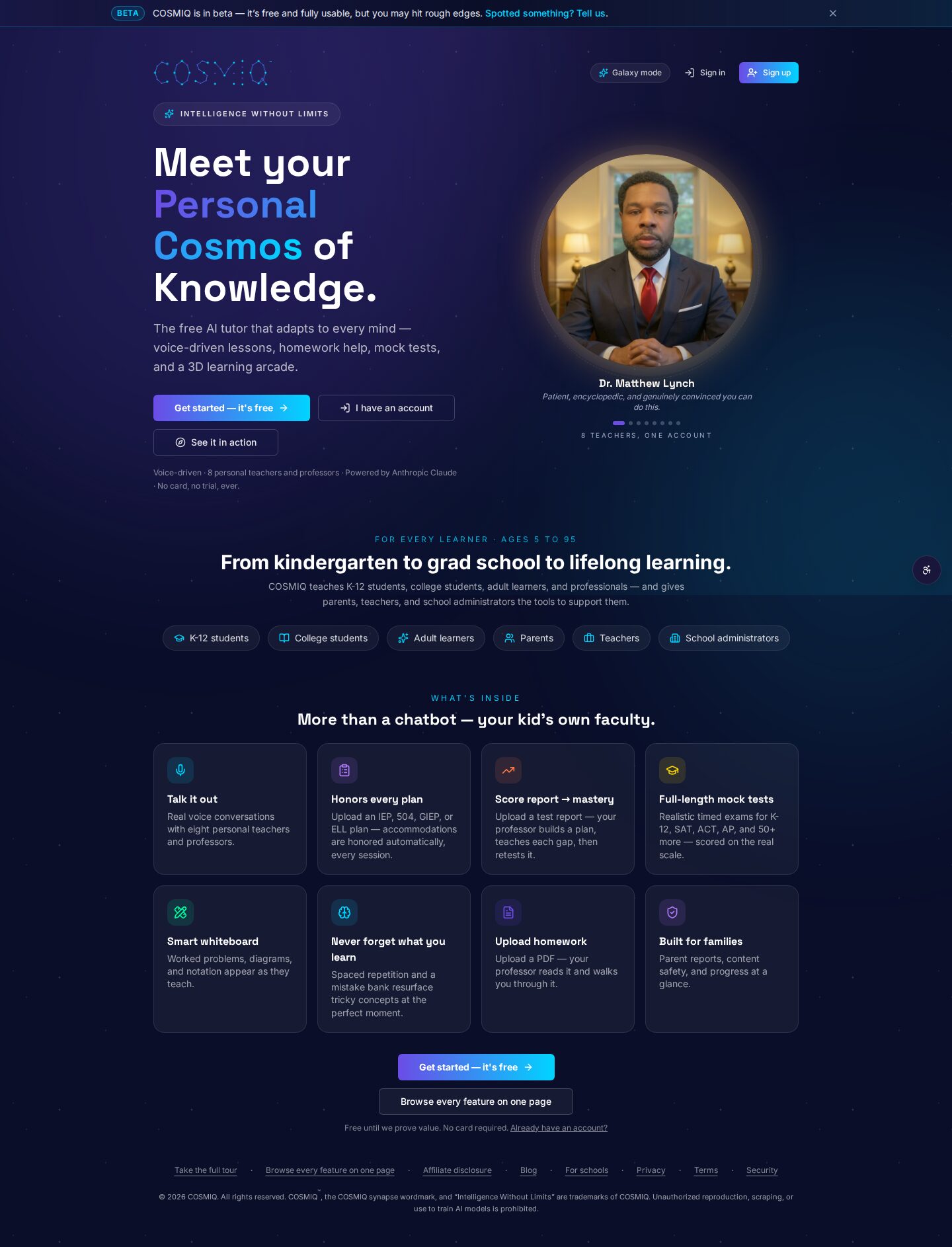
Navigating college admissions and understanding financial aid can be challenging. Resources that simplify complex information and offer support are invaluable. For students seeking assistance with their studies, regardless of their background, platforms like COSMIQ offer free voice-driven AI tutoring, providing personalized learning support for K-12 students. This kind of accessible educational tool can complement the efforts of institutions striving for broader access to learning.
Furthermore, understanding the nuances of financial aid policies is crucial. Tools that help students and families calculate potential costs and aid eligibility can be incredibly beneficial. For those preparing for standardized tests or needing extra help with specific subjects, a free practice hub by grade and subject can offer targeted support, helping students build confidence and skills.
Looking Ahead
The ability to appeal the class-action status is a significant procedural step. It does not resolve the underlying claims but provides the universities with a critical avenue to argue for a different legal approach to the case. This process will undoubtedly shed more light on the intricate workings of financial aid at some of the nation's most prestigious universities.
As this legal process unfolds, the focus for Cornell, MIT, and the other institutions remains on their foundational commitment to educational excellence and accessibility. Their ability to present their case individually or in smaller groups could allow for a more detailed examination of their financial aid models, potentially highlighting the positive impact these policies have on countless students and their families each year.
Learn anything, free.
COSMIQ is a free, voice-driven AI tutor for every learner. No credit card, ever.
Start learning free →