A Pre-Orientation Designed for Student Parents

Starting a new academic program is demanding for any learner. For student parents, it can also involve arranging childcare, coordinating work schedules, managing family finances, and helping children adjust to a new routine. A pre-orientation designed specifically for student parents creates space for these realities before the broader orientation begins. It is not a separate track with lower expectations; it is an early, practical welcome that helps parents understand how to participate fully in campus life.
Why student parents benefit from pre-orientation
Traditional orientation programs often move quickly through academic policies, campus services, and social events. Important information may be delivered at times that conflict with school pickup, caregiving, or work. Student parents may arrive already worried about questions that other students do not need to consider: Where can I nurse or pump? What happens if my child is sick during an exam week? Is there affordable childcare nearby? Can I bring a child to a campus event?
A pre-orientation answers these questions early, before they become barriers. It also signals something meaningful: student parents belong in the learning community. When institutions recognize family responsibilities openly, parents are more likely to ask for help, plan ahead, and use the resources available to them.
For schools, the format can prevent confusion later in the term. For teachers and advisers, it offers a clearer understanding of the practical pressures student parents may face. Most importantly, it gives learners time to build a support plan instead of trying to solve every problem during their first busy weeks.
What an effective pre-orientation should cover
The most useful sessions focus on actionable information, not general encouragement alone. Keep the schedule concise, offer a virtual attendance option where possible, and share materials afterward in a format parents can revisit.

Academic planning that reflects real schedules
Student parents need straightforward guidance on course loads, attendance expectations, assignment deadlines, and communication with instructors. An academic adviser can explain how to map classes around caregiving and work commitments, when to consider part-time study, and how to build in study time that is realistic rather than idealized.
- Review the academic calendar, including major deadlines and exam periods.
- Show students how to contact instructors early and professionally when a family issue affects their work.
- Explain tutoring, writing support, library services, and accessible online learning tools.
- Encourage a weekly plan that includes classes, commute time, study blocks, meals, sleep, and family responsibilities.
Childcare, family, and practical campus information
Parents should leave with clear details about campus and community resources. If an institution does not provide a particular service, it should say so plainly and point students toward credible local options when possible. Vague promises are less helpful than accurate information about what is currently available.
- On-campus childcare, partner programs, waitlists, costs, and application steps, if applicable.
- Family-friendly spaces, lactation rooms, changing facilities, and quiet areas.
- Parking, public transit, safe drop-off arrangements, and commuter resources.
- Emergency contacts, health services, food support, and financial aid guidance.
- Policies for children at campus events, libraries, classrooms, and study areas.
Connection without pressure
Many student parents value meeting peers who understand their situation, but networking should not feel like another obligation. A short facilitated conversation, an optional parent-student group, or a shared online contact space can be enough to begin. Parents may exchange practical ideas about carpools, study routines, meal planning, or balancing exam periods with family life.
A strong pre-orientation does not assume that all families look alike. It makes room for single parents, co-parents, guardians, foster parents, pregnant students, and learners caring for relatives.
How students can prepare before attending
Student parents can get more from pre-orientation by arriving with a short list of priorities. There is no need to have every detail solved. The goal is to identify the information and people that will make the first term more manageable.
- List your non-negotiables. Note work hours, childcare pickup times, medical appointments, transportation limits, and other fixed commitments.
- Bring practical questions. Ask about late-work policies, remote participation options, childcare referrals, financial aid deadlines, and who to contact when circumstances change.
- Save key contacts immediately. Include your adviser, program office, student support services, childcare contact, and course instructors once they are assigned.
- Create a backup plan. Consider who could help if childcare falls through, how you would access coursework from home, and where you could study if plans change.
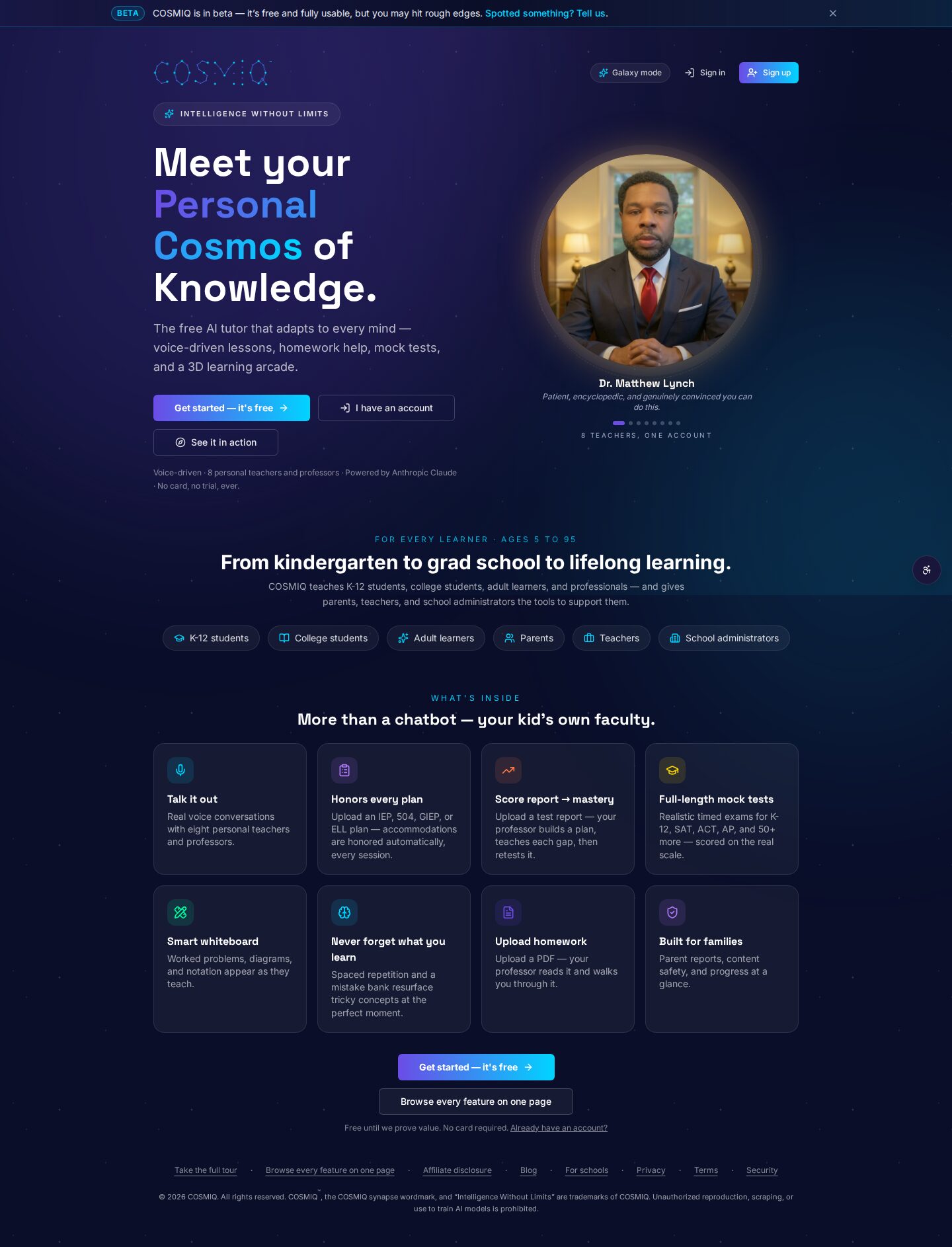
- Choose one support tool to try. This might be a calendar system, a study group, tutoring, or a free voice-driven AI tutoring tool such as COSMIQ for talking through concepts during a busy day.
What educators and institutions can do next
A pre-orientation should be designed with student parents, not merely for them. Invite current or former student parents to review the agenda, identify missing information, and suggest accessible times and formats. Provide interpretation or translated materials when needed, avoid scheduling every activity in the evening, and make it clear that children are welcome at designated family-friendly portions of the program.
Follow-up matters as much as the event itself. A message during the first few weeks with contacts, upcoming deadlines, and reminders about support services can make the information easier to use. Faculty members do not need to know every family’s circumstances, but they can help by communicating expectations clearly, responding respectfully, and directing students to appropriate campus support.
Pre-orientation is a practical first step toward a more inclusive academic experience. When student parents receive relevant information, flexible ways to participate, and a genuine sense of connection, they can begin the term focused on learning while continuing to care for the people who depend on them.
Learn anything, free.
COSMIQ is a free, voice-driven AI tutor for every learner. No credit card, ever.
Start learning free →