A Public Progress Link Worth Adding to College Apps
Applying to college can feel like a daunting task. You’ve got your grades, your test scores, your extracurriculars, and maybe a personal essay that you’ve poured your heart into. But there’s one element that’s often overlooked: the student learning portfolio public. This isn't just a fancy way to showcase your work; it's a powerful narrative of who you are as a student. And in this competitive admissions landscape, it can set you apart.
Understanding the Student Learning Portfolio Public
So, what exactly is a student learning portfolio public? Simply put, it's a collection of your academic work, projects, and reflections that highlight your growth and achievements over time. Think of it as a curated online space where you can showcase your skills, interests, and accomplishments.
Many colleges and universities value holistic assessments in their admissions processes. They want to see beyond the numbers. A well-crafted student learning portfolio public allows you to present your learning journey in a tangible way. It gives context to your grades and test scores, showing the admissions committee who you are and what you care about.
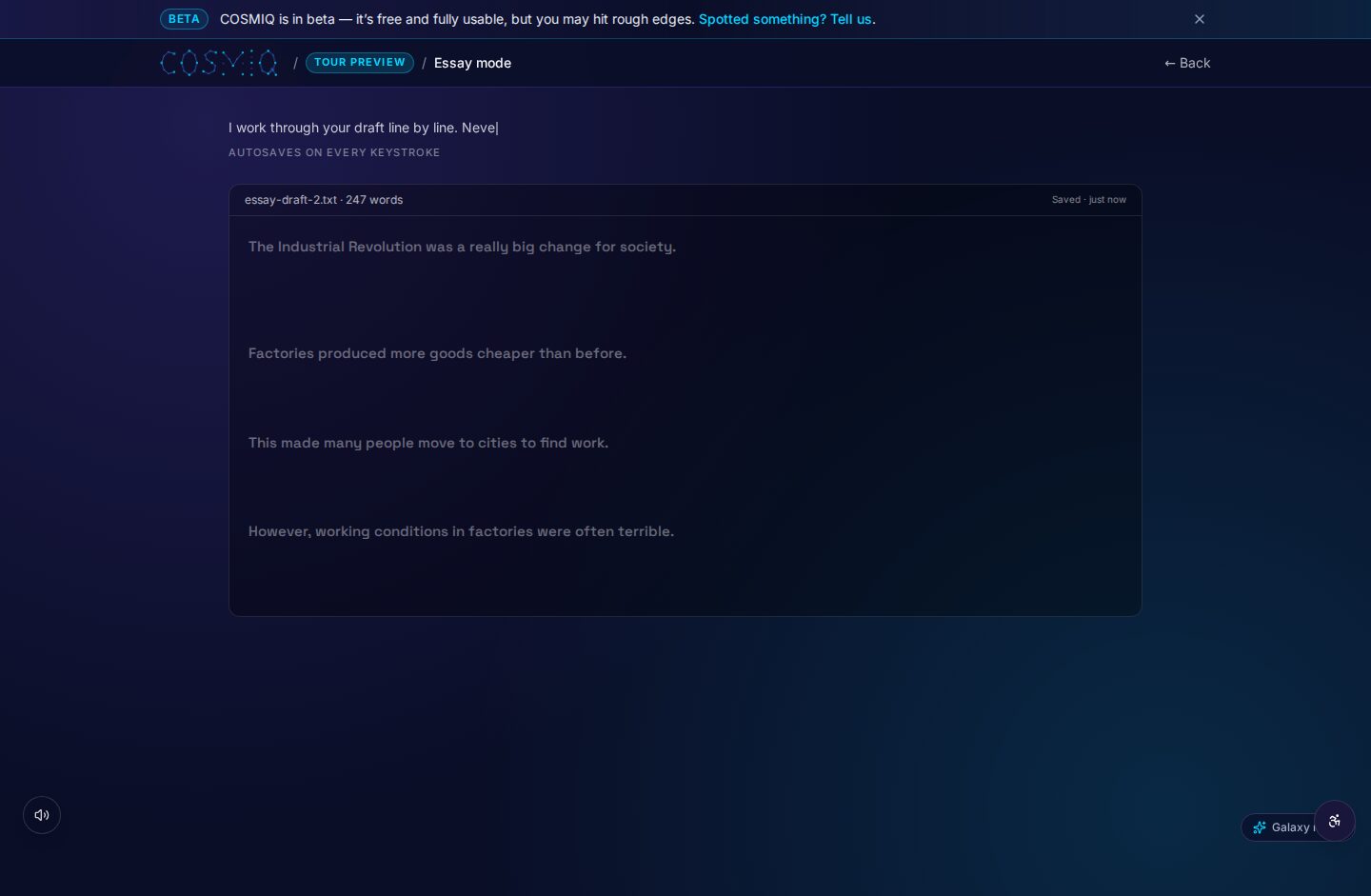
For instance, instead of just stating you received an A in biology, your portfolio can include a project you worked on about ecosystems, complete with graphs, photos, and your reflections on the research process. This provides a vivid picture of not just what you've done, but how you think and learn.
Additionally, consider how your portfolio might evolve over time. As you add new projects and reflections, it can become a living document that tracks your growth. You might even include a timeline that shows your academic journey, highlighting pivotal moments, challenges, and achievements along the way. This depth not only showcases your work but also illustrates resilience and adaptability—qualities that colleges highly value.
Why a Shareable Learning Portfolio Matters
Imagine you’re sitting in front of a college admissions officer. They’ve read your application, they’ve seen your GPA, but they want to know more. How do you stand out? A shareable learning portfolio can be your golden ticket. It’s an opportunity to articulate your interests and showcase your work in a way that a transcript simply can’t.
A shareable learning portfolio can include everything from essays and research projects to art and community service projects. It’s a dynamic representation of your skills and development. For example, if you’ve completed a project on environmental science, not only can you include your final presentation, but you can also provide insights on what you learned, how you tackled challenges, and how you collaborated with others. This personal touch can leave a lasting impression.
Furthermore, a shareable learning portfolio allows you to highlight specific competencies that align with the programs you’re interested in. If you’re applying to an engineering school, you might want to feature a robotics project more prominently. This tailored approach makes it clear to admissions officers that you’ve not only researched their programs but that you’re genuinely interested.
Consider including a narrative overview in your portfolio that explains your academic journey. This could be a brief essay or video that describes not just what you’ve done but why it matters to you. A personal story can forge a connection with admissions officers, making your portfolio not just a collection of work but a reflection of your passions and aspirations.
Crafting Your Portfolio: Key Elements
Creating a strong student learning portfolio public involves several critical elements. First, consider the content you want to include. Aim for a mix of academic achievements, personal projects, and extracurricular activities. This diversity will give a well-rounded view of your capabilities.
Next, pay attention to the presentation. A visually appealing portfolio can make a significant difference. Use images, graphs, or even videos to make your work come alive. Make sure it’s easy to navigate; you want admissions officers to engage with your content, not struggle to find it.
Finally, don’t forget to include reflections on your work. Admissions committees are interested in your thought process. How did you approach problems? What did you learn from each project? Your insights provide depth and demonstrate critical thinking.
For example, if you completed a community service project, include not just the outcome but your planning process, the challenges you faced, and how you adjusted your approach based on feedback. This level of detail will help make your portfolio stand out.
Consider also including a section dedicated to skills you’ve acquired through your experiences. This could be anything from technical skills like coding or graphic design to soft skills like teamwork and communication. Be specific about how you developed these skills through your projects and activities, perhaps even linking them to your future career aspirations.
The Impact of a Public Student Progress Link
Now, let’s talk about the public student progress link. What if you could give potential colleges a direct connection to your portfolio? This link could serve as a powerful tool in your application. It allows admissions officers to easily access your portfolio without having to search for it.
A well-placed public student progress link on your application can pique interest immediately. Instead of reading through pages of text, they can click a link and see your work firsthand. This not only makes your application more interactive but also showcases your tech-savviness.
Think about it: if an admissions officer can access your portfolio with a single click, they’re more likely to spend time exploring it. A public student progress link can serve as a bridge to connect them to your authentic self, creating a personal rapport even before you step foot on campus.
Also, consider how you present this link. Instead of just listing it on your resume, integrate it into your personal statement or application essays. You might say something like, 'For a deeper insight into my academic journey and projects that represent my skills, please visit my portfolio at [link].' This contextualizes the link, encouraging them to check it out.
Real-Life Examples of Effective Portfolios
Consider the case of Alex, a high school senior who is passionate about graphic design. Instead of relying solely on his transcript, he created a shareable learning portfolio that included his design projects, a blog about his creative process, and testimonials from teachers and peers. His public student progress link led admissions officers directly to a well-designed website where they could view his work.
When Alex applied to art schools, his portfolio helped him stand out among a sea of applicants. Instead of just telling the admissions committee about his skills, he showed them. They could see how he approached problems, learned from feedback, and evolved as an artist.
Another compelling example comes from Sarah, a student who excelled in science but also pursued a passion for community service. Her portfolio included not only the research papers she’d written but also videos of her leading science workshops for younger students. The public student progress link showcased her academic prowess and her commitment to giving back, making her a well-rounded candidate.
Then there's the story of Jordan, who was interested in environmental science. He included projects on renewable energy solutions and an internship with a local conservation group. His portfolio was peppered with visuals and even an interactive map he created to show local wildlife habitats. Each piece was backed up by reflection essays that detailed his thought processes and what he learned. This multidimensional approach left college admissions officers impressed, leading to several acceptance offers.
How to Promote Your Portfolio
Once your student learning portfolio public is ready to go, you need to promote it effectively. Begin by including the public student progress link in your resume and cover letters. Make it prominent and easy to find.
Social media can also be a great tool. Share your work on platforms like LinkedIn or Instagram, where you can reach a larger audience. Just be sure that your online presence reflects your academic intentions and professionalism. Colleges will look at your social media, so keep it clean.
You might also consider reaching out to your school's guidance counselor. They can help you share your portfolio with prospective schools and possibly include it in school profiles they send to admissions offices.
Additionally, don’t shy away from networking. Attend college fairs or information sessions where you can mention your portfolio. Having an elevator pitch ready, where you can succinctly explain what your portfolio showcases and its significance, can make a big difference.
Another effective method is to engage with alumni from colleges you’re interested in. Ask them about their experiences and if they have any tips for include your portfolio link in conversations. They might also offer insights into what admissions committees are really looking for.
Feedback and Iteration
Building your portfolio isn’t a one-time project. It’s an ongoing process. Seek feedback from teachers, mentors, or even family members. Constructive criticism can help you refine your work and presentation.
Also, be prepared to iterate. As you complete more projects or gain new skills, update your portfolio regularly. It should grow and change with you. This will not only keep it fresh but also reflect your current abilities.
Consider setting up a schedule for yourself. Perhaps every few months, you review your portfolio to include any new work or update older projects with new insights. This habit will keep your portfolio relevant and engaging.
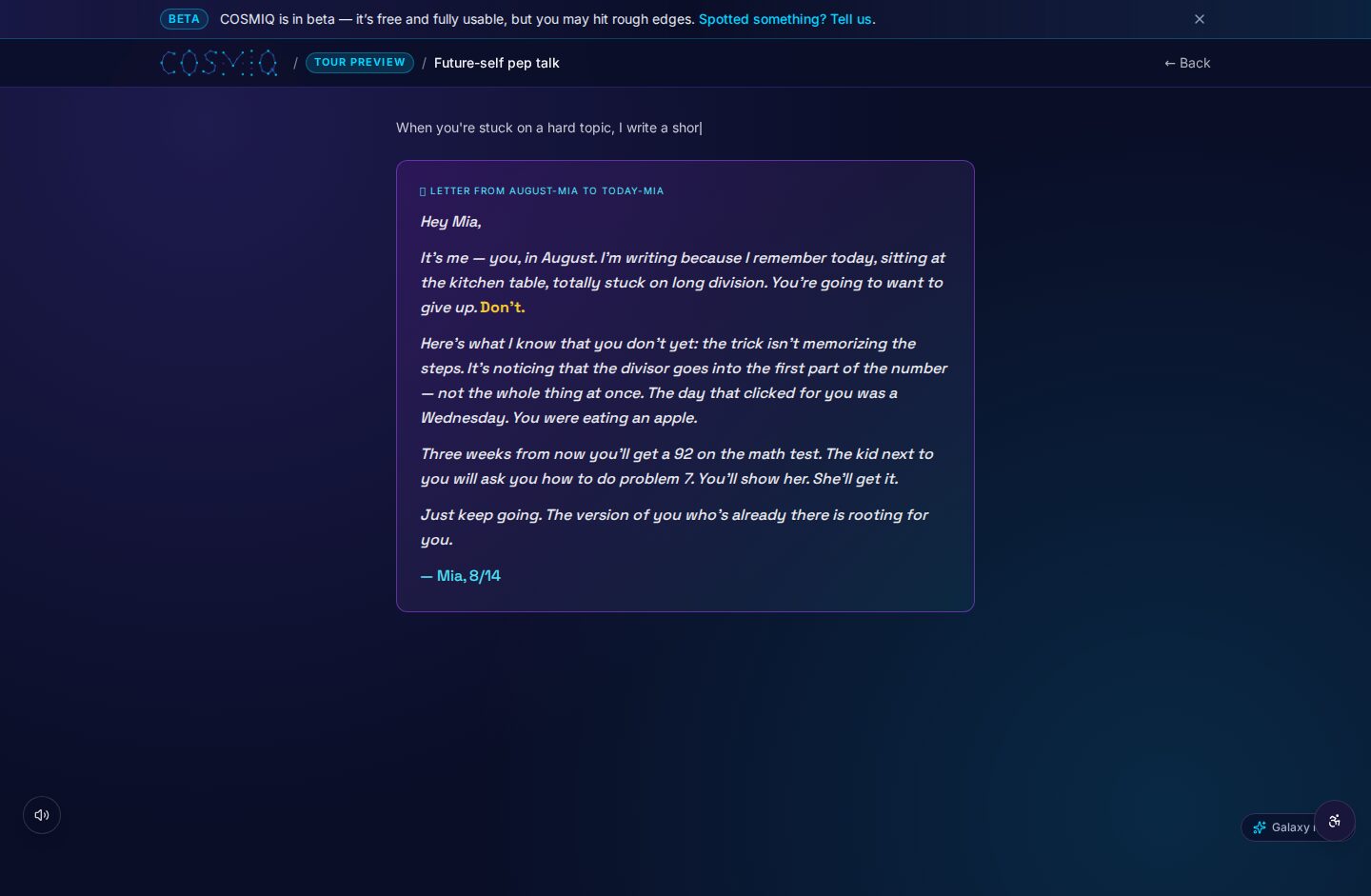
You might even create a feedback loop. After each project, take some time to reflect on what worked, what didn’t, and how you can improve. Document these insights within your portfolio to demonstrate your capacity for growth and learning.
It’s also beneficial to revisit and refine your reflections over time. What might have seemed significant at the time of completion could take on new meaning later. By aligning your portfolio with your evolving goals and insights, you demonstrate not just your achievements but your capacity for reflection and growth.
Leveraging Technology for a Dynamic Portfolio
In the digital age, technology can significantly enhance your student learning portfolio public. Utilize tools and platforms that allow for interactive content. For instance, you could incorporate multimedia elements like videos or podcasts where you discuss your projects.
Platforms like Wix, Weebly, or even Google Sites can help you build visually appealing and user-friendly portfolios. You can integrate various types of media, such as slideshows, infographics, and hyperlinks to external resources, giving depth to your work.
Moreover, consider using data analytics tools. Some platforms provide insights into how many visitors your portfolio receives and which sections are the most engaging. This information can guide you in making your portfolio even more compelling.
Lastly, explore collaborative tools where you can co-create content with peers. For example, if you worked on a group project, feature a section in your portfolio that discusses team dynamics and collective learnings. This not only showcases your individual work but also your ability to collaborate effectively.
Additionally, interactive elements like quizzes related to your projects or interactive timelines can engage viewers even further. By making your portfolio not just a static document but a dynamic experience, you’ll leave a lasting impression that stands out in the stack of applications.
Final Thoughts on Your Public Progress Link
In a world where traditional college applications are often just a numbers game, your student learning portfolio public can tell a deeper story. It’s a chance to showcase your unique journey, interests, and insights. A well-crafted shareable learning portfolio can make all the difference in your college application.
Don’t underestimate the power of a public student progress link. It’s not just about having a link; it’s about inviting colleges into your world. You’re showing them what you’ve accomplished and where you’re headed. So, as you gear up for those college applications, consider this: are you ready to share your story?
Beyond the Basics: Enhancing Your Portfolio with Additional Elements
While we’ve covered many vital aspects of creating a solid student learning portfolio public, there’s always room for improvement and enrichment. Think about incorporating elements that reflect your personality and unique approach to learning.
One way to do this is by adding a 'personal interests' section. This could be anything from hobbies, travel experiences, to even a collection of your favorite books or articles. Demonstrating a well-rounded character can resonate with admissions committees, showing them that you’re not just an academic but a person with varied interests.
Another enriching addition could be a goals section. Lay out your short-term and long-term educational and career goals, and link them to your past projects. This not only shows ambition but also reinforces the narrative you present in your portfolio. Maybe you want to study environmental science to address climate change, and your projects related to that goal can provide tangible evidence of your commitment.
Lastly, consider including a section for awards or recognitions. Whether it’s honors from science fairs, academic competitions, or even community awards, these accolades can provide additional context for your achievements. This not only strengthens your case but also showcases how others have recognized your dedication and hard work.
Learn anything, free.
COSMIQ is a free, voice-driven AI tutor for every learner. No credit card, ever.
Start learning free →