A Virtual Chalkboard Tutor for Math, Science, and Beyond

In recent years, technology has made a profound impact on education, transforming the way we teach and learn. Gone are the days when students relied solely on textbooks and traditional classroom settings. Enter the virtual chalkboard tutor, a tool that empowers students to grasp complex subjects like math and science in a more engaging way. With the help of AI-driven platforms, learning has become interactive and personalized, catering to the needs of each individual learner.
What is a Virtual Chalkboard Tutor?
At its core, a virtual chalkboard tutor is an online educational tool that simulates the experience of working with a physical whiteboard. Picture this: a student connects to a tutor via a webcam, and they both interact on a shared digital board. This environment allows for real-time problem solving, brainstorming, and clarification of concepts. The beauty of this setup lies in its flexibility and adaptability.
Unlike traditional tutoring methods, where communication can sometimes falter due to a lack of visual aids, a virtual chalkboard tutor provides immediate feedback. When a student struggles with a math equation or a science concept, the tutor can visually demonstrate solutions and techniques right on the screen. This instant interaction fosters a dynamic learning atmosphere that can be tailored to the student’s pace and style.
Moreover, these virtual tutors often incorporate various features that enhance learning. For example, many platforms allow for the upload of pre-existing materials, such as textbooks or assignment sheets. This means the tutor can reference specific problems directly from the student’s homework, making the learning experience even more relevant. The ability to annotate and manipulate these documents on the board adds another layer of interaction that traditional tutoring often lacks.
Why Choose an AI Math Whiteboard?
AI technology has permeated various industries, and education is no exception. An AI math whiteboard can significantly enhance the tutoring experience. Imagine an interface that not only displays problems but also assesses the student’s performance in real-time. It can identify where a student is struggling and adapt the lesson accordingly.
For example, if a student consistently miscalculates fractions, the AI can provide additional practice problems specifically targeting that area. This personalized approach helps reinforce weak points and solidifies understanding. Plus, the integration of gamified elements can make learning math feel less daunting and more enjoyable. Who wouldn’t want to solve math problems while playing a game?
Let’s take this a step further. Picture a scenario where a student is struggling with algebraic expressions. The AI could generate a series of progressively challenging problems that start with basic operations and gradually introduce complexity, ensuring the student builds confidence as they learn. In this way, learning becomes less about rote memorization and more about mastery, fostering a deeper understanding of mathematical principles.
Benefits of an Interactive Whiteboard Tutor
The advantages of using an interactive whiteboard tutor extend beyond mere convenience. First and foremost, flexibility is a huge selling point. You can schedule sessions at times that work for you, whether it’s late at night or during lunch breaks. This accessibility eliminates the logistical issues often associated with in-person tutoring.
Moreover, interactive platforms often come equipped with a variety of tools to enhance the learning experience. From drawing shapes to highlighting important formulas, these tools create a more engaging environment. Additionally, many platforms allow for the recording of sessions, enabling students to review material at their leisure. This kind of resource is invaluable when preparing for exams or tackling difficult homework assignments.
Imagine being able to revisit a particularly challenging session the night before a big test. You can pause the playback, review difficult concepts, and practice at your own pace, reinforcing what you’ve learned. This self-paced review is crucial, especially in subjects that build upon previous knowledge, such as mathematics or science.
Real-Time Collaboration: A Game Changer
One of the standout features of a virtual chalkboard tutor is the ability to collaborate in real-time. Students can ask questions as they arise, and tutors can provide immediate answers. This back-and-forth mimics that of a traditional classroom setting, but with the added benefit of being able to share screens and highlight key points.
Consider this scenario: a student is working on a physics problem involving kinematics. As they write out the equations on the virtual board, they can instantly receive feedback on their thought process. The tutor can point out mistakes on the fly and suggest alternative methods, leading to deeper understanding. This immediacy is often missing in asynchronous learning environments, creating a unique advantage for those using a virtual chalkboard tutor.
Furthermore, the collaborative nature of these tools encourages students to articulate their thought processes. When you explain your reasoning to someone else, it often clarifies your own understanding. This can be particularly beneficial in subjects like math, where the problem-solving process is just as important as the final answer. Engaging in dialogue with the tutor, as well as drawing upon peer interactions, can foster a richer learning experience.
Enhancing Engagement with Multimedia Tools
Incorporating multimedia tools can significantly enhance the learning experience. With a virtual chalkboard tutor, you can use videos, animations, and interactive simulations to explain complex concepts. For instance, when teaching about chemical reactions, a tutor might use an animated graphic to illustrate how molecules interact.
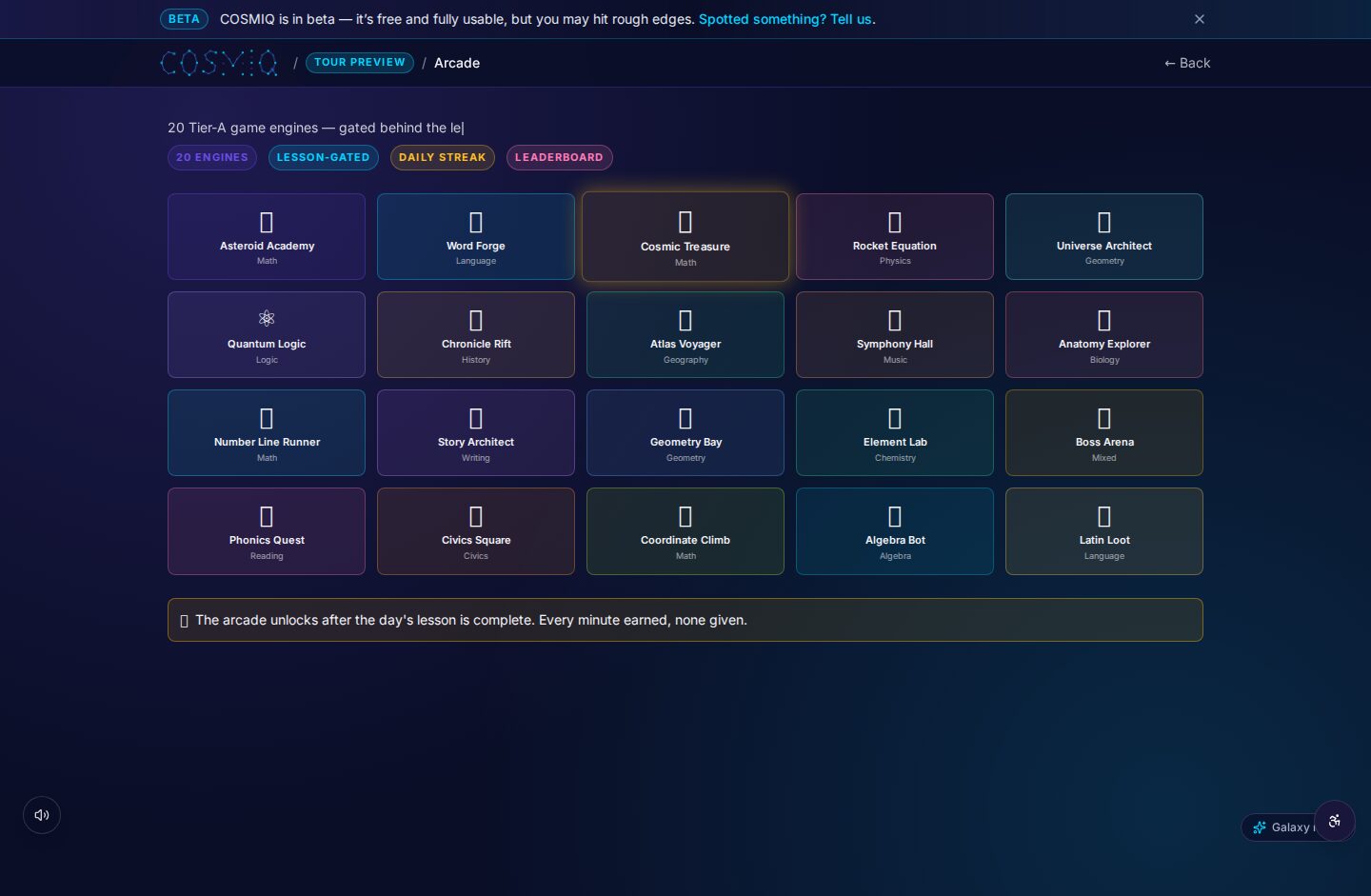
This not only makes the lesson more engaging but helps students visualize concepts that are often abstract. In subjects like math and science, where understanding is critical, visual aids can bridge the gap between theory and application. Plus, the inclusion of gamified elements can create excitement around learning. It’s one thing to solve problems; it’s another to do so while competing for points in an educational game.
Let’s go deeper into this idea. A lesson on geometric shapes could be enhanced with a virtual tool that allows students to manipulate the shapes in real-time. They could stretch, rotate, or combine them, witnessing firsthand how changing one variable affects the entire figure. This active participation deepens comprehension and retention.
Accessibility for All Learners
One of the most compelling reasons to consider a virtual chalkboard tutor is accessibility. Whether you’re a high school student struggling with calculus or an adult trying to grasp the basics of physics, these platforms cater to all levels of expertise. They break down geographical barriers, allowing students to connect with the best tutors from around the world.
Additionally, for those with learning differences or disabilities, the personalized nature of online tutoring can be especially beneficial. Features like adjustable pacing, recorded sessions, and tailored resources ensure that all students can thrive. It’s about creating an inclusive learning environment where everyone has the tools to succeed.
Consider how beneficial this kind of approach is for a student with ADHD. The interactive nature of virtual tutoring can capture their attention better than a traditional setting. They can engage with the material at a pace that suits their needs, while the visual and auditory components cater to different learning styles. This adaptability is a game-changer.
Looking Ahead: The Future of Learning with Virtual Tools
As technology continues to advance, the future of education looks increasingly promising. The integration of AI whiteboard tutors, interactive whiteboard tutors, and other digital resources will reshape how we approach learning. We’re already seeing a trend towards hybrid models that blend traditional teaching with digital tools.
Imagine a classroom where students use an AI math whiteboard during lessons, collaborating with their peers and teachers in real time while also having access to a virtual chalkboard tutor outside of class for extra help. This combination could lead to more engaged learners who feel confident in their abilities.
However, while tech can facilitate learning, it’s essential not to overlook the human element. Tutors who can motivate and inspire students are irreplaceable. The best programs will blend technology with mentorship, creating a rich educational experience that prepares students for both academic and real-world challenges.
Feedback Mechanisms for Continuous Improvement
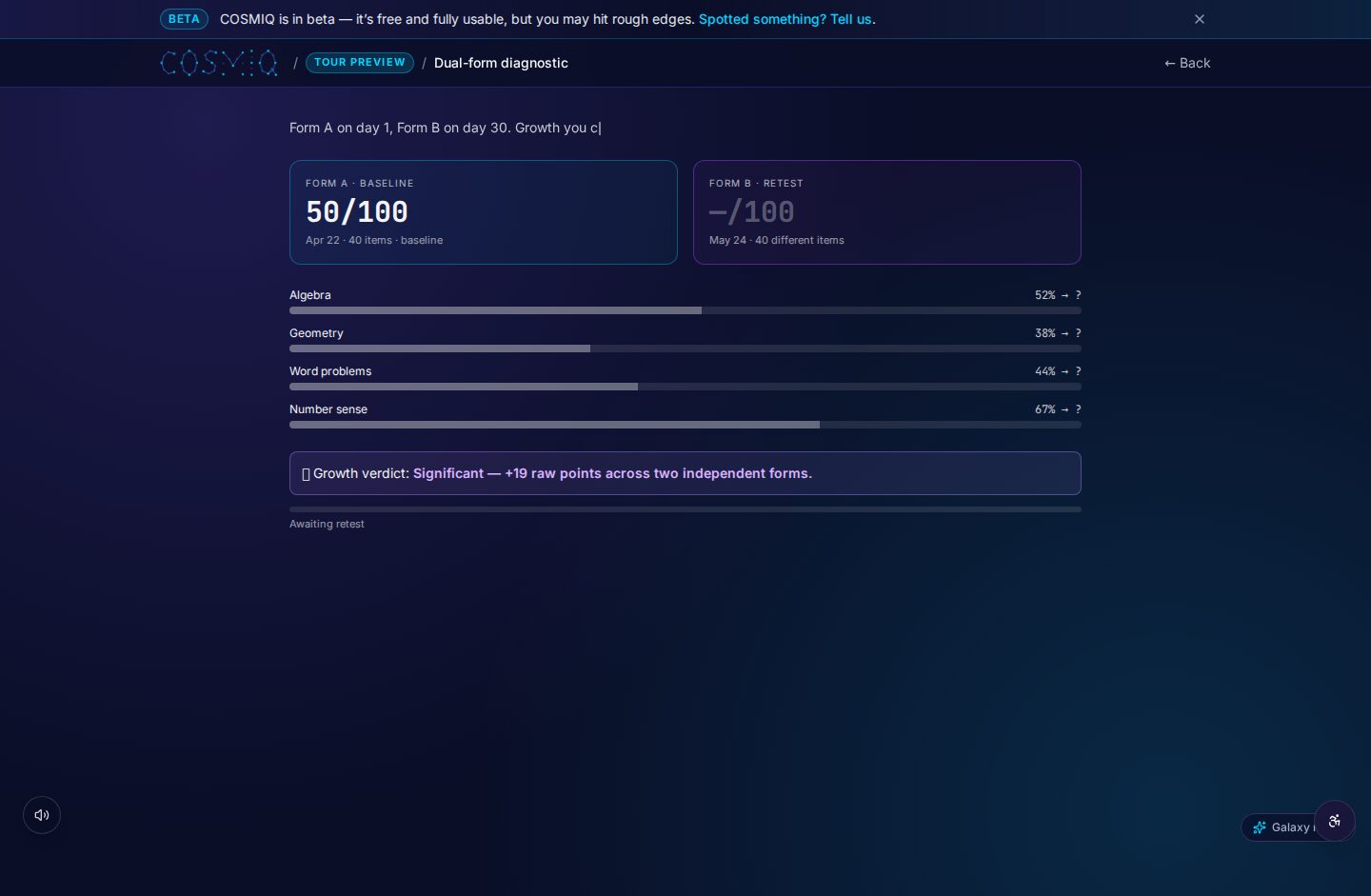
A key component of effective learning is feedback. In a virtual setting, feedback mechanisms can enhance the tutoring experience significantly. For instance, an AI whiteboard tutor can analyze a student's performance over time, providing insights into their progress.
For example, if a student has trouble with geometry, the AI can track their mistakes over a series of sessions. It might suggest specific exercises or even provide visual aids that address those weaknesses. This data-driven approach allows for targeted intervention, ensuring that the student is continually progressing.
Moreover, the feedback doesn't just have to come from the tutor. Students can assess their own understanding as they work through problems on the interactive whiteboard. By reflecting on their answers and the explanations provided, they can develop self-regulation skills that are crucial for lifelong learning.
Integrating Real-World Applications into Lessons
Another important aspect of effective tutoring using a virtual chalkboard is the ability to connect academic concepts to real-world applications. This is particularly salient in math and science, where students often question the practicality of what they’re learning.
Imagine a physics lesson focused on the principles of motion. A virtual chalkboard tutor could integrate real-life examples, such as analyzing the trajectory of a basketball during a game. By using video clips, interactive simulations, and mathematical models, the tutor can show students how the equations they learn in class apply directly to situations they encounter in daily life.
This approach not only makes learning more relevant but also helps students see the value in their education. When students understand how math and science intersect with their interests—whether it's sports, engineering, or environmental science—they’re more likely to be engaged and motivated.
The Role of Community in Online Learning
In traditional educational settings, community plays a crucial role in the learning process. But what about in the realm of online tutoring? The virtual environment can often feel isolating, which is why fostering a sense of community is vital.
Many platforms are beginning to recognize this and are building features that allow for community engagement. For example, students could participate in forums or study groups, sharing experiences and solutions as they work through challenging subjects together. This collaborative aspect can create a support network that enriches the learning experience.
Additionally, events such as online workshops or webinars can bring students together for collaborative learning. Imagine joining a math challenge where students from different parts of the world work together to solve problems in real-time. Not only does this foster camaraderie, but it also exposes learners to diverse perspectives and problem-solving strategies.
Personalizing Learning Paths with Data Analytics
Finally, one of the most exciting developments in online tutoring is the ability to personalize learning paths using data analytics. AI math whiteboards can track student engagement and performance metrics, allowing tutors to tailor lessons more precisely than ever before.
For instance, if data shows that a student excels in algebra but struggles with geometry, the tutor can allocate more resources and time to addressing geometric concepts. This ensures that no student is left behind, and everyone has the opportunity to succeed. It’s a customized learning experience that continually adapts to the needs of the student.
This level of personalization not only addresses current academic needs but also prepares students for future challenges. A well-structured learning path that evolves with the student can instill a sense of confidence and readiness to tackle advanced topics.
Related resources: AI whiteboard tutor · interactive whiteboard tutor
Learn anything, free.
COSMIQ is a free, voice-driven AI tutor for every learner. No credit card, ever.
Start learning free →