Addressing Global Learning Losses: Supporting Every Student's Comeback

The past few years have presented unprecedented challenges to education systems globally. From school closures to shifts in learning environments, the ripple effects have been felt by students, parents, and educators alike. A significant concern emerging from this period is the widespread phenomenon of learning loss – the academic skills and knowledge students may not have acquired or may have forgotten due to interrupted or inconsistent instruction. This isn't just about falling behind; for many, it represents a threat to their long-term educational and life trajectories.
While the scale of the challenge can seem daunting, it's important to remember that collective action and targeted support can make a profound difference. This article explores what global learning losses mean, how they manifest, and practical, empathetic strategies that can help students, families, and educators navigate the path to recovery.
Understanding the Scope of Learning Loss
Learning loss isn't a uniform experience; it varies significantly based on age, subject matter, socioeconomic background, and access to resources. However, some common themes have emerged:
- Foundational Skills Gaps: Younger students, particularly those in early elementary grades, may have missed crucial building blocks in literacy and numeracy. These foundational skills are essential for future learning, and gaps here can compound over time.
- Subject-Specific Setbacks: While all subjects can be affected, some, like mathematics and reading comprehension, have shown more pronounced dips in proficiency across various studies.
- Exacerbated Inequalities: Students from underserved communities, those with limited access to technology or stable home learning environments, and students with special educational needs have often experienced disproportionately greater learning setbacks. The digital divide, in particular, played a significant role in who could access remote learning effectively.
- Socio-Emotional Impact: Beyond academics, the disruptions have also affected students' social and emotional development. The lack of consistent peer interaction and routine can impact motivation, focus, and overall well-being, which in turn affects their ability to learn.
Recognizing these varied impacts is the first step toward developing effective recovery strategies. It's not about blaming, but about understanding the current reality to build a stronger future.
Strategies for Academic Recovery and Support
Addressing learning loss requires a multi-faceted approach involving schools, families, and communities. Here are some practical strategies:
1. Prioritize Assessment and Individualized Learning
- Diagnostic Assessments: Instead of relying solely on standardized tests, schools can use targeted diagnostic assessments to pinpoint specific areas where students are struggling. This helps educators understand why a student is having difficulty, not just that they are.
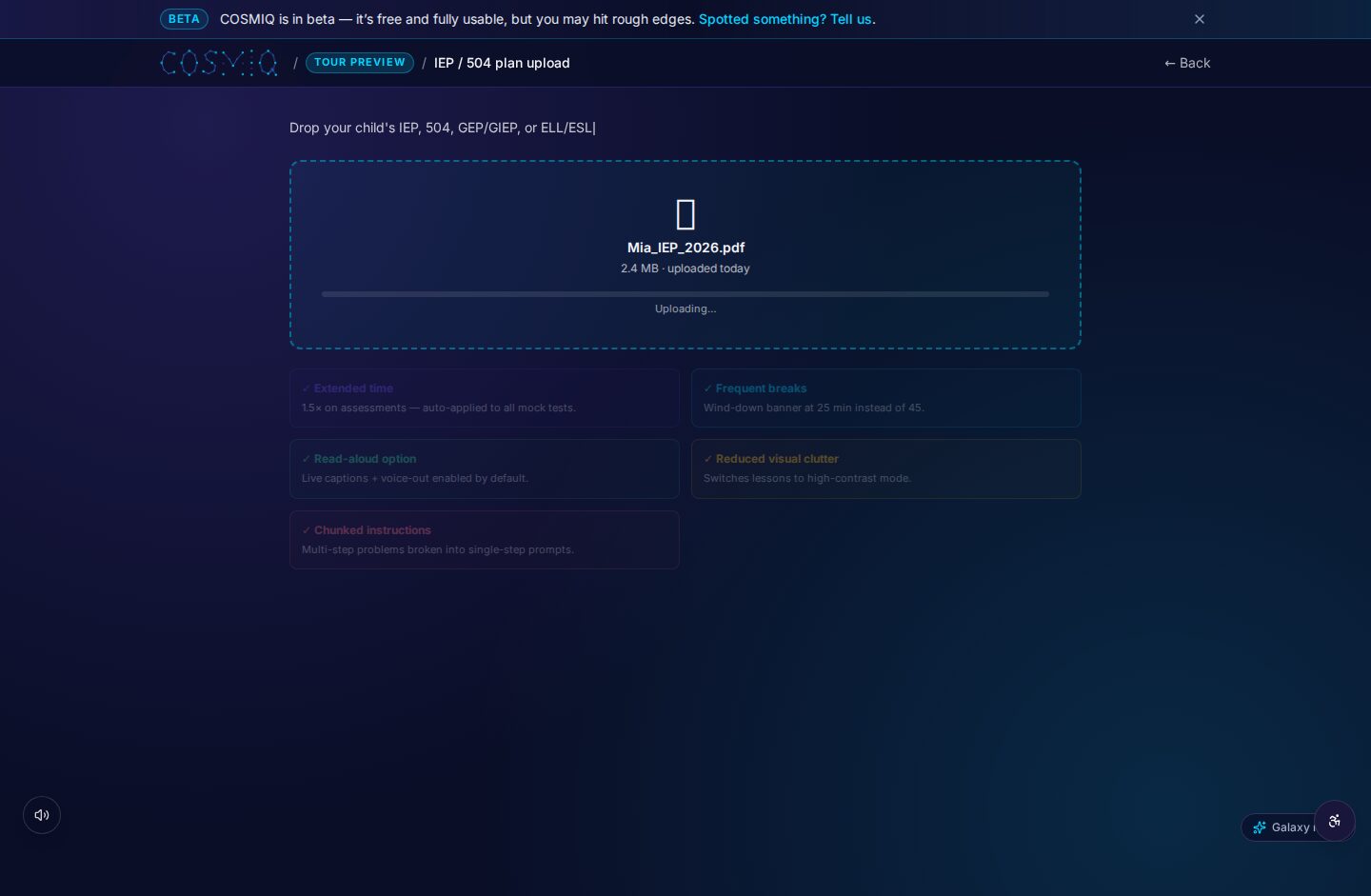
- Personalized Learning Paths: Based on assessment data, educators can tailor learning plans. This might involve small-group instruction, one-on-one tutoring, or differentiated classroom activities that meet students where they are. Tools like AI tutors can also offer personalized practice and feedback.
2. Focus on Foundational Skills and Core Concepts
- Targeted Intervention: Dedicate resources to intensive, focused interventions in core subjects like reading, writing, and math. These interventions should be consistent and sustained, not just short-term fixes.
- Curriculum Prioritization: Educators may need to strategically prioritize essential concepts within the curriculum to ensure students grasp the most critical knowledge and skills before moving on.
3. Support Social-Emotional Learning (SEL)
- Create Safe and Supportive Environments: Schools should foster environments where students feel safe, connected, and understood. This includes explicit teaching of social-emotional skills like self-regulation, empathy, and problem-solving.
- Mental Health Resources: Ensure access to mental health support for students who may be experiencing anxiety, stress, or other emotional challenges related to the disruptions. A student's emotional well-being is intrinsically linked to their ability to learn.
4. Strengthen Home-School Connections
- Open Communication: Foster regular and open communication between teachers and parents. Parents are vital partners in a child's education and need to be informed about their child's progress and how they can support learning at home.
- Resource Sharing: Provide parents with resources and strategies to support learning outside of school hours, such as tips for reading together, educational games, or access to online learning tools.
Looking Ahead: A Resilient Generation
While the term "learning loss" highlights a challenge, it's equally important to acknowledge the incredible resilience shown by students, families, and educators throughout this period. This generation has navigated unprecedented changes, developing new skills in adaptability, self-direction, and digital literacy. By understanding the academic and socio-emotional impacts, and by implementing thoughtful, targeted support strategies, we can help every student not only recover lost ground but also build a stronger, more resilient foundation for their future.
The commitment to supporting every student's comeback is a shared responsibility, and with collaborative effort, we can ensure this generation thrives.
Learn anything, free.
COSMIQ is a free, voice-driven AI tutor for every learner. No credit card, ever.
Start learning free →