AI Homework Help That Teaches, Not Just Answers

The Shift in Homework Assistance
You remember the days when doing homework meant flipping through textbooks and spending hours trying to grasp complex concepts. Fast forward to today, and technology has transformed the way students tackle assignments. But here’s the question: are we merely giving students answers, or are we helping them learn?
AI homework help is changing the landscape, providing tools that not only deliver answers but also facilitate understanding. It’s essential to strike a balance between quick fixes and genuine learning. This article explores how various homework helper apps and tools can guide students toward a better grasp of their subjects. As education evolves, so too should our methods of delivery. Are we utilizing these tools to foster critical thinking and independent learning?
How AI Homework Help Works
So, how does this AI homework help actually function? At its core, it employs algorithms and machine learning to analyze questions and provide tailored responses. The beauty of this technology lies in its adaptability to different learning styles.
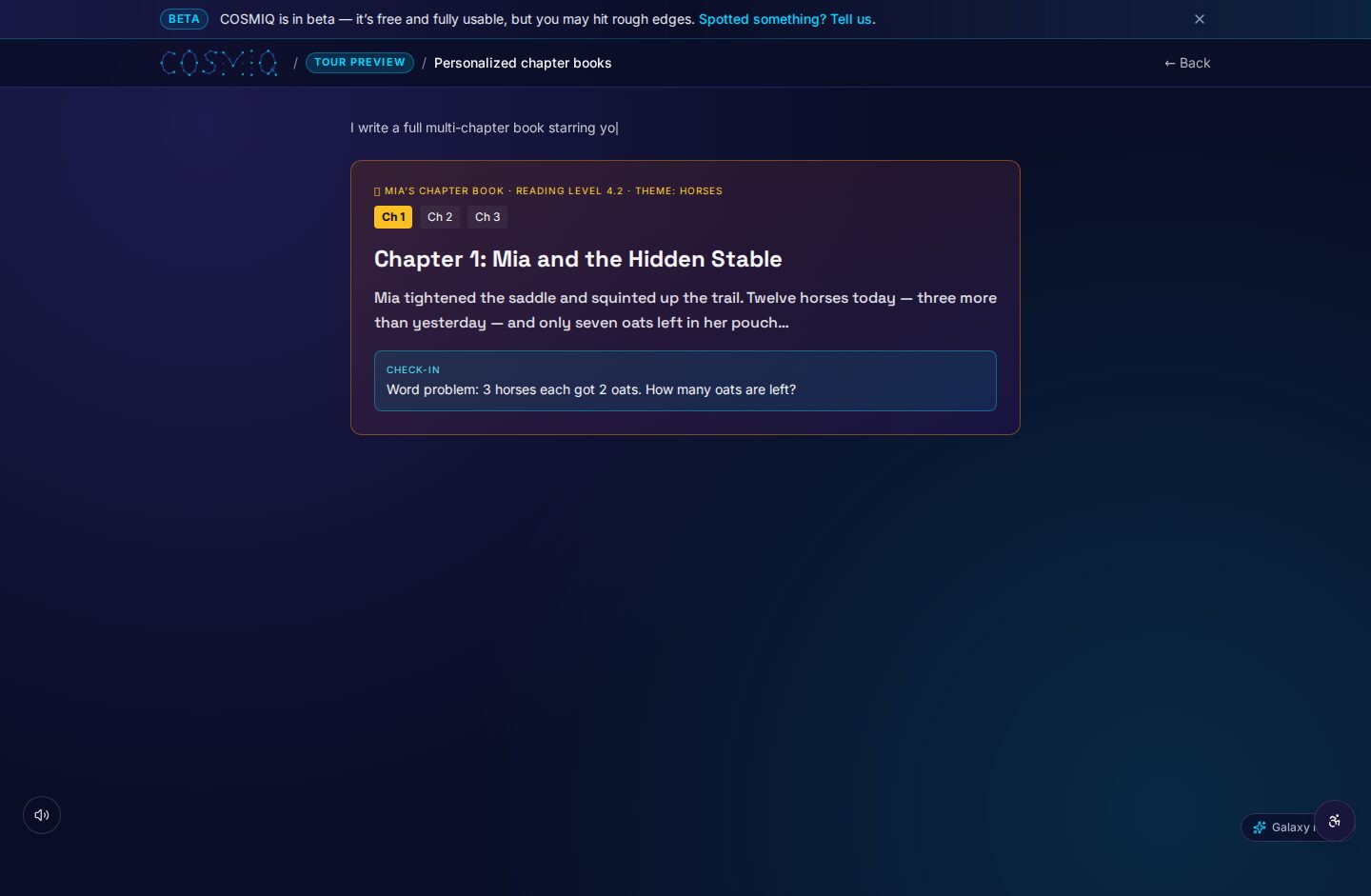
For instance, some apps might break down complex math problems step by step, while others offer concise explanations and examples. This personalized approach means that students can learn at their own pace, ensuring they truly grasp the material rather than just memorizing answers. Imagine a student working on algebra; they can input a problem and receive immediate feedback that not only tells them the correct answer but walks them through each step of the solution. This method demystifies the learning process, making concepts more approachable.
Moreover, many of these platforms continuously learn from user input. If a student struggles with a particular type of question, the AI can adapt its teaching method, providing additional resources or alternative explanations. This feedback loop enhances the learning experience, ensuring that students are not left behind.
The Role of Homework Helper Apps
Homework helper apps are increasingly popular among students. They’re convenient, accessible, and often just a tap away. But what should you look for in a good homework helper app?
First, consider the app’s capability to provide context along with answers. An app that simply spits out the answer without explaining how it got there isn’t doing much to educate. Look for features that promote a deeper understanding, like interactive quizzes or instant feedback. Applications that incorporate videos or tutorials are particularly effective.
A great example is an app that focuses on STEM subjects. It could offer problem-solving walkthroughs, engaging animations, and even gamified learning experiences. Imagine your child wrestling with physics concepts; an app could take them through real-life applications of those concepts, helping them visualize how theories translate into practice. This makes learning dynamic and relatable.
When evaluating homework helper apps, consider user-friendliness and the quality of content. An app that feels cumbersome or poorly designed can detract from the learning experience. Feedback from peers and educators can also provide insight into which apps consistently deliver value.
Free Homework Help Resources
While the rise of AI in education has led to a plethora of paid solutions, many free homework help resources exist too. Websites and apps offering free homework help can be incredibly beneficial, especially for students who might not have the means to pay for premium services.
These free resources often include comprehensive tutorials, forums for discussion, and step-by-step guides. They might not have the sophisticated algorithms of paid options, but they can effectively support learning. Plus, they encourage collaboration among students, which is invaluable for understanding diverse perspectives.
An excellent example of free help is Khan Academy. This platform offers extensive resources on various subjects, allowing students to learn at their own pace. It provides instructional videos, practice problems, and even progress tracking. Students can watch a video on calculus, try practice problems, and receive immediate feedback on their performance. This kind of environment nurtures a sense of community and shared learning, making it a valuable aid for students.
Also, consider that free resources are often updated regularly. They can incorporate current events or new educational strategies, keeping the content fresh and relevant. This adaptability is essential in a world where knowledge is constantly evolving.
Leveraging Photo Homework Solvers
Picture this: you're staring at a math problem in your textbook, and instead of spending hours trying to solve it, you take a picture of it with your phone. That’s the magic of photo homework solvers. These apps use image recognition technology to analyze the problem and provide a solution.
But it’s not just about getting the answer quickly. The best photo homework solver apps will also show you how to arrive at that answer. They might break down the steps visually or offer a tutorial related to the subject. This hands-on approach helps reinforce learning and ensures that students don’t just rely on technology to do the work for them.
For example, if a student snaps a photo of a chemistry equation, the app might not only provide the answer but also explain the underlying chemical principles involved. This approach encourages a deeper understanding of the material rather than rote memorization. It allows students to explore the 'why' behind the answer, fostering a greater appreciation for the subject.
However, it's crucial to remind students that these tools are aids, not replacements for their own effort. The best results come when students engage with the material, perhaps using the solver to check their work after attempting the problem independently.
The Importance of Instant Homework Help
In today’s educational environment, timing can be everything. Students often find themselves in need of instant homework help, especially when deadlines loom. Having access to immediate support can alleviate stress and improve performance.
However, the challenge lies in finding resources that provide not just quick answers, but meaningful guidance. Instant feedback through AI tools can lead to significant improvements in understanding, as students can adjust their study habits or clarify misconceptions on the spot. This responsiveness keeps learners engaged and promotes active participation in their education.
Think about a situation where a student is struggling with a last-minute essay. If they have access to an app that instantly offers suggestions for structure or even grammar corrections, they can make real-time improvements. Quick access to advice can transform a stressful situation into a manageable task, enhancing the learning experience.
It's worth noting that students can sometimes misuse instant homework help by relying on it too heavily without engaging with the material. Therefore, it’s important to strike a balance. Encourage students to use instant help as a complementary tool alongside their studying, creating an environment where they feel supported but still challenged to learn.
Encouraging Independent Learning
At the end of the day, the goal of using AI homework help should be to foster independent learning. The best tools will encourage students to think critically rather than simply providing them with answers.
For example, a well-designed homework helper app might present a problem, guide the student through similar examples, and then encourage them to attempt a new problem independently. This method not only reinforces the material but also builds self-confidence. Consider an app that asks probing questions rather than just providing answers; it might ask, 'What do you think the next step is?' This promotes critical thinking.
When students learn to solve problems on their own, they develop essential skills that go beyond the classroom. They learn to research, analyze, and think critically — all skills that will serve them well throughout their lives. This self-reliance fosters resilience, enabling students to tackle challenges head-on and seek out solutions independently.
Encouraging this kind of independent learning can also get students excited about their subjects. When they see they can arrive at the answers on their own, it builds a sense of ownership over their education. This kind of empowerment is invaluable.
Choosing the Right Tools for Learning
Navigating the sea of homework help options can feel overwhelming. With countless apps and online resources, how do you choose the right ones? Start by assessing what you need.
Are you struggling with math? Look for tools that specialize in that subject. Do you need help with writing? Find platforms that offer writing assistance and feedback. Remember to look for features that promote learning, such as video lessons or interactive problem-solving.
It can be helpful to read reviews from other users to see what works best for them. Also, consider trying different tools to see which resonates most with your learning style. Some students thrive with visual aids, while others prefer text-based explanations.
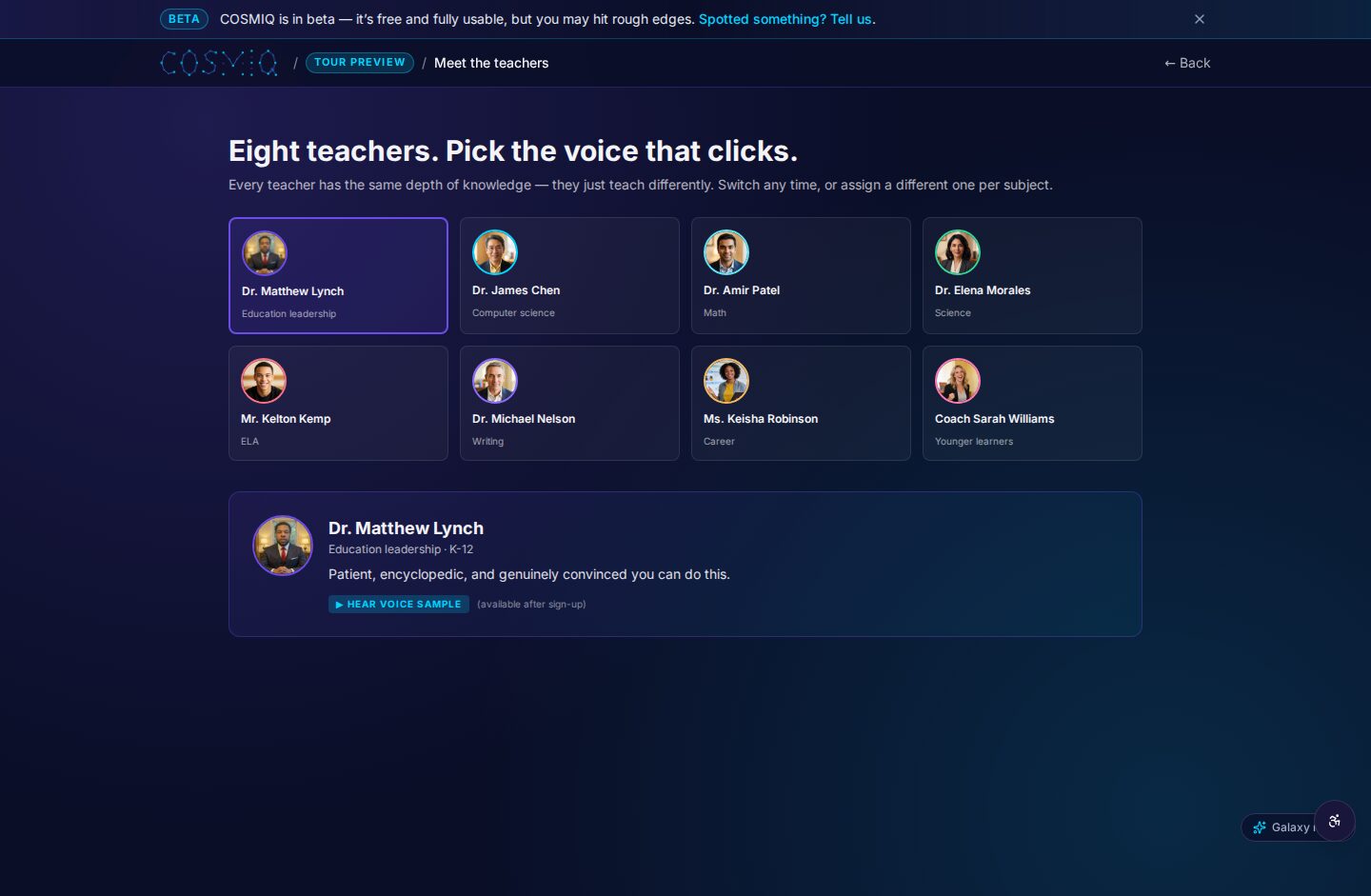
Additionally, check whether the tools you’re considering offer a trial period or free version. This allows you to explore their features without commitment. When you find the right tool, it can transform your study habits and enhance your academic performance. It's all about finding the right fit for your unique needs.
The Bottom Line: More Than Just Answers
In an age where technology reigns supreme, the way students approach homework is evolving. AI homework help offers exciting possibilities that can enhance the learning experience.
However, it’s vital to remember that the ultimate goal is education, not just quick solutions. The best homework helper apps and resources will support understanding, encourage critical thinking, and help students become independent learners.
So, the next time you or someone you know faces a tough assignment, consider how to use technology not just to get the answer, but to enrich the learning journey. It’s not just about finishing homework; it’s about preparing for the future.
The Future of AI in Education
Looking ahead, the integration of AI in education is likely to deepen. As these tools become more advanced, they will provide even more personalized learning experiences. Imagine AI that can assess a student’s emotional state in addition to their academic performance, tailoring responses and support accordingly.
This could revolutionize how we approach learning. For instance, if a student is struggling with anxiety during exams, an AI could offer calming techniques or break down material into smaller, more manageable segments. The potential here isn’t just about academic support; it’s about holistic education.
Moreover, as AI continues to develop, we may see an increase in gamified learning experiences, where students engage with the material in innovative ways. These experiences can make learning fun, encouraging students to put in the effort rather than viewing homework as a chore.
However, it’s crucial to keep human educators in the loop. AI can provide valuable support, but teachers play an irreplaceable role in fostering critical thinking and emotional intelligence. The best outcomes will come from a partnership between technology and traditional teaching methods, creating a more enriching educational environment for students.
Real-World Application of AI Learning Tools
One of the most exciting aspects of AI homework help is its real-world application in various subjects. For instance, in subjects like science and engineering, students can use simulations to see the practical implications of theories.
Imagine a student studying physics who can manipulate variables in a virtual lab experiment. They can see firsthand how changes affect outcomes, which reinforces theoretical concepts. This experiential learning is invaluable; it bridges the gap between abstract ideas and real-world applications.
In language learning, AI tools can offer conversation practice with instant feedback. Rather than just studying vocabulary, students can engage in dialogues, receive corrections in real time, and even track their progress over time. This interactive approach encourages fluency and confidence.
Overall, the real-world applications of AI learning tools will only expand. As students gain access to increasingly sophisticated resources, they’ll be better prepared to tackle challenges in both their academic and personal lives. The implications for future generations are profound.
Related resources: photo homework solver
Learn anything, free.
COSMIQ is a free, voice-driven AI tutor for every learner. No credit card, ever.
Start learning free →