AI in Higher Education: Enhancing Learning and Teaching in 2026

Artificial intelligence (AI) is no longer a futuristic concept; it's an integrated part of our daily lives, and its presence in higher education is growing at an incredible pace. Far from being a replacement for human interaction, AI tools in universities and colleges are emerging as powerful allies, capable of enhancing the learning experience, supporting educators, and even making administrative processes more efficient. Understanding how AI fits into this landscape is crucial for students, parents, and teachers as we navigate the evolving educational environment in 2026.
Personalizing the Learning Journey
One of the most exciting promises of AI in higher education is its capacity for personalization. Traditional classrooms often struggle to cater to the diverse learning styles and paces of individual students. AI can help bridge this gap in several ways:
- Adaptive Learning Platforms: AI-powered platforms can assess a student's current knowledge and learning speed, then adapt the curriculum and present material in a way that is most effective for them. This means students can spend more time on challenging topics and move quickly through concepts they've already mastered.
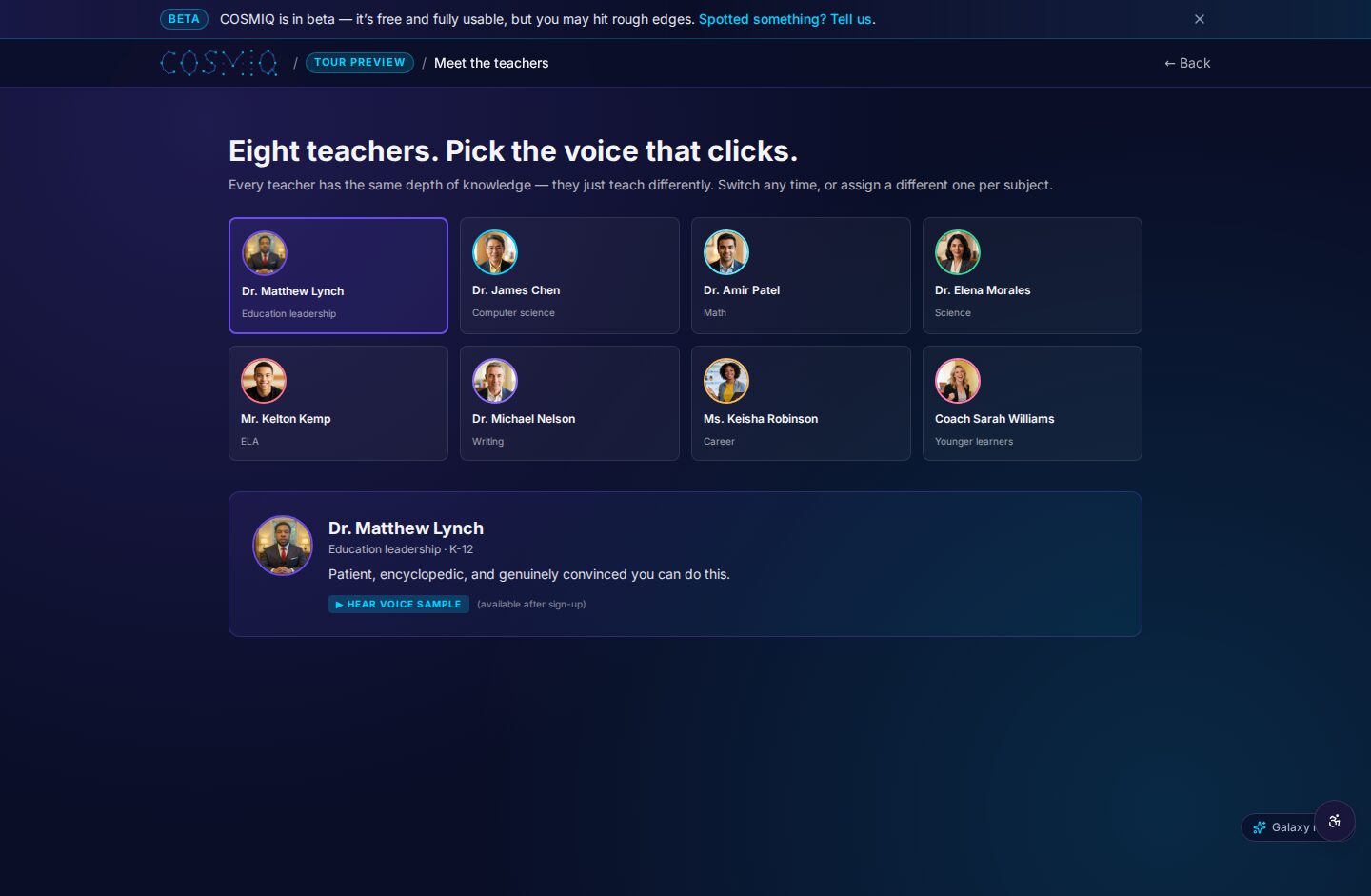
- Intelligent Tutoring Systems: Similar to platforms like COSMIQ, AI tutors can provide immediate feedback, clarify complex ideas, and offer practice problems tailored to a student's specific needs. This offers on-demand support outside of typical office hours, making learning more accessible.
- Content Curation and Recommendation: AI algorithms can recommend relevant articles, videos, and resources based on a student's past performance, interests, and the specific course material, helping them dive deeper into subjects that resonate.
Empowering Educators and Streamlining Operations
AI isn't just for students; it's also a valuable asset for faculty and administrators, freeing up time for more meaningful interactions and strategic initiatives:

- Automated Grading and Feedback: For certain types of assignments, such as multiple-choice tests or even some essay formats, AI can assist with grading, providing quick and consistent feedback. This allows instructors to focus their time on evaluating more complex, critical thinking assignments and offering personalized guidance.
- Administrative Efficiency: AI chatbots can handle routine student inquiries about course schedules, deadlines, or campus services, reducing the workload on administrative staff. AI can also assist in analyzing student enrollment trends and resource allocation.
- Course Design and Improvement: By analyzing student engagement data and performance metrics, AI can offer insights that help educators refine course materials, identify areas where students commonly struggle, and improve overall pedagogical strategies.
Fostering Critical Thinking and Digital Literacy
While some might fear AI could diminish critical thinking, its thoughtful integration can actually enhance it:
- Prompt Engineering and Evaluation: Students can learn to use AI tools responsibly, understanding how to craft effective prompts to get the best results and critically evaluate the information generated. This develops crucial digital literacy skills.
- Complex Problem Solving: AI can handle repetitive data analysis or information gathering, allowing students to focus on higher-order thinking tasks like synthesizing information, developing innovative solutions, and engaging in ethical considerations.
- Research Assistance: AI tools can help students quickly identify relevant literature, summarize research papers, and even assist in organizing data, accelerating the research process and allowing more time for analysis and interpretation.
Navigating the Future Responsibly
As AI becomes more integrated into higher education, it's important to approach its implementation with careful consideration. Discussions around data privacy, algorithmic bias, and academic integrity are essential. The goal is not to replace human educators or the invaluable in-person learning experience, but to leverage AI as a powerful tool that augments human capabilities, making education more equitable, effective, and engaging for everyone involved. By embracing AI thoughtfully, higher education institutions can prepare students not just for current challenges but for a future where AI literacy is a fundamental skill.
Learn anything, free.
COSMIQ is a free, voice-driven AI tutor for every learner. No credit card, ever.
Start learning free →