AI Worksheet Solver: Turn Any PDF Into a Guided Lesson

Imagine this: you’ve got a stack of worksheets you’ve downloaded in PDF format, and you need to create engaging lessons that can help your students grasp complex concepts. But how? Enter the AI worksheet solver. This innovative technology can be your best friend in transforming standard PDFs into guided lessons. Let’s explore how you can leverage these tools to enhance your teaching and save precious time.
Understanding the AI Worksheet Solver
So what exactly is an AI worksheet solver? Simply put, it’s a digital tool that uses artificial intelligence to analyze, interpret, and generate answers or explanations based on the content of a PDF worksheet. Imagine having an assistant that can break down tricky mathematical problems or complex scientific concepts for your students. Instead of spending hours crafting explanations, you could harness this technology to create tailored learning experiences.
What’s more, it’s not just about solving problems. These tools can provide context, background information, and step-by-step guidance. Think about it—when a student struggles with learning materials, having a resource that offers instant support can drastically improve their understanding and retention. It’s like having a personal tutor available 24/7, right at your fingertips. And in a way, this kind of technology reflects a shift in education toward personalized learning where each student can progress at their own pace.
The capabilities of AI worksheet solvers can be astounding. They don’t just spit out answers; they explain the reasoning behind them. For instance, if a student is working on a physics worksheet, the AI might not only provide the correct formula but also explain why that formula applies to the problem at hand. This deeper understanding can lead to better retention of information and application of knowledge in various contexts.
How to Upload PDF Homework Efficiently
The first step is to upload PDF homework into the AI worksheet solver. Most platforms are user-friendly, allowing you to drag and drop files directly into the interface. The process is typically seamless. Once your PDF is uploaded, the AI scans the document, identifying key areas that require assistance. This is where you can see the potential of technology opening doors to more interactive lessons.
If you’re wondering about file compatibility, most AI worksheet solvers work with a variety of PDF formats. Just ensure that your worksheets are clear and well-structured. The AI works best when the content is organized, as this makes it easier for the system to analyze. Once your file is ready, you can quickly move to the next step. Think of it like a house—if the layout is cluttered, it’s difficult to navigate. Similarly, a well-structured PDF helps the AI work its magic more effectively.
Consider optimizing your PDF files for better performance. Before uploading, check for things like font size, clarity of images, and formatting consistency. Using standard font types and sizes can aid the AI in recognizing text accurately. If your worksheet contains charts or images, ensure they are high resolution. This attention to detail can make a significant difference in the AI's ability to interpret the data correctly.
Utilizing the Scan Worksheet AI Functionality
Many AI worksheet solvers include a scan worksheet AI feature that can transform handwritten or printed documents into digital text. This is a real game-changer, especially for teachers who prefer traditional handouts but want to take advantage of digital resources. By scanning your worksheets into the system, you can convert them into editable formats that the AI can analyze.
Let’s say you have a handwritten math worksheet filled with equations. By using scan worksheet AI, you can upload it and watch as the system digitizes the content. Suddenly, you have a document that you can edit, annotate, or even enhance with additional multimedia resources. This opens up endless possibilities for creating a more engaging and interactive lesson plan. Imagine adding video explanations or interactive quizzes right alongside the original exercises—students can learn through various methods and increase their comprehension.
However, keep in mind that not all handwriting is created equal. If your students are using varying styles or legibility, the AI may struggle to interpret some handwritten notes. You might want to conduct a brief training session on how to write clearly for optimal scanning results. Encourage them to print legibly if they’re submitting handwritten work, as this will facilitate a smoother digital transition.
Creating Guided Lessons from PDF Worksheets
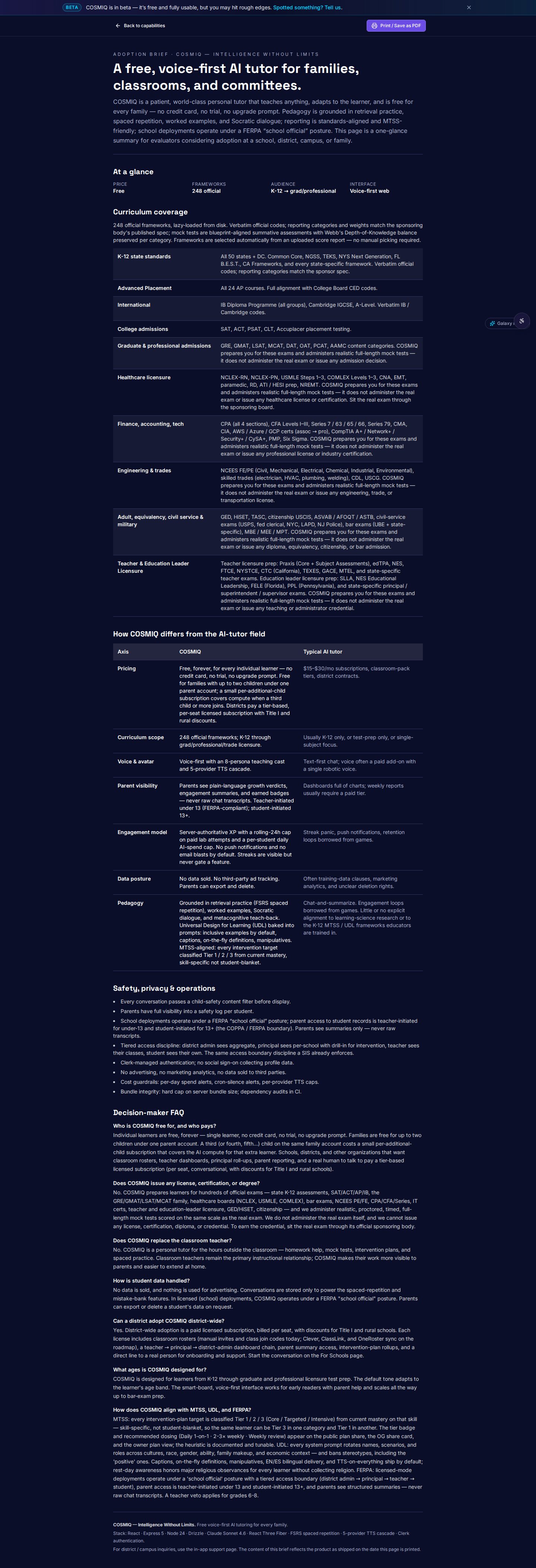
Once you’ve uploaded your PDF homework and the AI has analyzed it, the real magic begins. You can start crafting guided lessons that align with your teaching goals. The AI can generate explanations, suggest relevant examples, and even offer quizzes based on the material. Think of this as having a co-teacher who provides insights and resources tailored to your curriculum.
For instance, if your PDF worksheet focuses on algebra, the AI might generate step-by-step solutions to problems, along with explanations of key concepts like variables and equations. You can present this information alongside the original worksheet, giving students a comprehensive learning experience. Moreover, you can adjust the level of detail based on the students’ needs, ensuring that everyone can keep pace with the lesson. A student who understands the basic principle can be directed to more complex problems, while another who struggles can receive additional foundational support.
The guided lessons can also include tips and tricks for solving similar problems. For example, if a student is working on quadratic equations, the AI can suggest various methods for factoring or completing the square, depending on the student's familiarity with these techniques. This not only helps students understand their current tasks but also prepares them for future challenges.
Feedback and Assessment with AI
One of the standout features of using an AI worksheet solver is the ability to provide immediate feedback. As students work through the guided lesson, the AI can track their progress and offer real-time assistance. If a student gets a question wrong, the AI can guide them through the correct answer, explaining where their reasoning might have faltered.
This instant feedback loop is invaluable for both teachers and students. For teachers, it means less time grading and more time teaching. You can focus on creating engaging lesson plans while the AI helps monitor student understanding. For students, it means they can learn from their mistakes without feeling discouraged—an essential factor in building confidence in any subject. Think about how powerful it is for a student to immediately see where they went wrong and how to correct it rather than waiting for a teacher to review their work days later.
Beyond just corrections, the AI can also compile analytics on student performance over time. Imagine being able to look at a dashboard that shows which concepts students struggle with the most. This data allows you to fine-tune your teaching strategies, focusing on areas that need improvement. It can spark conversations about learning patterns and help identify students who may benefit from additional support.
Case Studies of Success
Let’s dive into some real-world examples of how educators have used AI worksheet solvers to enhance their lessons. A high school math teacher, Ms. Young, had been struggling to engage her students in geometry. By using a PDF homework solver to upload her traditional worksheets, she was able to create interactive lessons that included 3D visualizations and guided problem-solving sessions.
Students reported feeling more engaged and better understood complicated concepts, all thanks to the tailored lessons generated by the AI. They could work at their own pace, revisiting challenging problems as needed. The results? Improved test scores and, more importantly, increased enthusiasm for the subject. Ms. Young found that students who previously dreaded geometry were now excited about tackling new challenges.
Another example comes from a middle school science teacher, Mr. Davis, who incorporated scan worksheet AI into his classroom. After converting his handwritten notes on ecosystems into digital format, he generated engaging lessons that combined videos, quizzes, and interactive diagrams. His students thrived as they explored the material through various formats. Those who struggled with textbook reading found new ways to connect with the subject matter. This innovative approach not only improved their comprehension but also fostered a collaborative learning environment where students could share insights and discoveries.
Challenges and Considerations
While the benefits of using an AI worksheet solver are clear, there are challenges to consider. For one, technology can sometimes falter. The accuracy of the AI’s interpretations relies heavily on the quality of the input. If your PDF homework is scanned poorly or the handwriting is illegible, you might not get the desired results.
Moreover, the reliance on technology can lead to concerns about data privacy. Always ensure that the software you use complies with educational standards concerning student data. Read the fine print, and don’t hesitate to reach out to the service provider if you have questions about how your data will be used. It's crucial to balance the convenience of tech with the responsibility of safeguarding student information.
Another challenge is the potential for over-reliance on technology. While AI can enhance learning, it shouldn't replace the essential human elements of teaching. Students still need face-to-face interaction and guidance. As an educator, it's vital to strike a balance, using AI tools as a supplement to your teaching rather than a crutch. This balance can ensure that students develop their critical thinking and problem-solving skills, rather than relying solely on AI-driven solutions.
Integrating AI Tools into Your Teaching Strategy
Adopting an AI worksheet solver isn't just about using technology—it's about integrating it into your teaching philosophy. Think of how you can create a blended learning environment by combining traditional teaching methods with AI-driven solutions. This approach can cater to different learning styles, making education more inclusive.
For instance, you might have a lesson that introduces a new math concept through a direct teaching session. Afterward, students can upload PDF homework that relates to that lesson. By using the AI worksheet solver, they can receive immediate feedback while you circulate the room, providing personalized support to those who need it most. This way, students who grasp the material quickly can work ahead while you assist those who are still catching up. This balance can lead to a more dynamic classroom environment.
Consider also the social aspect of learning. Group work can be enhanced by using AI tools to analyze group submissions. By having students upload PDF homework in teams, they can compare their answers with AI-generated solutions. This not only fosters collaboration but also allows students to have discussions about their reasoning and thought processes. Encouraging students to explain their answers to each other can deepen their understanding and promote a culture of shared learning.
The Future of Education with AI
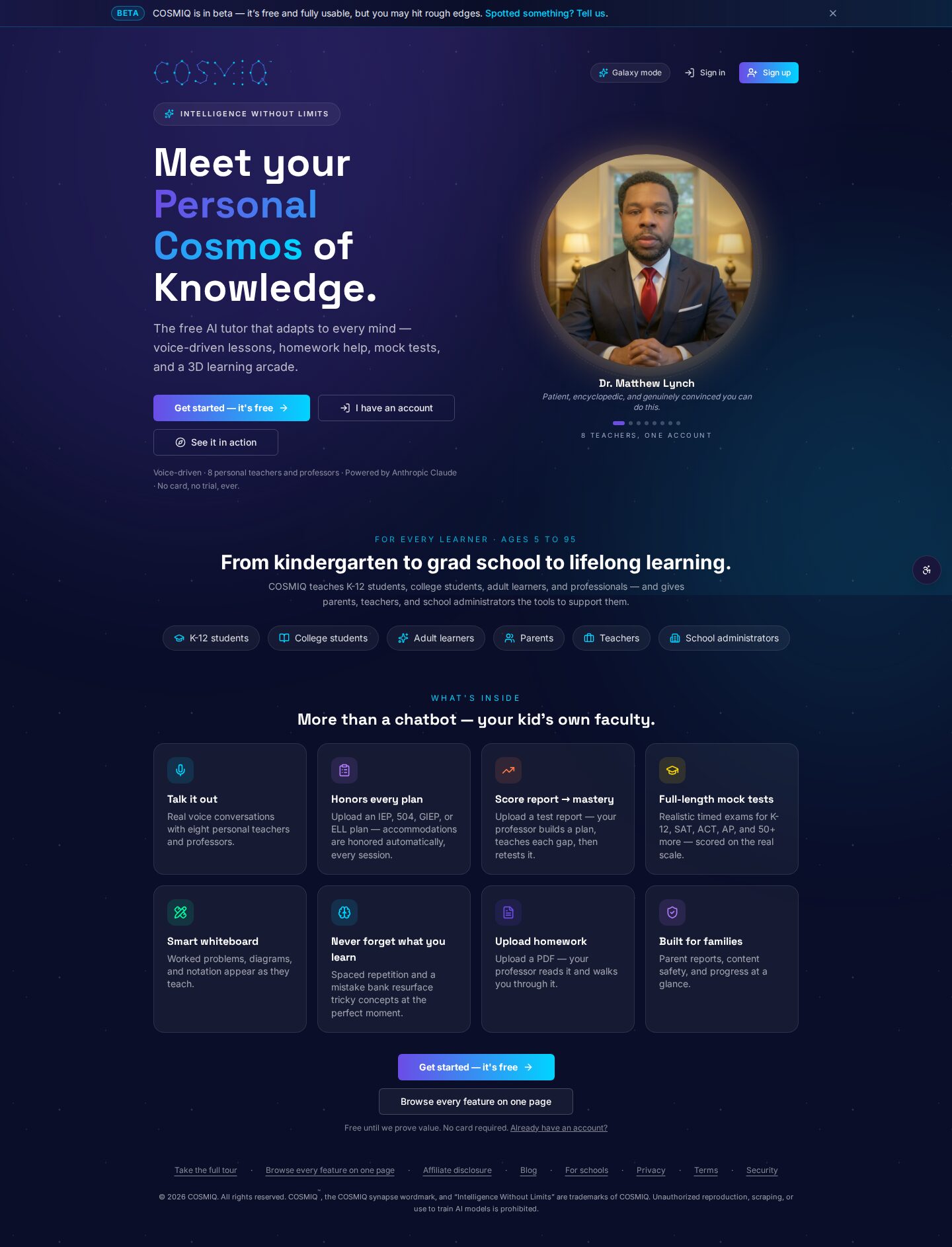
As artificial intelligence continues to evolve, so too will its applications in education. The future of learning could see AI worksheet solvers becoming even more sophisticated, offering features that we can only begin to imagine today. Personalized learning paths could be developed, where the AI tailors content specifically to each student’s strengths and weaknesses.
Picture an AI that knows a student struggles with certain algebra concepts and proactively recommends additional practice problems or resources. This kind of responsiveness could revolutionize the way we think about teaching and learning. With continuous improvements in natural language processing and machine learning, the interaction between students and these tools will only become more intuitive and responsive.
Moreover, as AI technology matures, we might see the incorporation of virtual reality (VR) and augmented reality (AR) into these educational tools. Imagine a student using an AI worksheet solver that not only provides solutions but also allows them to visualize concepts in a 3D space or interact with simulations of scientific experiments. This engaging approach could enhance understanding and retention, making learning more enjoyable and effective.
Final Thoughts on Embracing AI in Education
As we move forward in an increasingly digital age, embracing tools like the AI worksheet solver can make a significant difference in educational practices. By uploading PDF homework and utilizing the scan worksheet AI functions, you can create dynamic, engaging lessons tailored to your students’ needs. It’s not just about efficiency; it’s about enhancing the learning experience.
So why not give it a try? Take a look at the worksheets you have lying around and think about how you can transform them into guided lessons. The future of teaching is here, and it’s filled with exciting possibilities. With each step you take toward incorporating AI in your classroom, you’re investing in a more engaging and effective educational experience for your students.
Expanding the Role of AI in Collaborative Learning
One of the emerging discussions around AI in education revolves around its impact on collaborative learning. With the rise of remote learning and hybrid classrooms, collaborative projects can sometimes feel disjointed. This is where AI can play a crucial role, fostering teamwork even when students are physically apart. Imagine an AI worksheet solver that allows students to upload PDF homework in groups and analyze their combined efforts.
This collaboration can extend beyond mere text analysis; AI can facilitate group discussions by providing insights into common errors or successful strategies. Think about a scenario where students must work together on a science project. The AI could analyze each member's contributions and generate feedback on how to integrate their findings cohesively. This fosters a sense of responsibility and teamwork, teaching students how to collaborate effectively in a digital age.
In addition, AI can suggest peer review opportunities by identifying which students excel in certain areas. For example, if one student has a strong grasp of algebra while another struggles, the AI can recommend they work together. This not only aids the student who needs help but also reinforces the tutor's understanding of the material, creating a win-win situation.
Building Digital Literacy with AI Tools
As we integrate AI into the educational landscape, we must also consider the importance of building digital literacy among students. The use of AI worksheet solvers presents an excellent opportunity to teach students how to navigate digital tools effectively. Students need to understand not only how to use these resources but also the underlying technology.
Consider incorporating lessons that explain how AI works in a simplified manner. Teach students about algorithms, data input, and the importance of clear communication when interacting with AI tools. This knowledge can empower them to become proficient users, capable of leveraging technology to enhance their own learning.
Furthermore, discussions about the ethical implications of AI are essential. Encourage students to think critically about how AI impacts their lives and the world around them. This might involve debates on topics like data privacy, bias in AI algorithms, and the future of work in an AI-driven world. By equipping students with both the technical skills and ethical considerations of AI, we prepare them for a future where digital literacy will be paramount.
Related resources: PDF homework solver
Learn anything, free.
COSMIQ is a free, voice-driven AI tutor for every learner. No credit card, ever.
Start learning free →