AI's Shadow: How Suspicions Impact Student-Teacher Trust

The rapid integration of artificial intelligence into daily life, including education, has brought with it both exciting possibilities and significant challenges. Among these challenges, a new report from Education Week points to a particularly sensitive issue: the potential for AI-related suspicions to undermine the fundamental trust between students and teachers. This erosion of trust, according to Education Week, can have far-reaching implications for the learning environment and the overall educational experience.
As AI tools become more sophisticated and accessible, educators are grappling with how to distinguish between genuine student work and content potentially generated or heavily assisted by AI. This uncertainty, while understandable, can inadvertently foster an atmosphere of suspicion that impacts the very core of the student-teacher relationship.
The Shifting Landscape of Academic Integrity
For generations, academic integrity has been built on the premise of students submitting their own original work. The advent of readily available AI writing tools and other generative AI applications has complicated this, creating new dilemmas for teachers. Education Week's reporting suggests that teachers are increasingly finding themselves in a position where they must scrutinize student submissions with a new level of skepticism. This isn't about a lack of faith in students, but rather a struggle to adapt traditional assessment methods to a rapidly evolving technological landscape.
When a teacher suspects a student might have used AI inappropriately, it can lead to difficult conversations, disciplinary actions, and, most importantly, a breakdown in the crucial trust that underpins effective teaching and learning. Students, in turn, may feel unfairly targeted or mistrusted, regardless of whether they used AI or not. This can create a defensive posture that hinders open communication and a positive learning dynamic.
Impact on Classroom Dynamics and Student Well-being
The implications of this growing suspicion extend beyond just grading. A classroom environment where trust is diminished can affect everything from participation to student motivation. If students feel their efforts are constantly being questioned, they may become less engaged, less willing to take risks, and less likely to seek help from their teachers. This can be particularly detrimental for students who are already struggling or those who might benefit most from a strong, supportive teacher relationship.
Furthermore, the focus on detecting AI can inadvertently shift attention away from the core purpose of education: fostering critical thinking, creativity, and genuine understanding. Teachers might spend more time on detection strategies rather than on innovative pedagogical approaches that integrate AI responsibly and effectively. It's a delicate balance, and Education Week's insights highlight the need for thoughtful strategies that protect academic integrity without sacrificing the relational aspects of education.
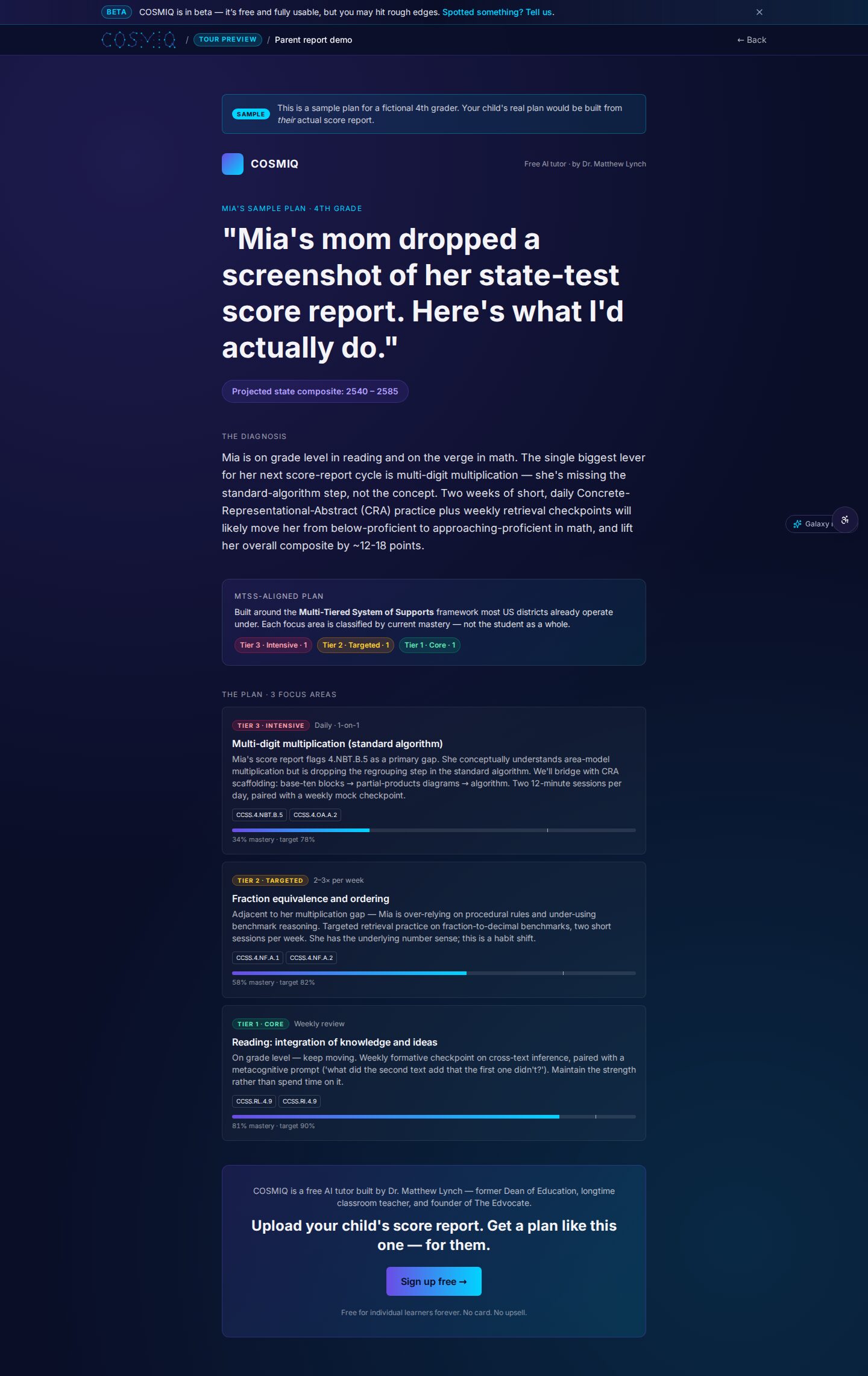
Platforms like COSMIQ, a free voice-driven AI tutor, offer a different perspective by focusing on supporting student learning and understanding. By providing personalized, interactive help, tools like COSMIQ can empower students to genuinely master concepts, reducing the temptation or perceived need to rely on AI for generating final answers. Students can access free learning support for K-12 subjects and exam prep at COSMIQ, fostering independent learning.
Strategies for Rebuilding and Maintaining Trust
Addressing the challenges posed by AI suspicions requires a multi-faceted approach. Education Week's findings implicitly suggest that open communication and clear policies are paramount. Here are some practical steps that educators, parents, and students can consider:
- Establish Clear Guidelines: Schools and individual teachers need to develop clear, transparent policies regarding the acceptable and unacceptable use of AI tools. These guidelines should be communicated effectively to students and parents.
- Educate on Responsible AI Use: Instead of simply banning AI, educators can teach students how to use AI tools ethically and effectively as learning aids, not as substitutes for their own thinking and effort. This includes understanding the limitations and biases of AI.
- Rethink Assessment Methods: Teachers might need to adapt their assessment strategies to make AI use less advantageous or more easily detectable. This could involve more in-class assignments, oral presentations, project-based learning, or assessments that require deeper critical thinking and personal reflection that AI struggles to replicate.
- Foster Dialogue: Encourage open conversations with students about academic integrity, the role of AI in their learning, and the importance of trust in the classroom. Understanding student perspectives can help bridge the gap.
- Leverage AI for Learning, Not Just Answers: Tools that help students understand concepts rather than just provide answers can be incredibly valuable. For instance, the free practice hub by grade and subject offered by COSMIQ allows students to hone their skills and build confidence through self-directed practice.
Conclusion
The concerns raised by Education Week regarding AI suspicions and their impact on student-teacher relationships are a critical reminder that technology, while powerful, must be integrated thoughtfully into the educational ecosystem. Maintaining and rebuilding trust requires a concerted effort from all stakeholders – educators, students, and parents. By focusing on clear communication, responsible AI integration, and innovative teaching practices, the education community can navigate the complexities of AI while preserving the invaluable human connections at the heart of learning.
Learn anything, free.
COSMIQ is a free, voice-driven AI tutor for every learner. No credit card, ever.
Start learning free →