An AI Tutor Aligned to Alabama's State Standards

Imagine having a personal tutor who knows exactly what you need to learn, right at your fingertips. That’s the promise of AI tutors, especially those designed to align with the Alabama curriculum and Alabama learning standards. These tools are not just fancy tech; they can genuinely enhance the educational experience for students across the state.
Understanding the Alabama Curriculum
The Alabama curriculum serves as a roadmap for educators, outlining what students should know and be able to do at each grade level. It’s a comprehensive guide that focuses on essential skills and knowledge across various subjects. But why is this so crucial? Well, having a unified curriculum helps ensure that every student, regardless of where they are in the state, has access to the same quality of education.
For instance, if a fifth grader in Birmingham learns about fractions, a fifth grader in Mobile should be learning the same concepts at the same level of depth. This uniformity is vital because it provides a consistent learning experience, making it easier to assess and compare student performance across different districts. The Alabama curriculum serves not just as a checklist, but as a foundation for educational equity.
Moreover, this curriculum is periodically updated to reflect the changing educational landscape. This ensures that the skills and knowledge students acquire are relevant to their future, whether they pursue higher education or enter the workforce. The Alabama curriculum incorporates input from educators, industry experts, and community stakeholders to ensure its relevance and applicability.
What Are Alabama Learning Standards?
Alabama learning standards are specific objectives that detail what students should achieve within the broader Alabama curriculum. They break down the curriculum into manageable chunks, allowing teachers to focus on delivering targeted instruction. Think of these standards as benchmarks that guide teachers in their lesson planning and assessment strategies.
Let’s say a standard in math requires students to understand multi-digit multiplication by the end of fourth grade. An AI tutor can take this standard and create tailored lessons that align perfectly with it, ensuring no student falls behind. This alignment not only enhances lesson effectiveness but also gives students a clearer understanding of their learning path.
Furthermore, the Alabama learning standards provide a clear framework for assessment. By having a well-defined set of expectations, educators can create assessments that accurately measure student understanding. For instance, if a student excels in a math standard but struggles with a reading standard, targeted interventions can be designed to address that specific area, offering a tailored educational experience.
The Role of AI Tutors in Education
So, what exactly do AI tutors bring to the table? First off, they provide personalized learning experiences. Everyone learns differently, and AI can adapt its teaching methods to suit individual needs. If a student struggles with a particular concept, the AI can offer additional practice problems or alternative explanations until the student grasps the material.
Moreover, these tutors can analyze a student’s performance in real-time. If a student consistently misses questions on a specific topic, the AI can identify that gap and adjust its teaching approach. This kind of immediate feedback is invaluable, allowing for timely interventions that can prevent a student from falling behind.
To illustrate this, consider a student who finds geometry particularly challenging. An AI tutor can start by assessing their initial understanding through a series of diagnostic questions. Based on their responses, the tutor can provide tailored instructional content, breaking down complex concepts into simpler, digestible parts. This ensures that the student builds a strong foundation before moving on to more advanced topics.
Imagine the power of having a tutor that not only helps with homework but also actively participates in the learning journey. The future of education lies in leveraging AI to create these adaptive learning experiences that are both engaging and effective.
Integration with Alabama's Standards

When integrating AI tutors into the classroom, alignment with the Alabama curriculum and Alabama learning standards is key. The best AI tutors are explicitly designed to reflect these standards, ensuring that every lesson not only meets educational requirements but also engages students in meaningful ways.
Take, for example, a science unit on ecosystems. An AI tutor can provide lessons and quizzes based directly on the Alabama learning standards for that grade level. It can present interactive simulations that allow students to observe real-world ecological interactions, thus fulfilling both the curriculum requirements and fostering a love for learning.
This integration goes beyond simple alignment; it also encourages interdisciplinary learning. An AI tutor might incorporate elements of math and language arts into a science lesson, helping students make connections across subjects. For example, while studying ecosystems, students could analyze data related to animal populations (math) and write reports about their findings (language arts). This holistic approach not only meets various standards but also enriches the overall learning experience.
Benefits for Teachers and Students
AI tutors don’t just benefit students; they also support teachers. With the demands of lesson planning, grading, and classroom management, teachers often find themselves stretched thin. An AI tutor can alleviate some of this burden by offering supplementary materials and assessments aligned with the Alabama curriculum.
Imagine a teacher preparing for a lesson on the water cycle. Instead of starting from scratch, they can access AI-generated resources that not only align with the Alabama learning standards but also come with built-in assessments. This saves time and allows teachers to focus more on engaging with their students.
In addition, AI tutors can help identify trends in student performance data, providing teachers with insights that inform their instructional strategies. For instance, if data shows that a significant number of students struggle with a particular math standard, the teacher can adjust their lesson plans to spend more time on that area. This data-driven approach allows for more informed decisions, ultimately benefiting student learning.
Challenges and Considerations
Of course, like any educational tool, AI tutors come with challenges. One major concern is equity of access. Not every student has the same access to technology at home. Schools need to ensure that all students can benefit from AI tutors, whether through school-provided devices or access to technology labs.
Additionally, there’s the issue of ensuring the content remains current and aligned with any updates to the Alabama curriculum. Regular updates are essential, as the educational landscape can change quickly, and the AI needs to reflect those shifts accurately.
Another challenge is the need for teacher training. Educators must be comfortable using AI tools and integrating them into their teaching practices. Professional development opportunities should be made available to help teachers understand how to leverage AI effectively while still maintaining a personal connection with their students.
Future Prospects for AI in Alabama Education
Looking ahead, the future of AI tutors in alignment with Alabama’s educational standards appears bright. As technology continues to advance, these tools will likely become even more integrated into classroom settings. Imagine classrooms where AI not only assists with instruction but also helps guide curriculum development based on real-time student performance data.
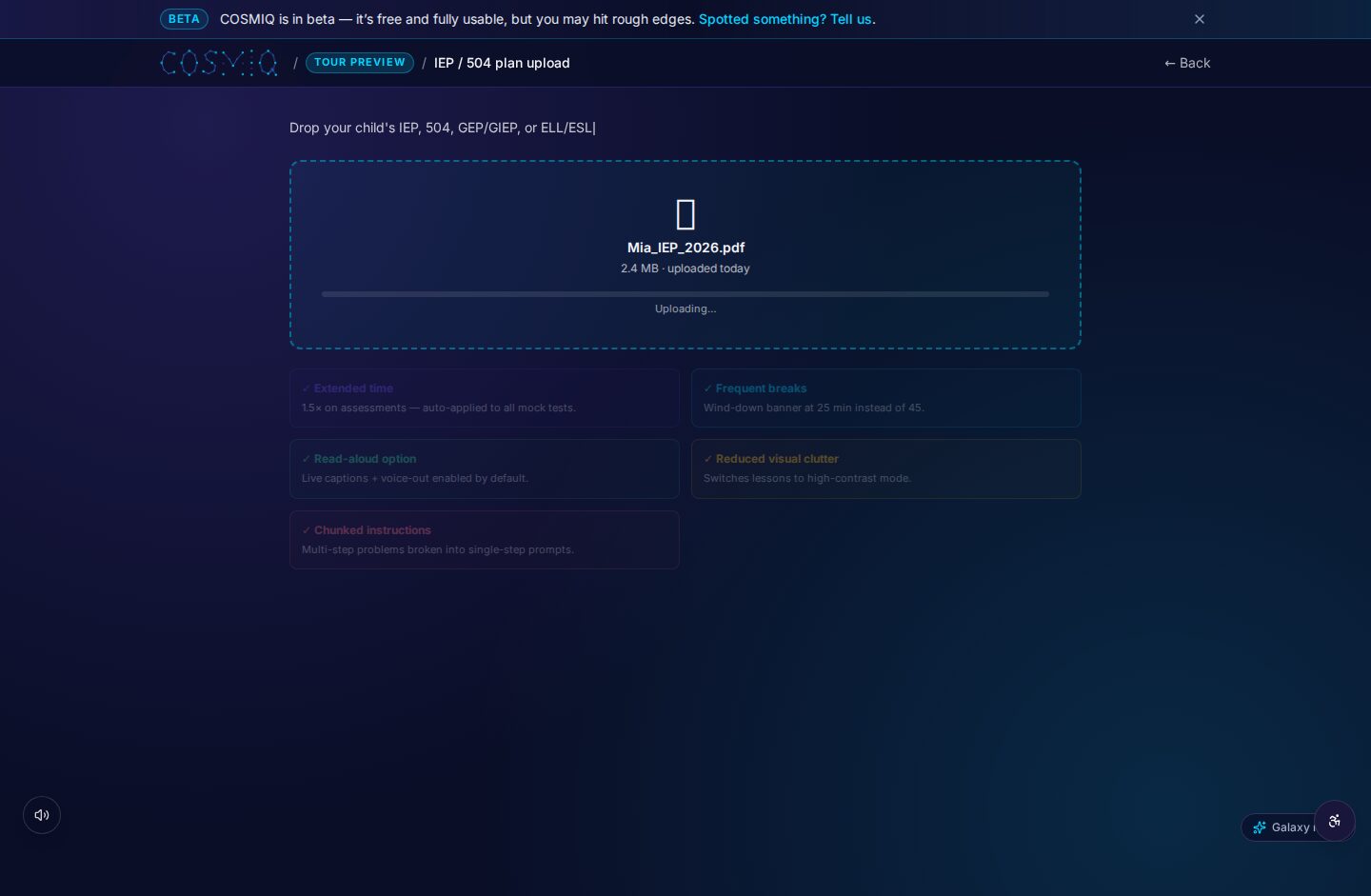
This means that education could become more dynamic, with curricula adapting to student needs rather than being a one-size-fits-all model. Schools could focus on areas where students excel, while also providing additional support where needed, making the educational experience richer and more effective.
Additionally, as AI technology evolves, we might see tutors that can harness natural language processing to interact with students in a more conversational manner. This could lead to a more engaging learning experience, as students feel they’re truly conversing with a tutor who understands their challenges and successes.
A Call to Action for Educators
For educators in Alabama, embracing AI tutors aligned with state standards isn't just an option; it's becoming a necessity. By incorporating these tools into your teaching strategy, you can provide a more personalized and effective learning experience for your students. Start by exploring the various AI platforms available and see how they can be tailored to align with your specific classroom needs.
In a world where educational demands are constantly evolving, staying ahead of the curve means investing in innovative solutions that work for every learner. Together, we can harness the power of AI to help every Alabama student thrive.
The Importance of Parental Involvement
While AI tutors provide significant support in the classroom, parental involvement plays an equally crucial role in a child’s education. Parents can reinforce what is learned in school by engaging with AI tools at home. It’s not just about having access; it’s about parents being proactive in their children’s learning journey.
For example, if a parent notices that their child is struggling with a specific topic, they can utilize AI tutor resources to provide additional practice. This collaboration between parents and AI tutors can create a more comprehensive support system for students, ensuring that they receive help both at school and at home.
Furthermore, educators can encourage this involvement by providing parents with insights into how they can best support their children. Workshops or informational sessions about using AI tools effectively can empower parents, leading to better educational outcomes for students. Together, educators and parents can create a strong network that fosters academic success.
Creating a Culture of Innovation and Adaptability
Finally, it’s essential for schools to cultivate a culture of innovation and adaptability in the face of new educational technologies. This isn't just about implementing AI tutors; it's about creating an environment where both teachers and students feel empowered to experiment with new learning methods.
Schools should foster professional development opportunities that allow teachers to collaborate on best practices in using AI. Sharing successes and challenges can lead to improved strategies and outcomes. In addition, encouraging students to embrace technology as a tool for learning can instill a mindset of curiosity and adaptability that will serve them well beyond the classroom.
By making innovation a core value, schools can ensure that they are not just keeping up with educational trends, but leading the way in providing students with the best possible learning experiences.
Learn anything, free.
COSMIQ is a free, voice-driven AI tutor for every learner. No credit card, ever.
Start learning free →