An AI Tutor Aligned to Arkansas's State Standards

In recent years, technology has made significant strides in education, and artificial intelligence (AI) is at the forefront of this revolution. Imagine having a virtual tutor available 24/7, ready to assist students with their learning needs. This isn't just a dream; it’s becoming a reality. And with the Arkansas curriculum and Arkansas learning standards guiding this innovation, we're witnessing an educational transformation that could benefit students across the state.
The Role of AI in Education
AI's involvement in education isn't just about automating tasks or grading papers. It's about creating personalized learning experiences tailored to individual students. Think about it—every student learns differently. Some grasp concepts quickly, while others may need more time and varied approaches. An AI tutor can adjust its teaching methods based on the unique needs of each learner. For example, if a student struggles with algebra, the AI can provide supplemental resources and exercises specifically designed to address that gap.
Moreover, the data collected by these AI systems can help educators identify trends and areas where students generally struggle. This means teachers can focus their efforts more effectively, ensuring that no child is left behind. By aligning AI’s capabilities with the Arkansas curriculum, we can create a customizable learning platform that meets state standards while addressing the individual needs of learners.
The effectiveness of AI in education can also be visualized through real-life examples. For instance, consider a student named Sarah who’s working on her reading skills. The AI tutor assesses her reading level in real-time and finds that she’s struggling with comprehension. Instead of merely pushing her along with generic texts, the AI selects materials that not only fit her reading level but also pique her interests—say, articles about animals or tales from different cultures. It adapts the lesson based on her preferences and past performance, ensuring that her learning experience is engaging and effective.
Understanding Arkansas Curriculum and Learning Standards
The Arkansas curriculum is designed to prepare students for both academic success and real-world challenges. It emphasizes critical thinking, problem-solving, and collaboration. The Arkansas learning standards outline the skills students should acquire at different grade levels, ensuring a consistent and high-quality education across the state. These standards aim to foster not only knowledge but also the necessary skills for life beyond school.
Incorporating AI into this framework can enhance educational outcomes. For instance, by using data from the Arkansas learning standards, AI tutors can tailor their lessons to ensure compliance with these benchmarks. They can help students master the required skills while also making learning engaging and enjoyable. With interactive lessons that utilize gamification and adaptive learning techniques, students are likely to stay motivated and retain more information.
Let's take a closer look at how AI can align with specific Arkansas learning standards. In mathematics, for example, the standards advocate for a deep understanding of number theory by certain grade levels. An AI tutor can provide a variety of problem-solving techniques, from visual aids like number lines to interactive games that reinforce these concepts. By tracking a student's progress through these activities, the AI can adjust the difficulty level in real-time, ensuring that every student remains challenged yet not overwhelmed.
Benefits of AI Tutors for Arkansas Students
So, what exactly are the benefits of integrating AI tutors into the classrooms of Arkansas? First, accessibility. Not every student has access to after-school tutoring, but with AI, resources are available anytime. This can be particularly beneficial for students in underserved areas where educational resources may be limited. Imagine a student in a small town who can access the same quality of educational support as someone in a metropolitan area.
Second, personalized learning paths. With AI, students can progress at their own pace. If a student masters a topic quickly, the AI can seamlessly move them forward, whereas it can spend more time reinforcing concepts for those who need it. This flexibility helps keep students engaged and reduces frustration.
Additionally, AI tutors can provide instant feedback, something that is crucial for effective learning. For instance, if a student answers a math problem incorrectly, the AI can immediately highlight the mistake and suggest resources or alternative methods to solve similar problems. This real-time interaction allows students to learn from their mistakes in a supportive environment. In contrast, traditional classroom settings might not always offer immediate feedback due to time constraints.
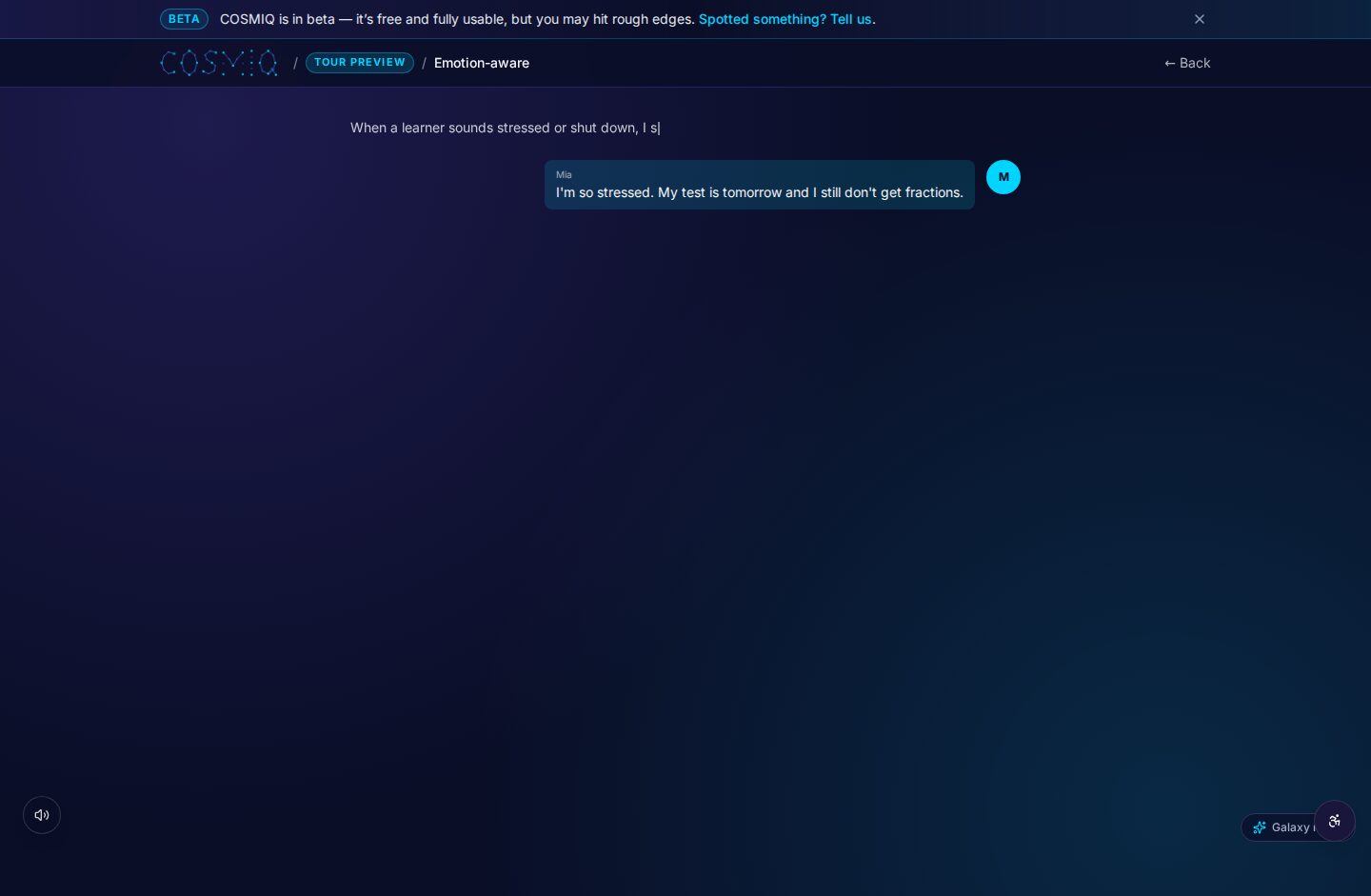
Let's also consider the emotional support AI can provide. While it’s true that it can't replace human interaction, an AI tutor can offer encouragement and motivation. Many students experience anxiety when approaching difficult subjects. With a non-judgmental AI tutor that can remind them of their previous successes and encourage them to keep trying, students may feel more empowered to tackle challenging material. Research suggests that positive reinforcement, even from an AI, can boost a student's confidence and willingness to engage with tough topics.
Challenges and Limitations
Despite the promise of AI tutors, there are challenges to consider. One major concern is equity. Not all students have equal access to technology, which can create disparities in learning opportunities. Schools must ensure that all students have access to the necessary devices and internet connectivity to benefit from AI tutoring.
Furthermore, while AI can provide personalized learning experiences, it lacks the human touch. Teachers play a crucial role in education, offering empathy, encouragement, and social interaction that AI simply cannot replicate. It's vital that AI tutors complement, rather than replace, the invaluable role of educators.
Another challenge lies in the reliability and accuracy of the AI itself. If the AI tutor does not have up-to-date information or encounters a bug, it can lead to misinformation being presented to students. Ensuring that AI tools are regularly updated and that they align with the Arkansas curriculum and learning standards is essential. Schools need to partner with reputable tech companies to mitigate these issues.
Data privacy is yet another concern. As AI tutors collect data on student performance, it’s crucial that schools implement robust security measures to protect this information. Parents need reassurance that their children’s data will not be misused or exploited. Transparency in how data is used and shared is necessary to build trust among educators and families alike.
Implementing AI Tutors in Arkansas Schools
To implement AI tutors effectively in Arkansas schools, collaboration between technology developers, educators, and policymakers is crucial. Educational institutions should seek partnerships with tech companies that specialize in AI development. Together, they can create solutions that adhere to the Arkansas learning standards while also addressing the specific needs of Arkansas students.
Training teachers to use AI tools is equally important. Teachers need to feel comfortable and confident in integrating technology into their classrooms. Professional development programs focused on AI in education can help educators understand how to leverage these tools for maximum impact. Schools must foster a culture of innovation, encouraging teachers to experiment with AI and share their experiences.
Moreover, involving parents in the process can enhance the effectiveness of AI tutors. Schools can conduct workshops to educate parents about the AI tools available and how they can support their children at home. By creating a partnership between educators, parents, and AI technology, we can create a comprehensive support system that benefits students.
It's also crucial to continually assess the effectiveness of AI tutors. Schools should establish metrics to evaluate their impact on student learning outcomes. For instance, by analyzing test scores and engagement levels before and after AI tutor implementation, educators can gain valuable insights into what works and what doesn’t. This ongoing feedback loop will help refine the AI tools and ensure they meet the needs of Arkansas students.
Future of AI in Education in Arkansas
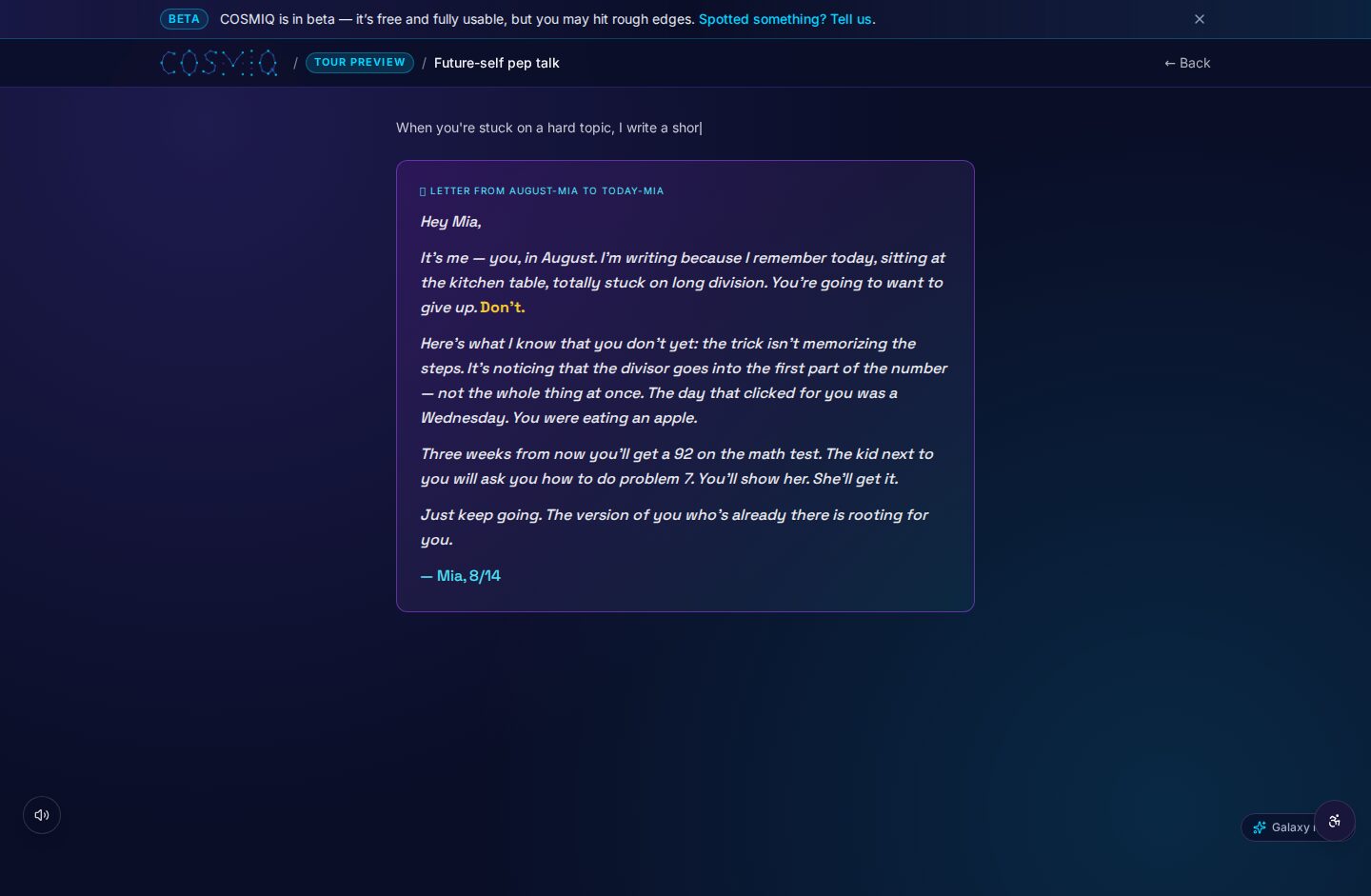
Looking ahead, the potential for AI in Arkansas education is immense. As technology continues to evolve, AI tutors will become increasingly sophisticated. They may incorporate features like natural language processing, enabling them to engage in conversations with students and provide instant feedback.
The future might also see more integration with existing educational platforms, allowing AI tutors to seamlessly blend into the classroom experience. Imagine a scenario where AI tutors are not just standalone applications but embedded within the curriculum, enhancing each lesson while ensuring alignment with the Arkansas curriculum.
Furthermore, advancements in AI could lead to the development of tutors that can accommodate multiple languages and learning disabilities. This inclusivity would allow schools in Arkansas to cater to a diverse student population, ensuring that every learner has the tools they need to succeed. AI could facilitate personalized learning experiences for non-native speakers or students with special needs by adapting content delivery and pacing.
As we envision this future, continuous dialogue among stakeholders—educators, technologists, parents, and students—will be essential. Regular feedback sessions can help shape the development of AI tools to ensure they genuinely serve educational goals. The more voices included in this conversation, the more effective and equitable the solutions will be.
The Role of Community and Stakeholders
Building a successful AI tutoring program in Arkansas schools isn't just about technology—it's about community involvement and support. Engaging with local communities can provide valuable insights into the unique challenges and needs that students face in different regions of the state. Schools can conduct surveys or focus groups to gather feedback from parents, students, and community leaders.
For example, a rural community might express concerns about internet access, while an urban area may focus on the need for multilingual support. By understanding these distinct perspectives, schools can tailor their AI solutions more effectively. Additionally, community partnerships can also help provide funding or resources to support the implementation of AI tutors.
Moreover, local businesses and organizations can play a crucial role in promoting the use of AI in education. They can offer internships or mentorship programs that tie into the AI curriculum, providing students with real-world applications of what they learn. This creates a bridge between education and the workforce, preparing students for future careers.
Incorporating community feedback and support creates a sense of ownership and investment in the education of local students. When stakeholders feel involved, they are more likely to advocate for and support educational initiatives, including the integration of AI technology.
Conclusion: The Path Forward
The integration of AI tutors aligned with Arkansas's state standards presents a unique opportunity to enhance educational outcomes for students across the state. While challenges exist, the benefits of personalized learning, accessibility, and data-driven insights can create a more equitable and effective educational landscape. By navigating these challenges thoughtfully, Arkansas can lead the way in educational innovation that truly meets the needs of all its students. As we move forward, the collaboration between educators, technology developers, and policymakers will be crucial in shaping the future of learning in Arkansas.
Learn anything, free.
COSMIQ is a free, voice-driven AI tutor for every learner. No credit card, ever.
Start learning free →