An AI Tutor Aligned to California's Standards

Understanding California's Educational Landscape
California's education system is vast, diverse, and constantly evolving. With millions of students across various backgrounds, the state has implemented specific guidelines known as the California Learning Standards. These standards serve as a framework to ensure that students across the state receive a consistent and high-quality education. They cover various subjects and grade levels, providing educators a structured approach to curriculum design and assessment. But what does this mean for you as a parent or educator? It means that understanding these standards can significantly impact how students engage with their education.
The California Curriculum is designed to address the needs of all students, including those with unique challenges. This inclusivity is crucial as it fosters an environment where every child has the opportunity to succeed. But how do we ensure that our students not only meet but exceed these standards? Enter the role of technology, particularly AI tutors. With the rise of digital learning tools, students now have access to resources that can supplement traditional classroom instruction, making learning more engaging and effective.
Furthermore, as a parent or educator, knowing how the California Learning Standards are structured can aid in selecting the right educational tools and resources. The standards are divided into different categories, such as Language Arts, Mathematics, Science, and Social Studies, each having its specific goals and benchmarks. Understanding these categories allows you to better align your child’s learning experiences with what they should be mastering at any given grade level.
What is an AI Tutor?
AI tutors are digital learning aids that leverage artificial intelligence to provide personalized instruction to students. Unlike traditional tutoring methods that often rely on one-on-one human interaction, AI tutors can analyze a student’s performance in real-time and adjust their teaching strategies accordingly. They can offer customized practice problems, immediate feedback, and even track a student's progress over time.
Imagine your child struggling with a math problem. A traditional tutor might miss some nuances of their understanding due to limited time or attention. An AI tutor, however, can assess why a student is struggling—whether it's a misunderstanding of basic concepts or a lack of practice. With this data, it can provide targeted exercises that align with the California Curriculum, ensuring that the student is working on exactly what they need to improve.
AI tutors utilize algorithms to identify specific areas where a student excels or struggles, allowing for a tailored educational experience. For instance, if a student consistently performs well in geometry but struggles with algebra, the AI tutor can focus on reinforcing algebraic concepts while maintaining the geometry lessons to build confidence and competence.
Aligning AI Tutors with California Learning Standards
For an AI tutor to be effective, it must be aligned with the California Learning Standards. This alignment ensures that the content delivered meets the expectations set by the state. The California Curriculum is not just a checklist; it’s a comprehensive approach to skill development across subjects. An AI tutor can pull from this curriculum, presenting material that is relevant and necessary for the student’s grade level.
For example, if the learning standard requires that fifth graders master basic fractions, an AI tutor can present a series of problems that progressively increase in difficulty. It can offer visual aids, interactive exercises, and even games that make learning fractions engaging. By weaving in these standards, the AI tutor provides a structured yet flexible approach to learning.
Additionally, AI tutors can connect learning objectives not just to the current grade level but also to future standards. This forward-thinking approach ensures that students are not merely meeting the immediate requirements but are also being prepared for what's next. For instance, if a student is in third grade and has just completed a module on addition and subtraction, the AI can introduce concepts of multiplication and division in a way that aligns with fourth-grade standards, providing a seamless transition into more complex topics.
Benefits of AI Tutors in Meeting Educational Standards
There are several significant benefits to using AI tutors in education. First and foremost, they provide individualized learning experiences. Every student learns differently, and what works for one might not work for another. AI tutors adapt to each student's pace and style. This adaptability is crucial in a state as diverse as California, where students come from various cultural and socioeconomic backgrounds.
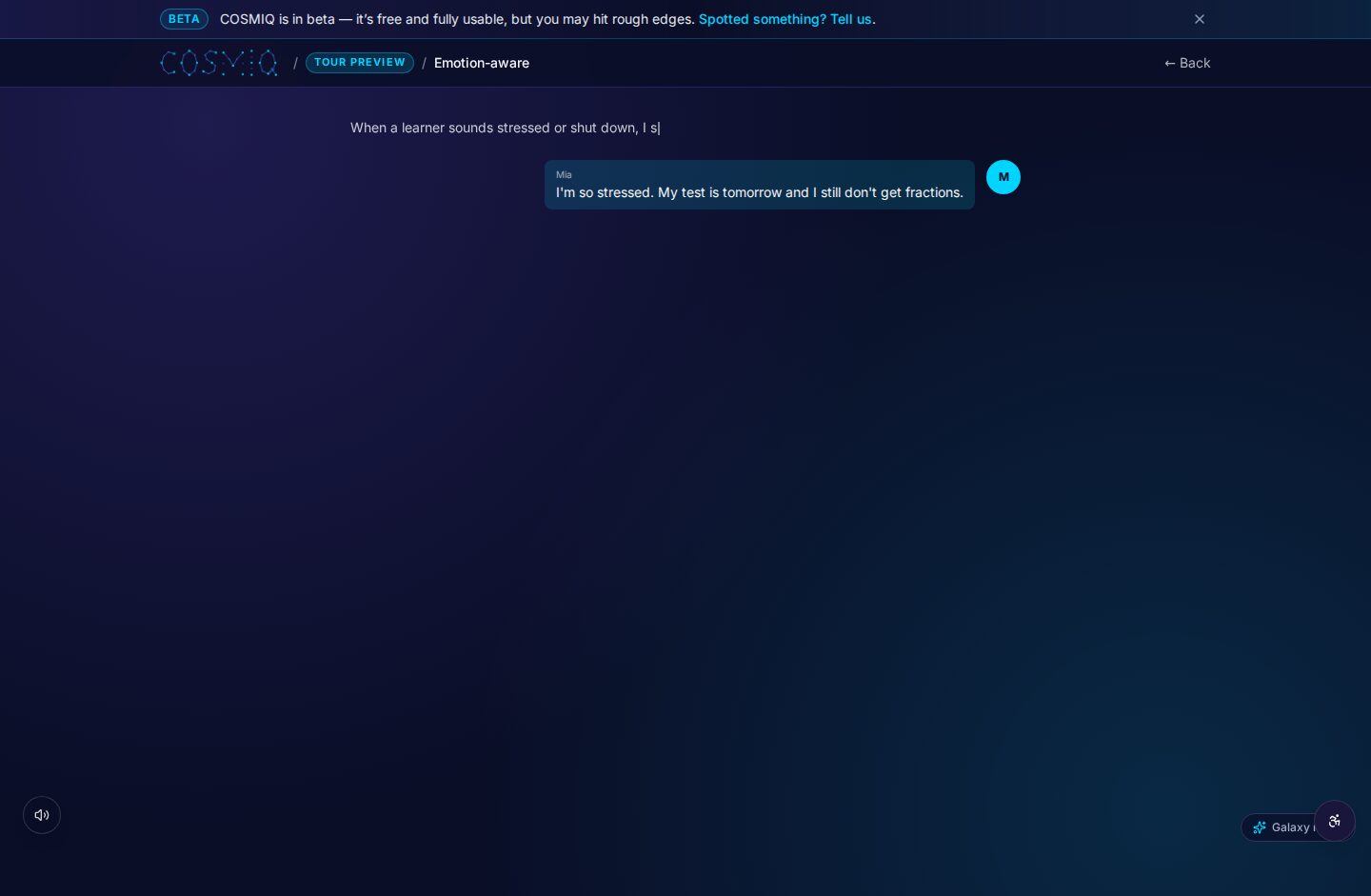
Additionally, AI tutors offer 24/7 availability. Unlike human tutors who may have limited hours, AI is there whenever your child needs help. This can be particularly beneficial for students who may struggle with time management and procrastination. Imagine a student who realizes they don’t understand a concept the night before a test—an AI tutor can provide instant help and resources without the stress of scheduling conflicts.
Another benefit of AI tutors is their ability to provide instant feedback. In a traditional classroom setting, a teacher may not have time to give immediate responses to every student, leading to delays in understanding. An AI tutor can correct a student's mistakes in real time, offering explanations and alternative methods that can reinforce learning. This immediate reinforcement plays a significant role in concept retention, especially for challenging subjects.
Real-World Applications of AI Tutors
Schools across California are beginning to implement AI tutors to complement traditional teaching methods. For instance, some districts are integrating these tools into their classrooms, allowing teachers to assign AI-driven exercises that reflect the California Curriculum. Students can use these systems during study hall or even at home, reinforcing what they’ve learned.
In one district, a middle school piloted an AI math tutor that helped students prepare for state assessments aligned with the California Learning Standards. The results were promising—students showed a marked improvement in their test scores and a better grasp of concepts. Teachers reported that the AI tutor not only helped students academically but also freed them up to focus on personalized instruction for those who needed additional support.
Additionally, some high schools are using AI tutors for advanced placement (AP) classes. These tutors provide students with resources and practice exams that are specifically designed to meet the rigorous standards set forth by the College Board, which align with California’s educational goals. Students have reported feeling more prepared and confident when taking these exams, thanks to the tailored practice and immediate feedback provided by AI.
Challenges and Limitations
While AI tutors have much to offer, they are not without their challenges. One major concern is the potential for over-reliance on technology. It’s vital that students still engage with human teachers and peers. Social skills, emotional intelligence, and collaborative learning experiences are essential parts of education that an AI tutor cannot replicate.
Another challenge is ensuring that the AI technology remains updated with the latest California Curriculum changes. Educational standards evolve, and keeping the AI aligned with these changes requires ongoing maintenance and development. If not properly managed, there’s a risk that the AI could present outdated or irrelevant content.
Moreover, access to technology is another significant hurdle. In California, where the economic divide can be stark, not every student has equal access to devices or high-speed internet. This digital divide may hinder some students from benefiting from AI tutoring, creating an inequity in educational opportunities. Schools and districts must work diligently to ensure all students can access these valuable resources.
The Future of AI Tutoring in California Education
Looking ahead, the integration of AI tutors in California’s educational system seems promising. As technology advances, we can expect these tools to become even more sophisticated, potentially incorporating features such as voice recognition and natural language processing. This would enable more interactive and engaging learning experiences.
Moreover, with ongoing developments in AI, we might see tutors that can also address social-emotional learning. Imagine an AI that can sense frustration or disengagement and respond accordingly, perhaps by offering a motivational quote or a break. This could create a more holistic approach to education, aligning not just with academic standards but also with student well-being.

The future may also hold possibilities for collaborative learning experiences facilitated by AI. For example, AI could group students who are working on similar concepts and facilitate virtual study sessions, allowing them to learn from each other while still receiving individualized attention. Such innovations could enhance peer interaction and develop essential teamwork skills.
Maximizing the Benefits of AI Tutors for Your Child
If you’re considering using an AI tutor for your child, there are several steps you can take to maximize its effectiveness. First, familiarize yourself with the California Learning Standards relevant to your child's grade level. This knowledge will help you choose an AI tutor that aligns well with those requirements, ensuring that your investment is worthwhile.
Next, encourage your child to engage with the AI regularly. Like traditional learning, consistency is key. Set aside specific times for them to use the tutor, and check in regularly to discuss what they’re learning. This involvement not only keeps the learning process active but also allows you to monitor their progress.
You should also encourage open communication. After your child engages with the AI tutor, ask them about their experiences. What concepts did they find challenging? What strategies did the AI suggest? This dialogue can reinforce learning and help you identify areas where further support may be needed.
Finally, balance is vital. While AI tutors are excellent resources, they should complement—not replace—traditional learning methods. Encourage your child to participate in group study sessions and seek help from teachers to ensure a well-rounded educational experience. Engage them in conversations about what they learn in school to further solidify their understanding.
Realizing the Potential of AI Tutors in California's Diverse Classrooms
California's classrooms are known for their diversity, and AI tutors can play a vital role in addressing the unique needs of each student. Students come from various cultural, linguistic, and socioeconomic backgrounds, and their learning styles can vary significantly. AI tutors can adapt content not just by subject but also by student needs.
For example, language learners can benefit from AI tutors that provide scaffolding in both their native language and English. By presenting instructions and practice problems in a student's first language, these tutors can help bridge gaps in understanding while still aligned with California Learning Standards, allowing students to progress in their academic subjects without the barrier of language.
Additionally, AI tutors can cater to students with learning disabilities by offering customized pacing and alternative formats for presenting material. If a student has difficulty with reading comprehension, the AI can present information through videos or interactive simulations that align with the California Curriculum but deliver content in more accessible formats.
Ultimately, the goal is for AI tutors to empower all students, regardless of their backgrounds or challenges, ensuring that everyone has the tools they need to succeed in their education.
The Role of Educators in Integrating AI Tutors
Learn anything, free.
COSMIQ is a free, voice-driven AI tutor for every learner. No credit card, ever.
Start learning free →