An AI Tutor Aligned to DC's Academic Standards

Understanding the DC Curriculum and Learning Standards
When it comes to education in Washington, D.C., the DC curriculum is a roadmap guiding teachers and students alike. It outlines what students should learn at each grade level, and it reflects the priorities of the city’s educational system. But why should you care about the specifics of the DC curriculum? Well, if you’re a parent, teacher, or just someone interested in the future of education, understanding these standards can empower you to make informed decisions.
The DC learning standards set high expectations for student achievement, ensuring that all learners acquire essential skills and knowledge. These standards aren’t just arbitrary benchmarks; they’re designed to prepare students for college, careers, and life beyond the classroom. Knowing how these standards work can help you appreciate the role that an AI tutor can play in a student’s educational journey.
The DC curriculum is not static; it evolves based on feedback from educators, parents, and students. This adaptability is crucial for addressing the unique challenges faced by students in D.C., such as socioeconomic disparities and varied educational backgrounds. When you understand these nuances, you can appreciate how AI tutors can offer targeted support tailored to these learning standards.
For instance, math standards in the DC curriculum may focus on problem-solving skills and real-world applications. An AI tutor can help students grasp these concepts through interactive simulations or practical examples. It’s not just about rote learning; it’s about fostering a deeper understanding of the material.
The Rise of AI in Education
Artificial intelligence is not just a buzzword anymore; it’s becoming a vital part of our everyday lives. In education, AI is emerging as a powerful tool, particularly as a tutor. You might wonder how an AI can effectively teach students, especially when human interaction is so crucial. Well, AI can analyze a student’s learning habits and adapt to their individual needs. Imagine a tutor that never gets tired, can provide instant feedback, and is available 24/7.
Using AI in education isn’t about replacing teachers but enhancing their ability to meet diverse student needs. AI can offer customized tutoring sessions that align with the DC learning standards. For instance, if a student is struggling with math, the AI tutor can provide targeted exercises that help them master those specific skills. This kind of tailored approach can be incredibly effective.
Furthermore, AI systems can analyze vast amounts of data to identify trends in student performance. For example, if a significant number of students from a certain school struggle with a particular topic, educators can address these gaps more effectively. An AI-powered tutor can take this information and create worksheets, quizzes, and other resources that specifically target these areas of need.
In addition, the availability of AI tools can help alleviate some of the workload for teachers. By automating the grading of quizzes or providing instant feedback, educators can spend more time focusing on personalized instruction and support, ultimately benefiting the students even more.
How AI Tutors Align with DC Curriculum Goals
The alignment of AI tutors with the DC curriculum is crucial. These platforms can be designed to meet the specific learning objectives outlined in the curriculum. For example, if the DC curriculum emphasizes critical thinking and problem-solving, AI tutors can create scenarios that require students to engage in those very skills.
Consider a student working on a history project. Instead of simply memorizing dates and events, an AI tutor can present historical dilemmas or case studies aligned with the DC learning standards that encourage critical analysis. This not only makes learning more engaging but also ensures that students are meeting the educational benchmarks set forth by the curriculum.
Moreover, AI tutors can offer scaffolding techniques, which build on a student's existing knowledge before introducing more advanced concepts. This is particularly effective in subjects like math and science, where foundational knowledge is crucial for understanding more complex ideas. An AI tutor can assess a student’s current level and gradually introduce new material in a way that feels manageable, aligning perfectly with the progressive nature of the DC curriculum.
The flexibility of AI also allows for ongoing assessment and real-time adjustments to the learning plan. If a student shows improvement in one area, the AI can shift focus to another struggling area, ensuring comprehensive coverage of the DC learning standards.
Benefits of Personalized Learning with AI
One of the most significant benefits of using an AI tutor is the ability to personalize learning. Each student learns differently. Some grasp concepts quickly, while others need more time and reinforcement. AI tutors can track progress and adjust their teaching methods accordingly. They can identify which concepts a student struggles with and provide additional resources or practice problems.
This level of personalization is especially crucial in a diverse educational environment like D.C., where students come from various backgrounds and have different learning styles. By aligning with the DC curriculum and learning standards, AI tutors can ensure that all students have the resources they need to succeed, regardless of their starting point.

Another advantage is the immediate feedback that AI tutors provide. Traditional teaching methods may not always allow for instant correction or guidance, leading to the reinforcement of misunderstandings. With an AI tutor, if a student answers a question incorrectly, they can receive instant explanations on why the answer is wrong and how to arrive at the correct solution. This immediate correction loop aids in retention and comprehension.
Additionally, AI tutors can help bridge the gap between different groups of students. For those who may not have access to extra help outside of school, AI provides an affordable option that can supplement classroom learning. This is particularly important in a city like D.C., where disparities in educational resources can significantly impact student outcomes.
Addressing Challenges and Limitations
While AI tutors offer numerous advantages, they aren’t without their challenges. A common concern is the lack of emotional intelligence that human tutors naturally provide. Education is not just about academics; it’s also about social and emotional learning. Can an AI truly understand the emotional needs of a student? That’s a question worth pondering.
Moreover, there are concerns about equity. Not all students have the same access to technology. If a family can't afford a device or reliable internet, the benefits of an AI tutor become moot. Ensuring equitable access to these tools is essential for them to truly align with the DC curriculum and learning standards, which aim for a quality education for every student.
Another limitation is the potential for over-reliance on technology. Students may begin to prefer interacting with an AI over their peers or teachers. This isolation can hinder the development of important social skills, such as teamwork and communication. Thus, it’s crucial to find a balance between using AI as a supplementary tool while ensuring that interpersonal interactions remain a core part of the educational experience.
Finally, the effectiveness of AI tutors heavily depends on the quality of the programming behind them. Not all AI tutors are created equal. If they’re not designed with an understanding of the DC curriculum and learning standards, they could lead to gaps in student learning. Choosing the right AI platform requires careful consideration and ongoing evaluation.
The Future of AI Tutors in D.C. Education
Looking ahead, it’s clear that AI will continue to play a significant role in education. Schools in D.C. are already experimenting with various AI platforms, and the results have been promising. For example, some schools have reported improved student engagement and performance when utilizing AI-driven learning tools. That said, the implementation needs to be thoughtful.
As the education landscape evolves, the integration of AI must align seamlessly with the DC curriculum and learning standards. This means ongoing training for teachers who will be using these tools in their classrooms. The synergy between human guidance and AI support can create a more enriching educational experience for students.
One exciting prospect is the potential for AI tutors to evolve based on user feedback. As more students and teachers interact with AI, they can provide insights that improve the system's effectiveness. For instance, if a particular teaching method isn’t resonating with students, developers can modify algorithms to reflect this feedback, ensuring that the AI remains relevant and effective.
Furthermore, AI’s role in education could expand beyond tutoring. Imagine virtual classrooms where AI assists teachers by managing administrative tasks, analyzing student performance data, and even facilitating discussions. This holistic approach could lead to a more integrated educational experience, aligning closely with the goals of the DC curriculum and learning standards.
Practical Tips for Parents and Educators
If you’re a parent or educator interested in leveraging AI tutors for your child or students, here are some actionable tips. First, do your research. Not all AI tutoring platforms are created equal. Look for those specifically designed to align with the DC curriculum and learning standards.
Second, encourage students to take ownership of their learning. An AI tutor can provide the tools, but students must be willing to engage and utilize them effectively. Remind them that their progress is up to them, and the AI is merely a facilitator.
Third, consider setting up a schedule for using the AI tutor. Just like with traditional homework, consistency is key. A set routine can help students get accustomed to the AI’s teaching style and enhance their learning retention.
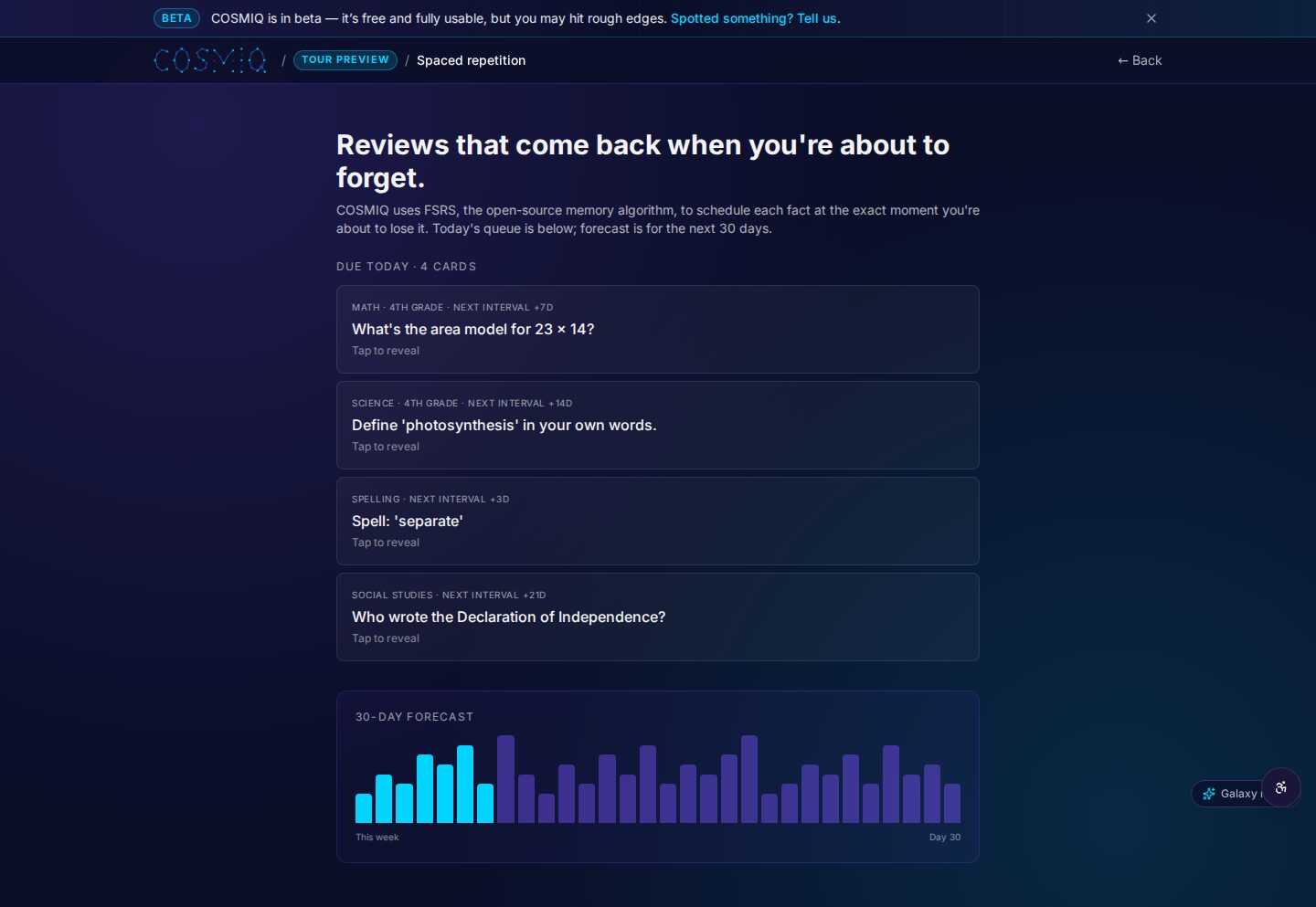
Finally, maintain open communication between parents, teachers, and students. Share insights and feedback about what works and what doesn’t. This collaboration can help refine the use of AI tutors and ensure that they remain effective tools aligned with the goals of the DC curriculum.
In addition, stay informed about the latest developments in educational technology. As AI evolves, so too will its applications in the classroom. Joining parent-teacher associations or online forums can help you stay updated and advocate for effective tools that benefit all students.
Navigating the Emotional Landscape of Learning with AI
One aspect that often gets overlooked in discussions about AI tutors is their impact on the emotional and social aspects of learning. While AI can offer incredible academic support, it’s vital to consider the emotional experience of students as well.
The traditional educational environment includes not just academic instruction but also social interactions, peer relationships, and emotional growth. An AI tutor lacks the capacity for empathy, which can be crucial for younger learners who may need encouragement or understanding when facing challenges.
It's essential for educators and parents to supplement AI tutoring with activities that foster emotional intelligence. This can include guided discussions about challenges faced during learning, collaborative projects, or even simple check-ins on how students are feeling about their progress. Balancing the technological benefits of AI with human emotional support can create a more holistic learning experience.
Consider establishing a feedback loop where students articulate their struggles or successes with the AI tutor. This fosters self-awareness and can help in developing coping strategies when facing academic difficulties. The combination of AI support and emotional intelligence can prepare students not just academically, but socially and emotionally as well.
The Role of Collaboration between AI and Educators
In a successful educational strategy, collaboration between AI tutors and human educators is crucial. While AI can deliver personalized learning experiences, teachers provide the emotional and social context that technology alone cannot. This partnership can lead to a more rounded educational experience.
Teachers can utilize insights from AI tutors to inform their instructional practices. For example, if an AI tutor identifies that a majority of students are struggling with a specific math concept, teachers can adjust their lesson plans accordingly. This data-driven approach allows for real-time adjustments to instruction, ensuring that all students are receiving the support they need.
Moreover, teachers are in a unique position to recognize when a student may need more than just academic assistance. If a student appears disengaged or frustrated, a teacher can intervene in ways that an AI cannot. This human element is irreplaceable and adds a layer of support that makes the learning process holistic.
Finally, fostering a community where teachers share their experiences with AI tutors can lead to a collective improvement in educational practices. By discussing what works and what doesn’t, educators can refine their methods and ensure that AI serves as a complement rather than a replacement in the learning environment.
Final Thoughts on AI Tutors and Education in D.C.
The integration of AI tutors into the educational landscape of Washington, D.C. represents an exciting opportunity to enhance learning. By aligning with the DC curriculum and learning standards, these tools can provide personalized support that meets the unique needs of each student. However, it’s essential to address the challenges and limitations that come with technology.
As we move forward, the goal should be to create an educational ecosystem where AI tutors complement the invaluable role of teachers. By working together, we can ensure that every student in D.C. has the tools they need to thrive in an increasingly complex world. Balancing technology with human interaction can create a vibrant learning community where students are not only academically successful but also emotionally resilient.
Embracing AI in education is not just about keeping up with trends; it’s about searching for innovative ways to meet the needs of diverse learners. As we explore this new frontier, let’s remain committed to ensuring that all students have access to quality education that empowers them to shape their futures.
Learn anything, free.
COSMIQ is a free, voice-driven AI tutor for every learner. No credit card, ever.
Start learning free →