An AI Tutor Aligned to Florida's B.E.S.T. Standards

In an era where technology influences every aspect of our lives, education stands at the forefront of this transformation. Imagine an AI tutor that not only assists students in their learning journey but is also perfectly aligned with Florida's B.E.S.T. standards. This innovative approach could reshape how we view tutoring and personalized learning, making it more efficient and accessible for all students.
Understanding Florida's B.E.S.T. Standards
The Florida Benchmarks for Excellent Student Thinking (B.E.S.T.) Standards were designed to provide a clear and consistent framework for education across the state. These standards focus on ensuring that students acquire the necessary skills to thrive in a rapidly changing world. They emphasize critical thinking, problem-solving, and the application of knowledge in real-world contexts.
What does this mean for students? Well, the B.E.S.T. standards encourage not just rote memorization, but a deeper understanding of subjects. For example, instead of merely learning math formulas, students are encouraged to apply these concepts to solve real-life problems. This shift in focus is crucial, as it prepares students for the complexities they’ll face beyond the classroom.
Additionally, the B.E.S.T. standards are comprehensive, covering various subjects including math, science, language arts, and social studies. Each subject's standards are broken down into specific grade-level expectations, making it easier for educators to tailor their teaching strategies. For instance, a third grader learning about multiplication under these standards would not only memorize the multiplication tables but also engage in activities that connect these mathematical concepts to everyday scenarios, like understanding how multiplication is used in budgeting or cooking.
The Role of AI in Education
Artificial intelligence has made significant strides in the education sector. AI tutors can provide personalized learning experiences, adapting to each student's unique needs. This personalized approach can be especially beneficial for students who may struggle in traditional classroom settings. With AI, learning becomes a tailored experience rather than a one-size-fits-all model.
Imagine a student who finds algebra daunting. An AI tutor can assess their understanding, identify gaps in knowledge, and adjust its teaching strategy accordingly. This could mean providing more practice problems, offering hints, or even changing the delivery method if the student learns better through visual aids. The adaptability of AI is one of its most significant advantages.
Moreover, AI tutors can utilize data analytics to gain insights into a student’s learning patterns. For example, if a student continuously struggles with a particular concept in geometry, the AI can recognize this trend and offer additional resources or adjust the complexity of the problems presented. As a result, students can progress at their own pace, ensuring they fully understand each concept before moving on.
Aligning AI Tutors with Florida Learning Standards
For an AI tutor to be genuinely effective, it must be aligned with the Florida learning standards. This alignment ensures that the content presented not only meets educational requirements but also resonates with students in a meaningful way. By integrating the B.E.S.T. standards into its programming, an AI tutor can offer educational support that is relevant and applicable.
For instance, if a student is learning about ecosystems as part of their science curriculum, the AI could provide interactive simulations that allow the student to explore food chains or environmental changes. By creating connections between the curriculum and the student's interests, the AI tutor can enhance engagement and retention.
Consider a scenario where a student is studying the impact of climate change. An AI tutor aligned with the Florida learning standards could present case studies, multimedia resources, and even virtual field trips to endangered habitats, giving students a holistic understanding. This direct connection between the lesson content and real-world implications fosters a deeper appreciation and interest in the subject matter.
Benefits of AI Tutoring Aligned to B.E.S.T. Standards

So why should educators and parents consider AI tutoring that aligns with the B.E.S.T. standards? For one, it personalizes education. Each student’s learning style is different, and traditional classrooms may not be able to cater to these individual preferences. An AI tutor can adjust to the pace and style of each learner, providing a customized pathway to mastery.
Moreover, data analytics can track a student's progress, highlighting areas of improvement and strength. This is particularly useful for teachers and parents who want to understand how their child is performing relative to the Florida curriculum. When AI tutors generate performance reports aligned with the B.E.S.T. standards, everyone involved can see where additional support might be needed.
Another significant advantage is the immediate feedback that AI tutors provide. Unlike traditional homework where students may wait days to receive feedback, AI can analyze a student's response and offer corrective feedback on the spot. This instant response allows students to learn from their mistakes in real time, fostering a growth mindset and encouraging them to try again until they master the concept.
Challenges and Considerations
Despite the many advantages, there are challenges that come with implementing AI tutors in education. One significant concern is ensuring that these tools remain accessible to all students, regardless of socioeconomic status. While technology can provide powerful resources, if students lack access to devices or the internet, the benefits of AI tutoring become limited.
Additionally, reliance on an AI tutor should not replace the human element of teaching. Teachers play a crucial role in fostering social skills, emotional intelligence, and critical thinking. An effective educational system should strike a balance between using technology and maintaining interpersonal connections.
Another challenge is ensuring that the content taught by AI tutors remains free from bias and is culturally sensitive. The algorithms that drive AI learning can sometimes reflect the biases present in their training data. Therefore, ongoing evaluation and updates are necessary to ensure that these tools provide an equitable learning opportunity for all students, regardless of their background.
Real-World Examples of AI Tutoring
Several platforms are already making strides in integrating AI tutoring with the Florida learning standards. Programs like Khan Academy and IXL Learning offer personalized learning paths that adapt to students' needs. They provide feedback and practice exercises aligned with state standards, allowing students to engage deeply with the material.
Moreover, partnerships between schools and tech companies can further enhance this experience. For instance, a local school district might team up with an AI development firm to create custom solutions that directly align with the Florida curriculum. This collaboration could ensure that the AI tutor not only meets educational standards but also reflects the unique needs of the community it serves.
One notable example is the collaboration between Florida Virtual School and various AI educational technology startups. Together, they have developed interactive platforms that allow students to engage with content aligned with the B.E.S.T. standards while leveraging AI’s adaptive learning capabilities. These platforms not only support students in mastering specific skills but also keep them motivated through gamified learning experiences.
Looking Ahead: The Future of AI in Florida Education
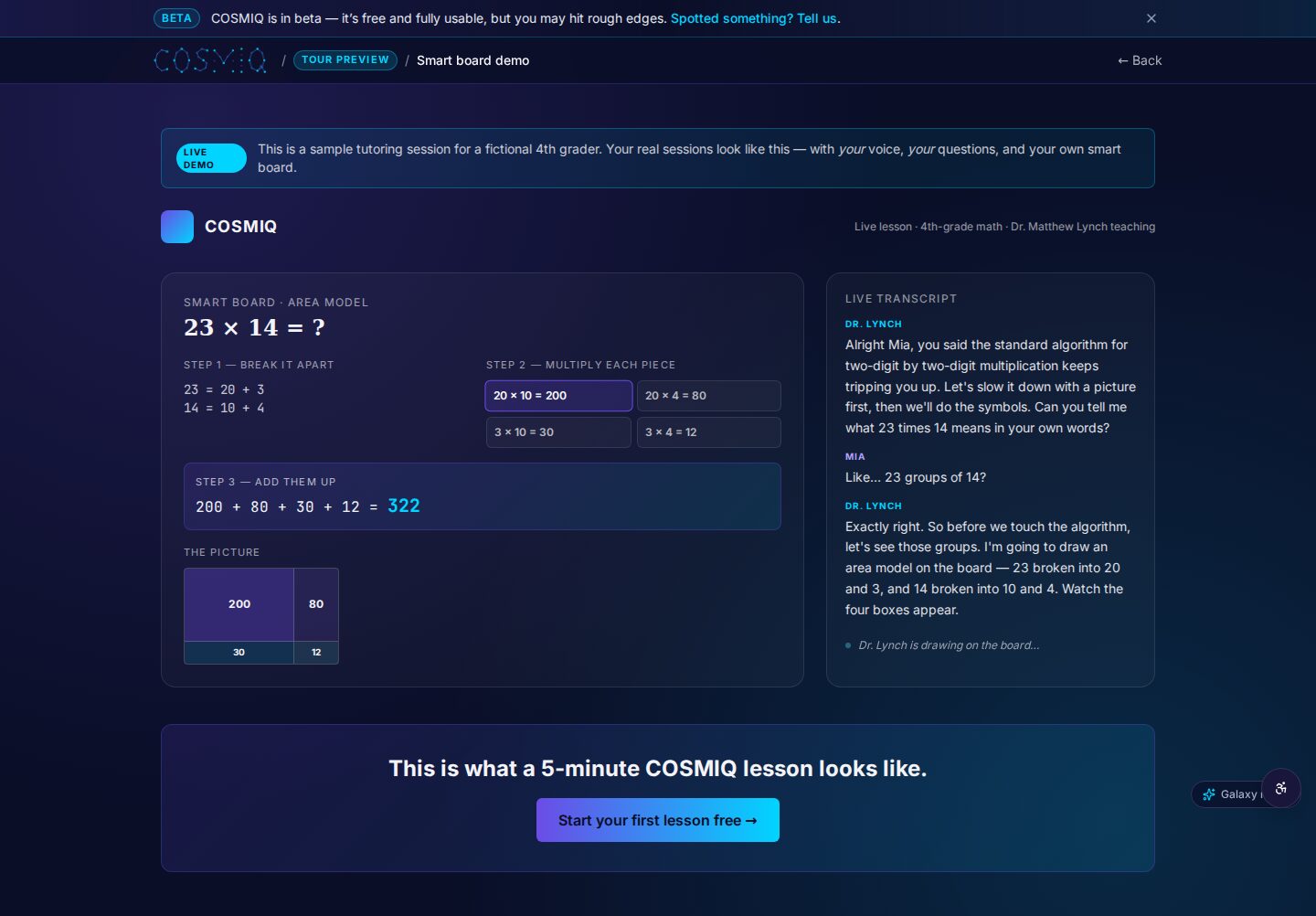
The future looks bright for AI tutoring in Florida, especially when aligned with the state's B.E.S.T. standards. As technology continues to evolve, so too will the capabilities of AI tutors. Imagine fully immersive learning environments where students can interact with virtual scenarios, practice real-world skills, and receive instant feedback—all while adhering to the Florida learning standards.
Ultimately, the goal is to create an educational landscape where every student can thrive. By integrating AI into the classroom in meaningful ways, we can provide tailored support that meets individual needs, empowers students, and enhances their learning experiences. As educators, parents, and policymakers, we must work together to harness the potential of AI while ensuring that it aligns with educational goals.
In this journey, communication will be key. Schools, educators, tech developers, and families need to stay connected, sharing insights and experiences. This collaboration will help shape the future of AI tutoring in a way that is not only effective but also equitable for all students.
Maximizing Teacher Support with AI
AI tutors aren’t just tools for students; they can also be invaluable resources for teachers. By analyzing student performance data, AI can offer insights that help educators understand where their students are struggling. Instead of spending hours on administrative tasks or grading assignments, teachers can focus on providing one-on-one support to students who need it most.
Imagine a scenario where an AI tutor flags a group of students who are consistently missing the mark in a particular math topic. The teacher can then review this information and create targeted intervention plans or group sessions to address these issues. This data-driven approach empowers teachers to use their time more effectively, ensuring that they can offer meaningful support to their students.
Furthermore, AI can assist in professional development by providing teachers with resources and best practices based on the latest educational research. For instance, if an AI platform identifies a successful teaching strategy being used in another district, it can suggest this approach to teachers in their professional development sessions. By continuously learning and sharing these insights, AI can help elevate the quality of education across Florida.
Emphasizing Emotional and Social Learning with AI
As we consider the role of AI in education, we must not overlook the importance of emotional and social learning (ESL). While AI tutors can provide academic support, they can also incorporate elements that promote social skills. For instance, virtual role-playing scenarios can help students practice empathy, conflict resolution, and teamwork.
Imagine an AI tutor guiding students through a simulation where they must work together to solve a problem. This experience can mirror collaborative projects in school, providing students with a safe space to develop essential social skills without the pressures of a traditional classroom setting. By integrating these competencies into the AI curriculum, we can produce well-rounded individuals ready to navigate the complexities of life.
Moreover, AI can help identify students who may be struggling emotionally. For example, if a student frequently disengages or shows frustration during learning sessions, the AI can alert teachers or counselors to intervene. This proactive approach ensures that students receive the emotional support they need, fostering a holistic learning environment.
The inclusion of AI tutors that align with Florida's B.E.S.T. standards offers an exciting avenue for educational advancement. While the challenges are real, the potential benefits for students—and for society as a whole—are too significant to ignore.
Learn anything, free.
COSMIQ is a free, voice-driven AI tutor for every learner. No credit card, ever.
Start learning free →