An AI Tutor Aligned to Georgia's Standards of Excellence

As education continues to evolve, the integration of technology in the learning process has become more prominent. One of the most exciting advancements is the rise of AI tutors. These tools offer personalized learning experiences that can adapt to individual student needs. But what does it mean for an AI tutor to be aligned to the Georgia curriculum and Georgia learning standards? Let’s explore this concept further.
Understanding Georgia's Standards of Excellence
The Georgia curriculum and Georgia learning standards are designed to ensure that students acquire the essential skills and knowledge needed to succeed academically and in life. These standards provide a clear framework for educators, outlining what students should know and be able to do at each grade level. For AI tutors to be effective, they must align with these established standards. This means they must understand not just what students need to learn, but also how they learn best.
For example, Georgia’s standards in literacy might emphasize critical thinking and comprehension. An AI tutor that aligns with these standards would incorporate exercises that foster analytical skills, pushing students beyond rote memorization. This ensures they're not just learning to pass tests but are genuinely absorbing and applying the material. You might think of it like planting seeds; it’s not about how many seeds you throw on the ground, but how well they take root and grow.
Furthermore, the Georgia curriculum is structured to include various content areas, from mathematics to social studies. Each subject has specific learning targets that align with age-appropriate expectations. An AI tutor must mirror these targets, enabling students to develop a comprehensive understanding of each subject. For instance, in social studies, if the standard requires students to analyze historical events, the AI tutor could present virtual tours of historical sites, ensuring that students can contextualize and engage with the material meaningfully.
Customized Learning Experiences
One of the key advantages of AI tutors is their ability to customize learning experiences. Every student is unique; they have specific strengths, weaknesses, and learning styles. An AI tutor can analyze a student’s performance in real time, identify areas where they struggle, and adjust the curriculum accordingly. This level of personalization can be particularly beneficial in a state like Georgia, where the diversity of student backgrounds and educational needs is incredibly rich.
Imagine a fourth grader in Atlanta who excels in mathematics but struggles with reading comprehension. An AI tutor designed to adhere to Georgia’s learning standards can prioritize reading exercises that are engaging and leveled appropriately for the student. This kind of tailored approach not only boosts confidence but also fosters a love for learning. Think about how much more effective a lesson can be when it's designed with the student's interests in mind. If that same student loves superheroes, an AI tutor could incorporate superhero-themed stories and problems into literacy exercises.
Moreover, customization isn’t just about content; it also involves pacing. Some students may grasp concepts more quickly than others. An AI tutor can facilitate accelerated learning for those who are ready while providing the necessary reinforcement for those who need more time. This adaptability helps ensure that no student is left behind, which is crucial under the Georgia learning standards, which aim for all students to achieve proficiency.
Assessment and Feedback
Assessment is a vital aspect of education. Georgia learning standards emphasize the importance of ongoing assessment to track student progress. AI tutors can provide immediate feedback, which is critical for effective learning. Traditional classroom settings often lack the bandwidth for individualized attention, but AI can fill that gap.
With an AI tutor, students receive instant feedback on their responses. If a student answers a question incorrectly, the AI can offer explanations or additional resources tailored to that specific standard. This type of immediate correction helps students understand their mistakes and learn from them in real-time, which is much more effective than waiting for a teacher’s feedback days later. Imagine how empowering it feels for a student to correct their mistake right away, rather than pondering what went wrong without guidance.
Additionally, AI tutors can generate detailed reports on student performance over time. These reports can highlight trends, such as consistent struggles with certain topics, which can inform both students and teachers about areas needing additional focus. Educators can use this data to adjust their teaching strategies or to provide targeted interventions for students who are falling behind. This is significant because the Georgia curriculum encourages a data-driven approach to education, ensuring that instruction is based on student needs.
Engagement Through Interactive Learning

Engagement is crucial for student success. An AI tutor that aligns with the Georgia curriculum can incorporate interactive elements that keep students motivated. Gamification, interactive quizzes, and multimedia resources can make learning fun and engaging.
For instance, if a student is learning about ecosystems as part of their science standard, an AI tutor might use interactive simulations that allow the student to manipulate variables in a virtual environment. This hands-on approach not only adheres to the curriculum but also sparks curiosity and a deeper understanding of the subject matter. Consider how a student can control the temperature or moisture in a digital ecosystem and see the outcomes of their decisions in real-time—this process enhances critical thinking and application.
Moreover, storytelling elements can also be woven into interactive learning. An AI tutor could create a narrative that involves characters facing challenges that align with the Georgia learning standards. As students progress through the narrative by solving problems, they feel a sense of accomplishment and investment in their learning journey. Think of it as a video game where each level mastered opens up new adventures—students become active participants in their education.
Supporting Teachers and Parents
AI tutors aligned to Georgia learning standards don’t just support students; they can also be invaluable resources for teachers and parents. Educators can use the insights gained from AI assessments to inform their lesson plans and identify students who may need extra help.
For parents, having access to an AI tutor means they can monitor their child’s progress in real-time. If a child is struggling with a specific Georgia standard, parents can intervene sooner rather than later. This kind of cooperation between AI, teachers, and parents creates a more cohesive educational experience for students. Think of it like a three-legged stool; when all three parts work together—AI, teachers, and parents—the students are more likely to succeed.
Additionally, AI tutors can provide resources for parents to help them assist their children at home. From suggested activities to reading lists that align with Georgia curriculum standards, parents can be more engaged in their child’s learning process. For example, if a student is working on math standards involving fractions, the AI tutor could suggest cooking activities where measuring ingredients reinforces those skills.
Preparing for the Future
The future of education is undoubtedly intertwined with technology. AI tutors that align with the Georgia curriculum are not just a convenience; they’re a necessity in preparing students for a rapidly changing world. As the job market evolves, so too must our approach to education.
Students will need a diverse skill set that goes beyond traditional learning. AI tutors can foster critical thinking, creativity, and problem-solving—skills that are essential in today’s workforce. By aligning with the Georgia learning standards, these AI tools can ensure that students are not just consumers of information but also creators and innovators. For instance, a project-based learning component could be integrated into the AI tutor experience, where students create digital presentations or projects that demonstrate their understanding of a subject.
Moreover, the global economy demands adaptability. AI tutors can simulate real-world problems that require students to apply their knowledge in interdisciplinary ways. Imagine a scenario where a student needs to apply math skills to budget for a community project, integrating math, social studies, and language arts standards. This type of learning experience mirrors what they will face in the workforce.
Challenges and Considerations
While the benefits of AI tutors are compelling, there are challenges that need to be addressed. Not every student has equal access to technology, and there’s a risk of widening the achievement gap if only some students benefit from AI tools. Ensuring equitable access to these resources is crucial.
Moreover, there's a need for ongoing professional development for educators to effectively integrate AI into their classrooms. Teachers should feel comfortable leveraging these tools to enhance their teaching rather than feeling threatened by them. Collaboration between tech developers and educators can help create solutions that serve everyone. For instance, workshops can be conducted to guide teachers through implementing AI tutors, showcasing successful case studies where these tools have made a positive impact.
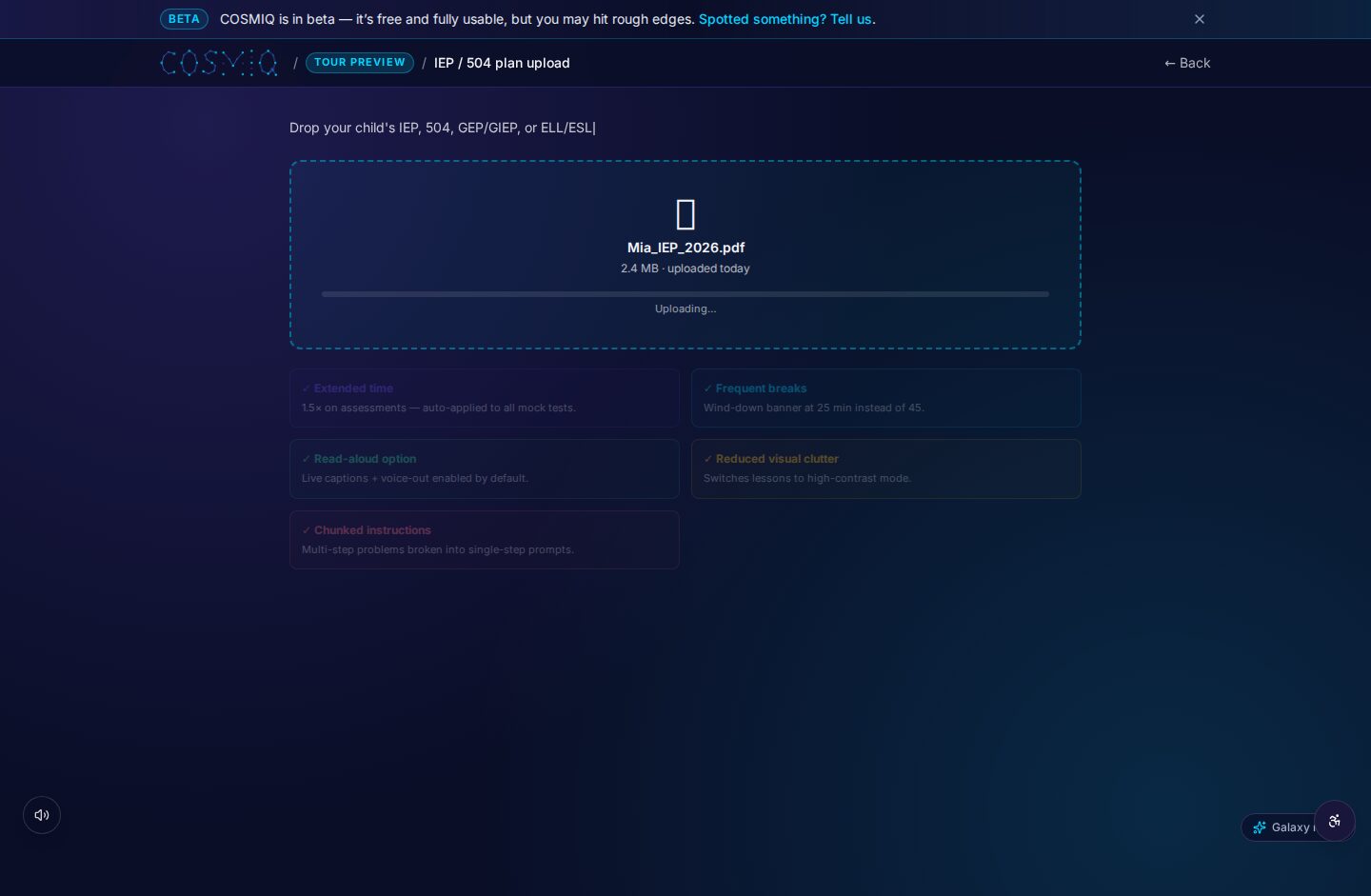
Another critical consideration is privacy. With the increasing reliance on technology, protecting student data becomes paramount. Transparency from AI companies regarding data usage and security measures is essential. Schools and parents need reassurance that their students' information is safe and used ethically. This trust is necessary for widespread adoption of AI tools in educational environments.
The Bottom Line
AI tutors aligned to the Georgia curriculum have the potential to transform education for the better. They offer personalized learning experiences, immediate feedback, and engaging content that can help students thrive. However, for these technologies to be effective, they must be implemented thoughtfully, with a focus on equity and teacher support.
As we look to the future, embracing these tools can pave the way for a more effective and inclusive educational system. Education should not just be about meeting standards; it should inspire and empower students to reach their full potential. With AI tutors, we might just be on the cusp of an educational revolution that aligns perfectly with Georgia’s vision for excellence.
The Role of Data in Shaping AI Tutors
Data plays a crucial role in the effectiveness of AI tutors. Through data collection and analysis, these tutors can identify trends in student learning and adapt their methods accordingly. For example, if a substantial number of students struggle with a specific concept in algebra, the AI can incorporate additional review materials and practice problems tailored to that standard. This data-driven approach ensures that educational content remains relevant and effective.
Moreover, the data collected by AI tutors can be invaluable for informing educational policy. By analyzing which standards students find most challenging, educators and policymakers can identify areas where curriculum enhancements or additional resources may be needed. For instance, if data points to widespread difficulties in a particular area of science, schools can allocate more resources or professional development to address these gaps.
The ethical use of data is also paramount. Parents and educators must be assured that student data is used responsibly and with their consent. Guidelines and policies governing student data privacy must be established to protect students while allowing for the advancement of personalized education.
The Future of Collaboration Between AI and Human Educators
Looking ahead, the collaboration between AI and human educators will be crucial for maximizing the effectiveness of AI tutors. Rather than viewing AI as a replacement for teachers, it should be seen as a powerful ally that complements the strengths of human instruction. Human educators bring empathy, understanding, and contextual knowledge that AI cannot replicate.
For example, while an AI tutor can provide data and adjust learning experiences based on performance, a teacher can recognize when a student is feeling frustrated or disengaged and can step in with motivational support or a different teaching strategy. Teachers can use the insights gained from AI assessments to tailor their classroom instruction, focusing on group activities or discussions that align with the data.
This relationship can also foster professional learning communities within schools. As teachers share experiences and best practices for using AI tools, they can create a rich environment of collaboration that enhances the overall educational experience. Through continuous feedback between educators and AI developers, these tools can evolve to better meet the needs of students and educators alike.
Learn anything, free.
COSMIQ is a free, voice-driven AI tutor for every learner. No credit card, ever.
Start learning free →