An AI Tutor Aligned to Hawaii's Standards

Understanding the Unique Educational Landscape of Hawaii
Hawaii's education system is as diverse as its population. With a rich blend of cultures, languages, and traditions, the state's educational approach has to cater to a wide variety of learning needs. The Hawaii curriculum, designed to reflect this diversity, emphasizes not only academic proficiency but also cultural understanding and respect. This dual focus is crucial because students are not just learning facts; they're learning to engage with their world. Each island has its unique history, and the educational system works to incorporate those elements into the curriculum.
The Hawaii learning standards are set to ensure that every student, regardless of their background, has access to quality education. These standards guide the development of curricula across subjects like math, science, and the arts, weaving in local culture and history. So, what does this mean for the future of education in Hawaii? Could an AI tutor help meet these standards while also being an effective learning tool for students? Take, for example, a lesson on the Hawaiian monarchy. An AI-powered tool could highlight important figures, using various multimedia resources to engage students. It can include videos, primary source documents, and interactive quizzes that resonate with students' interests.
The Role of AI in Education
Artificial Intelligence has been making waves in various fields, and education is no exception. AI tutors are designed to provide personalized learning experiences, adapting to individual student needs and paces. Imagine a student struggling with algebra; an AI tutor could analyze their performance, identify weak areas, and offer tailored practice problems that align with the Hawaii curriculum. The beauty of AI lies in its ability to constantly learn and adapt, making it an invaluable resource for educators.
But it's not just about academic assistance. AI can also provide emotional and psychological support. Many students face anxiety and stress, particularly in high-stakes testing environments. An AI tutor can help alleviate these pressures by providing a safe space for students to practice and learn without fear of judgment. For example, AI can introduce mindfulness practices through interactive modules, teaching students how to manage stress and encouraging them to take breaks when needed.
Aligning AI with Hawaii Curriculum and Learning Standards
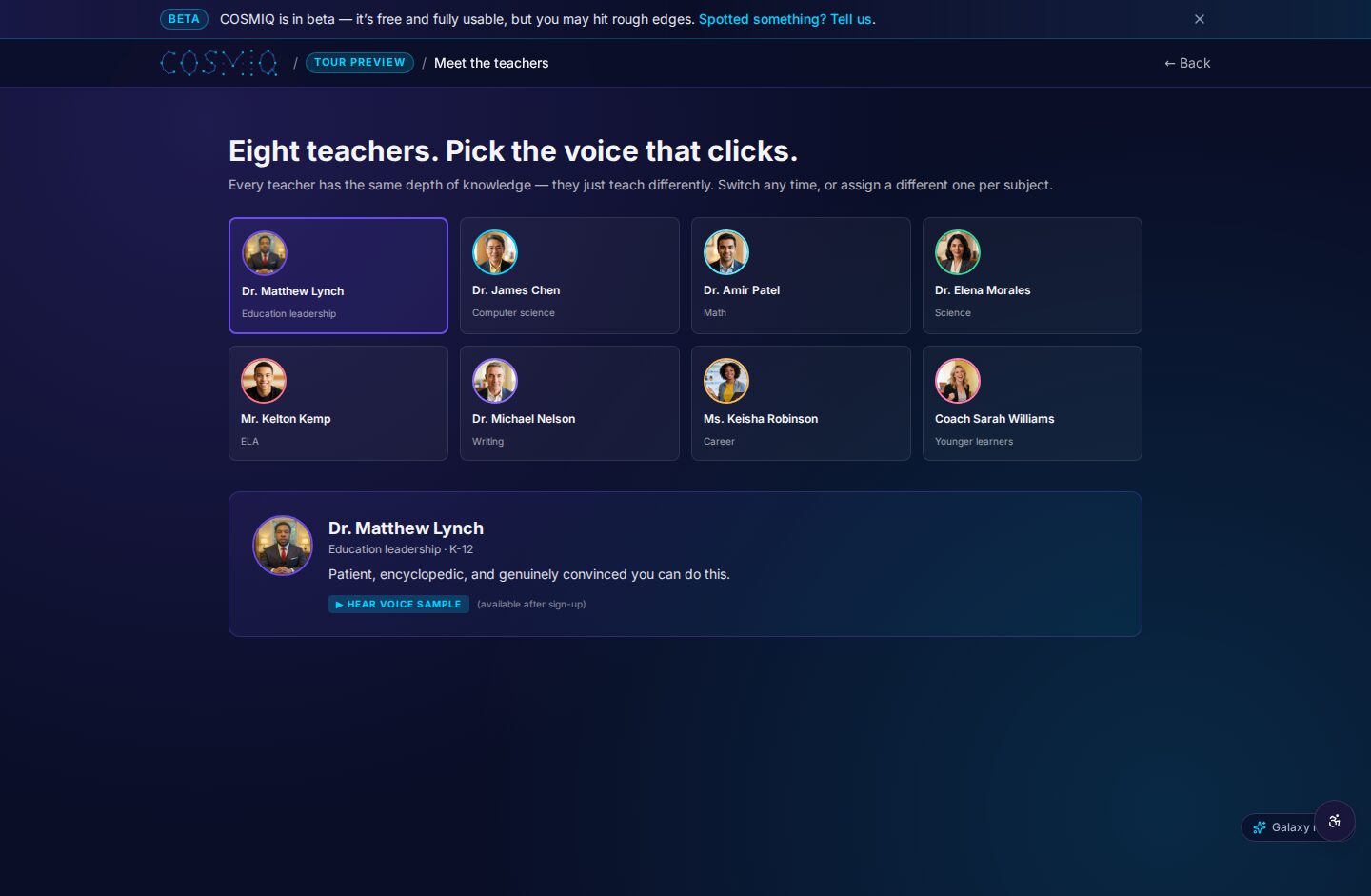
For an AI tutor to truly benefit students in Hawaii, it must be aligned with the Hawaii curriculum and the specific learning standards. This means that the content it delivers should reflect not only the required educational benchmarks but also the unique cultural context of the islands. For example, when teaching about ecosystems, an AI tutor could incorporate local flora and fauna, making lessons more relatable and engaging. By using examples from Hawaii's own unique ecosystems, such as the coral reefs or native bird species, students can see the real-world implications of their studies.
Furthermore, aligning with the Hawaii learning standards means ensuring that the AI tools are accessible to all students. This includes considerations for language diversity—Hawaii’s population speaks many languages, and the AI must cater to this linguistic variety. The inclusion of Hawaiian language and cultural references is not just a bonus; it's essential for fostering a sense of identity and belonging among students. Imagine an AI tutor that not only teaches math but does so using Hawaiian proverbs or stories that resonate with the local culture, thereby making learning both educational and culturally relevant.
Personalized Learning Pathways
One of the most significant advantages of AI tutors is their ability to create personalized learning pathways. Each student learns differently, and these AI systems can analyze data from previous assessments, homework, and even classroom participation to tailor lessons to individual needs. Imagine a student who excels in reading but struggles with math; the AI tutor can prioritize math practice while still supporting their reading development. By harnessing analytics, the AI identifies trends and patterns in a student's learning, allowing for adjustments that would be impossible in a traditional classroom setting.
This kind of tailored approach aligns perfectly with the Hawaii curriculum, which encourages differentiation in teaching methods. Teachers in Hawaii can utilize AI tutors to supplement their instruction, ensuring that every student is engaged and progressing. For instance, if a teacher notices a student falling behind in science, they can integrate the AI tutor to provide additional resources and practice tailored specifically to that student's needs. This partnership between human educators and AI tools can create a more dynamic and responsive learning environment.
Feedback and Assessment
Timely feedback is crucial for student growth, yet traditional assessment methods often delay this process. AI tutors can provide instant feedback on practice exercises, quizzes, and even interactive lessons. This immediate response mechanism can help students understand their mistakes and learn from them right away, reinforcing concepts before they move on. The AI can also provide recommendations for further reading or practice questions based on individual performance, making it an adaptive learning platform.
Moreover, the AI can track individual progress over time, providing insights that teachers can use to adjust their instructional strategies. For instance, if multiple students are struggling with a concept, the educator can pivot their lesson plans to address those gaps. This feedback loop not only supports student learning but also enhances the teacher's effectiveness in meeting the Hawaii learning standards. It allows for a more collaborative approach to education, where both teachers and AI work together to support student growth.
Supporting Diverse Learning Needs
Hawaii's classrooms are filled with students who have widely different backgrounds and learning abilities. Some may be advanced learners, while others may need extra help. An AI tutor can help bridge this gap by offering various resources and approaches to learning. For instance, visual learners might benefit from interactive simulations, while auditory learners might prefer lectures or discussions. The AI's versatility in presenting information can cater to these various learning styles, making education more effective.
Additionally, students with special needs can gain from customized content delivered at their pace. AI tutoring can provide the necessary scaffolding to help these students meet their educational goals while adhering to the Hawaii curriculum. Imagine a student with learning disabilities who struggles with reading; an AI can adapt text to simpler language, read aloud to the student, or provide additional visual supports such as images and videos. This inclusivity is essential, as it fosters a more equitable educational landscape for all students.
The Future of AI in Education in Hawaii
As we look to the future, the integration of AI tutors in Hawaiian education seems promising. The technology is rapidly evolving, and with it, the potential to transform how students learn. Imagine a scenario where every student has access to a personal AI tutor, offering support tailored to their unique needs while aligning with the Hawaii curriculum and learning standards. This could ultimately lead to improved student engagement and performance across the board.
However, this vision comes with challenges. Schools and educators must be adequately trained to use these technologies effectively. There’s also the question of access—how do we ensure that all students, regardless of socioeconomic background, have the tools they need? This opens up a dialogue about the role of technology in education and its accessibility. Policymakers must consider how to finance these tools and ensure they are distributed equitably among all schools.
In considering these factors, it's clear that Hawaii has the opportunity to lead the charge in innovative educational practices that honor both academic rigor and cultural relevance. The potential for AI tutors to enrich student learning is unparalleled, and with thoughtful implementation, they can serve as valuable allies in achieving the state’s educational goals. Collaborating with local educators and community leaders to design these AI systems could ensure they reflect the true needs and values of Hawaiian students.
Embracing Innovation While Honoring Tradition
As we embrace the role of AI in education, it's vital to remember the importance of traditional teaching methods. Teachers are irreplaceable; they bring empathy, understanding, and a human touch that AI simply cannot replicate. The goal should be to enhance the educational experience, not replace the invaluable role of educators. In Hawaii, where education is intertwined with cultural identity, AI must serve as a tool that supports teachers rather than attempts to supersede their expertise.
In Hawaii, where culture and community are paramount, integrating AI should also mean honoring local traditions and values. AI tools should complement the existing curriculum, offering resources that reflect the rich history and diverse cultures of the islands. This synergy can help cultivate a holistic educational experience that prepares students for both academic success and life as engaged citizens. For instance, lessons on Hawaiian history could be enriched by AI that curates stories from local elders or community members, ensuring that students learn from authentic sources.
While AI has the potential to revolutionize learning, it must do so in a way that respects and reflects the unique educational landscape of Hawaii. As we navigate this journey together, let's focus on creating an inclusive, responsive, and culturally relevant education system that meets the needs of all learners.
The Need for Continuous Evaluation and Improvement
While the integration of AI in education holds great promise, ongoing evaluation is critical to its success. Implementing AI tools should not be a one-time effort. Instead, they require continual assessment and refinement to ensure they meet the evolving needs of students and align with the Hawaii curriculum and learning standards. Educators, parents, and community stakeholders must be involved in this process.
Creating feedback loops where users can report issues or suggest improvements is essential. For example, if students find certain AI features confusing or unhelpful, educators should have a system in place to relay this information back to developers. Regular training sessions can also help teachers stay updated on the latest AI capabilities and best practices, ensuring they can use these tools effectively.
Innovative educational practices should also include research into the most effective ways to integrate AI into daily teaching routines. Collaboration among educators to share experiences and outcomes can inform best practices and drive continuous improvement. This collaborative spirit can help ensure that AI tools support a diverse range of learners while maintaining cultural relevance in line with Hawaii's educational standards.
Building Community Support for AI Integration
Implementing AI tutors in education isn't solely an administrative task; it requires community buy-in. Engaging parents, local businesses, and cultural organizations in discussions about AI education can help foster a supportive environment. For instance, workshops and community meetings can be held to educate stakeholders about the benefits and possibilities of AI in education.
Involving the community in the development and implementation processes can also lead to richer, more culturally grounded AI tools. Community members can provide insights into local traditions, languages, and histories that can enhance the AI's effectiveness in teaching. By incorporating local knowledge and values, AI can become a bridge connecting students not just to academic content but also to their roots.
As the world rapidly changes, it's essential to ensure that technology serves the community's needs. Building a strong foundation of community support around educational technology will enhance the likelihood of success for AI initiatives, leading to better educational outcomes for all students in Hawaii.
Learn anything, free.
COSMIQ is a free, voice-driven AI tutor for every learner. No credit card, ever.
Start learning free →