An AI Tutor Aligned to Idaho's Content Standards

Education is evolving rapidly, and technology plays a significant role in that transformation. In Idaho, where the focus on academic excellence is strong, the integration of AI tutors aligned to Idaho's content standards could revolutionize how students learn. But how does this work, and what are the potential benefits? Let's break it down.
Understanding Idaho's Learning Standards
Idaho has established a robust framework known as the Idaho learning standards. These standards provide clear expectations for what students should know and be able to do at each grade level. They cover a wide range of subjects, including math, science, English language arts, and social studies. The goal is simple: ensure that all students receive a consistent, high-quality education. When we talk about aligning an AI tutor to these standards, we're discussing a system that not only understands what students need to learn but also tailors its teaching methods accordingly. Imagine a platform that adapts its lessons based on the Idaho curriculum. It evaluates students' strengths and weaknesses, offering personalized instruction that meets them where they are. This adaptability is crucial, especially when you consider the variability in learning paces and styles among students. Each student is unique, and this system recognizes that individuality by employing algorithms that can analyze data points from assessments and interactions to hone in on what a student requires.
Personalized Learning with AI
One of the most compelling advantages of an AI tutor is its ability to provide personalized learning experiences. Traditional classrooms often struggle to meet every student’s individual needs, but AI can analyze a student’s progress in real-time. For instance, if a student excels in math but struggles with reading comprehension, an AI tutor can adjust its focus. It can provide additional resources to strengthen reading skills while keeping math practice ongoing. Consider a scenario where a fifth grader is having trouble grasping a particular concept in their Idaho curriculum. Instead of simply moving on, the AI tutor can offer extra practice problems, interactive exercises, or even video explanations that resonate with the student’s learning style. This level of customization not only helps students grasp challenging topics but also keeps them engaged. The variety of resources available through the AI tutor means that students are not just passively consuming information; they are actively involved in their learning process. Furthermore, personalized feedback can boost motivation by celebrating small victories, reinforcing the joy of learning.
Immediate Feedback and Support
Feedback is crucial in the learning process. An AI tutor can provide immediate feedback, helping students understand their mistakes right away. Think about how frustrating it can be to wait days for a teacher to grade an assignment. With AI, when a student answers a question incorrectly, they receive instant explanations and resources to help them improve. Let’s say a student is working on a writing assignment aligned with the Idaho learning standards. As they type, the AI tutor analyzes their writing, offering suggestions for improvement on grammar, structure, and even content. This instant, constructive feedback helps students refine their skills without delay, fostering a more effective learning environment. Moreover, this immediacy can boost a student’s confidence; when they see their errors corrected in real-time, they’re likely to feel more motivated to learn. In addition, the AI can track patterns in a student's errors, allowing it to address recurring issues systematically. This way, students can build a stronger foundation, preventing small mistakes from becoming entrenched habits.
Accessibility for All Students
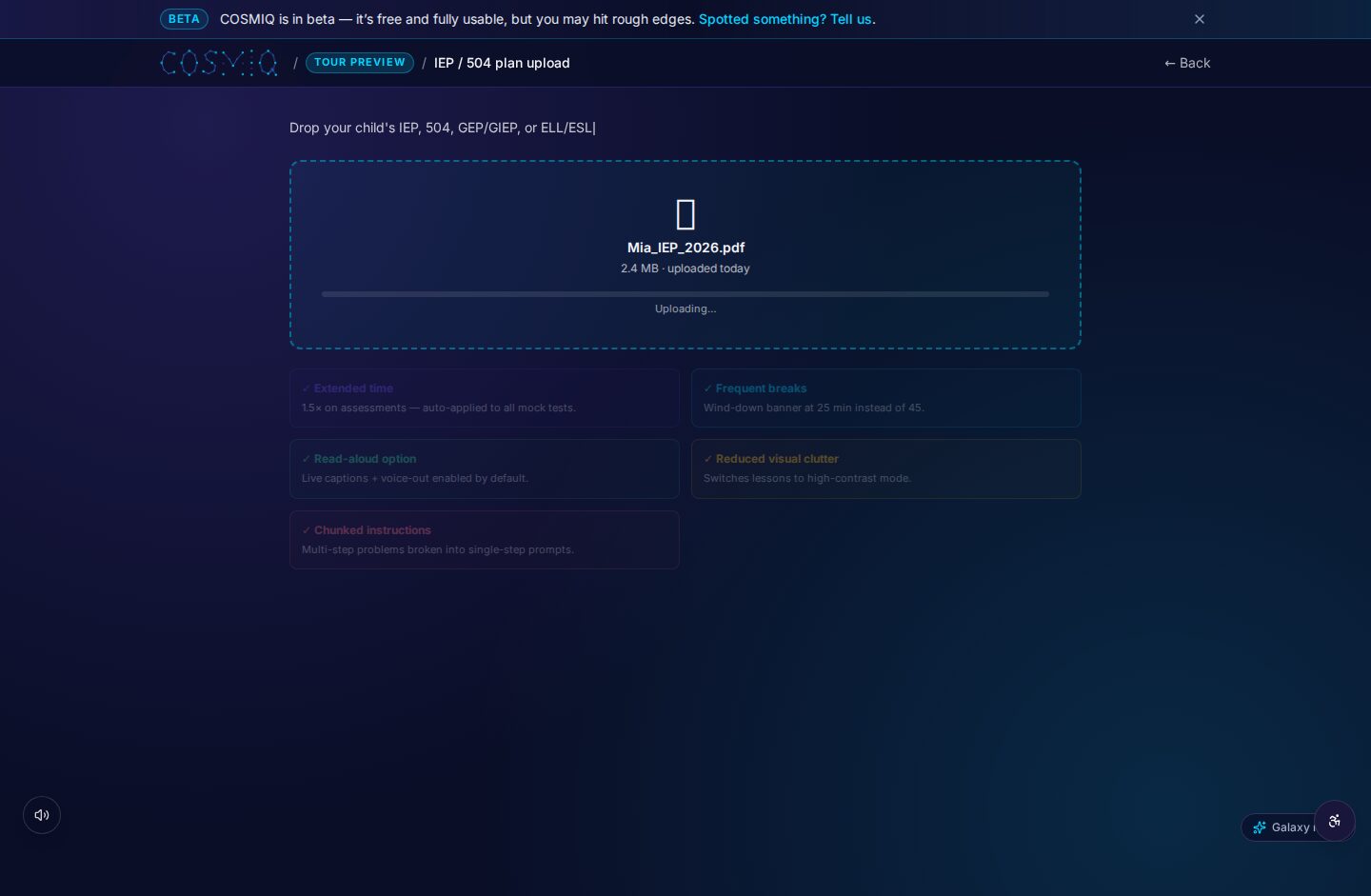
Another significant advantage of AI tutors is their potential for accessibility. Not every student learns in the same way or at the same pace. For students with learning disabilities or those who require additional support, an AI tutor can be a game-changer. It can present information in various formats—videos, interactive games, quizzes—allowing students to engage with material that suits their needs. For example, students who struggle with traditional text-based learning can benefit from multimedia lessons. If a student in Idaho is having difficulty with a science concept, the AI tutor could provide a video demonstration or a virtual lab experience. This approach aligns perfectly with the Idaho curriculum’s emphasis on hands-on learning and exploration. Moreover, it enables students to learn in a non-linear fashion, which is often more effective for those who need time to grasp concepts at their own pace. By accommodating different learning styles, AI tutors can ensure that no student is left behind.
Bridging Gaps in Knowledge

In a perfect world, every student would master subjects as they progress through their education. Unfortunately, that’s not always the case. Gaps in knowledge can form due to various factors: absences, lack of prior understanding, or even differences in educational backgrounds. An AI tutor can identify these gaps and offer targeted support. Imagine a student who missed critical lessons in third grade math. The AI tutor can assess their current skills and identify that they still struggle with basic multiplication. Instead of feeling overwhelmed by the current curriculum, the AI can introduce foundational concepts in an engaging way, allowing the student to build confidence before tackling more advanced topics. This individualized approach not only helps students catch up but also prevents them from falling further behind, which is crucial for maintaining their overall educational trajectory. Moreover, by focusing on filling knowledge gaps, students gain a sense of accomplishment that can motivate them to continue learning and to engage with subsequent material.
Supporting Teachers and Parents
While AI tutors primarily focus on students, they can also serve as valuable resources for teachers and parents. Imagine how much time teachers could save if they had a tool that tracks student progress, identifies areas needing attention, and even suggests lesson plans. Teachers could utilize AI reporting features to better understand their students’ strengths and weaknesses, allowing them to adjust their classroom instruction accordingly. For parents, an AI tutor can provide insights into their child’s learning journey. By sharing progress reports based on the Idaho learning standards, parents can understand where their child excels and where they might need extra help. This transparency fosters a collaborative environment where parents can actively engage in their child’s education, reinforcing learning at home. For instance, if a student is struggling with a specific concept in math, parents could work with the AI tutor to find resources or activities to support their child's learning at home. Such collaboration enhances the educational experience for students, ensuring that everyone is on the same page.
The Future of Education in Idaho
As technology continues to advance, the integration of AI tutors into the educational landscape in Idaho seems inevitable. The potential benefits are immense: personalized learning, immediate feedback, accessibility for all, bridging knowledge gaps, and valuable support for educators and families. It's exciting to think about how these tools can transform education for Idaho's students. With the state’s commitment to fostering innovative educational practices, AI tutors can enhance traditional teaching methods and adapt to the evolving needs of learners. Looking forward, the successful implementation of AI tutors could lead to a more engaged and motivated student body. If students feel empowered and supported in their learning, they're more likely to pursue their education with enthusiasm. We could see a generation of learners who are better prepared for future challenges, equipped with critical thinking and problem-solving skills, which are increasingly vital in today's world.
Training Educators to Use AI Effectively
While AI tutors offer numerous advantages, their success heavily relies on how well educators are trained to use these tools. Integration of AI into the classroom shouldn't be a matter of simply introducing new technology; it requires professional development for teachers. They must understand how to interpret AI-generated data, use it to inform their teaching, and effectively incorporate AI tools into their lesson plans. For instance, teacher training programs could include modules specifically focused on the Idaho learning standards and AI integration. Teachers would learn how to analyze student data provided by the AI tutor, allowing them to tailor their in-class instruction. By fostering a collaborative approach to learning, where teachers utilize AI as a supplementary tool rather than a replacement, we create a more dynamic and effective educational environment. Additionally, ongoing support and resources should be made available to teachers, ensuring they feel confident in leveraging AI technology. Regular workshops or training sessions can help educators stay updated on new developments in AI and best practices for integrating these tools into their classrooms.
Ensuring Equity in Access to AI Tools
While the potential of AI tutors is vast, we must also consider equity. Not every student has equal access to technology or high-speed internet, which can create disparities in educational outcomes. In Idaho, rural areas may face unique challenges in accessing these resources. To truly benefit from AI tutors aligned with Idaho's curriculum, schools and districts need to ensure that all students, regardless of their background, have the necessary tools to participate fully. This might involve initiatives such as providing laptops to those in need or establishing community internet hotspots. Additionally, schools could partner with local organizations to create after-school programs where students can use AI tutors in a supportive environment. These efforts would not only enhance access but also help bridge the digital divide, ensuring that every student has the opportunity to thrive in this new, tech-driven educational landscape. Moreover, it's essential to involve parents and the community in these initiatives, fostering a supportive ecosystem that emphasizes the importance of education.
Evaluating the Effectiveness of AI Tutors
As AI tutors become increasingly integrated into educational settings, it’s vital to evaluate their effectiveness. How do we know if they’re truly helping students learn? Establishing clear metrics based on the Idaho learning standards is essential. Schools should conduct longitudinal studies to track student progress over time, comparing outcomes for those using AI tutors against those receiving traditional instruction. Additionally, feedback from students, parents, and educators should be collected to assess user experience. Are students finding the AI tutors engaging? Do they feel more supported in their learning? By continually assessing and refining these tools based on real-world feedback, we can ensure that AI tutors not only meet educational standards but also genuinely enhance learning experiences. These evaluations should not just focus on academic performance but also on student attitudes towards learning—are they more motivated? More engaged? Understanding how AI impacts the emotional and social aspects of learning can provide a fuller picture of its effectiveness.
Addressing Ethical Considerations in AI Education
As we embrace the benefits of AI in education, we must also confront the ethical implications of utilizing such technology. Issues of privacy, data security, and algorithmic bias are paramount when implementing AI tutors. For instance, how is student data collected and used? What measures are in place to protect sensitive information? Schools must establish clear policies regarding data use, ensuring that parents and students are informed and comfortable with how their information is handled. Transparency in these matters is crucial for building trust within the educational community. Additionally, we must be vigilant about algorithmic bias. AI systems learn from existing data, which means they can inadvertently perpetuate disparities if not carefully monitored. It's essential to have diverse input during the development of AI educational tools, ensuring that they are equitable and inclusive. Educators should be trained to recognize and mitigate these biases, ensuring that all students benefit equally from AI-driven learning experiences.
Exploring Collaborative Learning Opportunities
AI tutors can also facilitate collaborative learning opportunities among students. Imagine a scenario where students working on a group project can utilize AI tools to gather information, share ideas, and receive feedback collectively. AI can help identify roles within the group based on each student’s strengths, promoting teamwork and enhancing communication skills. This collaborative approach aligns well with the Idaho learning standards, which emphasize skills such as cooperation and problem-solving. Furthermore, AI can facilitate peer-to-peer learning by connecting students with others who are working on similar topics or struggling with the same concepts. This not only enriches the learning experience but also fosters a sense of community among students. By encouraging collaboration, AI tutors can help students develop essential social skills that are vital in both academic and real-world settings.
Ultimately, the implementation of AI tutors aligned to Idaho's content standards could lead to a more equitable educational experience. As we forge ahead, it’s essential to keep in mind the ultimate goal: to foster a love of learning and ensure that every student has the tools they need to succeed. With the right approach, these AI tools could be the key to unlocking a bright future for every learner in Idaho. The journey is just beginning, but the road ahead is filled with potential.
Learn anything, free.
COSMIQ is a free, voice-driven AI tutor for every learner. No credit card, ever.
Start learning free →