An AI Tutor Aligned to Illinois Learning Standards

Artificial Intelligence is making waves in education, promising personalized learning experiences that can adapt to individual student needs. Imagine a tutor that knows your learning style, your strengths, and your weaknesses—like having a personal assistant dedicated solely to your academic journey. But how do we ensure that this cutting-edge technology aligns with the specific requirements set forth by the Illinois learning standards? Let's explore how AI tutors can bridge the gap between technological advancement and educational integrity.
Understanding Illinois Learning Standards
Before we discuss AI tutors, it’s crucial to grasp what the Illinois learning standards are. These standards serve as a foundation for what students should know and be able to do at each grade level across various subjects. They help educators develop curricula that foster critical thinking, creativity, and collaboration. The illinois curriculum is designed to address academic rigor while promoting skills that students need for future success.
Think of the Illinois learning standards as a roadmap. They guide teachers on what to teach, ensuring consistency across schools and districts. This is particularly important in a state as diverse as Illinois, where students come from varied backgrounds and have differing educational needs. A well-aligned AI tutor can adapt its program to meet these standards while addressing individual student challenges.
These standards are not static; they evolve based on educational research and the changing dynamics of society. For instance, recent revisions have incorporated more emphasis on critical thinking and problem-solving skills, preparing students not just for tests, but for real-world challenges. An AI tutor can be updated to reflect these changes swiftly, ensuring that students are always learning relevant content.
Additionally, the Illinois learning standards are designed to be inclusive, accommodating students with different learning needs. The standards set clear expectations for all, including those with disabilities. An AI tutor can be programmed to recognize diverse learning styles and disabilities, providing tailored support to ensure every student can thrive.
How AI Tutors Work
AI tutors employ complex algorithms and data analytics to tailor educational experiences. They analyze a student's performance in real-time, adjusting their teaching methods based on the data collected. For example, if a student struggles with fractions, the AI tutor can provide additional exercises specifically targeting that area, ensuring that the learning experience is both focused and relevant.
Moreover, AI tutors can offer instant feedback. Unlike traditional classroom settings where a teacher might take time to assess and respond, an AI tutor can analyze a student’s answer in seconds. If a student makes an error, the tutor can provide immediate clarification or alternative strategies to solve similar problems. This instant feedback loop is invaluable for reinforcing concepts and building confidence.
The adaptive learning algorithms of AI tutors are powered by machine learning principles. These algorithms learn from each interaction, continuously improving their responses and recommendations. For example, if a student consistently performs well on vocabulary quizzes but struggles with comprehension questions, the AI can shift its focus, offering more reading comprehension exercises and tips. This iterative process makes learning more efficient and personalized.
AI tutors can also incorporate various multimedia resources to enhance learning. Engaging videos, interactive quizzes, and gamified learning experiences can be seamlessly integrated into the tutoring process. This versatility not only keeps students engaged but also caters to different learning styles—whether a student learns best through visual aids, auditory instruction, or hands-on practice.
Alignment with Illinois Curriculum
One of the key strengths of AI tutors lies in their ability to align with the Illinois curriculum. When developing these tutors, educators and technologists can embed the Illinois learning standards directly into the software. For example, if the standard calls for mastery of algebraic expressions by the end of seventh grade, the AI tutor can be programmed to include exercises and assessments specifically designed around that standard.

This alignment ensures that students are not just practicing random problems but are engaging with material that is relevant to their grade level and academic requirements. It means that parents can feel confident knowing that their children are using a tool that adheres to state-approved educational guidelines.
Moreover, alignment with the Illinois curriculum isn't just about matching the content; it also involves assessing mastery in a way that reflects real-world applications. For example, if the curriculum emphasizes the use of mathematical concepts in real-life scenarios, the AI tutor can incorporate problem-solving tasks that require students to apply their knowledge to practical situations, such as budgeting for a school project or planning a community event.
To further illustrate, consider the integration of standardized testing preparation. Since Illinois has specific assessment criteria, AI tutors can provide practice tests formatted similarly to state assessments, helping students familiarize themselves with the test structure and question types. This not only aids in academic mastery but significantly reduces test anxiety by increasing student confidence.
Benefits of AI Tutors in Illinois Classrooms
The integration of AI tutors into classrooms offers several benefits. For one, they can provide differentiated learning experiences. Students in a classroom often learn at varying paces, and AI tutors can help bridge the gaps without leaving anyone behind. For instance, if a student excels in reading but struggles in math, the AI tutor can offer enriched reading materials while providing additional support in math.
Another advantage is accessibility. Not every student has access to one-on-one tutoring outside of school. An AI tutor can serve as an affordable alternative, available 24/7. This means that students can engage with the material whenever they need help—whether that’s late at night while preparing for an exam or during weekends.
AI tutors can also be used to extend learning beyond the traditional classroom environment. For instance, students can utilize these tools during summer breaks or over weekends, making learning a continuous process. Imagine a student who wants to get ahead in calculus over the summer; with an AI tutor, they can explore advanced topics at their own pace, reinforcing their understanding before the school year begins.
Additionally, AI tutors can serve as supplementary resources for teachers. With the data collected on student performance, teachers can gain insights into class-wide learning trends. If a particular standard is proving difficult for a majority of students, the teacher can address it in class. This collaborative effort enhances the overall educational experience, ensuring that AI enhances rather than detracts from traditional teaching methods.
Challenges to Consider
While AI tutors present many opportunities, there are challenges to consider. One major concern is the digital divide. Not all students have equal access to technology, which can exacerbate existing inequalities in education. Schools must ensure that every student has access to the necessary hardware and internet connectivity to benefit from these resources.
Additionally, there’s the risk of over-reliance on technology. Students may become accustomed to receiving instant answers and may not develop essential problem-solving skills. Therefore, it’s essential to maintain a balance between AI-assisted learning and traditional methods of instruction. Teachers should play an active role in guiding students, ensuring that technology complements rather than replaces human education.
Another challenge is the potential for data privacy concerns. As AI tutors gather information about student performance, parents and educators must be assured that this data is protected. Implementing strict data security measures and transparent policies about data usage is crucial for maintaining trust between students, parents, and educational institutions.
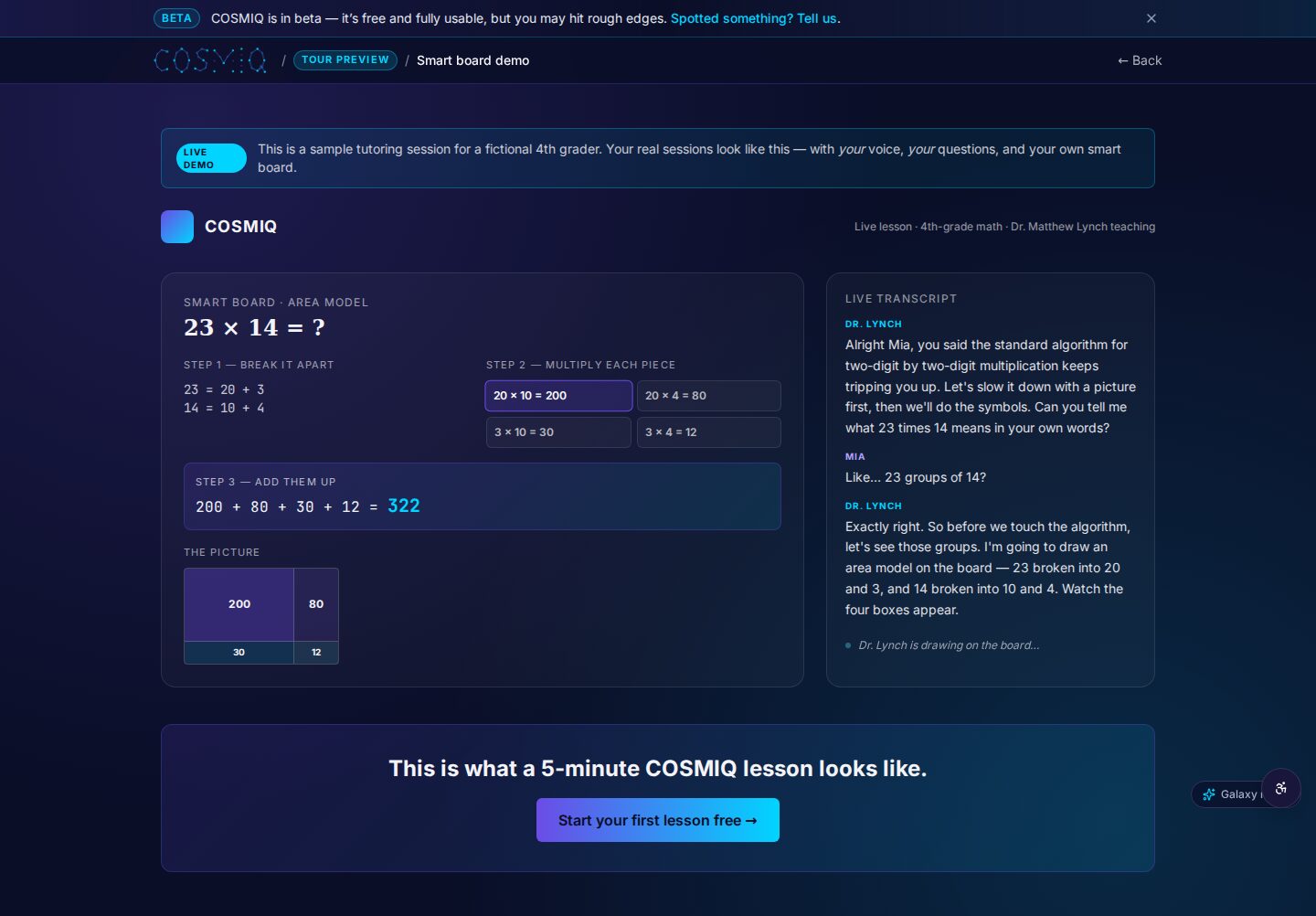
Moreover, the integration of AI tutors into curricula must also consider the human element of learning. While AI can provide personalized instruction, it lacks the emotional intelligence and understanding that a human teacher possesses. This is particularly important in subjects like social-emotional learning, where relationships and discussions are key components. Thus, while AI tutors can enhance academic performance, they cannot replace the empathy and guidance that a teacher offers.
The Role of Teachers in AI Integration
Teachers are not going anywhere; in fact, they remain a critical component of the educational ecosystem. AI tutors should serve as tools to enhance a teacher's instruction, but they cannot replace the social, emotional, and cognitive support that a human teacher provides. Educators can leverage AI insights to identify areas where students struggle and adapt their teaching strategies accordingly.
For example, if an AI tutor identifies that a significant number of students are struggling with a particular concept in science, a teacher can introduce a focused lesson plan to address that challenge. This collaborative approach not only empowers teachers but also enriches the learning experience for students.
Teachers can also play a pivotal role in training students on how to use AI tutors effectively. Instead of merely viewing these tools as replacements for traditional study methods, students can be guided on how to integrate AI tutoring into their study routines. This involves teaching them to set specific goals for their learning, how to interpret the feedback provided by the AI, and when to seek help from a teacher or peer.
Furthermore, with AI tutors providing vast amounts of data on student performance, teachers can use this information to communicate effectively with parents. Regular updates about how their child is progressing with the AI tutor can foster a collaborative relationship between home and school, ensuring parents are engaged and informed about their child's education.
Looking Ahead: The Future of AI in Education
As we look to the future, it’s evident that AI will play an increasingly prominent role in education. The potential for AI tutors to align seamlessly with the Illinois curriculum and learning standards opens a world of possibilities. Schools may start to see a shift towards more personalized education, where every student's unique needs are met through tailored learning paths.
However, this future hinges on continuous collaboration among educators, technologists, and policymakers. Together, they can ensure that the development of AI in education remains aligned with academic standards while addressing broader issues such as equity and access. The journey to a fully integrated AI-supported classroom is just beginning, and it promises to transform the way we think about teaching and learning.
This future could also see the emergence of hybrid learning environments. Imagine a classroom where AI tutors supplement traditional instruction, allowing teachers to focus on high-impact teaching strategies, such as facilitating discussions or mentoring students. This model could provide students with the best of both worlds—personalized learning through AI and the social interaction and guidance of human educators.
Ultimately, AI tutors aligned with the Illinois learning standards could redefine educational success, making it more attainable for every student in the state. As technology continues to evolve, so too must our approaches to education, ensuring that we harness AI's potential while remaining committed to fostering human connections and developing critical thinking skills.
Learn anything, free.
COSMIQ is a free, voice-driven AI tutor for every learner. No credit card, ever.
Start learning free →