An AI Tutor Aligned to Indiana's Academic Standards

The world of education is changing rapidly. Technology is no longer just a supplemental tool; it’s becoming central to the learning experience. One of the most intriguing developments in this landscape is the rise of AI tutors. But how do these digital helpers stack up against traditional teaching methods? And, more importantly, how can they align with specific educational frameworks, like the Indiana curriculum and Indiana learning standards?
Understanding AI Tutors
AI tutors are software programs designed to provide personalized educational assistance. Using algorithms and data analysis, they adapt to your unique learning style and pace. Think of it like having a personal coach available at all times, ready to help you tackle math problems or understand complex historical events.
The appeal of AI tutors is clear: they offer an endless resource for practice, instant feedback, and, in many cases, a more engaging learning experience. Imagine struggling with a math concept. You can ask your AI tutor for help at 10 PM, and it’s right there, ready to clarify. But how do they ensure they meet the requirements laid out by the Indiana learning standards?
Aligning with Indiana Curriculum
To be truly effective, an AI tutor must be aligned with the Indiana curriculum. This means it should cover the specific subjects and skills outlined by the state. For instance, if the curriculum emphasizes critical thinking in math, the AI tutor should prioritize problem-solving techniques and logical reasoning.
One example of this alignment can be seen in how the AI tutor structures its lessons. If the Indiana learning standards for sixth-grade math require an understanding of ratios and proportions, the AI tutor can focus its lessons around real-world applications of these concepts. By presenting relatable scenarios, like adjusting recipe quantities or comparing prices while shopping, the AI makes learning more relevant and enjoyable.
A robust alignment also includes the incorporation of Indiana's specific assessments and benchmarks. If the state sets a benchmark for students to achieve a certain proficiency level by the end of the year, the AI tutor can help guide students through targeted practice sessions. This might involve simulating past test questions or quizzes that mirror the format of Indiana’s standardized assessments. Such alignment not only supports students in mastering content but also ensures they are test-ready, an essential aspect of their academic journey.
Personalization at Its Best
Education is not one-size-fits-all, and that’s where the real strength of AI tutors shines. They can gather data on your performance, preferences, and even your emotional responses during learning. Are you struggling with a particular topic? The AI can adjust its approach to focus more on that area.
For example, if a student finds fractions challenging, the AI tutor might provide additional exercises and explanations tailored specifically to that topic. This adaptive learning environment aligns well with the Indiana curriculum, which encourages mastery of content before moving on to more complex subjects. It’s about building a solid foundation.
Moreover, personalized learning means that content can be delivered in various formats to suit different learning styles. Visual learners might benefit from video explanations, while auditory learners might prefer interactive audio lessons. The AI tutor can analyze your interactions and deliver content that resonates with you. Let’s say you’re a kinesthetic learner; the AI might suggest hands-on activities or simulations to help reinforce concepts. This level of customization is a significant step beyond traditional teaching methods.
The Role of Data in Learning
Data is at the core of AI tutoring. These programs analyze not just your answers but your thought processes as well. They can track progress over time, offering insights into how well you’re grasping the material. This data-driven approach allows for continuous improvement, fine-tuning the learning experience as you evolve.
For instance, if a student consistently struggles with algebraic equations, the AI can provide a targeted review session focused solely on that area. This feature is particularly beneficial in meeting Indiana learning standards, as it emphasizes the importance of proficiency in foundational skills before advancing.
But it doesn’t stop there. The data collected doesn’t just serve the individual student; it can also provide valuable insights for educators. Teachers can utilize aggregated data to identify class-wide trends. If a significant number of students are struggling with a specific concept, the AI tool can alert the teacher, prompting them to revisit that topic in class. This creates a feedback loop, allowing for responsive teaching that meets students' needs more effectively.
Teacher Support, Not Replacement
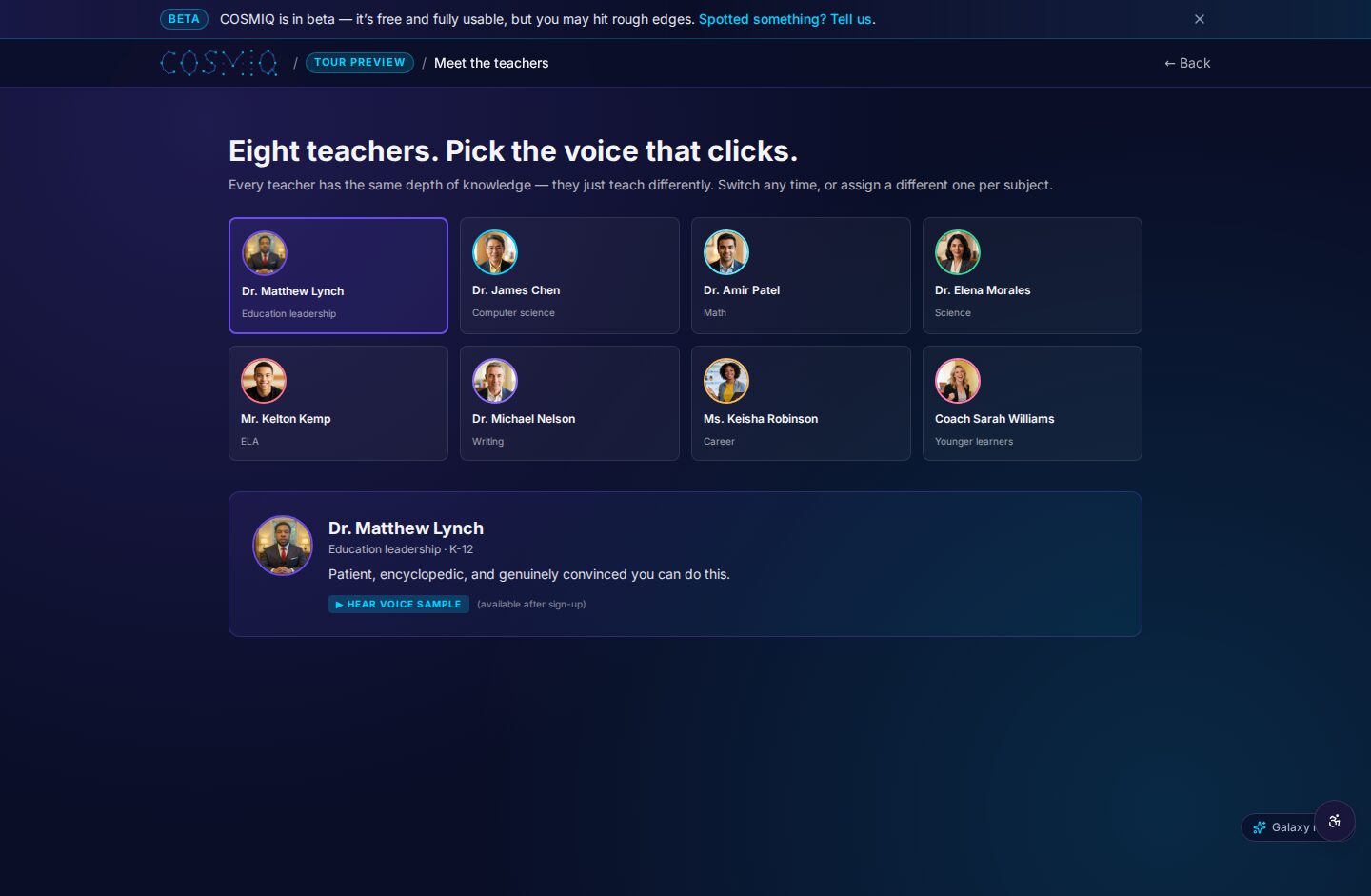
It’s crucial to understand that AI tutors are designed to complement traditional teaching, not replace it. Teachers have a unique ability to inspire and connect with students on a personal level. AI can handle repetitive tasks, allowing educators to focus more on mentoring and providing individualized attention.
Imagine a classroom where the teacher uses AI tools to identify which students need extra help. With this information, they can provide targeted support during class or through one-on-one sessions. This collaborative approach ensures that the Indiana curriculum is being effectively implemented while maximizing the benefits of both technology and human interaction.
Additionally, teachers can leverage AI to enhance classroom engagement. For example, an AI tutor might suggest interactive group activities based on collective student performance data. If the AI detects that students have a solid grasp of a subject, teachers can then pivot to more advanced discussions or projects. This ensures that the classroom environment remains dynamic and responsive to students’ needs.
Challenges and Considerations
While AI tutors hold great promise, they’re not without challenges. One significant concern is equity. Not all students have equal access to technology. In Indiana, as in many states, disparities exist in resources, which can affect the effectiveness of an AI tutor.
Additionally, there’s the risk of over-reliance. Students might become too dependent on AI for answers rather than developing critical thinking skills. It's essential to strike a balance, ensuring that while AI tutors provide support, they encourage independent thought and problem-solving.
Another important consideration is data privacy. With AI collecting and analyzing student data, concerns about who has access to this information and how it’s used must be addressed. Schools and developers need robust policies in place to protect student information while still offering personalized learning experiences.
The Future of AI in Education
Looking ahead, the future of AI in education seems bright, especially when aligned with frameworks like the Indiana curriculum and Indiana learning standards. As technology advances, we can expect AI tutors to become even more sophisticated, creating richer, more engaging learning experiences.
For instance, imagine an AI that can curate a personalized learning journey that adapts not only to a student's academic needs but also to their emotional and psychological state. This kind of innovation could revolutionize education, making it more holistic and inclusive.
Moreover, as AI technology evolves, we may see integration with other educational resources like virtual reality or gamified learning experiences. Picture a student exploring historical events through VR, with their AI tutor guiding them through the experience, offering contextual information and quizzes along the way. This convergence of technologies could create immersive learning environments that are not only effective but also incredibly engaging.
The Importance of Continuous Feedback
Continuous feedback is a critical element in the learning process, and AI tutors excel in this area. Unlike traditional assessment methods, which can sometimes be infrequent or delayed, AI can offer real-time feedback. This means that as soon as you answer a question, you’re informed whether you got it right or wrong and provided with an explanation of the concept.
For example, suppose a student is working through a series of algebra equations. After completing a set of practice problems, the AI tutor can analyze common mistakes and offer tailored practice that zeroes in on those errors. This type of iterative learning process encourages students to engage with the material actively, reinforcing concepts until they've truly mastered them.
This continuous feedback loop aligns seamlessly with the Indiana learning standards by ensuring that students are not just moving through the curriculum blindly. Instead, they’re constantly assessed and supported, leading to deeper understanding and retention of knowledge.
Engaging Students with Gamification
Another exciting avenue for AI tutors is gamification. Integrating game-like elements into learning can motivate students and make education more enjoyable. Think about it: students usually respond more positively to challenges and rewards, don’t they? AI tutors can incorporate points, badges, and levels to track progress and encourage students to achieve their goals.
For instance, imagine an AI tutor that transforms math practice into a competitive game where students earn points for each correct answer. As they progress, they can unlock new levels or challenges that require them to apply concepts in novel ways. This approach can be particularly effective for younger students, who often thrive in playful environments. It aligns well with the Indiana curriculum's focus on engagement and motivation in learning.
Moreover, gamification can provide a safe space for failure. In traditional settings, students might fear making mistakes, but in a gamified environment, they can try again without the pressure of grades. This encourages a growth mindset, an essential aspect of the Indiana learning standards that promotes resilience and perseverance in education.
Catering to Diverse Learning Needs
One of the most significant advantages of AI tutors is their ability to cater to diverse learning needs. In a traditional classroom, teachers often struggle to meet the varying abilities of all their students. Some may grasp concepts quickly, while others need more time and practice. AI tutors can bridge this gap effectively.
For instance, consider a classroom with students who have different levels of understanding in reading. An AI tutor can assess each student’s reading level and then provide customized texts that suit their proficiency. If a student is reading below grade level, the AI can present simpler texts and gradually introduce more complex literature as they improve. This tailored approach aligns beautifully with the Indiana learning standards, which advocate for differentiated instruction.
In addition to reading, AI can also assist students with special needs. For example, students with dyslexia may benefit from AI tutors that incorporate text-to-speech features or multisensory learning strategies. By offering various modalities for engagement, AI tutors ensure that all students have the opportunity to succeed.
Building a Community of Learners
AI tutors can also facilitate a sense of community among learners, even in an increasingly digital world. They can connect students not just with the content but also with each other. Imagine an AI platform where students can collaborate on projects or share their achievements with peers. This kind of interactive learning fosters a supportive environment.
For instance, consider a group of students working on a science project. An AI tutor could suggest creating a shared virtual space where they can brainstorm ideas, assign tasks, and track progress. Through these collaborative experiences, students learn not just the subject matter but also crucial social skills like teamwork and communication.
Moreover, community-building features can be particularly beneficial in aligning with Indiana's educational standards, which emphasize collaboration and communication as essential skills for the workforce. By using AI to facilitate group interactions, students can develop these competencies in a natural and engaging way.
Conclusion: A New Era of Learning?
So, could AI tutors represent a new era in learning? The potential is there, especially when they are thoughtfully aligned with existing educational standards like those in Indiana. The key lies in using these tools to enhance, rather than replace, the invaluable human element of teaching. With careful implementation and ongoing evaluation, AI could become a crucial part of a well-rounded education, helping students excel now and in the future.
Learn anything, free.
COSMIQ is a free, voice-driven AI tutor for every learner. No credit card, ever.
Start learning free →