An AI Tutor Aligned to Maine's Learning Results

As technology advances at lightning speed, education is feeling the impact in some surprising ways. One of the most intriguing developments is the rise of AI tutors—intelligent programs designed to support student learning in personalized ways. But how does this align with the specific educational goals set forth in Maine's curriculum and Maine learning standards? Let’s explore the intersection of AI tutoring and these educational benchmarks, examining how they can work together to enhance student success.
Understanding Maine's Learning Standards
Before diving into the world of AI tutors, let’s first understand what the Maine learning standards entail. Maine’s educational system is built on a foundation that emphasizes critical thinking, problem-solving, and the application of knowledge. These standards serve as a roadmap for educators, ensuring that students gain essential skills and knowledge necessary for their future.
Each subject area has its own set of standards, focusing not just on rote memorization but on deeper understanding and application. For example, in math, students are encouraged to reason abstractly and quantitatively, while in English Language Arts, they are expected to analyze texts critically. This nuanced approach aims to prepare students not just for tests, but for real-life challenges. Additionally, subjects like science incorporate inquiry-based learning, where students engage in experiments and investigations to cultivate a sense of curiosity and innovation.
The Maine learning standards also emphasize the importance of collaboration and communication skills. Students are expected to work together on projects and presentations, which not only develops their interpersonal skills but also prepares them for the collaborative nature of the modern workforce. By understanding the broader aims of these standards, we can better appreciate how AI tutors can fit into this educational framework.
What is an AI Tutor?
So, what exactly is an AI tutor? Imagine a virtual assistant that’s available 24/7, ready to help students tackle difficult subject matter. These AI systems use algorithms to adapt to individual learning styles, pacing, and content mastery. They can offer explanations, practice problems, and even assess student performance in real-time.
AI tutors are not meant to replace teachers, but rather to augment the learning experience. They can provide personalized feedback that a one-size-fits-all classroom environment often lacks. With resources like these at their fingertips, students can explore subjects at their own pace, revisiting concepts until they truly grasp them. This adaptability is essential for students with different learning abilities, as it allows for differentiation in instruction.
Moreover, AI tutors can incorporate various multimedia resources such as videos, quizzes, and interactive games to enhance engagement. For example, a student struggling with fractions might benefit from visual aids that demonstrate the concept in a more relatable way. By leveraging technology's potential, AI tutors can offer a more comprehensive learning experience that complements traditional classroom instruction.
Aligning AI Tutors with Maine's Curriculum
Now that we have a basic understanding of both Maine's curriculum and AI tutors, let’s examine how these two can align. The key lies in the adaptability of AI technology. To truly benefit from an AI tutor, it should be designed to reflect the content and skills outlined in the Maine curriculum.
For instance, if a student is struggling with a specific aspect of the Maine learning standards in mathematics, the AI tutor can be programmed to offer targeted exercises that specifically match those standards. This kind of tailored support helps ensure that students are not only learning but doing so in a way that meets state educational requirements. By pinpointing which standards a student is struggling with, the AI can adjust its approach and provide additional resources or practice problems.
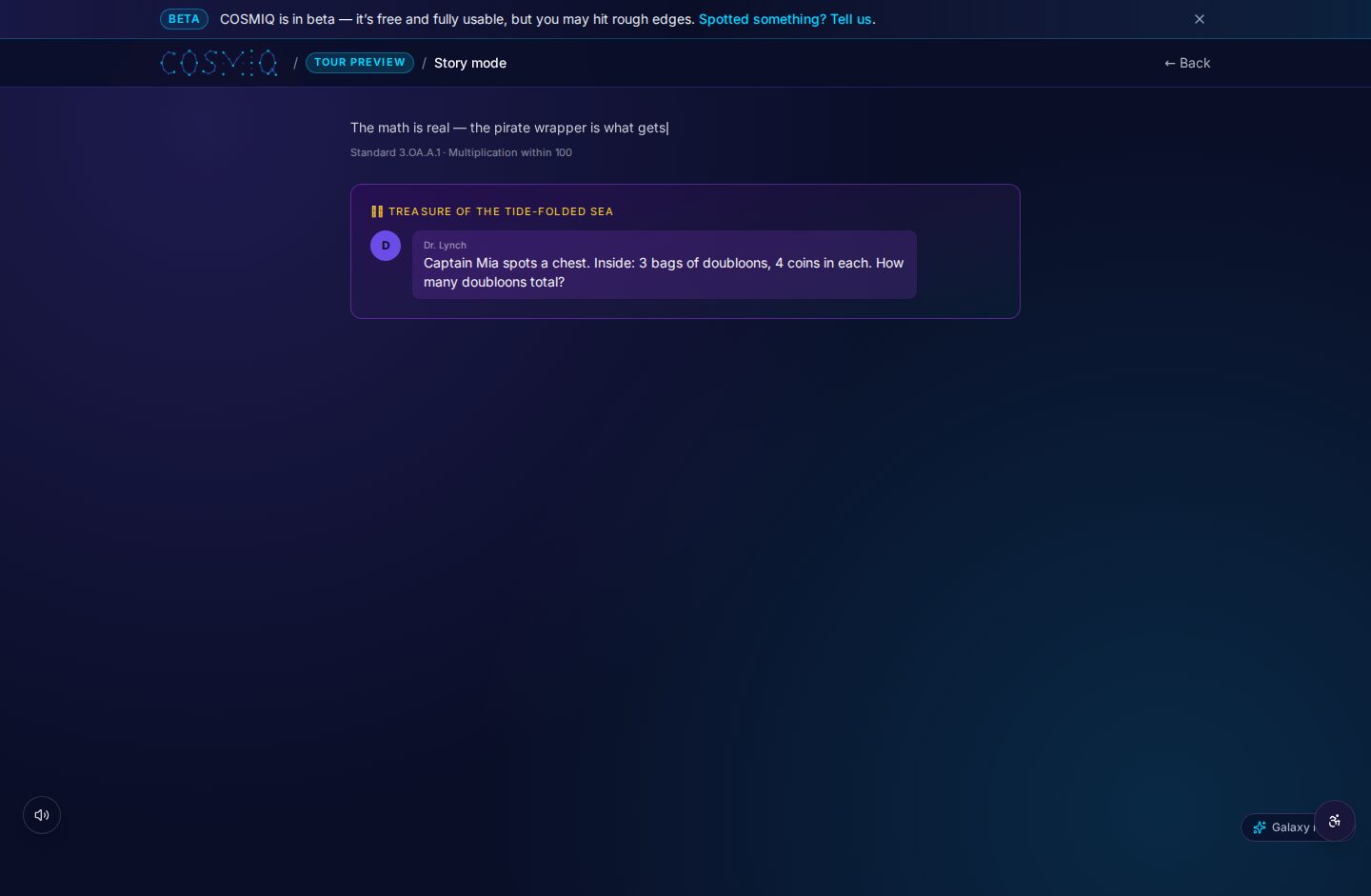
Additionally, it’s crucial for AI tutoring programs to be designed with input from educators who understand the nuances of the Maine curriculum. By collaborating with teachers, developers can create AI systems that not only align with educational standards but also resonate with the learning experiences that teachers aim to provide in the classroom. This collaboration can enhance the effectiveness of AI tutors, ensuring they’re more than just a digital tool but an integrated part of the educational ecosystem.
Real-World Applications of AI Tutors
Let’s look at some real-world examples to better understand how AI tutors can be employed in the classroom. Schools across Maine are starting to incorporate AI technology, often using programs that align their content with the state’s learning standards. For example, an AI tutor could provide interactive problem-solving exercises based on the Maine curriculum, allowing students to work through math problems step-by-step while receiving instant feedback.
Additionally, educators can track a student’s progress through the AI platform, identifying areas where they excel and where they may need additional support. This data can inform lesson planning, helping teachers create targeted interventions for students who may be falling behind. The AI tutor doesn’t just help the student; it also provides valuable insights for the educator. For instance, if a student consistently struggles with a particular standard in science, a teacher can address that specific area in class, tailoring their teaching strategy to meet the student's needs.
Another example of successful AI tutoring can be seen in language learning. Programs like Duolingo have harnessed AI to create adaptive learning pathways for students. These pathways adjust to the learner's pace and proficiency, making it easier to meet the language standards established in the Maine curriculum. Students can practice vocabulary, grammar, and pronunciation, receiving instant feedback that helps them improve in real-time.
Challenges and Limitations of AI Tutors
While the benefits of AI tutors are compelling, it’s essential to recognize their limitations. For one, not all students may respond positively to technology-based learning. Some learners thrive in face-to-face environments and may find it difficult to engage with a screen. Furthermore, reliance on AI tutors can lead to a misunderstanding of the role of teachers in the learning process. Teachers serve not just as knowledge dispensers but as facilitators of critical thinking and emotional support.
Another challenge is ensuring that the AI content aligns perfectly with the evolving Maine curriculum. If the AI hasn’t been updated to reflect the latest standards, it could provide outdated or irrelevant information to students. Schools need to be diligent in vetting AI programs for alignment with the Maine learning standards, ensuring that they are providing students with the most accurate and beneficial resources. Regular evaluations and updates are necessary to keep pace with changes in the curriculum.
Moreover, data privacy concerns need to be addressed. AI tutors often collect information about students’ learning habits and performance. Safeguarding this data is critical to maintain trust between students, parents, and educational institutions. Schools must implement clear policies on data collection and usage, ensuring that compliance with regulations like FERPA is met, while also being transparent with families about how their data is used.
The Future of AI Tutoring in Maine
The future of AI tutoring in Maine holds exciting potential. As we look ahead, we can expect continued advancements in AI technology that will further personalize the learning experience. Imagine a scenario where AI tutors can not only adapt to a student's learning pace but also their mood and engagement levels. If a student is feeling frustrated or disengaged, the AI could adjust its approach, perhaps introducing gamified elements or a change in teaching style to rekindle interest.
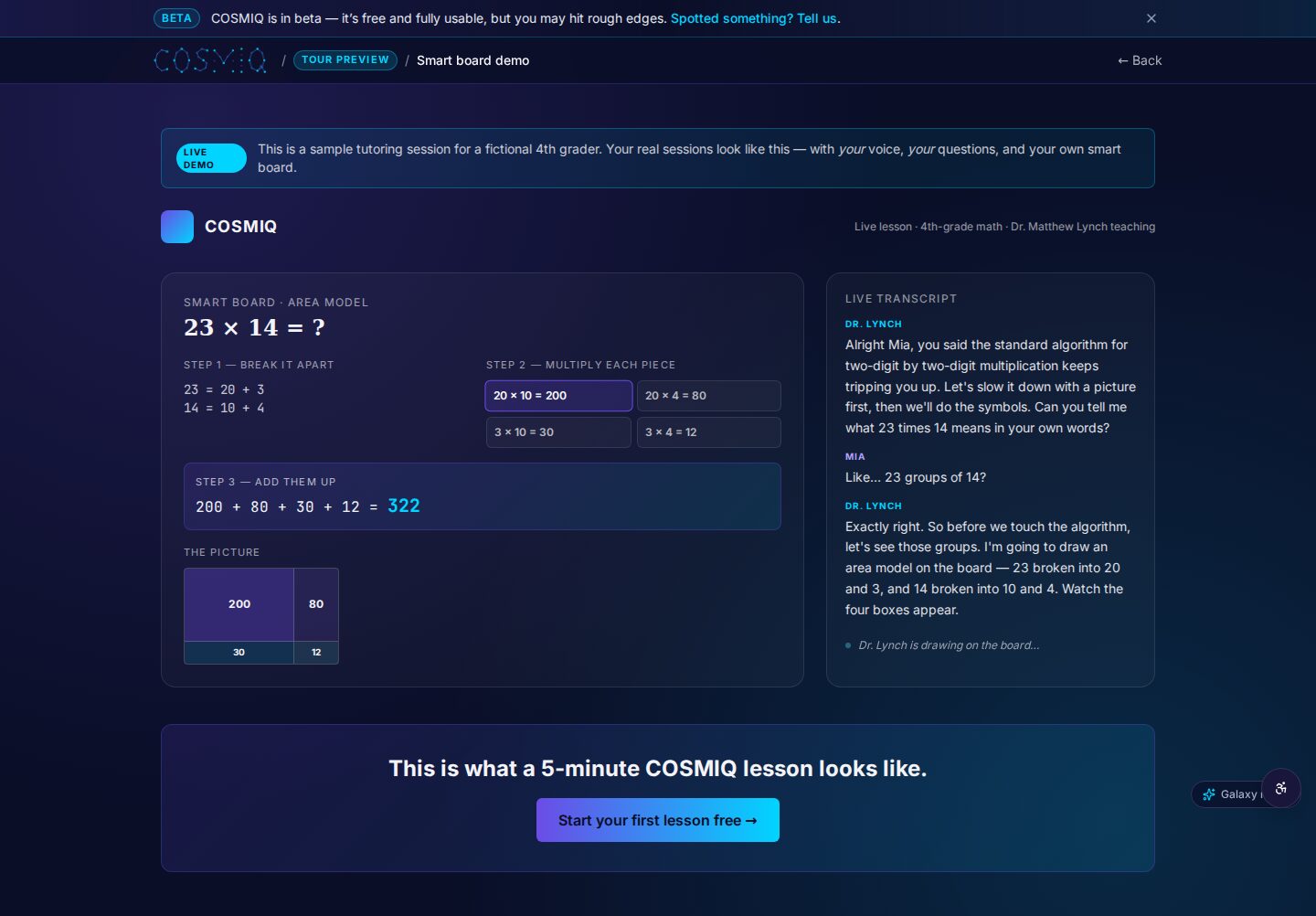
Additionally, the integration of AI tutors with other educational technologies can create a more cohesive learning environment. For example, using virtual reality (VR) in conjunction with AI could offer immersive experiences that align with Maine's learning standards in science or history, allowing students to explore complex concepts in a more interactive manner. This could lead to more profound understanding and retention of information.
However, developing these advanced systems will require collaboration among educators, tech developers, and policymakers. Stakeholders must work together to ensure that AI solutions are ethically developed, accessible to all students, and effectively aligned with the Maine curriculum. Pilot programs, funded research, and community feedback will be crucial in shaping these innovations.
AI Tutors and Equity in Education
Equity in education is a crucial issue that AI tutors can address, particularly in Maine’s diverse student population. Many students face barriers that affect their learning experiences, including socioeconomic challenges, language differences, and varied access to educational resources. AI tutors have the potential to level the playing field by providing personalized support tailored to each student's unique needs.
For instance, AI tutors can offer resources in multiple languages, benefiting English Language Learners who may struggle with traditional instruction. By providing content that is linguistically accessible, these students can better engage with the curriculum and meet the Maine learning standards. Similarly, students from lower socioeconomic backgrounds might lack access to additional tutoring resources; AI tutors can serve as an affordable alternative, offering support at home.
Additionally, AI tutors can help bridge gaps in learning that may have widened during disruptions like the COVID-19 pandemic. With many students falling behind, these tutors can provide targeted help in areas where students may need it most, aligning their practice with the Maine curriculum to ensure that they are on track with their peers. Schools can use AI data to identify at-risk students early on, allowing for timely interventions.
Teacher Training and Support for Implementing AI Tutors
To maximize the effectiveness of AI tutors, teacher training and support are essential. Educators need to feel equipped to integrate these tools into their classroom effectively. Professional development programs should focus on understanding the capabilities of AI technology, as well as best practices for combining AI tutoring with traditional teaching methods.
Training should also incorporate discussions on how to interpret data generated by AI tutors. Educators must learn to use this data to inform instruction and intervention strategies while maintaining a student-centered approach. Workshops and collaborative planning sessions could foster a community of practice among teachers, allowing them to share experiences, resources, and strategies for successful implementation.
Furthermore, ongoing support is necessary as teachers face challenges in adapting to new technologies. Schools could establish mentorship programs where experienced educators guide their peers through the integration process, sharing insights on overcoming common obstacles. This support can help ensure that AI tutors enhance, rather than complicate, the teaching and learning experience.
Learn anything, free.
COSMIQ is a free, voice-driven AI tutor for every learner. No credit card, ever.
Start learning free →