An AI Tutor Aligned to Montana's Content Standards

Education is evolving, and technology is changing the way we teach and learn. Imagine having a tutor that adapts to your learning style, understands your strengths and weaknesses, and aligns perfectly with the curriculum set by your state. That’s where AI tutors come in, particularly those designed with the Montana curriculum and Montana learning standards in mind.
Understanding the Montana Curriculum
Before diving into how AI tutors fit into the educational landscape, let’s take a moment to grasp what the Montana curriculum entails. The Montana curriculum serves as a framework for education across the state. It specifies what students should know and be able to do at each grade level. You could think of it as a roadmap for educators, guiding them in meeting the educational needs of their students.
The Montana learning standards are built around key subjects such as English Language Arts, Mathematics, Science, and Social Studies. They emphasize critical thinking, problem-solving, and the application of knowledge in real-life scenarios. By aligning AI tutors with these standards, we ensure that the learning experience is not just personalized but also rigorous and relevant.
Moreover, the Montana curriculum is not static; it evolves based on new educational research and feedback from educators, parents, and students. This adaptability ensures that the learning standards remain relevant to the current times, incorporating emerging trends in education. For instance, the integration of technology and digital literacy has become a focal point, reflecting the growing importance of these skills in a digitally driven world.
The Role of AI Tutors in Education
AI tutors are becoming increasingly popular, especially in a world where personalized learning is the gold standard. But how do these intelligent systems actually help students? Unlike traditional tutoring, which can vary in effectiveness, AI tutors analyze data in real time, adjusting to the needs of each student.
Let’s say a middle school student struggles with fractions. An AI tutor can identify this gap much more quickly than a human tutor might. It can then provide targeted lessons, practice problems, and even instant feedback tailored specifically to that student. The beauty of it is how quickly the AI adapts. If the student starts to show improvement, the tutor dynamically increases the complexity of the material.
This adaptive learning not only assists students who struggle but also challenges those who excel. A gifted student might breeze through the basics of fractions; the AI can quickly escalate to more advanced concepts, such as mixed numbers or improper fractions, ensuring that all students are engaged at their appropriate level.
Aligning with Montana Learning Standards
So how does an AI tutor align with the Montana learning standards? The magic lies in the software’s programming. Developers can encode the specific learning targets and objectives outlined in the Montana learning standards into the AI's algorithms. This ensures that any content or exercises presented to the student are relevant and beneficial.
For instance, if a student is in a third-grade math class, the AI tutor can provide problems that align with the Montana curriculum for that grade level. The content isn’t just random; it’s carefully selected to meet the educational goals set forth by the state. This approach helps students not only learn but also master the concepts they will be tested on.
Additionally, the AI can pull from a variety of resources that complement the Montana learning standards. Interactive simulations, educational games, and real-world problem-solving scenarios can all be integrated into the learning modules. Imagine a student learning about ecosystems in science; the AI could provide a virtual field trip experience, allowing them to explore different habitats while addressing specific learning objectives.
Creating a Personalized Learning Experience
One of the standout features of AI tutors is their ability to personalize the learning experience. Each student is unique, with different learning paces and styles. An AI tutor takes these differences into account, providing a customized approach that a traditional classroom setting sometimes can’t offer.
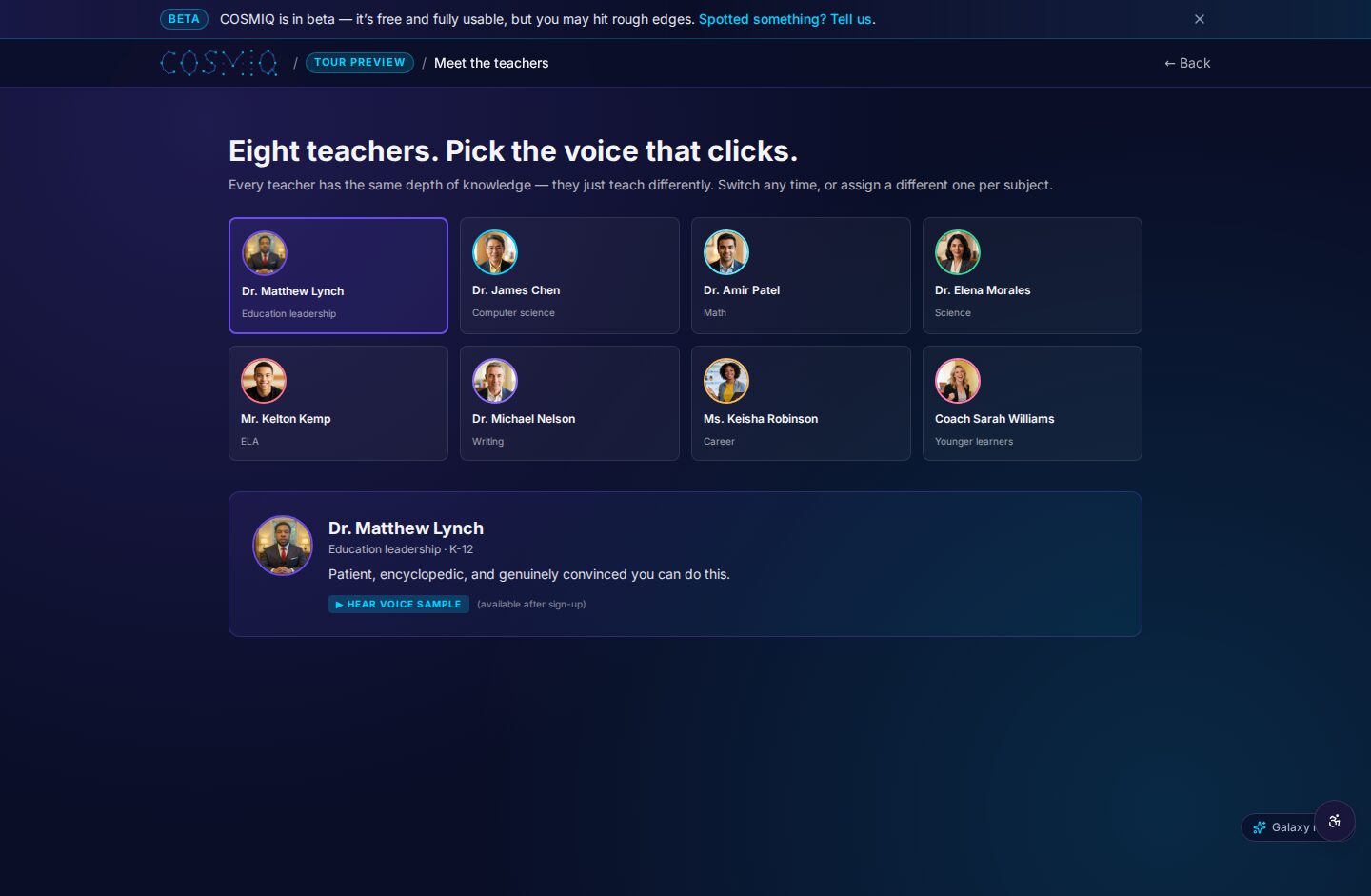
Consider students who might be visual learners. An AI tutor can utilize videos, graphics, and interactive content to better engage these learners. For auditory learners, it might incorporate spoken explanations and discussions. This level of personalization is particularly valuable in a diverse classroom where learning styles can vary widely.
Furthermore, the personalized feedback provided by AI tutors is immediate. Imagine a student answering a math question incorrectly; instead of waiting for the next class to address the error, the AI tutor can instantly analyze the response. It can offer hints, point out mistakes, and guide the student toward the correct approach, fostering a more proactive learning environment.
Benefits Beyond Standardized Testing
Many argue that standardized testing is not the best measure of a student’s learning. While the Montana learning standards aim to provide a comprehensive educational framework, AI tutors offer additional benefits that go beyond just preparing students for exams.
They foster a love for learning by making subjects more engaging. When students interact with an AI tutor, they often have a more enjoyable experience than traditional rote learning. They can explore topics of interest, tackle challenging problems at their own pace, and gain immediate rewards for their efforts. This can lead to improved retention and a deeper understanding of the material.
For instance, some AI tutors incorporate gamification into their lessons. Students might earn points or badges for completing tasks, which can motivate them to engage more deeply with the material. When learning feels like playing a game, students are less likely to view it as a chore and more as a fun challenge to tackle.
Challenges and Considerations
Of course, implementing AI tutors is not without its challenges. One primary concern is accessibility. Not all students have equal access to technology, and this digital divide can exacerbate existing educational inequalities. Schools need to ensure that every student has the tools they need to succeed.
Moreover, there’s the question of teacher involvement. AI tutors should complement, not replace, the vital role of educators in the classroom. Teachers bring empathy, social interaction, and mentorship that a machine simply can't replicate. Schools must find a balance where technology enhances the learning experience without diminishing the essential human touch.
Another challenge is the question of data privacy and security. As students interact with AI tutors, they generate a lot of data regarding their learning processes. It’s crucial for schools and developers to establish robust protocols to protect this sensitive information. Parents need to feel confident that their children’s data is safe and used ethically.
Real-World Examples
Some districts in Montana are already experimenting with AI tutors aligned to the Montana curriculum. For example, a pilot program in a rural school demonstrated how integrating an AI tutor helped students improve their reading scores by over 20% within a semester. Teachers reported that students were more engaged and motivated, contributing to a positive classroom environment.
Another case study shows how an AI-driven math tutoring program aligned with the Montana learning standards boosted student performance on state assessments. When students interact with the AI tutor, they receive instant feedback, allowing them to correct their mistakes and learn from them immediately. As a result, not only did test scores improve, but students also developed a greater appreciation for math.
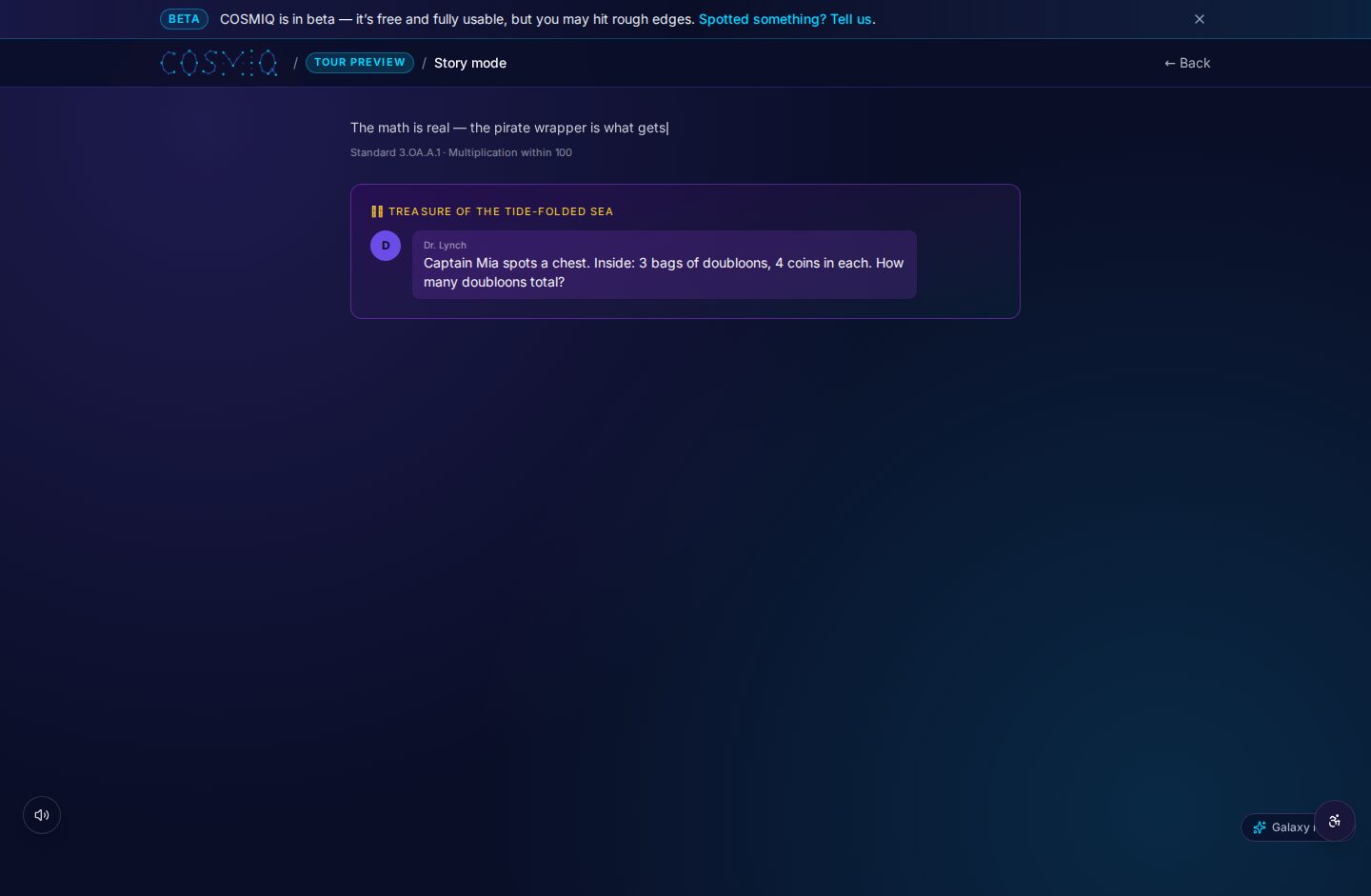
A third example comes from a school in Billings that integrated an AI tutor for science. This program allowed students to explore complex concepts in physics through interactive simulations and virtual labs. Feedback from teachers indicated that students were not only grasping the material better, but they were also developing critical thinking skills that are essential for success in STEM fields.
Looking Ahead: The Future of AI in Education
As we look to the future, the role of AI in education will undoubtedly expand. The potential is vast, from real-time performance analytics to enhanced content recommendations based on individual student progress. Schools are increasingly recognizing the need to integrate technology thoughtfully.
Imagine a classroom where an AI tutor and a dedicated teacher work side by side. The AI can handle data-driven assessments and personalized learning paths, while the teacher focuses on fostering creativity, critical thinking, and social skills. This synergy could lead to a more well-rounded education, preparing students not just for tests but for life.
In this future vision, AI could also assist educators in identifying areas where curriculum adjustments might be necessary. For instance, if a significant number of students struggle with a specific concept, the AI could signal this trend to the teachers, allowing them to modify their lesson plans accordingly. This proactive approach could lead to a more responsive educational system.
Integrating AI into Teacher Training
As AI tutors become a staple in classrooms, it’s vital to consider how to integrate this technology into teacher training programs. Educators need to understand not only how to use AI tools effectively but also how to interpret the data these tools generate.
For example, teacher training should cover best practices for interpreting AI-generated reports on student performance. A teacher might receive data indicating that a particular student excels in geometry but struggles with algebra. Understanding how to tailor instruction based on this insight can make a significant difference in student outcomes.
Furthermore, teachers should be trained to foster a collaborative environment where AI is seen as a partner rather than a replacement. Professional development programs can help educators become comfortable with the technology, ensuring they can leverage it to enrich their teaching strategies.
The Importance of Community Engagement
In addition to training teachers and ensuring accessibility, community engagement is crucial for the successful implementation of AI tutors in Montana schools. Parents and local organizations need to be brought into the conversation, helping them understand the benefits and limitations of AI in education.
Workshops can be held to educate parents about AI tutors, showcasing how these tools align with the Montana curriculum and learning standards. When parents understand that these tools can support their children’s learning, they’re more likely to embrace and advocate for their use.
Moreover, local businesses and organizations can play a role in providing resources or funding to ensure that all students have the necessary access to technology. Community partnerships can help bridge the digital divide, allowing every student to benefit from personalized learning opportunities.
Learn anything, free.
COSMIQ is a free, voice-driven AI tutor for every learner. No credit card, ever.
Start learning free →