An AI Tutor Aligned to North Dakota's Standards

As education technology continues to evolve, the idea of an AI tutor is no longer just a concept found in sci-fi novels. Instead, it’s becoming a reality, especially in North Dakota. With the state’s commitment to quality education, integrating an AI tutor aligned to North Dakota’s curriculum and learning standards could profoundly impact both students and educators. This article explores how such a tool can support personalized learning, enhance educational outcomes, and align with state-specific expectations.
Understanding North Dakota's Educational Framework
Before diving into the specifics of an AI tutor, it’s essential to understand the North Dakota curriculum and learning standards. These standards provide a roadmap for what students should know and be able to do at each grade level. They cover a wide range of subjects from mathematics and science to social studies and the arts.
In essence, they ensure that all students in North Dakota receive a comprehensive education that prepares them for the future. But how do we ensure that every student meets these standards? That’s where an AI tutor can step in.
The North Dakota curriculum is designed to be rigorous yet flexible, allowing for variations in teaching styles and student needs. For instance, the state encourages educators to use a variety of instructional strategies that can engage all learners. By aligning the capabilities of an AI tutor with these standards, we can provide a tool that not only meets educational benchmarks but adapts to the unique needs of each student.
Take, for example, the K-12 science standards that emphasize inquiry-based learning. An AI tutor can facilitate experiments and provide guided questions that push students to think critically and engage deeply with the material. This is especially beneficial in subjects where hands-on experience can deepen understanding, such as biology or physics.
The Role of AI in Personalized Learning
Imagine a learning environment where every student has access to their own personalized tutor, available around the clock. An AI tutor can analyze a student’s strengths, weaknesses, and learning pace to customize lessons specifically for them. This means that if a student is struggling with algebra, the AI can provide additional resources and practice problems tailored to that student’s needs.
For instance, if a fifth-grader in Fargo struggles with fractions, the AI tutor can deliver targeted exercises and visual aids that bring the concept to life. This targeted approach not only keeps students engaged but also helps them progress at their own pace, ultimately aligning with the North Dakota learning standards.
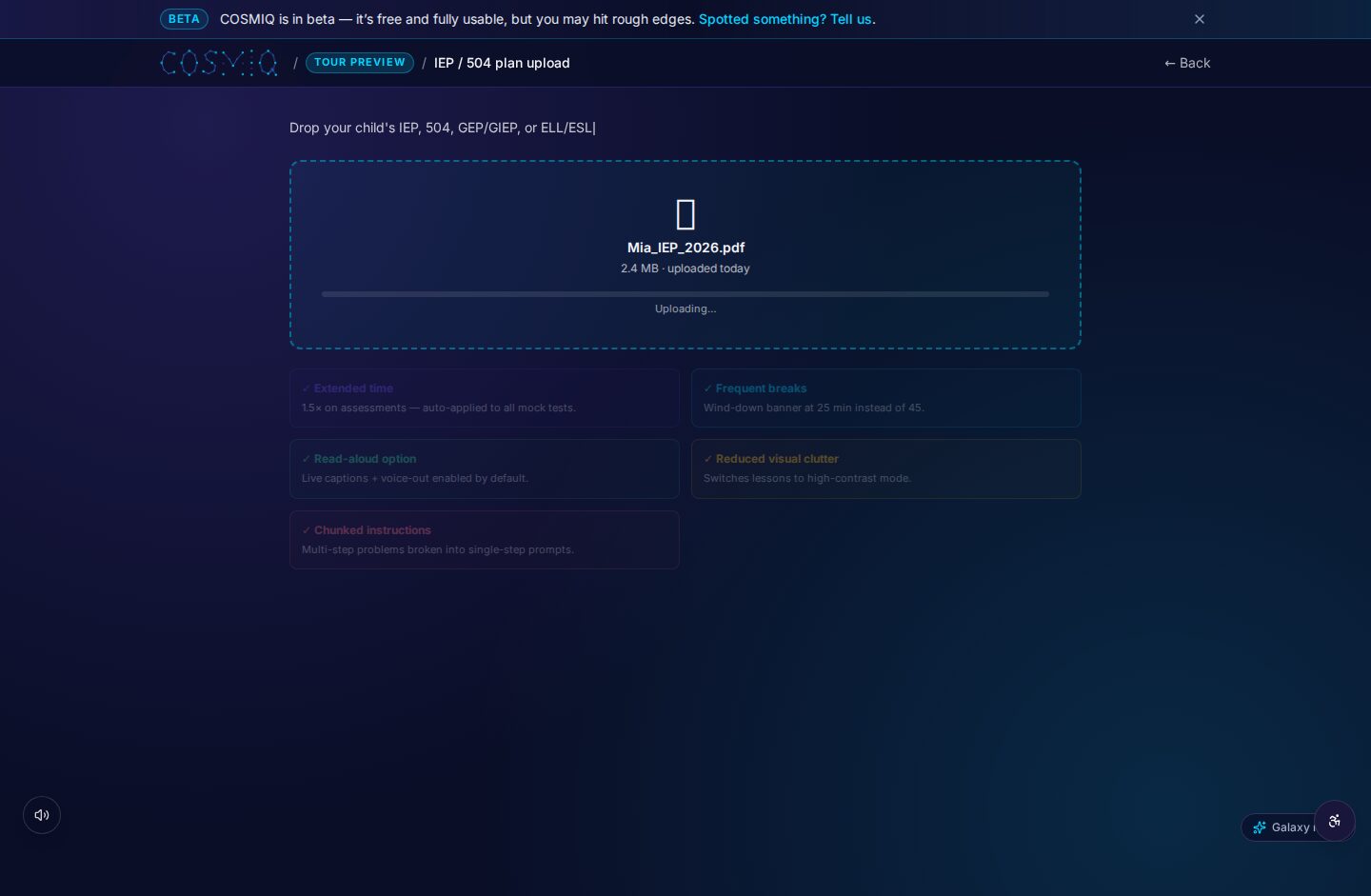
This level of personalization is particularly useful for students who may not thrive in a traditional classroom setting. Take a student with learning disabilities, for instance. The AI can offer alternative ways to present information, perhaps through multimedia resources or gamified learning experiences, ensuring that the content resonates more effectively.
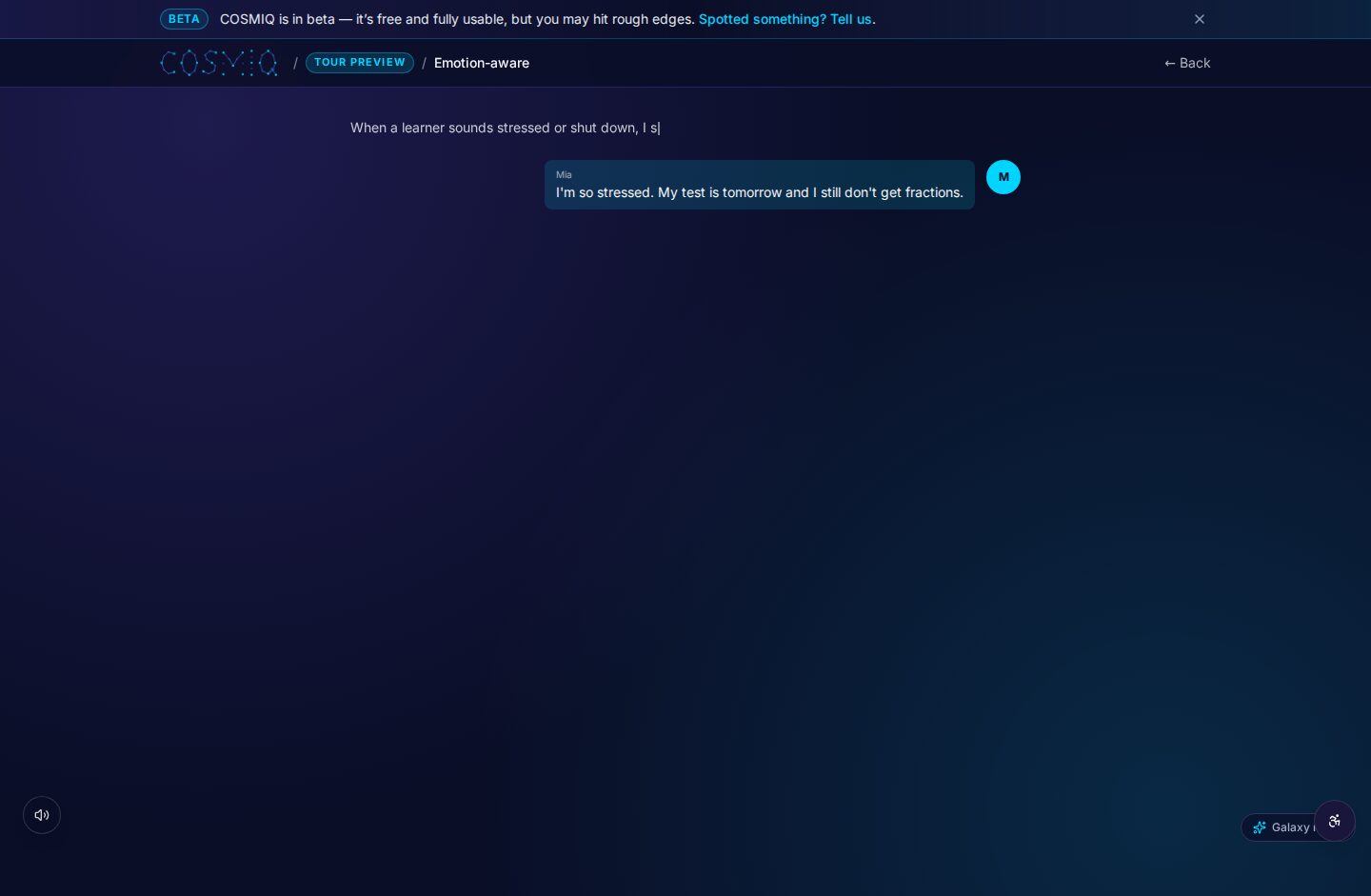
Moreover, AI tutors can adapt to a student’s emotional and motivational states as well. If a student seems frustrated, the AI could switch tactics, offering encouragement or changing the approach to a less challenging topic. This adaptability ensures that learning remains a positive experience.
Benefits of AI Tutors for Teachers
Teachers are often stretched thin, juggling multiple students with diverse learning needs. An AI tutor can take some of the pressure off by handling routine questions and providing supplementary materials. Imagine a classroom where students can get instant feedback on their homework, allowing teachers to focus on more complex issues during class time.
Moreover, AI can generate reports that track student progress, identifying trends over time. This data is invaluable for educators who want to ensure their teaching methods align with the North Dakota curriculum. By utilizing this data, teachers can adjust their lesson plans to meet the needs of their students more effectively.
Consider a scenario where a teacher notices several students struggling with a particular concept, say, long division. The AI tutor can compile data on student performance and highlight these trends. The teacher can then intervene, perhaps revisiting the topic with more hands-on activities or engaging group discussions.
Additionally, an AI tutor can serve as a professional development tool for teachers. By analyzing which instructional methods yield the best results based on student performance data, educators can refine their approaches and share best practices. This continuous feedback loop enhances the overall teaching quality and directly aligns with the North Dakota learning standards.
Addressing Learning Gaps with AI
One of the significant challenges in education is addressing the learning gaps that exist among students. Many students may not have access to the same resources or support at home. An AI tutor can bridge this divide, providing equal access to educational materials tailored to the North Dakota learning standards.
For example, consider a student in a rural community who may not have access to advanced courses in their school. An AI tutor can offer advanced learning modules in subjects like calculus or physics, ensuring that all students have opportunities to excel regardless of their geographic location. This versatility not only helps individual students but raises the overall academic level of the classroom.
In addition, the AI can identify specific areas where students are falling behind, offering targeted interventions. If a student consistently struggles with reading comprehension, the AI tutor can recommend specific texts and exercises designed to build those skills. This individualized attention is critical in closing achievement gaps.
Furthermore, an AI tutor can be particularly beneficial during times of crisis or disruption, such as the recent global pandemic. Students who face interruptions in learning due to unforeseen circumstances can rely on AI for continuity, ensuring that they stay on the path to meeting the North Dakota curriculum.
Integrating AI into the Classroom Experience
Implementing an AI tutor isn’t just about adding new technology; it’s about seamlessly integrating it into the existing classroom experience. Teachers can incorporate AI as a supplemental tool, enhancing traditional teaching methods rather than replacing them. This hybrid approach allows students to benefit from both human interaction and AI support.
A successful integration strategy could involve starting with pilot programs that allow educators to test the AI tutor in their classrooms. Feedback from both students and teachers would be critical in refining its functionality, ensuring it aligns with the North Dakota curriculum and learning standards. Over time, this feedback can help create a more robust system that meets the unique needs of North Dakota educators and students.
Teachers could also engage students in discussions about how to make the most of AI tutoring. By involving students in this conversation, they gain agency over their learning experience and can express their preferences. This collaborative approach ensures that the AI tutor becomes a valued part of the classroom environment rather than an isolated tool.
Furthermore, regular training sessions for teachers could be established to help them understand the AI’s features and capabilities better. Knowledgeable teachers can guide students in using the technology effectively, ensuring that it complements educational objectives rather than obfuscating them.
Challenges and Considerations
While the potential of an AI tutor is exciting, it’s essential to acknowledge the challenges that come with it. One primary concern is ensuring that the AI aligns not just with the North Dakota curriculum but also with the varying learning styles of students. What works for one student might not work for another.
Additionally, data privacy is a significant concern. Schools must ensure that any AI system used complies with regulations regarding student data. Transparency about how data is collected and used is crucial for building trust among students and their families.
Another challenge is the potential reliance on technology. While AI tutors can provide invaluable assistance, there’s a risk that students may become overly dependent on them. Educators must find a balance between technological support and traditional learning methods to encourage critical thinking and problem-solving skills.
Moreover, there's the question of equal access. Not all students may have the same level of access to devices or reliable internet connections. This digital divide could exacerbate existing inequalities unless schools take proactive steps to ensure that all students can benefit from AI tutors.
Looking Forward: The Future of AI in Education
As we look to the future, the impact of AI on education in North Dakota could be transformative. Imagine a scenario where students can engage with their AI tutor in different languages, allowing for better comprehension and support for diverse learners. AI could also facilitate real-time assessments, providing immediate feedback to students and teachers alike.
The continued development of AI technology promises to enhance educational experiences, making learning more tailored and accessible. It’s not just a tech trend; it’s a step toward a more equitable education system.
The integration of AI tutors could also foster greater collaboration among educators. As teachers share insights and experiences with AI, a community of practice could emerge that not only nurtures individual professional growth but also enhances the collective teaching efficacy across the state.
The goal is clear: to create an environment where every student can thrive and meet the North Dakota learning standards. An AI tutor, when thoughtfully integrated, can be a powerful ally in achieving that vision.
Expanding AI Capabilities Through Continuous Learning
AI technology is not static; it's continuously evolving. This inherent flexibility allows for the adaptation of AI tutors to better meet the changing needs of students and the educational landscape. To maximize their effectiveness, developers must focus on continuous improvement and updates based on user feedback.
For instance, as new educational research emerges regarding best practices in pedagogy, an AI tutor can be reprogrammed to incorporate these findings. This could mean updating lesson plans to include newly developed strategies for teaching math or reading that have shown promising results.
Additionally, AI can leverage machine learning algorithms to analyze vast amounts of data over time, identifying not just individual student patterns but broader trends in educational outcomes. This data-driven approach can inform future curriculum changes, ensuring that North Dakota's educational standards evolve in tandem with student needs.
As AI tutors become more sophisticated, they could also integrate more interactive elements, such as virtual reality (VR) simulations for science experiments or historical explorations. These immersive experiences can deepen students’ understanding and engagement, making learning both enjoyable and impactful.
Fostering Emotional Intelligence Through AI Support
One often-overlooked aspect of education is the development of emotional intelligence. While academic skills are crucial, students also need to cultivate social and emotional competencies to navigate life effectively. AI tutors can play a role here by integrating social-emotional learning (SEL) components into their programs.
AI can be programmed to recognize and respond to emotional cues from students. For example, if a student expresses frustration or anxiety about a particular subject, the AI can provide encouragement or suggest mindfulness techniques to help them refocus. This personalized emotional support can help students develop resilience and a growth mindset.
Furthermore, incorporating scenarios that require students to practice empathy or problem-solving in social contexts can also be beneficial. An AI tutor can simulate real-life situations that challenge students to think critically and respond appropriately, helping them build the soft skills that are increasingly vital in today’s world.
By fostering emotional intelligence alongside academic skills, AI tutors can contribute to the holistic development of students, preparing them not just for tests, but for life beyond the classroom.
Learn anything, free.
COSMIQ is a free, voice-driven AI tutor for every learner. No credit card, ever.
Start learning free →