An AI Tutor Aligned to Pennsylvania's Academic Standards

Understanding the Pennsylvania Curriculum
When we talk about education in Pennsylvania, we can't overlook the significance of the Pennsylvania curriculum. This framework guides the way educators approach teaching and the expectations they set for students. But what does this mean for you or your child as a student? It’s about more than just textbooks and tests; it's a roadmap designed to enhance learning and ensure students meet specific educational benchmarks.
The Pennsylvania curriculum isn’t just a list of subjects or topics; it's a carefully structured guide that emphasizes critical thinking, analytical skills, and problem-solving. It covers a wide range of subjects, including math, science, language arts, and social studies, ensuring a well-rounded educational experience. And this is where aligning modern educational tools—like AI tutors—with these standards becomes essential.
Understanding this curriculum also means recognizing its adaptability and focus on different educational phases. The curriculum is revised regularly to stay relevant, incorporating new teaching methodologies and technological advancements. For instance, the integration of STEM (Science, Technology, Engineering, and Mathematics) education reflects a growing acknowledgment of its importance in today’s job market. By fostering early engagement in these subjects, the Pennsylvania curriculum aims to prepare students not just for higher education, but for careers in fields that will be increasingly vital.
Moreover, the curriculum stresses the importance of social and emotional learning (SEL). Pennsylvania recognizes that academic success isn’t solely about intellectual ability; it also involves emotional health and interpersonal skills. The curriculum includes guidelines for teaching students how to manage their emotions, build positive relationships, and make responsible decisions. This holistic approach is key for developing well-rounded individuals who can contribute positively to society.
Why AI Tutors Matter
Let's face it: traditional methods of teaching don’t work for every student. Each child has a unique learning style. Some grasp concepts quickly, while others need more time and practice. Here’s where AI tutors come into play. They can provide personalized support, adapting to each learner's pace and style.
Imagine your child struggling with algebra. An AI tutor can step in, offering tailored explanations and practice problems that focus on their specific challenges. This technology uses data to understand strengths and weaknesses, creating a customized learning path. Not only does this promote deeper understanding, but it also boosts confidence by allowing students to master concepts at their own speed.
AI tutors also cater to different types of learners. For example, visual learners benefit from graphical representations and videos, while auditory learners may thrive with spoken explanations. These tutors can incorporate multimedia resources to deliver content, ensuring that all students find something that resonates with them. The flexibility of AI tutors means they can provide different pathways to grasping the same concept—essentially offering multiple explanations until one clicks for a student.
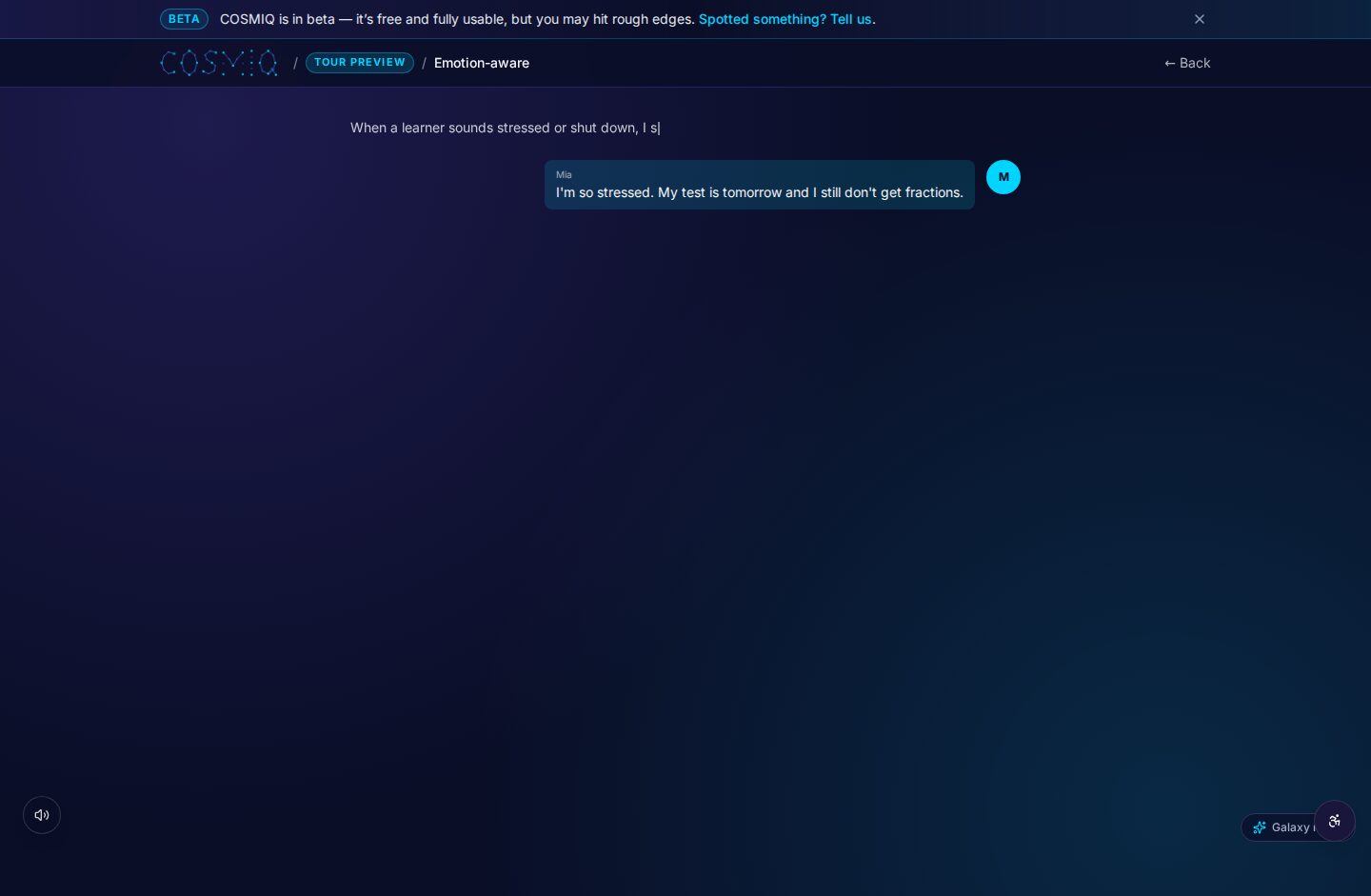
Furthermore, one of the most significant advantages of AI tutors is their ability to provide a safe space for mistakes. In traditional classroom settings, the fear of judgment can sometimes inhibit a student's willingness to engage or ask questions. With AI, students can experiment, make errors, and learn at their own pace without the anxiety of being in front of peers. This supportive environment can lead to greater exploration and a deeper love for learning.
Aligning with Pennsylvania Learning Standards
To be truly effective, an AI tutor must align with the Pennsylvania learning standards. These standards serve as the educational foundation for what students in the state should know and be able to do at each grade level. It’s not just about passing tests; it’s about cultivating skills that students will carry with them throughout their lives.
For example, the Pennsylvania learning standards for mathematics emphasize problem-solving and real-world applications. An AI tutor designed with these standards in mind can present math problems in the context of everyday situations, helping students see the relevance of what they're learning. When students understand why they're learning something, they're more likely to engage with the material.
Let’s take a closer look at the standards for reading and writing. Pennsylvania learning standards require students to analyze texts critically and communicate effectively. An AI tutor can help by providing diverse reading materials that challenge students and spark discussion. For instance, students could read a short story and then engage in a discussion with the AI about the themes and character motivations. This kind of interaction not only meets the standards but fosters a love for literature and a deeper appreciation for narrative structures.
Moreover, by aligning with the Pennsylvania learning standards, AI tutors can help bridge the gap between in-class learning and homework. Students often struggle with homework because they don’t fully grasp what was taught during lessons. An AI tutor can reinforce classroom concepts, providing extra practice that directly mirrors what’s being taught. This two-pronged approach helps solidify understanding and prepares students for assessments.
Features of an Effective AI Tutor
What should you look for in an AI tutor? First, ensure it provides real-time feedback. This feature is crucial because immediate corrections allow students to learn from their mistakes without the pressure of waiting for a teacher’s next class. Second, adaptability is key. The best AI tutors adjust their approach based on a student’s answers and engagement levels, ensuring a personalized experience.
Another important feature is content alignment. The AI tutor should be equipped with lessons and assessments that directly reflect the Pennsylvania curriculum and learning standards. This ensures that when your child uses the tutor, they’re practicing skills that will be tested in school.
Beyond feedback and adaptability, an effective AI tutor should also track progress over time. This should include detailed analytics that show how a student is improving, which skills they are mastering, and which areas still need work. Parents can access this data to have informed conversations about educational needs. For example, if the analytics show consistent struggles with fractions, you can work with your child to focus on that area using additional resources or targeted practice.
Lastly, consider the user interface. A friendly and intuitive design can make a world of difference in a child’s willingness to engage. If the platform is easy to use and visually appealing, students are more likely to spend time on it. Many students can be deterred by complex interfaces; a straightforward design invites exploration and learning.
Integrating AI Tutors into Home Learning
So, how do you integrate an AI tutor into your home learning environment? Start by setting aside dedicated time for your child to interact with the tutor. Consistency is key. Just as students wouldn’t skip a math class, they shouldn't skip their AI learning sessions.
Encourage your child to ask questions. A major advantage of AI tutors is their capability to respond instantly, something that even the best teachers can’t always do. If your child is curious about a specific problem or concept, they can get immediate assistance, fostering a curiosity-driven learning environment.
You can also create a conducive environment for learning. Designate a quiet space in your home free of distractions, where your child can focus on their sessions with the AI tutor. This physical separation from other activities can help your child mentally prepare for learning time.
Another effective strategy is to involve yourself in the process. Sit with your child during their AI tutoring sessions to see how they interact with the material. This not only shows your child that you care about their education, but it also gives you insight into their learning progress. You might discover which topics excite them or which ones they find challenging, allowing you to provide additional support when needed.
Monitoring Progress and Understanding Learning Styles
It’s not enough to just let your child use an AI tutor; you need to actively monitor their progress. Most AI platforms will provide analytics on performance—what concepts have been mastered, where they’re struggling, and how they’re progressing over time. Use this data to guide your discussions with your child. Celebrate their successes, and thoughtfully address areas where they need improvement.
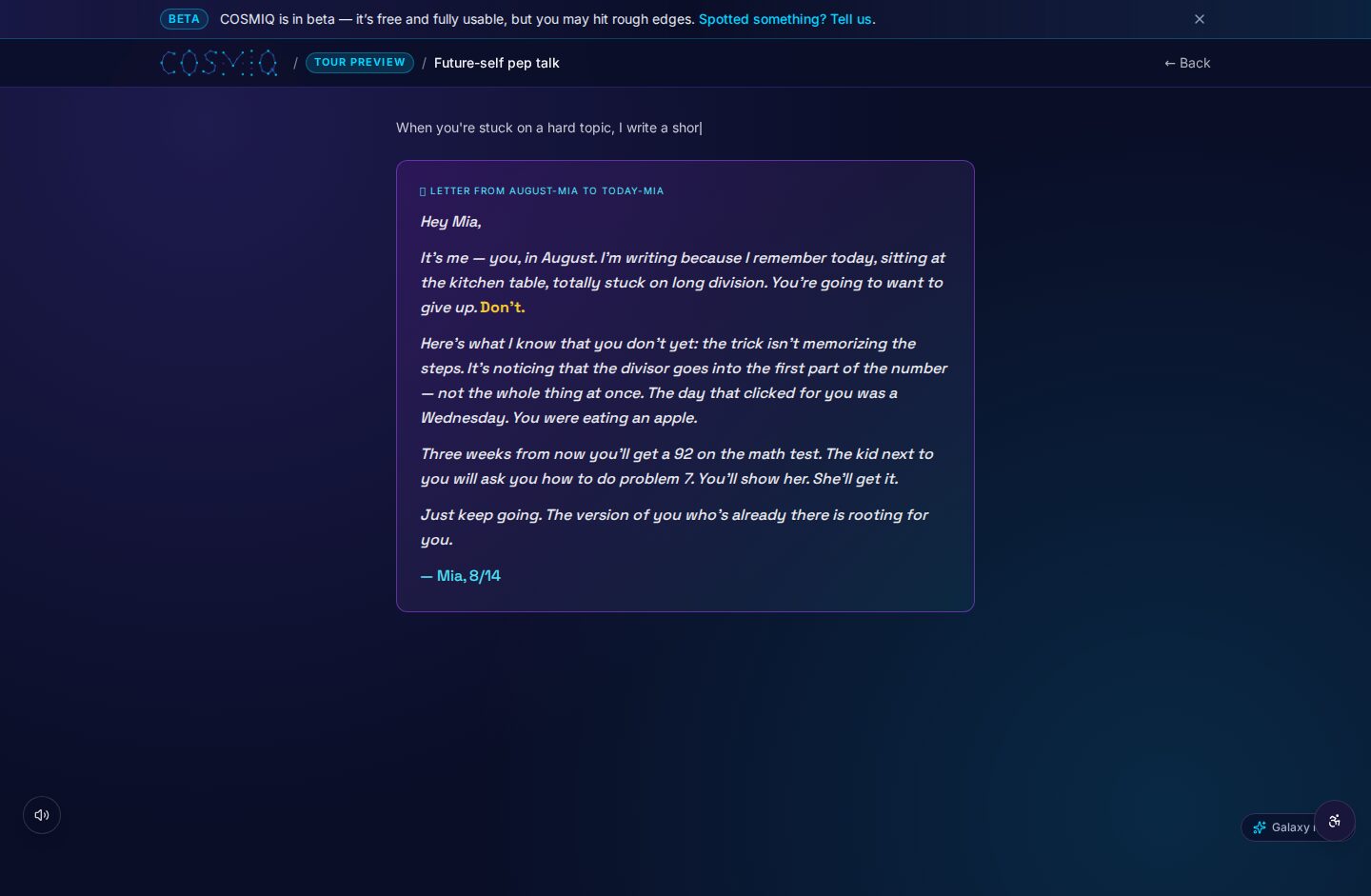
Additionally, take note of your child’s learning style. Are they visual learners who benefit from diagrams, or do they prefer a more auditory approach? The best AI tutors can cater to different styles, but making sure your child is engaged is still up to you. You know your child best—be their advocate.
It’s also worthwhile to incorporate varied resources alongside the AI tutor. For example, if your child is struggling with a concept, consider supplementing their learning with videos, books, or even educational games that target the same skills. This multi-faceted approach can help reinforce learning and cater to your child’s preferred ways of absorbing information.
Finally, set goals together. Whether it's mastering a new topic or achieving a certain score on practice quizzes, having clear objectives can motivate your child and make learning feel more purposeful. Make sure to revisit and adjust these goals as they progress.
The Future of Education in Pennsylvania
Looking ahead, the integration of AI tutors aligned with the Pennsylvania learning standards is likely to play a pivotal role in education. As technology continues to evolve, so too will the educational tools available to students and teachers. Schools are increasingly adopting these technologies, and it’s only a matter of time before AI tutors become a staple in every household.
This shift could lead to a more equitable education system. Not every child has the same access to resources outside of school, but AI tutors can provide that extra layer of support, regardless of where a student lives. Imagine every child in Pennsylvania having access to a personalized educational experience that meets them at their level—it’s a vision worth striving for.
However, as we embrace these advancements, we must remain vigilant about ensuring that technology complements traditional methods rather than replacing them. Teachers will always play an irreplaceable role in fostering a love of learning and inspiring students. AI can serve as a valuable supplement, but it’s vital that we maintain a balance.
Additionally, there’s a growing need for digital literacy as we move towards an increasingly tech-driven educational environment. Students must not only be adept at using AI tutors but also understand the principles behind the technology. Classes on digital literacy can help students navigate this landscape, ensuring they are equipped to utilize these tools effectively and responsibly.
Final Thoughts on AI and Education in Pennsylvania
In the end, aligning an AI tutor with the Pennsylvania curriculum and learning standards is not just a smart choice; it’s a powerful one. It offers an opportunity to enhance education in a way that’s tailored to your child’s needs. As you consider tools for your child’s education, remember that technology should complement, not replace, traditional learning. It’s about creating a balanced approach that prepares students for the challenges of tomorrow.
Engaging with AI tutors not only helps students with their immediate educational needs. It also prepares them for a future where technology will be ever-increasingly intertwined with everyday life. So, take that step. Embrace the potential of AI in education and watch your child thrive.
Lastly, as you navigate this journey, keep an open line of communication with your child's teacher. They can provide insights on how the AI tutor aligns with classroom instruction and help tailor your approach to best fit your child's unique learning path. Education is a partnership, and together, you can help your child reach their fullest potential.
Learn anything, free.
COSMIQ is a free, voice-driven AI tutor for every learner. No credit card, ever.
Start learning free →