An AI Tutor Aligned to South Dakota's Content Standards

Introduction
With the rise of technology in education, AI tutors are becoming a staple in classrooms across the country. But what does this mean for South Dakota's schools? As educators strive to meet the south dakota curriculum and adhere to the south dakota learning standards, integrating AI can provide personalized support for students. Let’s explore how AI tutors can align with these educational frameworks, ensuring that technology supplements rather than replaces traditional learning.
Understanding South Dakota's Educational Frameworks
Before we dive into the specifics of AI tutors, it's crucial to understand South Dakota's educational standards. The state has a comprehensive set of learning standards that outline what students should know and be able to do at each grade level. These standards cover various subjects, including math, science, social studies, and English language arts.
These guidelines ensure that all students receive a high-quality education, regardless of where they live in the state. The south dakota curriculum is designed with the goal of fostering critical thinking, problem-solving, and creativity among students. But how can AI tools fit into this framework?
The south dakota learning standards are not merely a list of benchmarks; they serve as a roadmap for educators, guiding their instruction and assessment practices. Understanding these standards is essential for leveraging AI in a way that enhances student learning outcomes. For example, the standards emphasize inquiry-based learning in science. AI tutors can provide simulations that encourage students to ask questions, test hypotheses, and draw conclusions, all of which align with the state's educational goals.
The Role of AI Tutors
AI tutors offer a unique approach to supporting student learning. They can provide personalized feedback, adapt to individual learning styles, and address specific gaps in knowledge. This adaptability is vital for meeting the diverse needs of students across South Dakota.
For instance, consider a student struggling with fractions. An AI tutor can assess their understanding and provide targeted exercises to reinforce these concepts. By doing so, it aligns with the south dakota learning standards that emphasize mastery of foundational skills before moving on to more advanced topics.
On a broader scale, AI tutors can analyze data from multiple assessments to identify patterns in student performance. If a particular group of students consistently struggles with a specific topic, the AI can generate reports for teachers, highlighting areas of concern. This data-driven approach helps educators tailor their instruction to meet the needs of their students effectively.
Personalized Learning Experience
One of the most significant advantages of using AI tutors is the personalization aspect. Traditional classrooms often face challenges in catering to each student's individual needs due to time constraints and differing learning paces. With AI, students can learn at their own speed.
Imagine a classroom where students are working on different assignments at the same time. One might be mastering basic algebra, while another is exploring historical events. AI can track their progress, offering additional resources and challenges based on their performance. This tailored approach aligns perfectly with the south dakota curriculum, which emphasizes personalized learning pathways.
In practical terms, this means students can engage with interactive exercises that adapt in real time. If a student excels in a particular concept, the AI tutor can introduce more challenging questions to push their learning further. Conversely, if a student is struggling, the AI can slow down the pace, providing supplementary materials that reinforce key concepts.
Immediate Feedback and Support
Instant feedback is another crucial feature of AI tutors. When students complete exercises or quizzes, they often want to know how they did right away. AI tutors can immediately analyze their responses and provide constructive feedback. This immediacy helps students identify mistakes and understand concepts better.

For example, if a student answers a question incorrectly, the AI can offer hints or explanations tailored to the student’s level of understanding. This adaptability ensures that the learning experience is aligned with the south dakota learning standards, which encourage timely intervention and support.
Moreover, immediate feedback fosters a growth mindset among students. When they receive constructive criticism right after an attempt, it encourages them to reflect on their mistakes and view challenges as opportunities for growth. This is particularly important in subjects like math, where a strong foundation is critical for future success.
Fostering Engagement and Motivation
Let’s face it: not every student is excited about school. Incorporating AI tutors can help boost engagement. By using gamification strategies—like badges, rewards, and challenges—AI can make learning feel more engaging.
For instance, if a student completes a certain number of lessons in a math module, they could earn a virtual badge. This kind of motivation can make a significant difference, especially for students who might struggle with traditional learning methods. The south dakota curriculum places a strong emphasis on engagement, and AI has the tools to make learning exciting.
But engagement isn't just about fun and games. AI tutors can also tap into a student's interests. For example, if a student is passionate about space, the AI can provide math problems related to astronomy or science activities about planetary exploration. Connecting learning to students' interests fosters a deeper engagement and relevance, aligning with the overarching goals of the south dakota learning standards.
Supporting Teachers in the Classroom
While AI tutors can significantly benefit students, they also provide support for teachers. With the pressures of standardized testing and curriculum requirements, educators often find themselves stretched thin. AI tutors can take on some of the repetitive tasks, allowing teachers to focus on more critical aspects of instruction.
For example, AI can assist in grading assignments or tracking student progress, providing teachers with data that helps them make informed decisions about their instruction. This collaborative approach aligns with the south dakota learning standards, which recognize the essential role teachers play in guiding and assessing student learning.
In addition, AI can facilitate professional development by identifying areas where teachers might need additional training. If a certain concept is consistently challenging for students, AI can alert educators, prompting discussions about instructional strategies and resources that can enhance teaching effectiveness.
Challenges and Considerations
Of course, integrating AI into the classroom isn't without its challenges. One of the most significant concerns is ensuring equity in access to technology. Not every student has the same access to devices or the internet, which can create disparities in learning outcomes.
Moreover, teachers must be adequately trained to use AI tools effectively. They need to understand how to integrate these technologies into their lessons while still adhering to the south dakota curriculum. Time and resources for professional development are essential in overcoming these hurdles.
Privacy and data security also come into play when using AI in education. Schools must ensure that student data is protected and used responsibly. Implementing robust data protection policies is essential to maintain trust between educators, students, and parents.
Looking Forward: The Future of AI in South Dakota Education
As we look to the future, the potential for AI to transform education in South Dakota is immense. By aligning AI tutors with the south dakota learning standards, schools can create a more personalized, engaging, and effective learning environment.
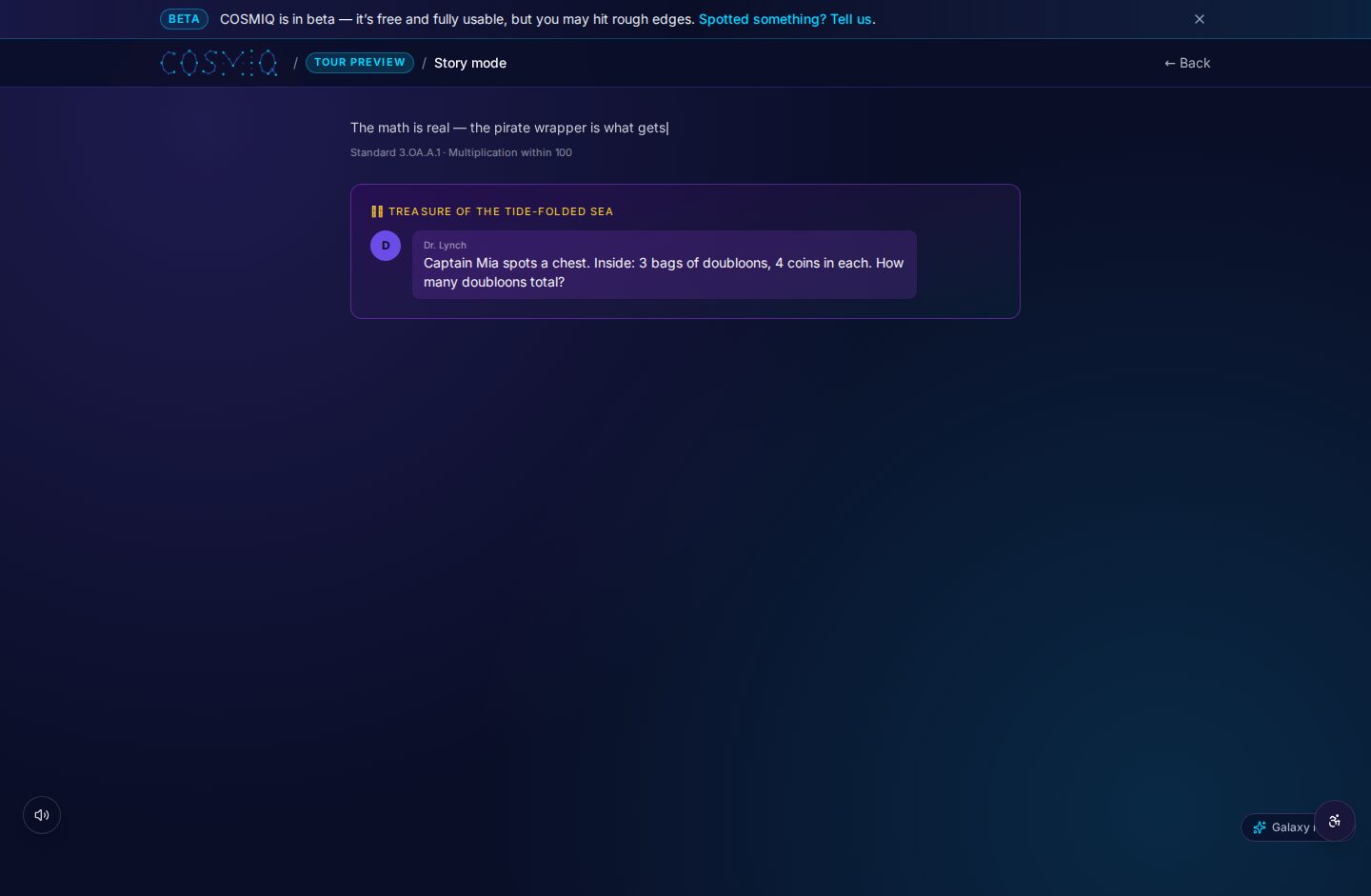
The possibilities are exciting. Imagine a classroom where each student receives feedback tailored to their unique needs, and teachers have the tools to support every learner effectively. As technology continues to advance, the integration of AI in education will likely become more seamless.
AI tutors won't replace teachers; instead, they will complement and enhance the teaching experience. By embracing these tools, South Dakota can lead the way in innovative education, ensuring that students are not only meeting the standards set forth but thriving in their learning journeys.
Integrating AI with Traditional Teaching Methods
AI tutors do not exist in a vacuum. Their integration into the classroom must be carefully planned to complement traditional teaching methods. Effective integration can lead to a holistic education experience that leverages the strengths of both technology and face-to-face instruction.
For example, teachers can use AI data to identify which students need extra help before a lesson. If the AI indicates that a significant number of students are struggling with a concept, the teacher can adjust their lesson plan to address this gap first before delving into more advanced material. This approach aligns with the south dakota learning standards by ensuring that all students have a solid foundation before progressing.
Moreover, educators can use AI to enhance collaborative learning experiences. For instance, teachers can assign group projects where AI tutors assist students in research, project management, and data analysis. This not only fosters teamwork but also empowers students to learn from one another, deepening their understanding of the subject matter.
Ensuring Continuous Improvement of AI Tools
The effectiveness of AI tutors relies on continuous improvement. Feedback from students and teachers can help developers refine these tools, ensuring they meet the evolving needs of the classroom. A collaborative approach, involving educators in the development process, is essential.
Schools can facilitate focus groups or surveys to gather input from both teachers and students about their experiences with AI. Are the tutors user-friendly? Do they provide the kind of support that enhances learning? This feedback loop can lead to significant enhancements in AI capabilities, ensuring they remain relevant and effective.
Furthermore, keeping abreast of technological advancements in AI is crucial. As new research emerges, schools should be prepared to update their tools and methods. Regular training sessions for educators on new features and best practices can optimize the benefits of AI tutors.
Community Engagement and Parental Involvement
When integrating AI tutors into the classroom, community engagement and parental involvement play vital roles. Educators should communicate openly with parents about the use of AI tools and how they support the learning process. Providing parents with resources and training can empower them to support their children effectively at home.
Schools can host workshops where parents learn about the AI tutors being used in the classroom, including their features, benefits, and how to access them. This engagement not only helps parents understand the technology but also fosters a collaborative spirit between home and school. When parents are informed and engaged, students tend to perform better, as they feel supported both in and out of the classroom.
Additionally, local community organizations can play a role in providing resources and support for schools implementing AI. By creating partnerships with tech companies or educational nonprofits, schools can gain access to funding, training, and support that enhances the integration of AI into the classroom.
Learn anything, free.
COSMIQ is a free, voice-driven AI tutor for every learner. No credit card, ever.
Start learning free →