An AI Tutor Aligned to Tennessee Academic Standards

Imagine a classroom where every student gets personalized attention, where learning is tailored to meet individual needs, and where technology seamlessly integrates into the academic experience. This isn’t just a dream anymore; it’s becoming a reality with AI tutors that align with the Tennessee curriculum and Tennessee learning standards.
What is an AI Tutor?
AI tutors are digital platforms that use artificial intelligence to provide personalized instruction. They adapt to each student's learning pace, identifying strengths and weaknesses along the way. Instead of a one-size-fits-all approach, these tutors offer customized lessons that cater to the unique needs of each learner.
Imagine a student struggling with algebra. An AI tutor can provide additional practice problems tailored to that student's specific gaps in understanding. If a learner excels in reading comprehension, the AI can accelerate their learning with more challenging texts. This adaptability is not just convenient; it’s essential for effective education.
The magic of AI tutors lies in their ability to analyze a student’s performance in real-time. They assess answers, detect patterns in mistakes, and even predict future performance. This allows for a dynamic learning experience, where lessons can shift overnight based on daily assessments. For example, if a student continually struggles with fractions, the AI tutor can adjust its lessons accordingly, offering up more visual aids or interactive exercises until the student masters the concept.
Benefits of AI Tutors in Tennessee Schools
The integration of AI tutors in Tennessee classrooms offers various benefits. For starters, they can help bridge the gap for students who may struggle due to differing educational backgrounds or learning disabilities. Teachers can use these tools to supplement their teaching, allowing them to focus on providing support and encouragement.
Additionally, AI tutors can save time. With busy schedules filled with lesson planning, grading, and classroom management, teachers can’t always provide individualized attention. AI tutors step in to fill that void, offering immediate feedback to students. This instant support fosters a more engaging learning environment.
Consider the scenario of a student who misses school due to illness. With an AI tutor, that student can continue learning from home. The tutor can provide assignments and lessons aligned with the Tennessee curriculum, ensuring that the student stays on track even when they’re away from the classroom. This continuity in education is crucial, especially for maintaining academic progress.
Furthermore, AI tutors can serve as a resource for parents. Many parents feel ill-equipped to help their children with homework, especially as subjects become more complex. An AI tutor can provide tips and resources for parents, helping them understand the material so they can better support their child’s learning process.
Aligning with Tennessee Learning Standards
One of the critical aspects of implementing AI tutors in Tennessee is ensuring they align with the Tennessee learning standards. These standards outline what students are expected to learn at each grade level. By ensuring that AI tutors are built around these benchmarks, educators can guarantee that students are receiving a quality education that meets state requirements.
For instance, if the Tennessee curriculum emphasizes critical thinking skills in math for third graders, an AI tutor can focus on problem-solving tasks that encourage this. By aligning with the state’s educational goals, AI tutors not only help students achieve mastery in their subjects but also prepare them for standardized tests.
Moreover, the alignment with Tennessee learning standards ensures that the content is relevant and suitable for students. It prevents the risk of AI tutors teaching material that is either too advanced or not challenging enough. For instance, if the standards require students to learn about ecosystems in fifth grade, the AI tutor will offer interactive lessons about local Tennessee wildlife and habitats, making the learning experience more relatable and engaging.

The process of aligning AI tutors with these standards isn’t just a one-time job; it requires constant updates. As Tennessee education policies evolve, AI programs must adapt. This means that developers must work closely with educators and policymakers to ensure the content remains relevant and effective.
Real-World Implementation
Several schools across Tennessee have started to integrate AI tutors into their classrooms. For example, a middle school in Nashville has adopted a reading program that utilizes an AI tutor to assist students struggling with literacy. Teachers reported that students using the AI tutor showed a significant improvement in their reading levels within weeks.
These real-world applications highlight how effectively AI tutors can enhance learning. By providing tailored assistance, these platforms have empowered students to take ownership of their education, paving the way for more motivated and engaged learners. It’s a win-win situation: teachers get the support they need, and students receive the personalized attention that can make all the difference.
In another instance, a high school in Memphis incorporated AI tutors into their math classes. Students were initially skeptical, but teachers noted that the interactive nature of the AI tutor engaged students in ways that traditional teaching methods hadn’t. By simulating real-world math problems, students began to see the relevance of what they were learning, and their grades reflected a marked improvement.
Schools have also hosted workshops to familiarize students with AI tutors, ensuring they feel comfortable using these tools. This proactive approach has led to increased participation and enthusiasm around learning. The more students understand how to utilize these resources, the more they benefit from them.
Challenges to Consider
Of course, not everything about AI tutors is smooth sailing. There are challenges to consider. One significant concern is the digital divide. Not all students have equal access to the technology required to use these AI tools. In Tennessee, where rural and underserved areas exist, this disparity could hinder the effectiveness of AI tutors.
Moreover, implementing AI tutors requires training for teachers. They need to understand how to incorporate these tools effectively into their teaching strategy. If teachers aren’t comfortable with the technology, the potential benefits may not be fully realized. Schools must invest not just in the technology but also in professional development.
Another challenge is ensuring the quality of the AI content. Not all AI programs are created equally. Some may offer engaging interfaces but lack robust educational content. Schools must be diligent in their selection process to ensure that the AI tutors they choose truly enhance learning.
Finally, there’s the question of data privacy. With AI tutors collecting data on students to provide personalized experiences, schools need to ensure that they are handling this data ethically and in compliance with legal standards. Parents should feel confident that their children’s information is secure.
The Future of AI in Education
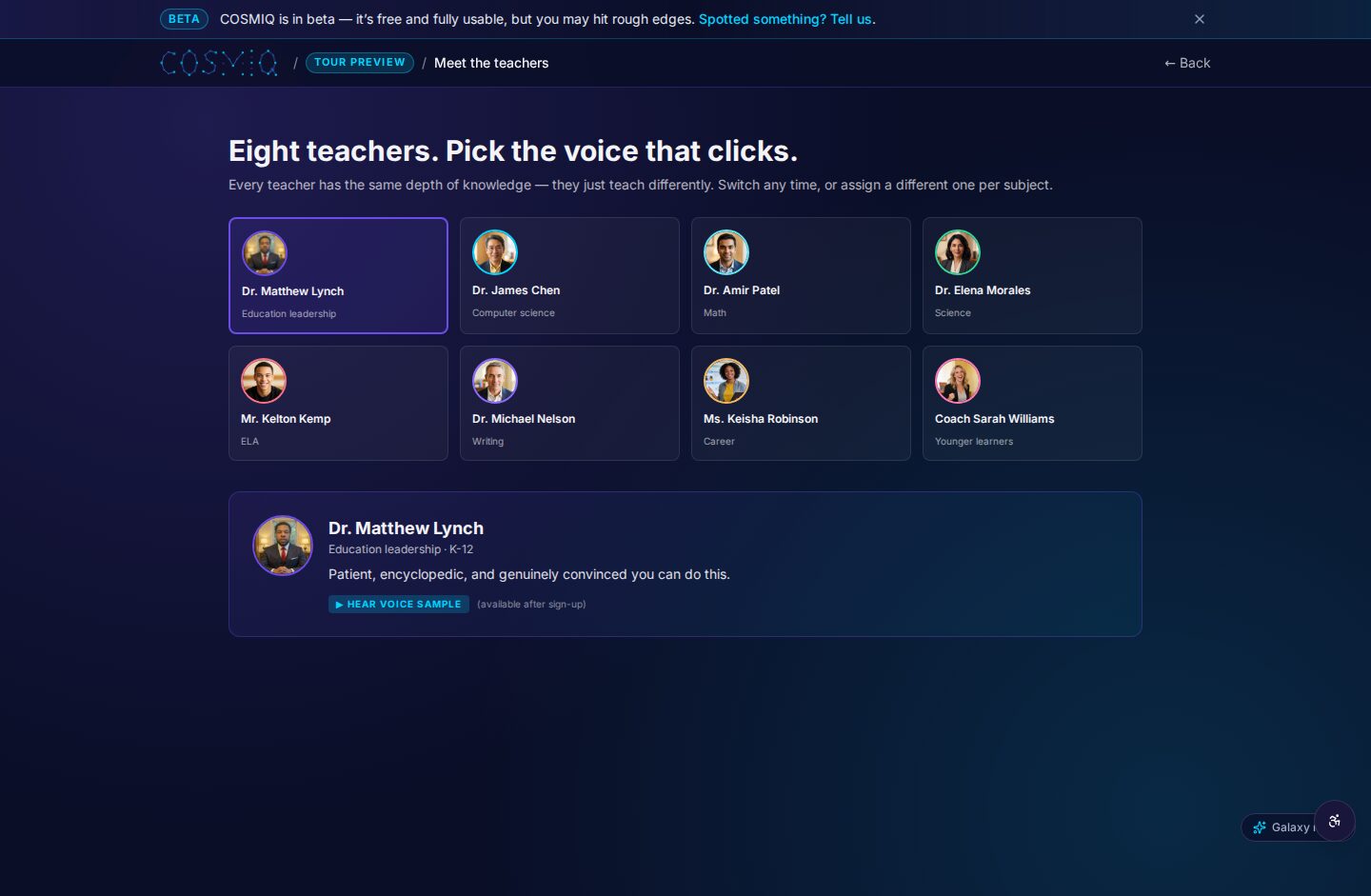
Looking ahead, the future of AI tutors in Tennessee education seems promising. As technology continues to evolve, these tools will only become more sophisticated. Imagine AI tutors capable of not just delivering content but also engaging students in interactive discussions or providing real-time assessments that help inform instructional decisions.
With ongoing advancements in artificial intelligence, the potential for a more personalized educational experience is vast. Schools can create a learning environment where students can thrive, and teachers can focus on what they do best: inspiring and mentoring young minds.
In the coming years, AI tutors may also integrate augmented reality (AR) and virtual reality (VR) elements. Picture a student learning about ancient civilizations through a virtual field trip, exploring the Pyramids of Giza while guided by an AI tutor. It’s not just about learning facts; it’s about experiencing history.
The collaboration between AI and human educators will also be key. While AI can offer data-driven insights and personalized learning paths, the empathy, creativity, and adaptability of teachers are irreplaceable. The future will likely see a blended model where AI tutors complement traditional teaching methods, creating a balanced approach.
Ensuring Equity in Access to AI Tutors
To fully harness the benefits of AI tutors, it’s crucial to address issues of equity in access. Many Tennessee schools, especially in urban and rural areas, face challenges related to technology access. To mitigate this, schools can partner with local organizations to provide devices and internet access to students who need them.
Additionally, training programs should be developed not only for teachers but also for students and parents. Workshops that demonstrate how to use AI tutors effectively can empower families to support their children’s learning at home. These initiatives can bridge the gap, ensuring that all students have the tools they need to succeed.
By fostering partnerships between schools, tech companies, and community organizations, we can create a support system that ensures every student, regardless of their background, has equal access to high-quality educational resources. This collaborative effort can help transform the educational landscape in Tennessee, making personalized learning a reality for all.
In summary, equity isn't just a nice-to-have; it’s a necessity. Addressing these disparities will not only enhance the learning experience for individual students but will also uplift entire communities, driving educational success across the board.
Conclusion: A New Era in Learning
The introduction of AI tutors aligned with the Tennessee curriculum and Tennessee learning standards represents a significant shift in how education can be delivered. While there are challenges to overcome, the potential benefits for students and teachers alike are immense. Whether it’s helping a child grasp complex math concepts or assisting with reading skills, AI tutors have the capacity to transform learning experiences.
As we move forward, it’s essential for educators, administrators, and policymakers to remain engaged in this conversation. By embracing technology while ensuring it’s accessible to all students, we can create a brighter, more equitable future for education in Tennessee. After all, the ultimate goal is to prepare our students not just for exams, but for life. The journey is just beginning, and the possibilities are as vast as the Tennessee horizon.
Learn anything, free.
COSMIQ is a free, voice-driven AI tutor for every learner. No credit card, ever.
Start learning free →