An AI Tutor Aligned to the Iowa Core

Understanding the Iowa Core and Its Importance
The Iowa Core is more than just a set of guidelines; it represents a commitment to educational excellence across the state. It establishes clear expectations for student learning and ensures that every child receives a quality education. As educators, parents, and students navigate this framework, it's crucial to understand how it shapes curriculum design and classroom instruction. So, why should you care about the Iowa learning standards?
First off, these standards provide a roadmap. They outline what students should know and be able to do at each grade level. This isn’t just about passing tests. It’s about nurturing critical thinking, creativity, and problem-solving skills in students. When everyone is on the same page regarding these goals, it fosters a more equitable educational landscape.
Consider the difference between a classroom operating without these standards versus one that utilizes them fully. In the former, teachers might feel disoriented, scrambling to create their own benchmarks while students flounder in uncertainty. In contrast, a classroom guided by the Iowa Core becomes a well-oiled machine, where teachers can focus on delivering high-quality instruction tailored to defined learning outcomes. This clarity not only benefits teachers but also instills confidence in students as they recognize that their educational journey is mapped out with clear milestones.
The Role of AI in Education
Artificial Intelligence has entered the education sector in a big way. Imagine having a tutor that’s available 24/7, tailored specifically to your child's learning style. That's the promise of AI in education. But how does this mesh with the Iowa curriculum?
AI can analyze a student’s performance in real-time, providing immediate feedback and personalized learning paths. If a student struggles with math concepts, the AI tutor can offer extra practice tailored to their specific gaps in understanding. This personalized approach has proven effective in keeping students engaged and motivated.
Think about it: if a student is struggling with fractions, an AI tutor can pinpoint that weakness and provide relevant practice problems, explanations, and even interactive visual aids to help solidify their comprehension. This type of focused learning experience allows students to master areas of difficulty at their own pace, rather than getting lost in a one-size-fits-all classroom setting.
However, the capability of AI extends beyond mere data analysis. Another exciting aspect is its ability to adapt to various learning styles. Some students might excel with visual content, while others might prefer auditory explanations. AI can switch gears accordingly, providing the most effective learning methods tailored to each student's needs.
Aligning AI Tutors with Iowa Learning Standards
One of the biggest concerns regarding AI tutors is whether they align with the educational standards set forth by the state, particularly the Iowa learning standards. It’s crucial that any AI tool used in classrooms directly reflects these standards.
When developing an AI tutor, the creators should ensure that it covers all subjects outlined in the Iowa Core. This means integrating benchmarks and objectives that are specific to each grade level. The AI should also adapt to the progress of the learner, modifying its approach based on the Iowa curriculum’s benchmarks. This ensures that students are not only practicing but are also mastering the relevant skills that will prepare them for future academic challenges.
For instance, if the Iowa learning standards dictate that third graders should be able to identify and use figurative language, an effective AI tutor should include lessons and quizzes focused specifically on that skill. As students progress, the AI could also introduce more complex examples, gradually increasing the difficulty to match their growing capabilities.
Moreover, the alignment doesn't stop at academic content. The emotional and social aspects of learning, which are increasingly recognized as essential, must also be embedded within AI tools. How can AI support emotional intelligence, empathy, and collaboration among students? This question warrants deeper exploration as we aim for a holistic educational experience.
Benefits of Using an AI Tutor in Iowa Classrooms

So, what are the real benefits of incorporating an AI tutor into Iowa classrooms? For starters, you get immediate assessment. Teachers can track how well students are grasping concepts through the data collected by the AI. This allows for timely interventions when students hit a rough patch.
Moreover, AI tutors can offer varying levels of difficulty, accommodating each student's unique pace. This differentiation is key in a classroom where students have diverse learning needs. Some may thrive with advanced challenges, while others may require a bit of extra support. An AI tutor can easily adjust to meet these needs, ensuring that no student is left behind.
Additionally, AI tutors can enhance the overall learning environment. With the administrative burden lifted off teachers—thanks to AI's ability to handle assessments and track progress—educators can invest more time in fostering a supportive and engaging classroom atmosphere. Imagine teachers being able to dedicate their energies to creative lesson planning or facilitating group projects rather than sifting through piles of grading.
AI tutors can also enrich students’ experiences by providing resources that extend beyond traditional textbooks. They can offer interactive games and simulations that make learning engaging and fun. A student learning about ecosystems could explore a virtual rainforest, discovering plants and animals while completing educational tasks. It's a hands-on learning experience without leaving the classroom.
Challenges and Considerations
While the prospects are exciting, it’s not all sunshine and rainbows. Integrating AI tutors into classrooms comes with its own set of challenges. For instance, not every school in Iowa has the same level of access to technology. This disparity can create gaps in learning opportunities.
Another concern is the potential for over-reliance on technology. Yes, an AI tutor can be incredibly beneficial, but it shouldn’t replace the valuable human interactions that occur in a classroom. Teachers play a crucial role in providing social emotional learning and fostering relationships that AI simply can’t replicate.
Furthermore, there’s the issue of data privacy. As AI tutors collect and analyze student data, concerns arise about how that information is used and stored. Parents and educators alike need assurances that sensitive information is protected and that AI tools comply with relevant regulations.
Finally, consider the impact on students’ critical thinking skills. If students become too dependent on AI for answers, will they struggle to develop problem-solving abilities? Striking a balance is crucial. Integrating AI should enhance education, not hinder fundamental skills.
What Parents and Educators Should Look For
If you’re considering an AI tutor for your child, it’s essential to vet the options available. Does the software align with the Iowa curriculum? Does it cover all Iowa learning standards relevant to your child’s grade level? Look for tools that provide transparency in their educational approach.
Moreover, consider user reviews. What do other parents and teachers say about these tools? Are there success stories? Gathering insights from those who've used the software can provide a clearer picture of its effectiveness.
Check out whether the AI tutor includes interactive features that foster engagement. Does it offer games, quizzes, or activities that can keep students motivated? Involve your child in the decision-making process. Their comfort level with technology and their learning preferences are vital to ensure they embrace the tool.
Also, don’t overlook the importance of ongoing support. Does the AI tutor come with adequate resources for parents and teachers? Are there channels for addressing questions or concerns? Solid support systems can make a significant difference in how effectively the AI tutor is integrated into learning.
The Future of AI in Iowa Education
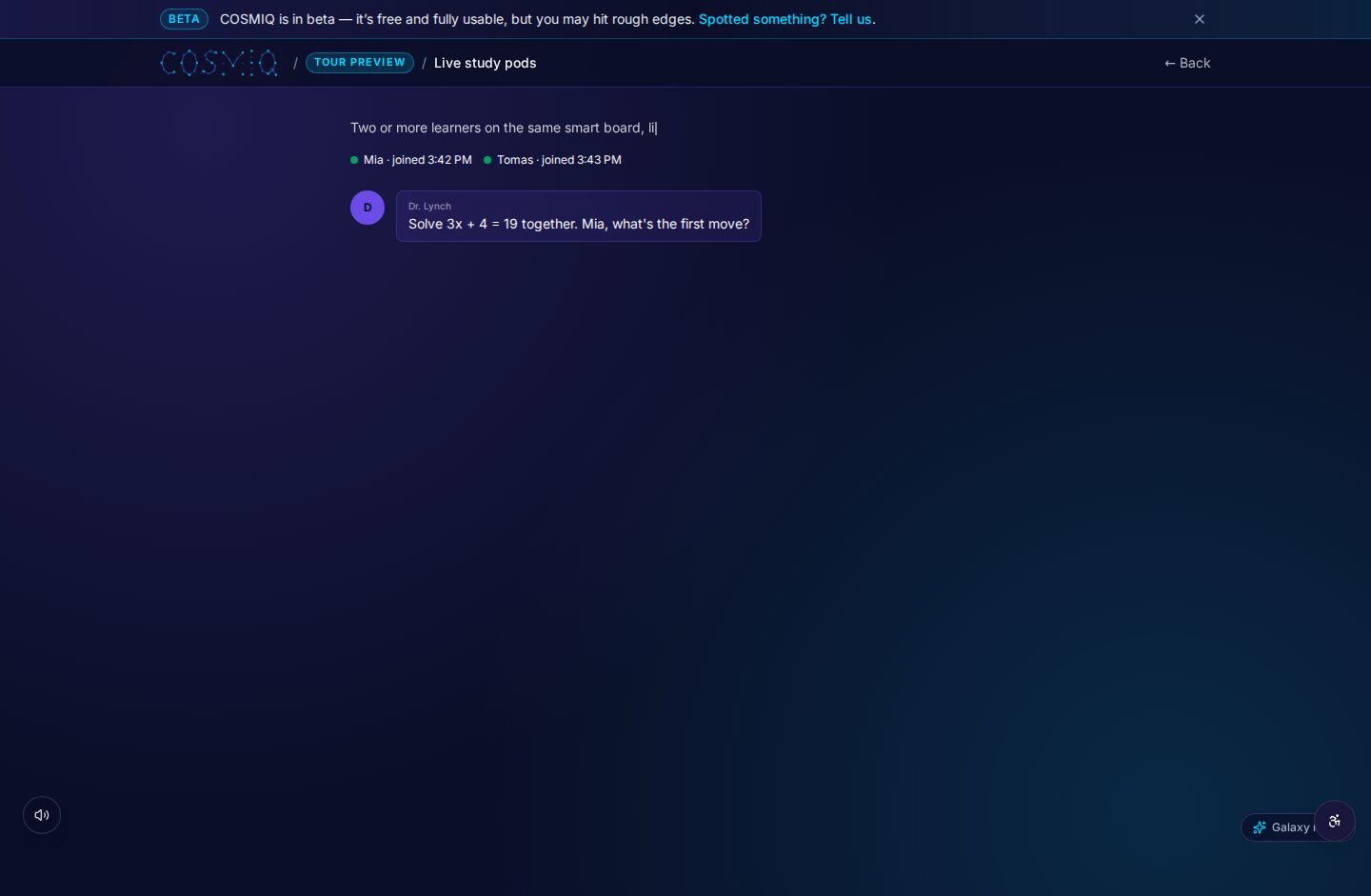
The future looks promising for AI in education, particularly when aligned with standards like the Iowa Core. Imagine a classroom where every student receives personalized instruction tailored to their unique learning journey, while teachers get the support they need to focus on more complex teaching tasks.
As technology evolves, it’s essential that educators and policymakers keep the lines of communication open. Collaboration will be key in ensuring that AI aligns seamlessly with the Iowa learning standards. Feedback from students, parents, and teachers will help refine these tools, making them even more effective.
In this future, we might even see AI tutors collaborating with teachers in real-time. Picture a scenario where an AI is monitoring student engagement during a lesson and prompts the teacher to introduce a new activity when it detects that students are losing interest. This level of interaction could revolutionize how educational environments are managed.
Moreover, as AI technology develops, we may see tools that not only support academic learning but also include features that focus on social-emotional learning. Imagine an AI tutor that offers mindfulness exercises or conflict resolution strategies tailored to students' emotional needs.
Real-World Examples of AI in Iowa Classrooms
While we can talk about the theory behind AI tutors, it’s crucial to look at real-world implementations. Some schools in Iowa have already begun experimenting with AI tools to support their curriculum.
For example, a middle school in Des Moines recently integrated an AI writing assistant into their English Language Arts curriculum. The tool provides students with instant feedback on their writing, helping them improve their grammar and structure while keeping them engaged. Teachers reported a noticeable increase in students' willingness to revise their work, as the AI offered suggestions that students could easily understand and implement.
Another innovative application was seen at a high school in Cedar Rapids, where students used AI-driven math tutoring software that adjusted difficulty levels in real-time based on individual performance. Teachers noted that this allowed students to progress at their own pace and led to higher overall scores on state assessments.
These examples illustrate just how transformative AI can be when integrated thoughtfully into the educational landscape. As we move forward, it’s vital for schools to share success stories and strategies to build a community of learning that leverages these technologies effectively.
Final Thoughts on Embracing AI in Education
Integrating AI tutors into the educational landscape presents an exciting opportunity to enhance student learning. When these tools are aligned with the Iowa curriculum and the Iowa learning standards, they can provide significant support to both students and teachers.
As you consider the role of technology in education, remember that the goal is not to replace human interaction but to supplement it. With a balanced approach, we can harness the power of AI to create a more personalized and effective learning environment for every student in Iowa.
The journey of incorporating AI into education is just beginning. Stakeholders—teachers, parents, administrators, and tech developers—must come together to ensure that these tools serve the best interests of students. The future of education is bright, and with thoughtful innovation, we can create a learning experience that truly prepares students for a dynamic world.
Learn anything, free.
COSMIQ is a free, voice-driven AI tutor for every learner. No credit card, ever.
Start learning free →