An AI Tutor Aligned to the Massachusetts Frameworks

Understanding the Massachusetts Curriculum and Learning Standards
Before we dive into the specifics of how an AI tutor can be beneficial, let’s first get an understanding of the Massachusetts curriculum and the Massachusetts learning standards. These frameworks serve as the backbone of education within the state. They outline what students should know at each grade level and set clear expectations for educators.
The Massachusetts curriculum provides a structured approach to education, detailing the skills students need to develop in various subjects, ranging from math and science to the arts and humanities. Each subject area is broken down into grade-specific benchmarks, ensuring that students progress in a way that’s both logical and effective. For example, in mathematics for grades K-5, students learn foundational skills like addition and subtraction, gradually advancing to more complex concepts such as fractions and decimals by grade 5.
Equally important are the Massachusetts learning standards, which serve to guide educators in measuring student comprehension and mastery of the material. These standards help teachers assess whether their students are meeting the required competencies and where additional support might be needed. The standards emphasize critical thinking, problem-solving, and real-world applications, enabling students to apply their knowledge effectively.
The Benefits of AI in Education
Now, why introduce AI into this well-defined educational landscape? The answer lies in personalization. Traditional classroom settings often have one teacher catering to many students, which can sometimes lead to a one-size-fits-all approach. An AI tutor, however, can provide individualized support tailored to each student's specific learning needs. This personalization is particularly significant in subjects where students may have varying degrees of understanding.
Imagine a student struggling with algebra while the rest of the class moves on to geometry. An AI tutor can recognize this struggle and adjust its lessons accordingly. It can offer targeted practice problems, explain concepts in different ways, and even provide instant feedback—something that’s not always feasible in a busy classroom. For instance, if a student repeatedly answers questions incorrectly, the AI can dig deeper to identify specific misconceptions and tailor subsequent lessons to address those gaps.
Aligning with Massachusetts Curriculum Goals
An AI tutor designed to align with the Massachusetts curriculum ensures that the content it delivers is relevant to what students are learning in school. For example, if the curriculum emphasizes critical thinking in science, the AI can present problems that encourage inquiry and exploration, which aligns perfectly with the Massachusetts learning standards for science. The AI can simulate real-life scenarios, prompting students to think critically and practically about scientific concepts.
This alignment is crucial. If students are using an AI tutor that teaches them material outside of what they’re learning in class, it can create confusion. But an AI tutor that mirrors what’s being taught in the classroom can reinforce lessons, making the overall learning experience richer and more cohesive. Picture a high school biology class learning about ecosystems. The AI could offer simulations of food chains, allowing students to manipulate variables and observe the outcomes, thus deepening their understanding of ecological principles.
Adaptive Learning Techniques
One of the standout features of a well-designed AI tutor is its ability to adapt—not just to the curriculum but also to the individual learning pace of each student. This adaptability is essential in a diverse classroom where students’ abilities can vary widely. A one-size-fits-all approach simply doesn’t work when you consider the unique backgrounds, talents, and challenges each student brings.
For example, if a student excels in math but struggles with reading comprehension, the AI can adjust its focus based on real-time assessment data. It can provide additional resources, such as videos or interactive exercises, that align with the Massachusetts learning standards for reading, helping the student catch up without feeling overwhelmed. This could involve breaking down reading assignments into smaller, manageable sections, or using visual aids to enhance comprehension.
Real-Time Feedback and Assessment
Another significant advantage of integrating AI tutors into the educational framework is the capacity for real-time feedback. This is critical for both students and teachers. When students receive immediate feedback on their work—be it a quiz, an essay, or a project—they can quickly identify areas where they need improvement. This instant response creates a dynamic learning environment where students feel confident in their ability to learn and grow.
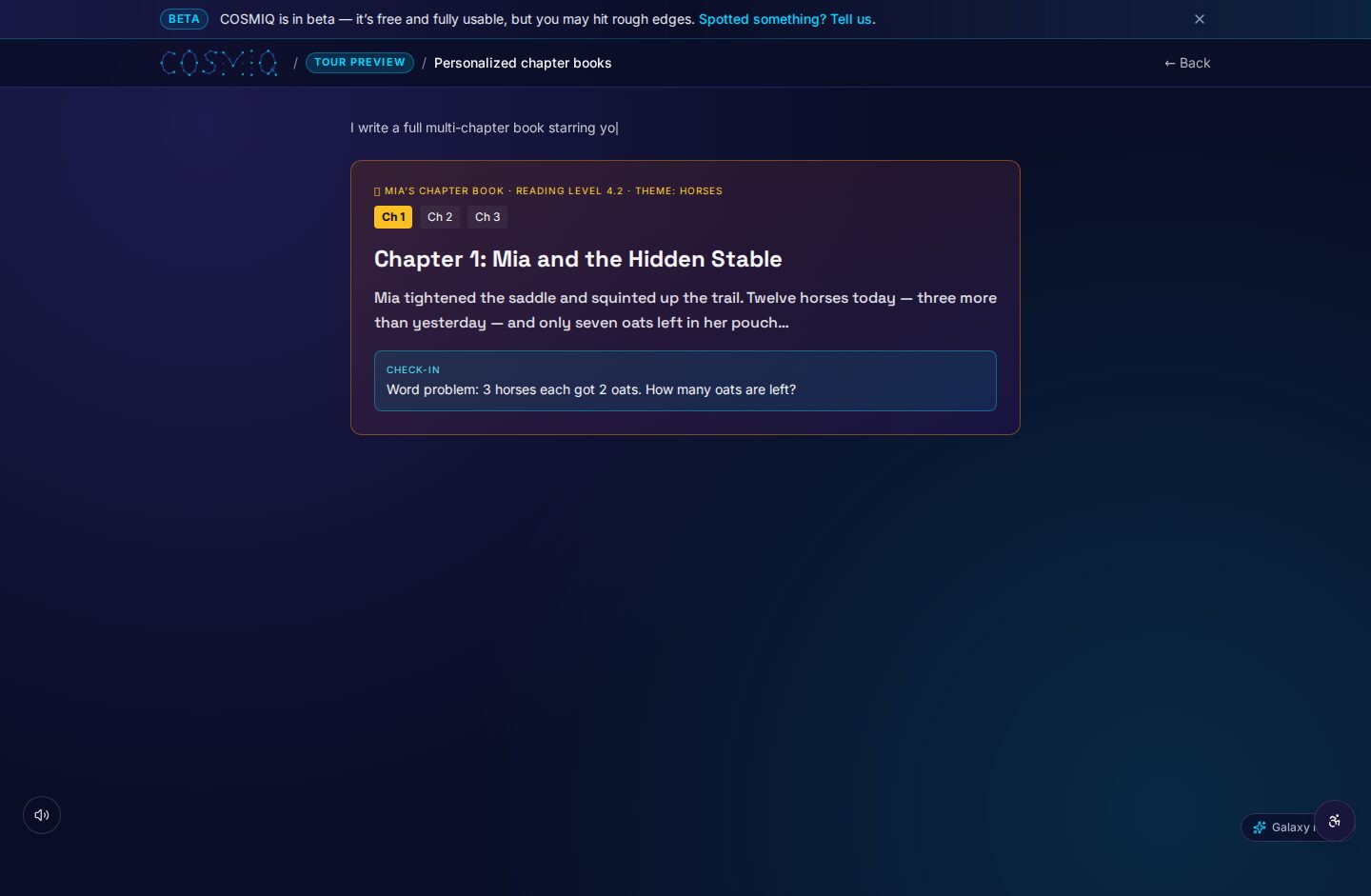
For instance, if a student submits an assignment that doesn’t meet the Massachusetts learning standards for writing, the AI can provide constructive feedback. It might suggest areas for improvement, such as enhancing clarity or improving argument structure, allowing the student to revise and resubmit their work with a clearer understanding of expectations. This kind of interaction not only helps in academic growth but also fosters a growth mindset, encouraging students to view challenges as opportunities to improve.
Support for Teachers
It’s easy to get caught up in how AI tutors benefit students, but let’s not overlook how they can support teachers as well. Teachers can use AI tools to analyze student performance data, identify trends, and adjust their lesson plans accordingly. This means no more guessing about which areas of the curriculum are proving challenging to students. Imagine a teacher receiving a report that highlights common mistakes made by the class on a recent math test; this enables them to revisit those concepts in a targeted manner.
With AI-driven analytics, a teacher can quickly pinpoint that a majority of the class is struggling with certain math concepts, thus allowing them to pivot and reinforce those areas. This not only saves time but also enhances the effectiveness of instruction, fostering a more successful learning environment. Teachers can also share insights about student performance with parents in a more detailed and timely manner, promoting a stronger home-school connection.
Enhancing Engagement Through Interactive Learning
Another way AI tutors can make a positive impact is by enhancing student engagement. Many students today are digital natives, accustomed to interactive technology. An AI tutor can incorporate gamification and interactive exercises, which can turn learning into a more enjoyable experience. This goes beyond mere entertainment; it can significantly improve retention rates and motivation.
Think of it this way: when students are engaged, they’re more likely to absorb information. An AI tutor can include quizzes that reward points for correct answers or challenges that motivate students to beat their own scores. This aligns with the Massachusetts curriculum’s goal of making learning not just educational but also fun. For instance, an AI might introduce a math game where students can solve equations to progress through a storyline, thereby connecting mathematical concepts to a narrative framework.
Challenges and Considerations
While the benefits of AI tutors are clear, it’s crucial to approach their implementation with caution. Technology should never replace the human element of teaching. There needs to be a balance. Teachers must remain the primary facilitators of learning, providing the emotional support and mentorship that AI simply cannot. Educational technology should be seen as an aide, enhancing the work teachers do rather than taking over their role.
Additionally, there’s the question of access. Not all students have equal access to technology, and it’s vital to ensure that these AI tools are available to all learners. The Massachusetts education system must work toward bridging the digital divide to avoid exacerbating existing inequities. Schools may need to invest in infrastructure, such as reliable internet access and devices for all students, to make sure everyone can benefit from these innovations.
Looking Ahead: The Future of AI in Massachusetts Education
As we consider the future of AI in education, we should embrace the potential it offers while remaining mindful of its limitations. The key lies in using AI as a supplemental resource rather than a replacement for traditional teaching methods. We shouldn't lose sight of the crucial role that teachers play in fostering social skills, empathy, and community.
Imagine a classroom where AI tutors work harmoniously with educators, enhancing the learning experience for students while still preserving the irreplaceable value of human interaction. This is the future we should strive for, where technology and education are intertwined to create a more effective and engaging learning environment. Ultimately, the goal should be to empower educators with AI tools that allow them to focus on what they do best: teaching and inspiring students.
Expanding the Role of AI in Special Education
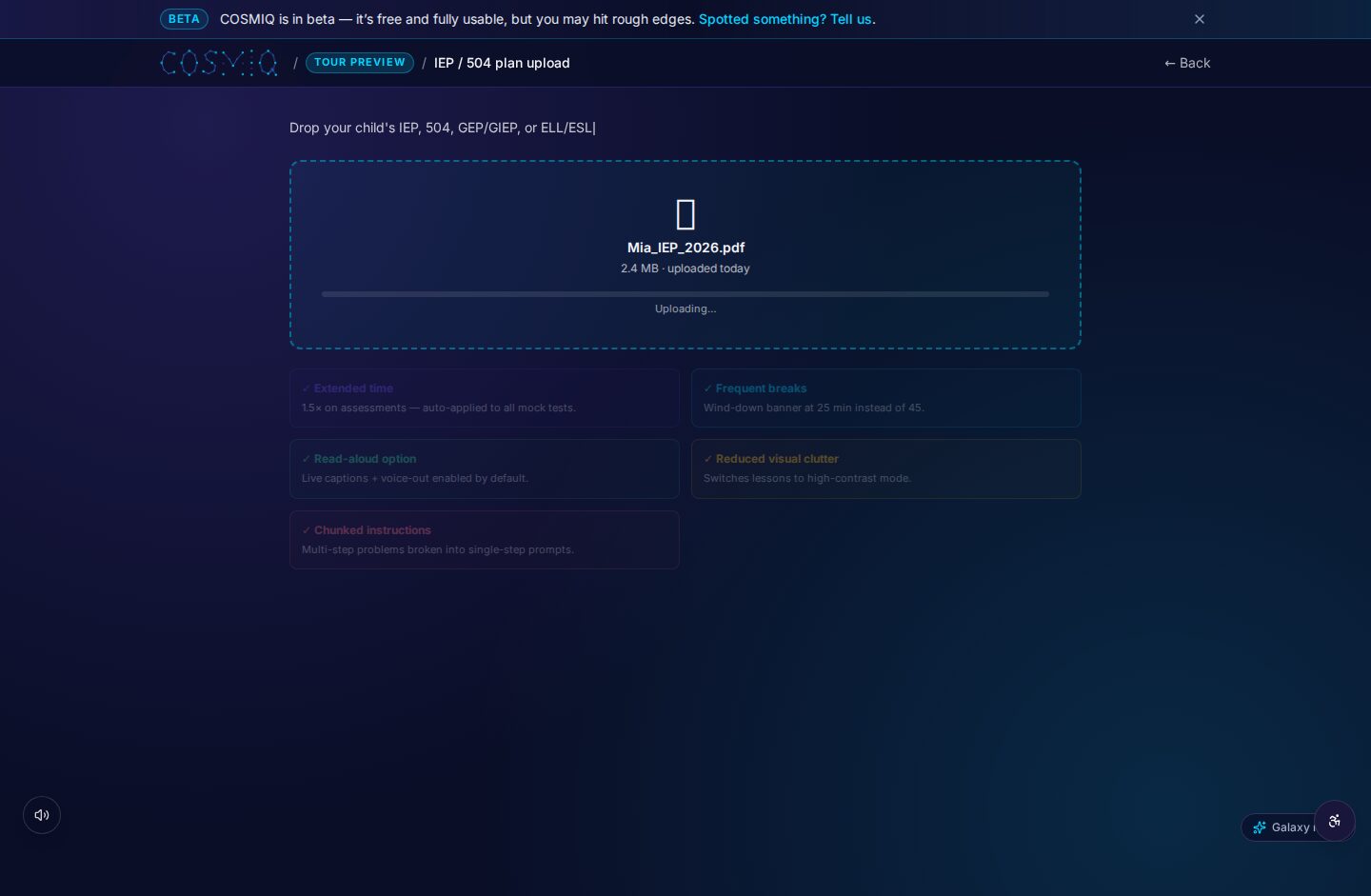
One area where AI can make a transformative impact is in special education. Students with learning disabilities often require tailored instructional strategies to meet their unique needs. An AI tutor can adapt its approach based on the specific challenges a student faces, offering alternative methods of engagement and understanding.
For instance, a student with dyslexia may benefit from an AI tutor that emphasizes auditory learning and provides text-to-speech functions, allowing them to engage with reading material in a more accessible way. This aligns with the Massachusetts learning standards by ensuring that all students, regardless of their learning differences, have access to the same core content, meeting them where they are.
Moreover, AI can track individual progress over time, providing valuable insights into how a student is improving. This data can help educators make informed decisions about instructional strategies and necessary interventions, ensuring that each student receives the support they need to succeed.
Integrating AI with Remote Learning
The recent shift towards remote learning has highlighted both the potential and challenges of incorporating AI in education. As classrooms move online, AI tutors can offer a bridge to ensure that educational standards are maintained even in a virtual setting. They can provide resources and exercises that reflect the Massachusetts curriculum while allowing students to learn from home.
During remote learning, an AI tutor can engage students through interactive lessons that keep them focused and motivated. For instance, virtual labs can simulate scientific experiments, giving students hands-on experience without the need for a physical lab. This not only maintains engagement but also adheres to the Massachusetts learning standards by providing experiential learning opportunities.
However, it’s vital to recognize that not all students thrive in remote environments. The role of teachers becomes even more crucial in these situations, as they can facilitate discussions, provide emotional support, and ensure that students remain connected and engaged. AI can support teachers in monitoring student participation and understanding during remote learning.
Fostering Collaboration Through AI
Collaboration is an essential component of learning, and AI can enhance this aspect in several ways. Imagine a scenario where students work together on a project with the assistance of an AI tutor that helps guide their discussions and provides resources based on the topics they explore. This collaborative approach aligns with the Massachusetts curriculum's emphasis on teamwork and effective communication.
For example, in a group project about climate change, the AI could suggest relevant articles, videos, and data sets, enabling students to engage in meaningful discussions and arrive at informed conclusions. This not only helps them learn from each other but also enhances their research and critical-thinking skills.
Furthermore, AI can facilitate peer assessments, allowing students to give and receive constructive feedback on each other's work. This process helps develop a sense of responsibility and accountability while also honing their ability to critique and learn from their peers.
In closing, aligning AI tutors with the Massachusetts curriculum and learning standards represents an exciting opportunity for educators and students alike. By leveraging technology thoughtfully and effectively, we can create robust educational experiences that equip students with the skills they need to thrive.
Learn anything, free.
COSMIQ is a free, voice-driven AI tutor for every learner. No credit card, ever.
Start learning free →