An AI Tutor Aligned to the Missouri Learning Standards

Understanding the Missouri Learning Standards
In the state of Missouri, educators face the unique challenge of aligning their teaching methods and materials with the Missouri learning standards. These standards define what students need to know and be able to do at each grade level. They serve as a roadmap, guiding teachers in crafting lessons that not only educate but also engage students in meaningful ways. But how does this play into the rise of technology, specifically AI tutors?
The Missouri learning standards cover a range of subjects, including English Language Arts, Mathematics, Science, Social Studies, and Fine Arts. Each standard is meticulously crafted to ensure that students not only understand core concepts but also develop critical thinking and problem-solving skills. For instance, in mathematics, standards might dictate that students in grades one through three should learn to recognize patterns, solve simple equations, and understand the concept of measurement. These benchmarks provide clarity for educators, allowing them to align their curriculum effectively.
AI tutors are becoming more common in classrooms, offering personalized learning experiences that can adapt to each student's needs. These virtual tutors analyze student performance, identify areas for improvement, and tailor their teaching methods accordingly. This means that as educators seek to comply with the Missouri curriculum, they also have a powerful tool at their disposal that can help them achieve those standards more effectively. Imagine a classroom where every student gets the attention they need to succeed, rather than being lost in a sea of generic lessons.
The Role of AI Tutors in Education
So, what exactly is an AI tutor? At its core, an AI tutor uses algorithms and machine learning to provide customized educational support to students. Unlike traditional methods that often take a one-size-fits-all approach, an AI tutor adapts to the individual learning pace and style of each student. This capability is particularly beneficial in a diverse classroom where students may be struggling with different concepts.
For example, consider a classroom where students are learning about fractions. One student may find visual representations helpful, while another may benefit from numerical analysis. An AI tutor can provide visual aids, interactive games, and practice problems tailored to each student's preferred learning style, enhancing understanding and retention. If a student is having trouble with arithmetic while another excels in reading, an AI tutor can focus on reinforcing math skills for the first student while providing advanced reading materials for the second. This personalization can lead to increased engagement and better outcomes, helping educators meet the Missouri learning standards.
Aligning with Missouri Curriculum Requirements
Adapting an AI tutor to align with the Missouri curriculum means ensuring that the content it provides adheres to the specific benchmarks set forth by the state. The Missouri curriculum is designed to ensure that all students are prepared for success, both academically and socially. This includes subjects ranging from math and reading to social studies and science.
To create an effective AI tutor, developers must work closely with educators to ensure that the content is not only accurate but also relevant to the standards. For instance, if the Missouri learning standards dictate that third graders should be able to solve two-digit addition problems, the AI tutor must provide ample practice opportunities that reflect this objective. This might include interactive exercises, quizzes, and games that focus specifically on this skill.
Moreover, developers can incorporate formative assessments within the AI tutor's framework, allowing for real-time monitoring of student progress. This ensures that the content adapts not just to meet the curriculum but also to follow the student's learning trajectory. If a student struggles with a specific concept, the AI can adjust to provide additional support until mastery is achieved, thus ensuring that no student is left behind.
Features to Look for in an AI Tutor

When considering an AI tutor, it’s essential to look for specific features that enhance its effectiveness in aligning with the Missouri curriculum. First and foremost, the tutor should offer real-time feedback. This allows students to understand their mistakes and correct them on the spot, fostering a growth mindset. Imagine a student who answers a math problem incorrectly; the immediate feedback from the AI tutor can help them recognize their mistake and learn from it right away.
Secondly, a robust reporting system is crucial. Educators should be able to track student progress, identify trends, and make data-driven decisions about their teaching strategies. For instance, if reports indicate that a majority of students are struggling with a particular topic, teachers can adjust their lesson plans accordingly to provide targeted support.
Additionally, an effective AI tutor should incorporate gamification elements to keep students engaged. Features like interactive quizzes, challenges, and rewards for achievements can make learning more enjoyable. This not only aligns with the Missouri learning standards by ensuring students meet educational benchmarks but also motivates them to participate actively in their own learning process.
Integrating AI Tutors into Classroom Dynamics
Integrating AI tutors into the classroom doesn’t mean that teachers become obsolete. On the contrary, these tools should be seen as supplementary resources that enhance traditional teaching methods. Teachers can leverage AI to free up time that they would have spent on grading or lesson planning, allowing them to focus more on engaging directly with their students.
Consider a classroom where students are using an AI tutor for math practice. While the AI tutor provides personalized problems and feedback, the teacher can walk around the room, offering one-on-one support to those who need it most. This synergy between AI and human instruction can create a more dynamic learning environment. Furthermore, teachers can use insights from AI-generated data to modify their teaching styles to better suit the needs of their students.
Moreover, integrating AI tutors requires training for educators. Teachers should be well-versed in how to utilize these tools effectively, including how to interpret reports and use the data to inform instruction. Professional development workshops can equip educators with the necessary skills, ensuring that AI tutors become valuable assets rather than just another educational gimmick.
Challenges and Considerations
Of course, implementing an AI tutor aligned with the Missouri learning standards isn’t without its challenges. One major concern is equity. Not all students have the same access to technology, which can create disparities in learning opportunities. Schools need to ensure that every student can benefit from these resources, regardless of their socioeconomic status. This might involve providing devices to students who lack them or ensuring that all students have access to a reliable internet connection.
Another challenge is the potential for over-reliance on technology. While AI tutors can provide tremendous support, they should not replace the valuable interactions that students have with their teachers and peers. Educators must find a balance between using AI tools and maintaining a human touch in their teaching. This means fostering an environment where technology is a means to an end, not the end itself.
Additionally, data privacy and security are critical concerns when implementing AI in education. Schools must ensure that any AI tutor they choose complies with privacy regulations and protects student information. Transparency about how data is used can help build trust among parents and educators.
The Future of AI Tutors in Missouri Education
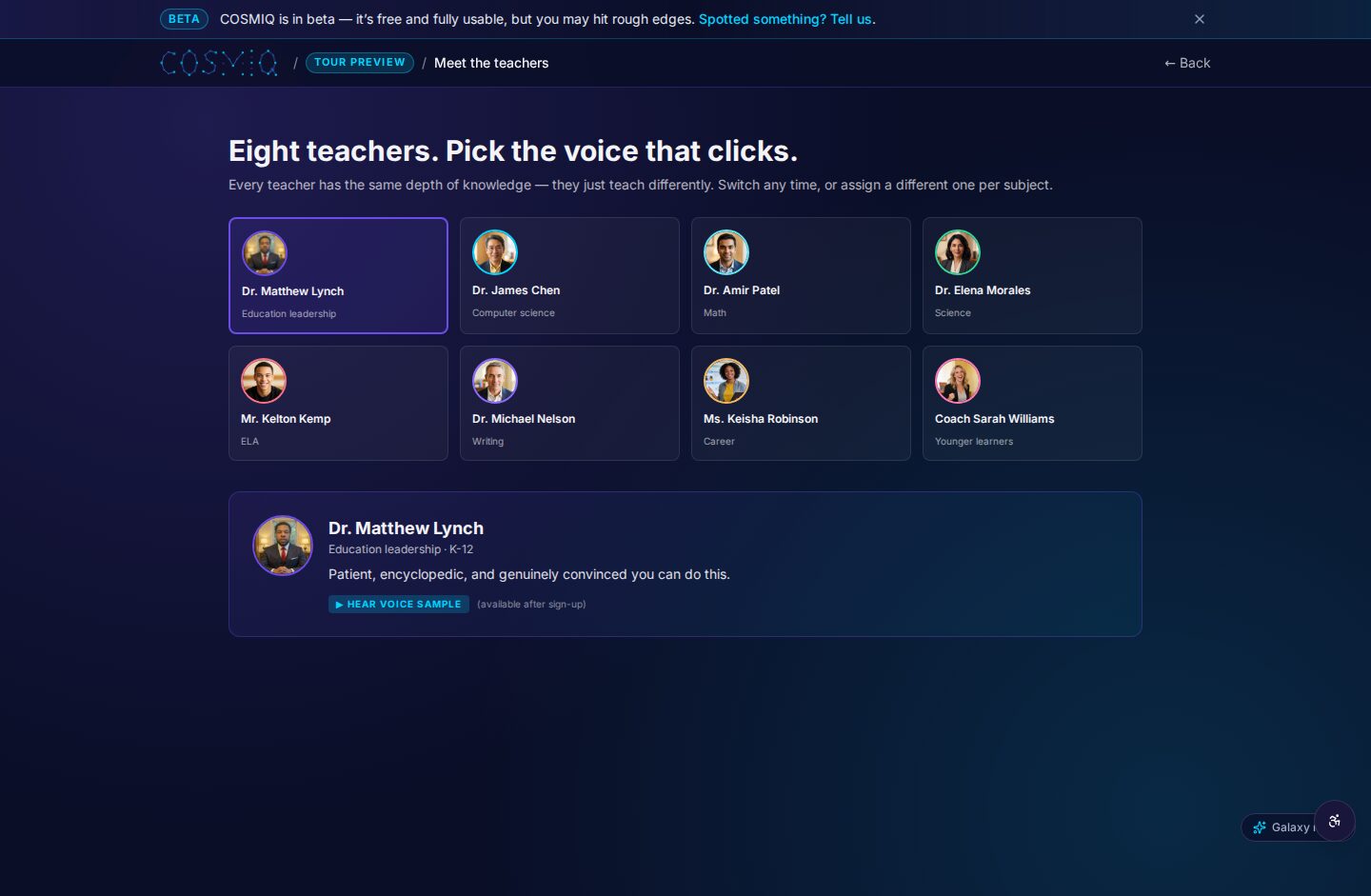
Looking ahead, the integration of AI tutors aligned with the Missouri curriculum appears promising. As technology continues to evolve, we might see even more sophisticated AI systems that can analyze not just academic performance but also emotional and social factors influencing a student's learning. This kind of comprehensive analysis would allow for a more tailored educational experience.
Imagine an AI tutor that not only helps a student with math but also identifies when they are feeling frustrated or disengaged and suggests a break or a different activity. Such advancements could provide teachers with invaluable tools to understand their students beyond just academic metrics. The potential for AI to support holistic education is immense, and aligning these systems with the Missouri learning standards can set a strong foundation for future generations.
Moreover, the insights gained from AI could inform policy decisions within education departments. For example, if data shows that students are consistently struggling with particular standards across various districts, curriculum developers could revise those standards or provide additional resources to address the gaps. This data-driven approach to education can lead to overall improvements in student outcomes.
AI Tutors and Parental Involvement
Parents play a crucial role in their child's education, and this involvement can be enhanced through the use of AI tutors. With AI systems providing reports and progress updates, parents can be more informed about their child's strengths and weaknesses. This transparency fosters a collaborative environment between parents and teachers.
For instance, imagine a parent receiving a weekly report from the AI tutor that highlights their child's progress in math, along with specific areas needing improvement. Armed with this information, parents can engage in discussions with their child about their learning journey and even work on problem areas together at home. This kind of partnership can lead to greater academic success and a more supportive home learning environment.
Furthermore, AI tutors can also suggest resources for parents to use at home. Whether it's interactive games, worksheets, or online resources, having these tools at their disposal can empower parents to actively participate in their child's education, further solidifying the learning that takes place in the classroom.
Final Thoughts on Implementing AI Tutors
The intersection of AI technology and education certainly presents an exciting frontier. By aligning AI tutors with the Missouri learning standards, educators can create a more customized and effective learning experience for their students. The key lies in collaboration between tech developers and educators, ensuring that the tools we create genuinely support the goals of our educational system.
As we move forward, it’s crucial to keep the focus on what’s best for the students. After all, education isn’t just about meeting standards; it’s about nurturing curiosity, creativity, and critical thinking. An AI tutor could very well be a part of that journey. The future of education is here, and with it, the opportunity to redefine what’s possible for our learners.
Learn anything, free.
COSMIQ is a free, voice-driven AI tutor for every learner. No credit card, ever.
Start learning free →