An AI Tutor Aligned to the New Jersey Student Learning Standards

Artificial Intelligence (AI) is reshaping various sectors, and education is no exception. As classrooms evolve, the demand for personalized learning experiences has soared. Enter AI tutors. These digital assistants are designed to help students grasp concepts at their own pace, providing tailored support that aligns with educational requirements. In New Jersey, where the curriculum is constantly being updated to meet rigorous educational standards, the integration of AI tutors could significantly enhance the learning experience.
Understanding New Jersey Learning Standards
New Jersey has established a clear framework for education through its New Jersey Learning Standards. These standards outline what students need to know and be able to do across various subjects and grade levels. They ensure that students are receiving a comprehensive, high-quality education that prepares them for college and career opportunities. But how can AI tutors fit into this picture?
By aligning with the New Jersey curriculum, AI tutors can provide customized learning paths that meet these standards. For instance, if a student struggles with algebra, an AI tutor can offer targeted exercises based on the specific learning objectives outlined in the New Jersey Learning Standards. This means that the support a student receives is not only personalized but also directly relevant to their educational goals.
In a practical scenario, imagine a middle school student grappling with the concept of quadratic equations. An AI tutor, programmed to understand the sequence of the New Jersey Learning Standards, can identify that this student is currently at a level where foundational concepts in polynomials need to be reinforced before diving into quadratics. The AI can then present interactive lessons, adaptive quizzes, and even visual aids that facilitate understanding, all while tracking the student's progress against the predetermined standards.
The Role of AI Tutors in Enhancing Learning
AI tutors go beyond simple question-and-answer interactions. They are designed to analyze a student’s learning habits, preferences, and performance. This analysis allows the tutor to adapt its approach in real time. Imagine a student who excels in reading but struggles with math. An AI tutor could focus on reinforcing mathematical concepts while providing enrichment activities in reading comprehension. This dynamic adjustment helps maintain student engagement and motivation.
In contrast to traditional teaching methods, where a teacher may not have the flexibility to cater to every student’s unique needs in a crowded classroom, AI tutors can address each learner on an individual level. They can provide immediate feedback, clarify misunderstandings, and redirect learning strategies without the delay usually associated with conventional learning environments.
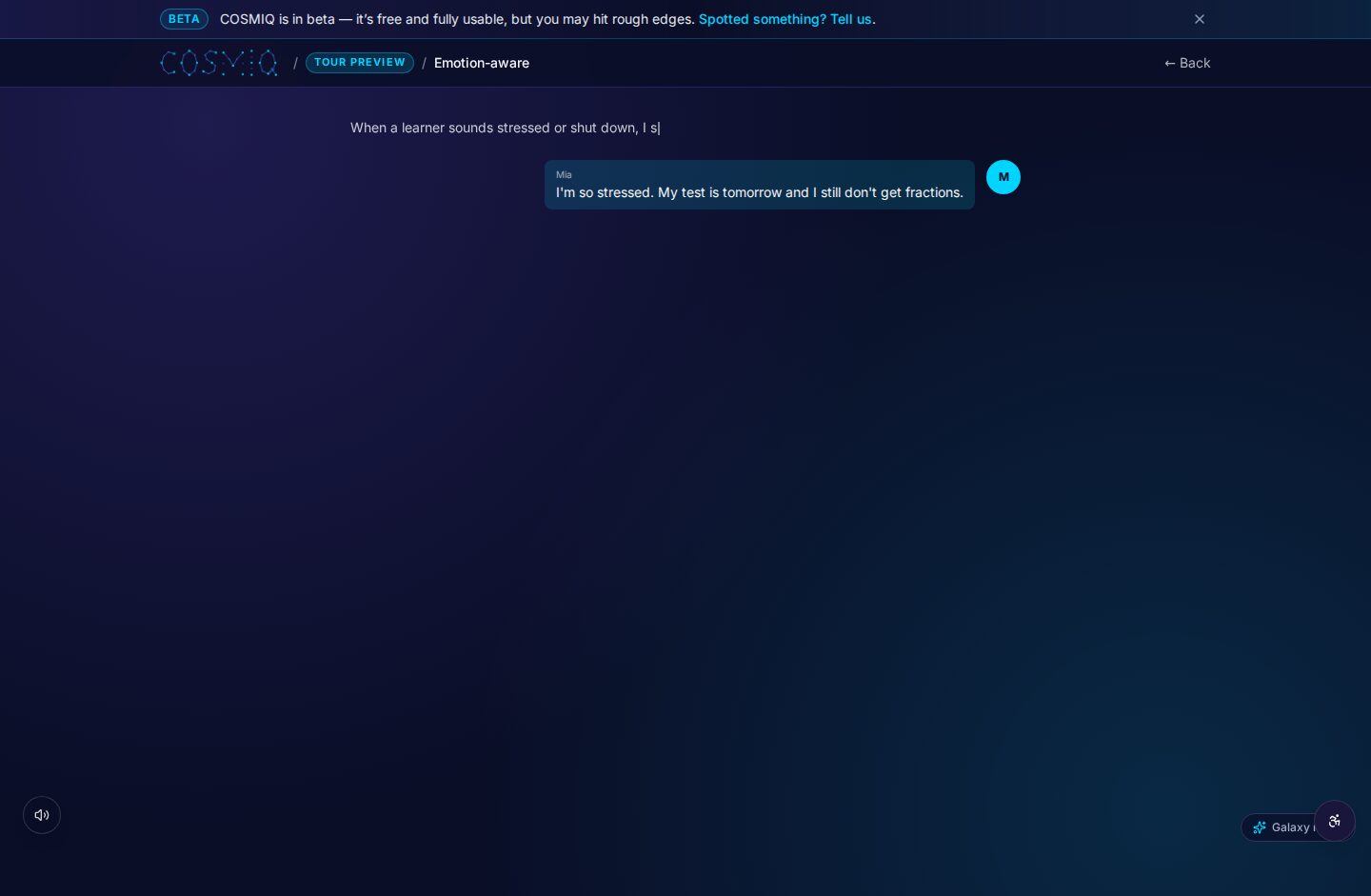
For example, say a student named Sarah is learning about fractions. A conventional classroom might present a one-size-fits-all lesson, which may leave her feeling lost. Sarah’s AI tutor, however, recognizes her specific struggles and can provide a series of exercises that gradually increase in complexity. It might start with simple fraction addition before progressing to more complicated operations, allowing Sarah to build confidence and competence step-by-step. This real-time adaptability is a significant advantage of AI tutors.
Implementation in New Jersey Classrooms
The integration of AI tutors into New Jersey classrooms is more than just a technological upgrade; it’s a strategic move to enhance educational outcomes. Schools in New Jersey have recognized the potential of AI to complement classroom instruction. Educators can use these tools to monitor student progress in real time and adjust their teaching strategies accordingly.
For instance, let’s say a school district in New Jersey adopts an AI tutoring program focused on math skills aligned with the New Jersey curriculum. Teachers can assign specific modules to students based on their performance analytics. If a student is consistently struggling with fractions, the AI tutor can present additional resources and exercises tailored to that topic. This targeted approach ensures that students are not just passing tests but truly mastering the content.
Moreover, implementation can start with pilot programs in select schools, where both teachers and students can provide feedback on the AI's effectiveness. In one scenario, a district may choose to incorporate AI tutors for sixth-grade science classes, focusing on the New Jersey Learning Standards related to life sciences. Teachers can observe how students interact with the AI, how it responds to various questions, and whether it effectively pinpoints areas of difficulty. This data can be invaluable in refining the program before a broader rollout.
Addressing Diverse Learning Needs
Diversity in learning capabilities is a reality in every classroom. Some students grasp concepts quickly, while others may need more time and individualized instruction. AI tutors can help bridge this gap. They can provide differentiated instruction that caters to students with varying learning styles and needs.
Consider a student with learning disabilities. Traditional instruction might not always meet their needs effectively. An AI tutor can offer tailored strategies and resources, ensuring that these students can progress alongside their peers. By aligning with the New Jersey curriculum, these tools do not just help students catch up; they empower them to thrive.
Take, for example, a high school student named Alex who has dyslexia. In a traditional classroom setting, Alex may struggle with reading comprehension tasks, which could impact his overall learning experience. An AI tutor can provide text-to-speech capabilities and incorporate visual learning aids, allowing Alex to engage with the material in a way that suits his learning style. The AI can also track his progress and offer additional resources when he encounters challenges, ensuring a more personalized learning journey.
Data-Driven Insights for Educators
One of the most significant advantages of AI tutors is their ability to gather and analyze data. Educators can gain insights into student performance that were once difficult to obtain. With AI, teachers have access to detailed reports showing which concepts students have mastered and where they continue to struggle.
For example, if a class collectively shows weaknesses in a specific area of the New Jersey curriculum, teachers can adjust their lesson plans accordingly. This data-driven approach encourages a proactive rather than reactive teaching strategy. Rather than waiting for standardized test scores to identify gaps, educators can address issues in real-time, ensuring that every student has the support they need to succeed.
Additionally, this data can foster collaboration among educators. For instance, if teachers across different subjects notice similar trends in student performance, they can work together to develop interdisciplinary lesson plans that target those specific gaps. Let’s say both math and science teachers observe that students struggle with analytical reasoning. They might collaborate to create a project that combines math skills with scientific inquiry, reinforcing concepts in both areas simultaneously.
Challenges and Considerations
While the benefits of AI tutors are apparent, it’s essential to acknowledge the challenges as well. Integrating technology into education requires careful planning and execution. Teachers need training on how to effectively use these tools alongside traditional teaching methods. Additionally, not every student may be comfortable with a digital learning assistant.
Moreover, there’s the issue of access. Not all students may have equal access to technology at home. Schools must consider these disparities to ensure that the AI tutoring experience is equitable. This means providing devices or internet access where needed, so every student can benefit from the resources available.

Training is another critical aspect of successful implementation. Teachers must not only feel comfortable using AI tools but also understand their capabilities and limitations. Professional development workshops can be designed to help educators familiarize themselves with the technology, ensuring they can effectively integrate it into their curriculum.
The Future of AI in Education
Looking ahead, the potential for AI in education seems vast. As technology continues to advance, AI tutors will likely become more sophisticated, offering even more tailored support to students. Imagine a future where these tutors can converse naturally with students, adapting their voice and approach to create a more engaging learning experience.
In New Jersey, the ongoing evolution of the curriculum will undoubtedly continue to influence how AI tools develop. As new standards emerge, AI tutors will need to adapt to remain relevant and effective. This synergy between technology and education holds the promise of transforming student learning experiences for the better.
Moreover, the integration of AI tutors can expand beyond traditional subjects. Emerging technologies could allow for the application of AI in areas such as social-emotional learning, where tutors can help students navigate interpersonal challenges or develop resilience skills. Imagine an AI tutor designed to assist students in managing stress or anxiety—providing resources and techniques that align with the New Jersey learning standards for mental health.
Engaging Parents and the Community
An often-overlooked aspect of integrating AI tutors in education is the role of parents and the larger community. Engaging these stakeholders is crucial for the successful implementation of AI tutoring programs. Parents can provide valuable insights into their children's learning needs and preferences, while community organizations may offer support and resources.
Schools can host informational sessions for parents, explaining how AI tutors work and how they align with the New Jersey curriculum. This transparency can help alleviate concerns parents may have about technology in education. Schools might also provide workshops where parents can learn to navigate the platforms themselves, empowering them to assist their children at home.
Collaboration with local businesses and organizations can also enhance the effectiveness of AI tutors. For example, a local tech company might partner with a school district to provide updated software or training for educators, ensuring that the AI tools remain cutting-edge and effective. These partnerships can create a community-wide commitment to educational success, reinforcing the idea that education is a collaborative effort.
Ultimately, fostering a supportive community around AI tutoring initiatives can lead to more robust student engagement and achievement. By working together, schools, parents, and local organizations can create a nurturing environment that prioritizes innovation in education.
The integration of AI tutors into educational systems, particularly in line with the New Jersey Learning Standards, is not merely an idea for the future—it's an immediate opportunity. The potential to enrich student learning, cater to diverse needs, and provide data-driven insights is profound. As we move forward, let’s embrace these innovations to create a more inclusive and effective educational landscape.
Learn anything, free.
COSMIQ is a free, voice-driven AI tutor for every learner. No credit card, ever.
Start learning free →