An AI Tutor Aligned to the New York State Next Generation Standards

Understanding the New York State Next Generation Standards
If you're involved in education in New York, you've likely heard about the New York State Next Generation Standards. These standards are designed to be relevant and rigorous, ensuring students are prepared for college and careers. They focus on critical thinking, problem-solving, and real-world application of knowledge. But how can we effectively implement these standards in today's classrooms? Enter the AI tutor.
To understand the significance of these standards, consider the shift in educational paradigms over the last few decades. Previously, teaching was largely centered on rote memorization. Today, it's about developing a student’s ability to think critically and apply knowledge in real-world contexts. The New York State Next Generation Standards aim to cultivate these skills and emphasize deeper learning.
However, implementing them is no small feat. Educators face the challenge of adapting traditional curricula to meet the evolving standards. The AI tutor serves as a bridge in this transition, providing tools that can help students navigate these rigorous expectations. By offering personalized learning experiences that align with these comprehensive standards, AI tutors can help students not just meet benchmarks but reach their full potential.
What is an AI Tutor?
An AI tutor is an intelligent software program designed to assist students in their learning journey. Unlike traditional tutoring, which may rely on a human tutor's schedule and availability, AI tutors are available 24/7. They can adapt to individual student needs, provide instant feedback, and offer personalized learning pathways. Imagine a student struggling with algebra at 10 PM; an AI tutor can step in and offer help right when it's needed.
But the capabilities of AI tutors extend far beyond just being available at odd hours. They can analyze a student’s previous performance, recognize patterns, and even predict future challenges. For instance, if a student continuously miscalculates in geometry, the AI tutor can detect this trend and adjust its teaching strategy accordingly. This level of responsiveness differentiates AI tutors from traditional methods.
Moreover, AI tutors come equipped with extensive databases of information, drawing on a plethora of resources to offer learners not only assistance with their immediate questions but also deeper insights into related topics. For example, if a student is learning about the scientific method, the AI can link it to historical experiments, current research, or practical applications in everyday life, enhancing the learning experience.
Aligning with the New York Curriculum
To be effective, an AI tutor must align with the New York curriculum. The New York curriculum is extensive and covers various subjects. For example, in mathematics, the standards emphasize not only computational skills but also the understanding of mathematical concepts. An AI tutor that incorporates these elements can help students grasp complex ideas better than rote memorization alone.
In a real-world context, if a student is learning about fractions, the AI tutor can present interactive scenarios that require the application of fractions in real life—like cooking or shopping. This way, the learning remains relevant and engaging, a core principle of the New York learning standards.
Moreover, AI tutors can adapt their content to reflect the latest updates in the New York curriculum. If the state introduces new methods for teaching multiplication, for example, an effective AI tutor would seamlessly integrate this into its teaching modules, ensuring that students are always receiving instruction that aligns with current educational goals.
The New York curriculum also places a strong emphasis on interdisciplinary teaching. An AI tutor can play a crucial role here by connecting subjects. For example, while teaching a math concept like statistics, the AI can link it to real-world applications in social studies or science, making the learning experience more cohesive and relevant.
Benefits of AI Tutoring in Meeting Learning Standards
One significant benefit of using an AI tutor aligned with the New York learning standards is the ability to track progress. Teachers can access data that shows how students are performing against the standards. This data is invaluable not only for the teacher but also for students and parents to understand where improvement is needed.
Additionally, AI tutors can identify learning gaps and provide resources tailored to help students meet specific standards. For instance, if a student struggles with a particular concept in science, the AI tutor can recommend targeted exercises or supplementary materials that align with the New York curriculum.
Furthermore, consider the advantage of analytics in personalizing education. For example, a school district could use AI tutoring data to identify common areas of struggle among students. If a significant number of students are faltering in a specific area—like understanding ecosystems in science—the district could prioritize professional development for teachers in this area or enhance the curriculum accordingly. This data-driven approach not only helps individual students but also strengthens the overall educational framework.
The ability to provide real-time feedback is another crucial advantage of AI tutors. Imagine a classroom scenario where students tackle a math problem. Instead of waiting for a teacher to review their answers, AI tutors can instantly assess their responses and provide corrective guidance. This immediate feedback loop fosters a growth mindset, encouraging students to learn from their mistakes and improving their performance over time.
Personalized Learning Experiences
Personalization is where AI tutoring shines. Each student has a unique learning style and pace. An AI tutor can assess a student’s strengths and weaknesses and adjust the content accordingly. This means that if one student excels in reading but struggles with math, the AI can provide advanced reading material while offering foundational math exercises.

Imagine a classroom where each student is engaged at their level. An AI tutor can help achieve that by ensuring every student has access to materials that challenge them without overwhelming them. This alignment with the New York learning standards means that students are not only meeting benchmarks but also fostering a love for learning.
Take, for instance, a student who learns best through visual aids. An AI tutor can integrate graphics, videos, and interactive simulations into their learning path. Conversely, if another student prefers auditory learning, the AI can suggest podcasts or audio lessons that align with the same learning objectives. This kind of tailored approach—taking into account differing learning preferences—is crucial to keeping students motivated and engaged.
Moreover, a significant feature of AI tutors is their ability to adjust difficulty levels. If a student finds a particular topic too easy, the AI can challenge them with more complex problems, ensuring they are always learning at an optimal pace. Conversely, if a student struggles, the AI can offer simpler tasks to build confidence and understanding before moving on to more advanced concepts.
Integration into the Classroom
Integrating an AI tutor into the classroom can be a smooth process if done thoughtfully. Teachers can introduce AI as a supplemental resource rather than a replacement. This way, students can benefit from both traditional instruction and the innovative approach of AI. For example, during a math lesson on geometry, a teacher could use the AI tutor to reinforce concepts taught in class by assigning practice problems that align with the New York curriculum.
Moreover, teachers can utilize the insights gained from the AI to tailor their instruction. If the AI identifies that a majority of the class struggles with a specific geometry concept, the teacher can adjust their lesson plan to address that gap. The use of AI in this way enhances collaboration between technology and human instruction.
To make the integration even more effective, schools might consider professional development for teachers. Training sessions can teach educators how to use AI tools effectively in their lesson plans and how to interpret the data collected by these tools. With proper training, teachers can feel empowered to leverage AI to its full potential.
Finally, consider the potential for AI to facilitate collaborative learning. For instance, teachers can set up group projects where the AI tutor helps students research topics, generate ideas, and organize their findings. By utilizing AI in this manner, students can learn from one another, enhancing their understanding of the subject matter while also developing valuable teamwork skills.
Challenges and Considerations
While the benefits of AI tutors are clear, there are challenges to consider. One major concern is equity. Not every student has the same access to technology, which can create disparities in learning opportunities. Schools must ensure that all students have access to the necessary devices and internet connectivity to benefit from AI tutoring.
Another challenge is ensuring that the AI programs stay updated with the latest New York learning standards. Education is constantly evolving, and AI tutors must adapt to reflect those changes accurately. This requires regular updates and oversight from education professionals.
Privacy concerns are also paramount. With AI tutors collecting data on students’ learning habits, schools must ensure that this data is handled responsibly. Implementing strict data privacy policies and informing parents about how their children's data will be used is essential to building trust in AI technologies.
Furthermore, the reliance on technology can sometimes detract from interpersonal skills. Students might become too accustomed to seeking answers from an AI tutor instead of engaging in discussions with peers or teachers. It’s essential to strike a balance between using AI for assistance and fostering a collaborative and communicative classroom environment.
The Future of AI Tutors in New York Education
Looking ahead, the potential for AI tutors in New York State education is enormous. As technology continues to advance, we can expect these tutors to become even more sophisticated. They may incorporate elements like virtual reality or gamification to create immersive learning experiences that align with the New York curriculum.
Imagine a future where a student can explore ancient civilizations through an AI tutor that provides historical context while guiding them through interactive lessons. These engaging experiences not only make learning fun but also help students meet and exceed the New York learning standards.
Furthermore, the future could also see AI tutors integrating with other emerging technologies. For instance, augmented reality could enhance learning by overlaying historical facts onto real-world locations. A student standing at a historical site could point their device at a building and receive detailed information and insight about its significance—all curated by their AI tutor. This kind of integration would allow students to learn in a contextually rich environment.
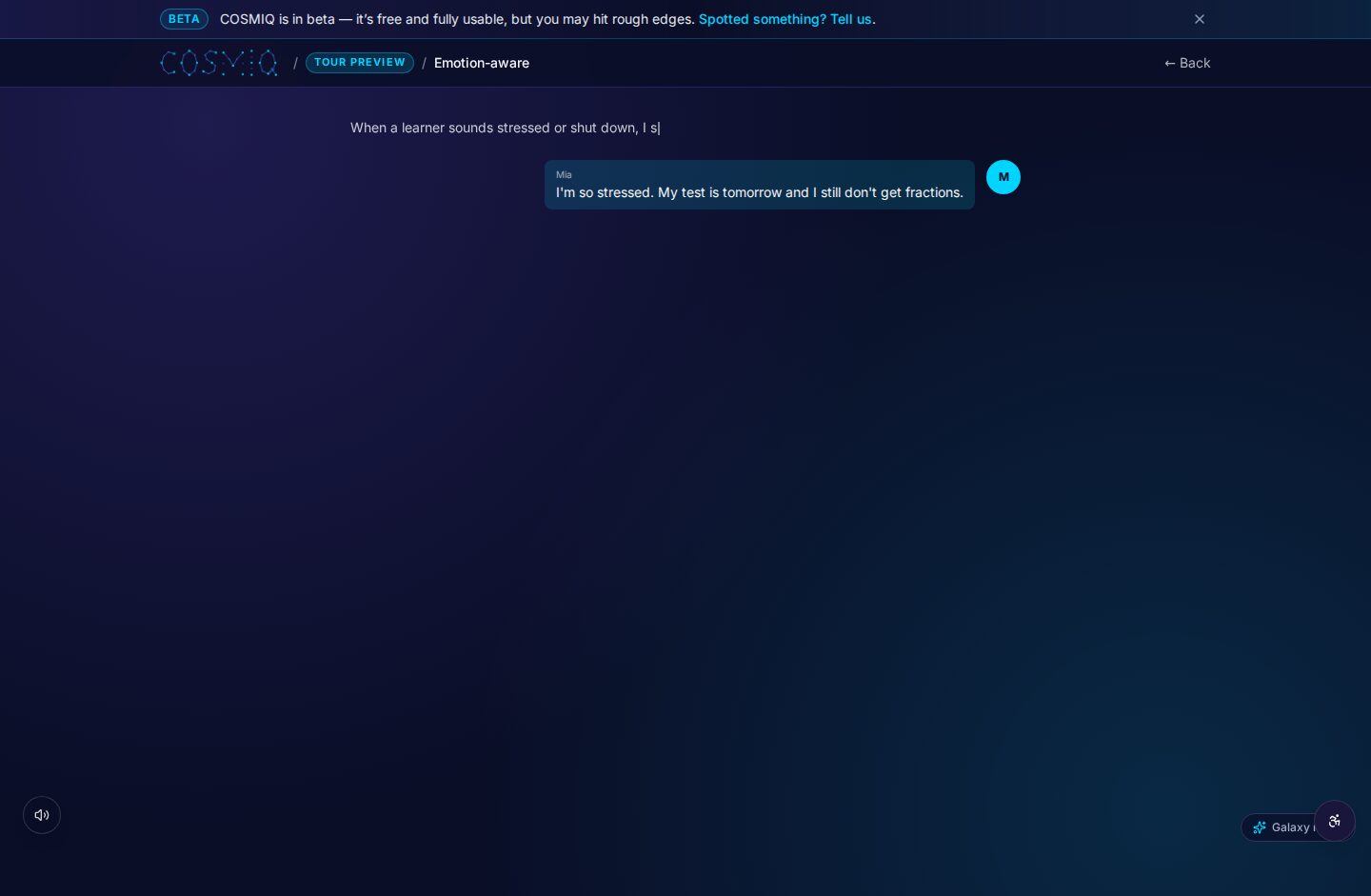
As AI technology evolves, we might also see a shift toward more emotional intelligence in AI tutors. Future iterations could use natural language processing to detect students' moods and adjust interactions accordingly, providing encouragement when students feel discouraged or offering high-level challenges when they exhibit confidence. This could revolutionize how students engage with learning materials.
The Role of Educators Alongside AI
While AI tutors can significantly enhance the learning experience, the role of educators remains irreplaceable. Teachers are not just knowledge dispensers; they serve as mentors, motivators, and facilitators of social learning. An effective educational ecosystem balances AI technologies with the human touch that educators provide.
Teachers can guide discussions, facilitate group work, and foster a community of learners. While AI can provide personalized learning paths, teachers can create a classroom environment that encourages collaboration, engages students emotionally, and helps them develop essential soft skills.
For example, during a project-based learning activity, educators can use AI tutors to support students in gathering research or troubleshooting challenges, while they focus on guiding student interactions and encouraging critical thinking. This dual approach maximizes the strengths of both AI and human educators, creating a richer learning experience.
Furthermore, teachers can play a vital role in interpreting the data generated by AI tutors. Understanding trends and patterns in student performance allows educators to make informed decisions about instruction. They can personalize their teaching strategies, identify those who may need extra support, and celebrate the achievements of students who excel, cultivating a positive learning environment.
Bringing It All Together
To sum it up, AI tutors aligned with the New York State Next Generation Standards represent a significant step forward in education. They offer personalized learning experiences that can adapt to individual student needs, providing instant feedback and tracking progress against rigorous standards. While there are challenges to overcome, the potential benefits far outweigh the drawbacks.
As educators, parents, and stakeholders in New York, it's our job to embrace this technology responsibly and thoughtfully. By working together—teachers, administrators, and tech developers—we can create a future where every student not only meets the New York learning standards but thrives in an increasingly complex world.
In embracing AI tutors, we are not just adapting to the changing educational landscape; we are actively shaping it. The path forward involves a commitment to collaboration, innovation, and, most importantly, a focus on what truly matters—ensuring that every student has the opportunity to succeed.
Expanding the Role of Parents in AI Tutoring
As AI tutors become more prevalent in the educational landscape, the involvement of parents takes on a new dimension. Parents can play a crucial role in reinforcing the learning objectives set forth by both the AI tutors and the New York curriculum. By being informed about how AI tools work and what learning standards are being targeted, parents can effectively support their children's education.
For instance, parents can engage with the data provided by AI tutors regarding their child’s performance. By reviewing progress reports, they can identify strengths and weaknesses and discuss these insights with their children. This ongoing dialogue not only encourages accountability but also helps foster a growth mindset, showing students that learning is a journey filled with both successes and challenges.
Additionally, parents can utilize AI tools to create a conducive home learning environment. By setting aside dedicated time for their children to use the AI tutor, parents can help establish a routine that promotes consistent learning. They can create a supportive atmosphere that encourages exploration and curiosity, aligning closely with the core tenets of the New York learning standards.
Moreover, parents can collaborate with educators to ensure that the educational experience remains cohesive. Communication between teachers and parents can lead to a more unified approach to learning, where AI tutoring complements classroom activities rather than existing in a vacuum. Such partnerships empower students to take ownership of their learning paths, reinforcing the importance of education both at home and in school.
Adapting AI Tutors for Diverse Learners
One of the most compelling reasons to implement AI tutors is their ability to adapt to diverse learning needs. In a classroom setting, students come with varying backgrounds, abilities, and interests. AI tutors can be tailored to meet these needs, ensuring that every learner has access to appropriate resources and support. This adaptability aligns perfectly with the inclusive aims of the New York curriculum.
Take, for example, students with learning disabilities. AI tutors can provide alternative explanations and methods of engagement that cater specifically to the needs of these students. If a student struggles with certain reading skills, the AI can offer phonics-based instruction or audiobooks that allow the student to access the same content in a more digestible format.
Furthermore, AI tutors can support English Language Learners (ELLs) by offering translation services or bilingual resources. By providing materials in both English and their native language, these learners can build their proficiency while still engaging with the curriculum. This ensures that they don't fall behind academically while they master the language.
Additionally, gifted students can benefit from AI tutors that offer advanced coursework or enrichment activities. By identifying advanced learners, an AI tutor can provide challenging projects and deeper explorations into subjects of interest, keeping these students engaged and motivated. In this way, AI tutors become tools for differentiation that enhance the overall educational experience.
Learn anything, free.
COSMIQ is a free, voice-driven AI tutor for every learner. No credit card, ever.
Start learning free →