An AI Tutor Aligned to the Utah Core Standards

In the ever-changing landscape of education, technology is playing a pivotal role in how students learn and teachers teach. One of the most promising advancements in this field is the rise of AI tutors. Imagine having a personal tutor available at any hour of the day, capable of adjusting lessons to fit your unique needs. With the Utah curriculum and Utah learning standards guiding the way, these AI tutors offer a tailored educational experience that can enhance learning outcomes for students across the state.
Understanding the Utah Curriculum
Before we jump into the features of AI tutors, it’s crucial to understand what the Utah curriculum entails. Essentially, the Utah curriculum provides a framework for what students are expected to learn at each grade level. It encompasses various subjects, from math and science to English and the arts. The curriculum is designed to ensure that students not only achieve academic proficiency but also develop critical thinking skills that will serve them well beyond the classroom.
The Utah learning standards, which are integrated into the curriculum, set clear expectations for what students should know and be able to do. They aim to provide consistency across schools and districts, making sure that regardless of where you live in Utah, your educational experience remains high-quality. This level of standardization is essential, particularly as schools increasingly embrace technology-driven solutions.
To put it simply, the Utah curriculum isn't just a checklist of topics; it's a comprehensive guide that shapes educational experiences. Schools must navigate benchmarks focused on skills such as comprehension, analysis, and application. For example, in math, students may start with basic arithmetic in early grades and gradually progress to more complex concepts like geometry and algebra as they advance. Having a well-structured curriculum allows educators to build upon prior knowledge systematically.
How AI Tutors Align with Educational Standards
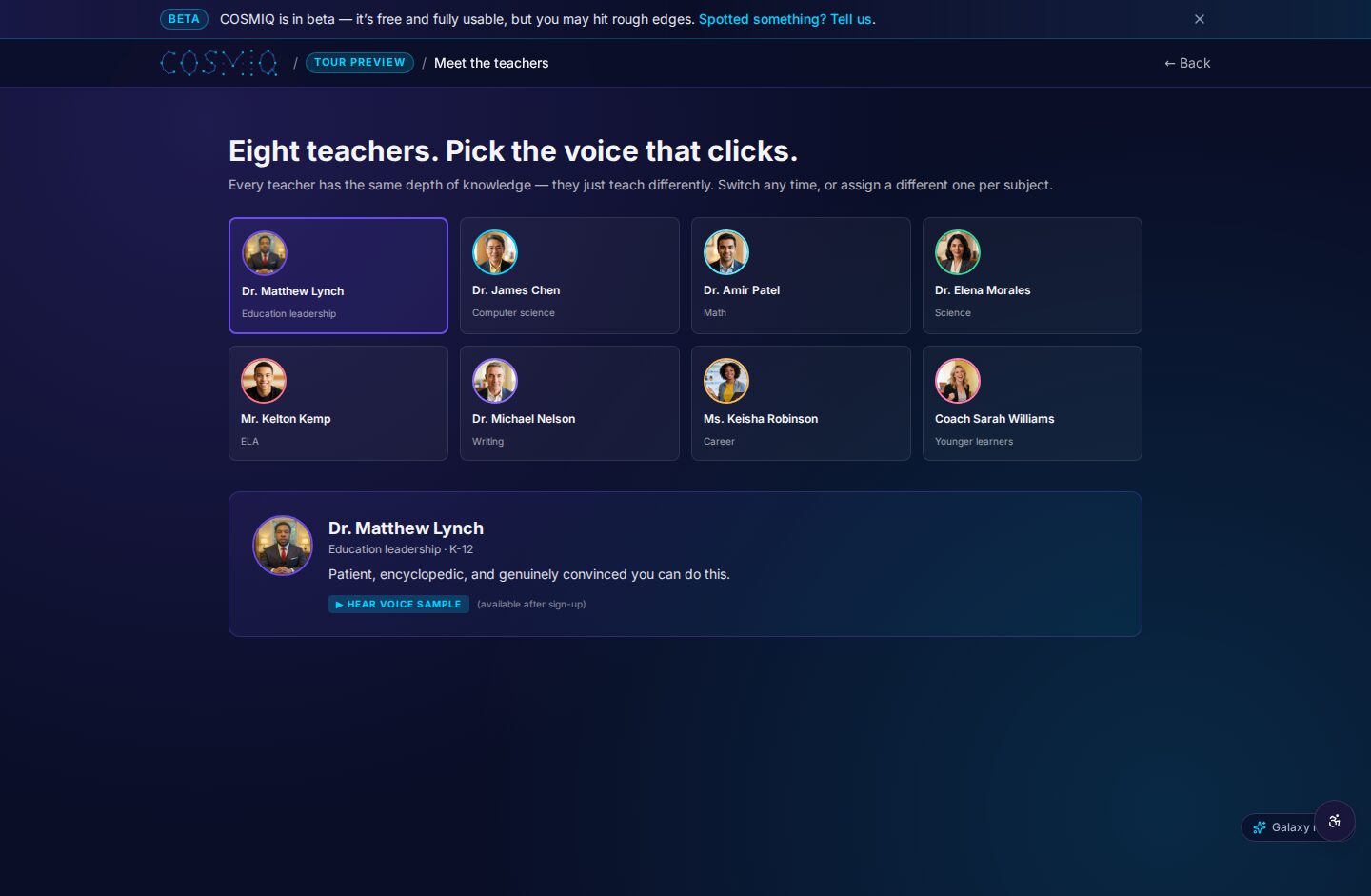
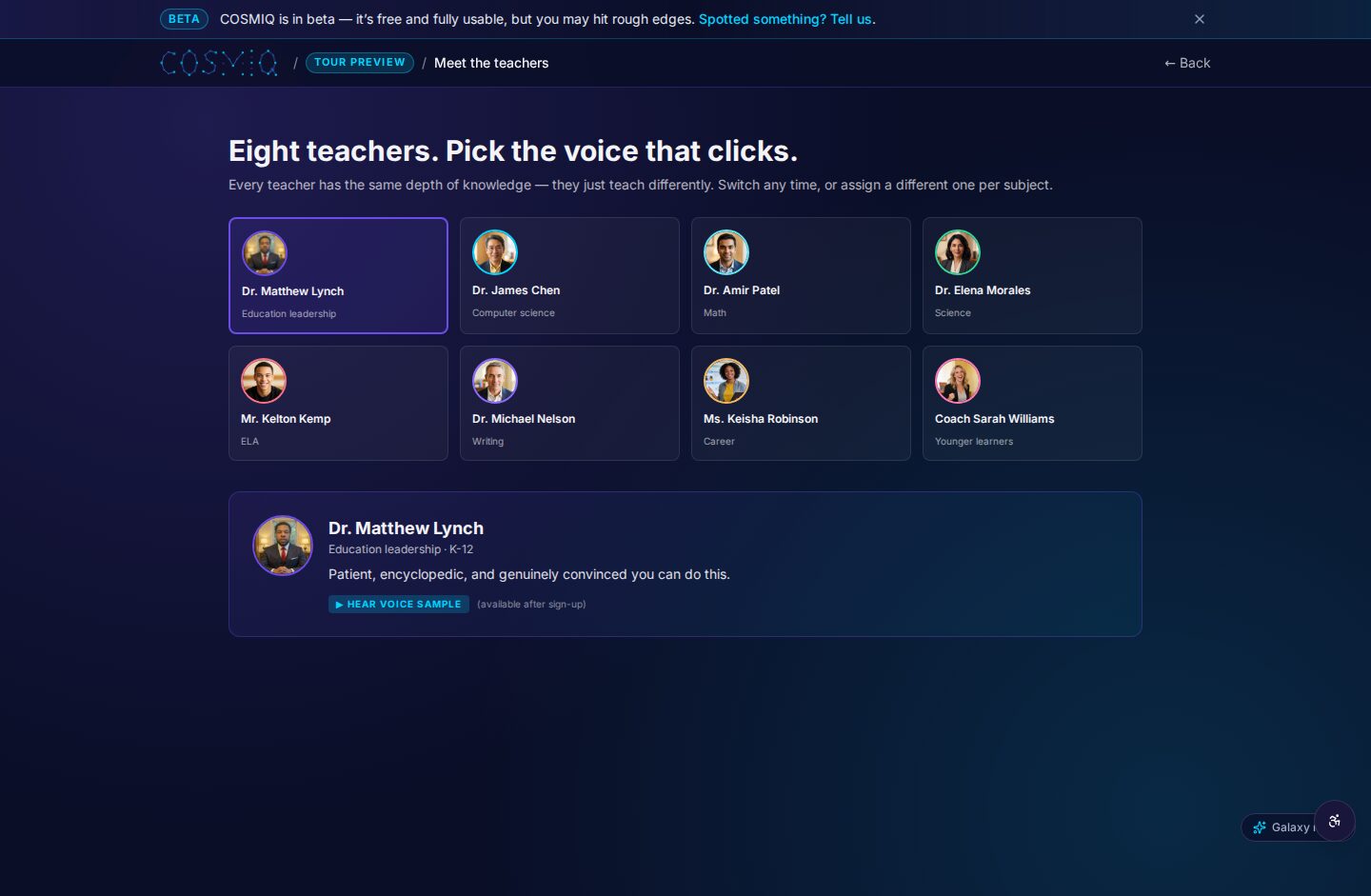
AI tutors are designed to adapt to the curricula and standards set forth by educational authorities, including those in Utah. These programs can analyze a student’s learning habits and performance in real-time, adjusting lesson plans to ensure alignment with the Utah curriculum. For instance, if a student struggles with algebra, the AI tutor can provide additional resources and exercises focused on that specific topic, ensuring the student meets the established Utah learning standards.
Moreover, AI tutors can assess not just what a student knows, but how they learn. This capability is incredibly valuable. For example, if a student learns best through visual aids, the AI can incorporate videos and diagrams into the lesson plan. If another student is more of a verbal learner, it can provide more reading materials and verbal explanations. This level of personalization can lead to better engagement and retention of information, which ultimately helps in meeting the academic benchmarks set by the Utah curriculum.
For instance, let’s take a closer look at how an AI tutor can adapt a history lesson. If the Utah learning standards require students to understand key events of the American Revolution, the AI tutor might begin with a student quiz to gauge their current understanding. From there, it will tailor subsequent lessons based on the results. If the student has a good grasp of the battles but struggles with the political implications, the AI could prioritize political documents, allowing the student to analyze them through interactive activities.
Benefits of AI Tutors for Students
The benefits of AI tutors extend beyond just aligning with educational standards. First and foremost, they offer a personalized learning experience. Traditional classroom settings often struggle to cater to the varying levels of student capability. In contrast, AI tutors can provide individualized attention, allowing students to progress at their own pace.
Consider a scenario where a student excels in reading but has difficulties with math. An AI tutor can identify this disparity and allocate more time and resources to math while still providing challenging reading materials to keep the student engaged. This kind of targeted support can significantly boost a student’s confidence and overall academic performance.
Let’s explore another scenario. A high school student gearing up for college entrance exams might need focused prep in specific subjects. An AI tutor can create a study plan that targets weak areas, such as mathematics, while allowing the student to practice advanced calculus and SAT reading comprehension. By being adaptive, AI tutors can help students not only meet but exceed the Utah learning standards.
Further, AI tutors can help track and celebrate progress. Students can set personal goals and receive instant feedback on their performance. When a student achieves a milestone—like mastering a complex math topic—they can receive a congratulatory message or rewards, further motivating them to engage with more challenging material. This kind of immediate reinforcement can enhance the learning experience and instill a sense of accomplishment.
Supporting Teachers with AI Tutors
It’s not just students who stand to benefit from AI tutors. Teachers can also find significant support through these technologies. With the Utah curriculum dictating what needs to be taught, AI tutors can streamline lesson planning. Imagine a teacher receiving data-driven insights about which topics their students are struggling with the most. This information allows teachers to focus their classroom time on areas where students need the most help, rather than covering material uniformly.
In essence, AI tutors can complement traditional teaching methods. They can handle repetitive tasks, such as assessing homework or providing additional practice, freeing up teachers to engage in more meaningful interactions with their students. This collaborative approach can lead to improved educational experiences, aligning well with the goals of the Utah learning standards.
Moreover, consider the impact of AI tutors on teacher professional development. Teachers can analyze data generated by AI tutors to identify broader trends in student learning, informing their own teaching practices. For example, a teacher might notice that a significant portion of their class struggles with a particular standard in science. This insight allows them to adapt their instructional strategies, incorporate different teaching tools, or even seek out additional resources to support their students effectively.
Ultimately, AI tutors can serve as invaluable assistants in the classroom. While they cannot replace the human touch and mentorship that teachers provide, they can enhance the educational experience by making it data-driven and focused on individual student needs.
Challenges and Considerations
While the benefits are compelling, it's essential to recognize the challenges that come with integrating AI tutors into the educational landscape. One major concern is ensuring equitable access to technology. Not every student has the same level of access to devices or high-speed internet. This disparity can create a digital divide, impacting students' ability to engage with AI tutors effectively.
Moreover, the reliance on technology raises questions about data privacy and security. Schools must ensure that student information is protected, and parents need to be informed about how their children’s data will be used. Striking a balance between leveraging technology for educational enhancement and maintaining student privacy will be crucial.
Additionally, there's the challenge of teacher training. Educators need to be equipped with the skills to integrate AI tutors effectively into their teaching practices. This requires ongoing professional development and support. If teachers aren’t confident in using these tools, the potential benefits can go unrealized. Schools should invest time and resources into training sessions that not only familiarize teachers with the technology but also provide best practices for integrating it into classroom activities.
Lastly, we must consider the potential for over-reliance on AI tutors. While they offer many advantages, it's essential to remember that they are tools to complement—not replace—traditional teaching methods. Students still need opportunities for collaborative learning, social interaction, and hands-on experiences that an AI tutor simply cannot provide. Balancing these elements will be key to creating a well-rounded educational environment.
Future of AI Tutors in Utah Education
Looking ahead, the future of AI tutors within the Utah education system seems promising. As technology continues to evolve, so too will the capabilities of these educational tools. We may see even more sophisticated AI that can not only assist with subjects but also help develop soft skills like problem-solving and teamwork.
Incorporating AI tutors into the educational ecosystem can enhance collaborative learning experiences, where students can work together on projects while the AI provides guidance tailored to their collective skills and knowledge levels. This shift could redefine classroom dynamics and create a more engaged learning environment.
Moreover, the future may hold potential for AI tutors to integrate with virtual and augmented reality experiences. Imagine a history lesson where students can explore ancient civilizations through VR while receiving real-time feedback and guidance from an AI tutor. Such immersive experiences can create a deeper understanding of concepts, making education more engaging than ever.
Furthermore, as AI technology progresses, we might see the development of more emotionally intelligent tutors. These tools could adapt not only to academic needs but also to emotional cues, offering support and encouragement when students feel frustrated or overwhelmed. This holistic approach would align perfectly with the broader goals of the Utah curriculum, which focuses on the comprehensive development of the student.
Real-World Implementations of AI Tutors
While many schools are still in the early stages of integrating AI tutors, a few pioneering districts in Utah have begun to experiment with these technologies. For instance, some high schools have started using AI tutors to assist in Advanced Placement (AP) courses. Here, tutors can provide additional practice and resources tailored to the specific requirements of AP exams, helping students to better prepare and succeed.
Another example can be found in elementary schools, where AI tutors are being used to reinforce foundational skills in reading and math. Teachers have reported that students who interact with AI tutors show improved performance in standardized tests, aligning well with the expectations set by the Utah learning standards.
These real-world implementations highlight the potential for AI tutors to not only enhance individual learning experiences but also contribute to overall improvements in educational outcomes. Schools that have adopted AI tutors are already seeing increased student engagement, better academic results, and a more efficient use of teacher time.
As more districts begin to explore the capabilities of AI tutors, we can expect a wealth of data and experiences that can inform best practices. This information could ultimately lead to a more standardized and effective approach to using AI in education, ensuring that all students, regardless of their background, have access to high-quality learning opportunities that adhere to the Utah curriculum.
Final Thoughts on AI and Education
AI tutors present unique opportunities to align educational practices with the Utah curriculum and learning standards. They offer personalized, efficient, and responsive learning experiences that can benefit students and teachers alike. However, careful consideration must be given to access and privacy issues. As we navigate these challenges, it’s essential for educators, policymakers, and communities to work together to ensure that AI tools are effectively integrated into the classroom.
After all, the goal is not just to incorporate technology for technology’s sake but to enhance the learning experience and outcomes for every student. The promise of AI in education is bright, but it requires our collective effort to turn that promise into a reality. In this journey, we must remain mindful of the ultimate purpose of education: to nurture curious, capable, and compassionate individuals who are prepared to thrive in an ever-changing world.
Learn anything, free.
COSMIQ is a free, voice-driven AI tutor for every learner. No credit card, ever.
Start learning free →