An AI Tutor Aligned to Vermont's Standards

As education continues to evolve, the integration of technology into the classroom is becoming increasingly commonplace. One of the most exciting developments is the rise of AI tutors, which can provide personalized learning experiences tailored to individual student needs. However, for these AI tools to be effective, they need to align with established educational frameworks. In Vermont, the Vermont curriculum and Vermont learning standards offer a solid foundation for developing such AI tutors. But how exactly can these tools work in harmony with these guidelines?
Understanding Vermont's Educational Frameworks
Before we can explore how AI tutors can align with Vermont's standards, let’s take a closer look at what those standards entail. Vermont has a set of educational benchmarks designed to ensure that students receive a well-rounded education. The Vermont curriculum emphasizes critical thinking, creativity, and real-world problem-solving. These skills are essential for students as they prepare for further education or the workforce.
The Vermont learning standards are similarly robust. They encompass various subjects, including mathematics, science, and the arts. Each standard is crafted to push students toward mastery, ensuring they can engage with content deeply and thoughtfully. What does this mean for AI tutors? Simply put, they must be designed with these standards in mind to genuinely benefit students.
Furthermore, the Vermont curriculum encourages interdisciplinary learning, which aims to break down barriers between subjects. This means an effective AI tutor should not only focus on subjects in isolation but also create connections between them. For example, a lesson on ecosystems might integrate aspects of math (calculating populations), science (understanding food chains), and language arts (writing about environmental issues). By weaving these narratives together, AI tutors can create a richer learning experience that is fully aligned with Vermont's educational objectives.
Personalization: The Heart of AI Tutoring
One of the most significant advantages of AI tutors is their ability to personalize learning. Each student learns at a different pace, and AI can adapt to these individual learning styles. For instance, if a student struggles with a concept in mathematics, an AI tutor can provide additional resources and exercises specific to that area, all while aligning with the Vermont curriculum.
Take the example of a student who finds geometry challenging. An AI tutor can analyze their previous performance, identify gaps in understanding, and curate a series of lessons focused on geometric concepts. Perhaps the student struggles with angles but excels in shapes. The tutor can then provide targeted practice and interactive activities on angles, ensuring the student grasps these concepts before moving on. This tailored approach not only adheres to Vermont learning standards but ensures that the student is receiving the precise support they need to succeed.
It's not just about identifying weaknesses; it’s also about leveraging strengths. If a student is particularly gifted in creative writing, an AI tutor can adjust its approach by providing more challenging writing prompts that encourage deeper exploration of literary techniques. This not only keeps the student engaged but also fosters a love for learning and creativity, essential elements emphasized in the Vermont curriculum.
Real-Time Feedback: A Game Changer
Feedback is crucial in the learning process, and AI tutors excel in providing immediate responses. When students answer questions or complete exercises, AI systems can assess their work and give instant feedback. This real-time interaction allows students to correct mistakes and understand concepts more deeply.
Imagine a student working on a writing assignment. An AI tutor can evaluate their grammar, structure, and style against the Vermont curriculum standards for writing. If the student makes an error, the AI can suggest corrections and explain why they’re necessary. This immediate feedback loop is something traditional classroom settings often struggle to provide, especially in larger classes.
Moreover, this real-time feedback isn't just limited to correctness. It can also include encouragement and constructive criticism. For instance, if a student writes a compelling introduction but struggles with the body paragraphs, the AI can highlight their strengths in the intro while guiding them on how to enhance their writing in subsequent sections. This balanced approach not only boosts the student’s confidence but also helps them learn from their mistakes.
Engagement Through Gamification
To keep students engaged, AI tutors can use gamification techniques. By incorporating elements of games—like points, levels, and badges—these tutors make learning more enjoyable. This approach aligns well with Vermont’s emphasis on creativity and critical thinking.
Consider a student learning about ecosystems. An AI tutor might present this subject through an interactive game where students earn points for correctly identifying different species or understanding their roles in an ecosystem. For every correct answer, students earn points that contribute to unlocking new levels or gaining badges. This not only makes learning fun but ensures that students are grasping essential concepts, thereby meeting the Vermont learning standards.
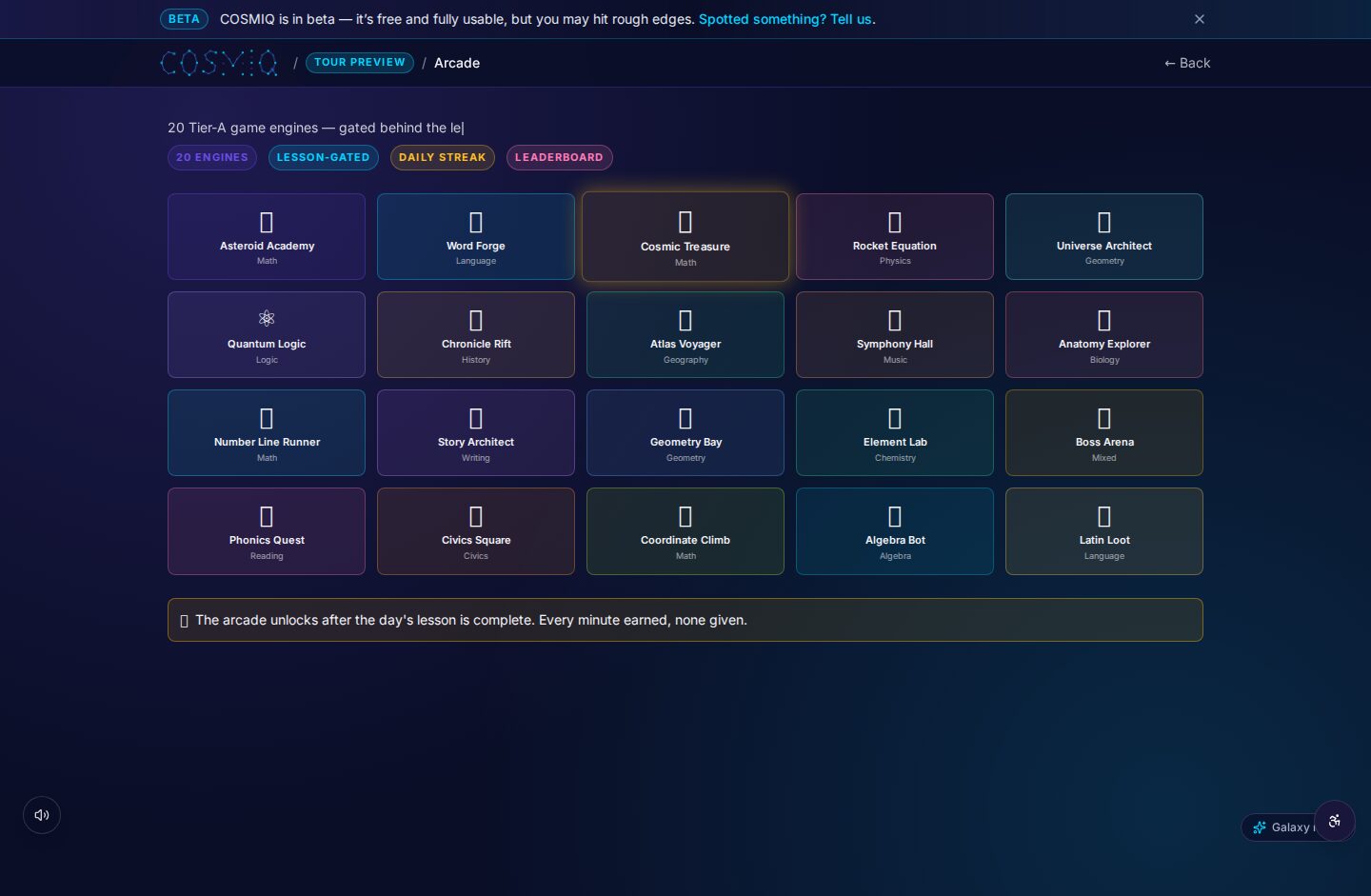
Furthermore, students could have the option to collaborate in these gamified experiences. By allowing students to work together to solve challenges or complete tasks, the AI tutor fosters an environment of teamwork and peer learning. This collaborative aspect mirrors the social skills that Vermont's curriculum seeks to cultivate.
Collaboration and Social Learning
While personalization is vital, so is collaboration. AI tutors can facilitate group learning experiences, allowing students to work together on projects and problems. This aligns with Vermont’s focus on social skills and teamwork.
For example, an AI tutor could set up a virtual collaboration space where students can tackle a science project together. They might share findings, debate ideas, and develop a presentation. In doing so, they’re not only learning content but also essential skills like communication and cooperation, which are integral to the Vermont curriculum. Imagine a scenario where students are studying renewable energy. They can separately research different types of renewable resources and come together in the virtual space to present their findings, encouraging discussions about sustainability and its importance.
Additionally, AI could facilitate peer reviews, where students provide feedback on each other's work. This process not only reinforces their learning but also develops critical thinking and constructive criticism skills. Educators can set specific criteria for peer assessment based on Vermont learning standards, guiding students in giving meaningful feedback.
Teacher Support: A Partnership
AI tutors aren't designed to replace teachers; rather, they act as assistants, enhancing the educational experience. Teachers can use data collected by these AI systems to adjust their instruction and provide targeted support to their students. This partnership ensures that teaching remains aligned with Vermont’s standards while benefiting from the insights provided by AI.
For instance, if an AI tutor identifies that several students in a class are struggling with a particular topic, the teacher can adjust their lesson plans accordingly. They can revisit the concept, provide additional resources, or facilitate a class discussion, all while ensuring that the content aligns with the Vermont learning standards.
In practice, this means teachers can leverage the data obtained from AI tutors to understand trends in student performance. If a teacher notices a persistent difficulty in mathematics among their students, they can design targeted interventions like small group sessions or one-on-one tutoring. This data-driven approach complements the educator's instincts and experiences, creating a more holistic educational strategy.
Accessibility and Inclusivity
Another significant advantage of AI tutors is their potential to make education more accessible. These tools can cater to diverse learning needs, adjusting content for students with different abilities or learning styles. This aligns perfectly with Vermont's commitment to inclusivity in education.
For example, for students who have difficulty with traditional reading materials, AI tutors can provide audio versions of texts or interactive visual aids. By tailoring the learning experience, these tools ensure that all students have an equal opportunity to meet Vermont curriculum objectives. This could mean providing simplified language for younger students or additional resources for advanced learners who might need more challenging material.
In addition, AI tutors can be programmed to recognize and adapt to various learning disabilities. A student with dyslexia, for instance, could benefit from features that enhance text readability or provide phonetic pronunciations. By catering to these unique needs, AI tutors not only comply with Vermont’s curriculum but also foster an environment where every student can thrive.
Evaluating Effectiveness and Continuous Improvement
As with any educational tool, it's crucial to evaluate the effectiveness of AI tutors regularly. Aligning with Vermont's curriculum and learning standards means that these tools must continually adapt and improve based on student outcomes.
Schools and educators should gather data on how students interact with AI tutors, assessing their performance and engagement levels. This data can be invaluable for refining AI algorithms, ensuring they remain aligned with Vermont learning standards, and effectively meeting the needs of all students.
Consider a district that implements an AI tutor program. By analyzing test scores and student feedback, administrators can identify which features of the AI are helping students succeed and which may need further development. Feedback loops can be established where students report their experiences, allowing developers to gather qualitative data alongside quantitative metrics.
Moreover, professional development for educators is essential in this process. Teachers should be trained to interpret AI data effectively and integrate these insights into their teaching methodologies. Regular workshops can help bridge the gap between technology and pedagogy, ensuring that both educators and students benefit from AI tutors.
The Future of AI in Vermont Education
Looking ahead, the integration of AI tutors into Vermont's educational landscape seems promising. With a strong foundation in the Vermont curriculum and Vermont learning standards, these tools can revolutionize how students learn and teachers instruct.
However, it’s essential for educators, administrators, and developers to work together to ensure that AI tutors are designed with the specific needs of Vermont students in mind. This collaboration will help create a system that not only enhances learning but also prepares students for a rapidly changing world.
AI tutors aligned with Vermont's standards could very well be the future of personalized education, paving the way for a more effective and inclusive learning environment. But beyond just responding to current needs, we must also consider how these systems can evolve to meet the challenges of tomorrow. As we face an increasingly complex global landscape, the ability to adapt and innovate will be paramount.
Implementing AI Tutors: Steps for Schools
Implementing AI tutors in schools is not just a matter of purchasing software. It involves a series of strategic steps to ensure alignment with Vermont curriculum and learning standards. First, schools should conduct a needs assessment to identify specific areas where AI can enhance educational outcomes. Are there particular subjects where students consistently underperform? Is there a need for more personalized learning tools?
Next, it’s essential to involve stakeholders in the decision-making process, including teachers, parents, and students. Their insights can provide valuable perspectives on what features and functionalities are most needed. For instance, teachers might emphasize the importance of real-time feedback, while students may prioritize engagement through gamification.
Once the needs are established, schools can start with pilot programs. Implementing AI tutors in a few classrooms allows for testing and refinement before a full rollout. Collecting data during this phase will be critical for evaluating effectiveness and making necessary adjustments. By ensuring that the implementation process is collaborative and data-driven, schools can maximize the potential of AI tutors in achieving Vermont learning standards.
Professional Development for Educators
The successful integration of AI tutors also hinges on the training and professional development of educators. It's not enough to simply provide teachers with access to these tools; they need to be equipped to use them effectively. Ongoing training sessions can help teachers understand how to interpret data from AI tutors and integrate those insights into their instructional strategies.
Workshops can cover various aspects of AI tutoring, including troubleshooting common issues, customizing learning pathways for students, and utilizing data to inform instruction. Additionally, fostering a culture of innovation within schools, where teachers feel encouraged to experiment with AI tools, can lead to greater acceptance and effectiveness.
For example, a school might host regular meetings where teachers share their experiences using AI tutors. This peer-to-peer learning can help educators discover new strategies and techniques that enhance their teaching practices. As educators become more comfortable and knowledgeable about AI tools, they will be better positioned to support their students in achieving Vermont curriculum goals.
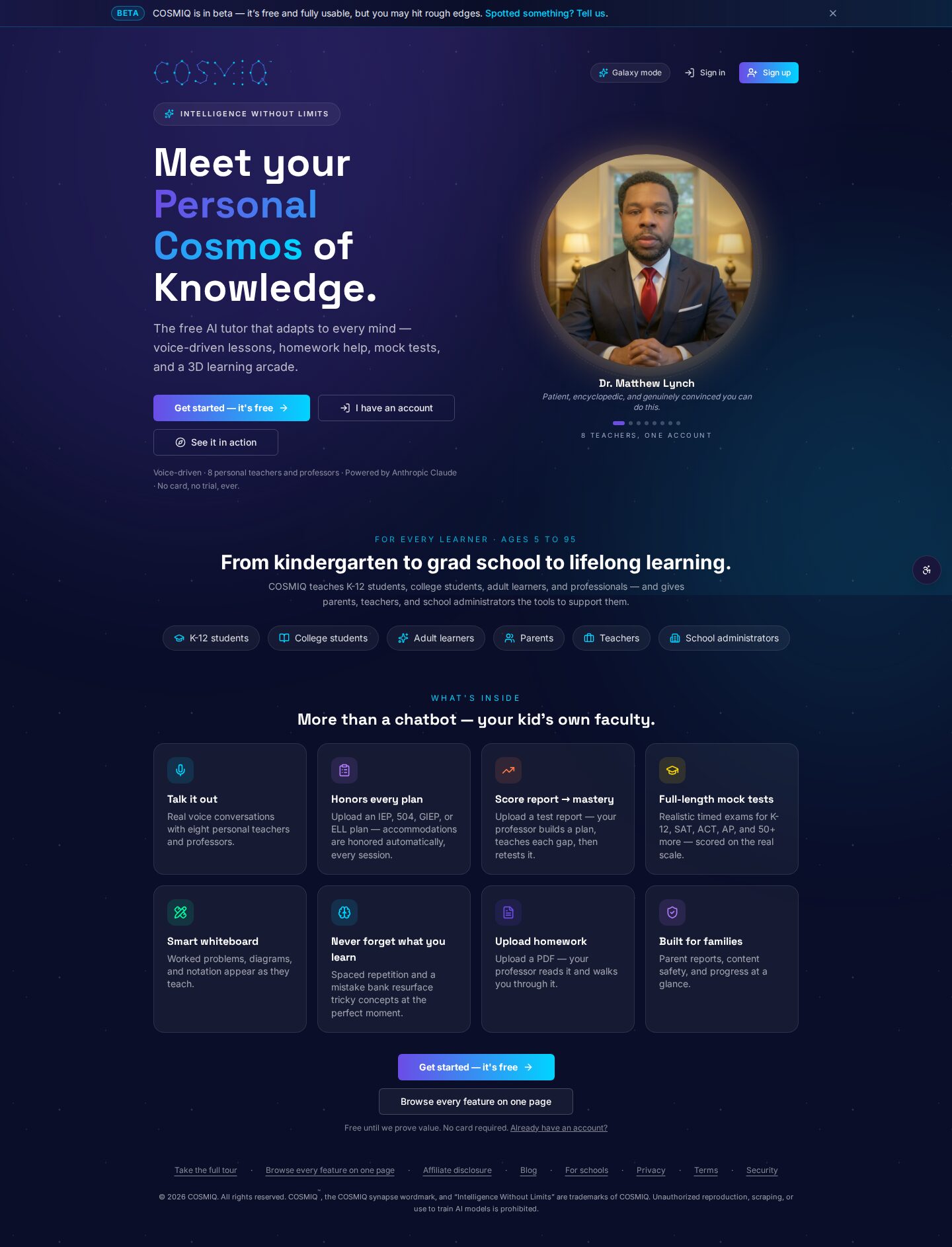
Learn anything, free.
COSMIQ is a free, voice-driven AI tutor for every learner. No credit card, ever.
Start learning free →