An AI Tutor Aligned to Wisconsin's Academic Standards

Imagine a tool that could support your learning journey, guiding you through complex subjects, answering your questions at any time, and adapting to your personal learning style. This is the promise of an AI tutor. But how do we ensure that such technology aligns with the Wisconsin curriculum and meets the Wisconsin learning standards? Let's explore what this looks like in practice.
Understanding the Wisconsin Curriculum
The Wisconsin curriculum is a roadmap for educators, outlining what students should learn at each grade level and in every subject. It covers a wide spectrum of knowledge, from fundamental math skills to advanced scientific concepts. Understanding this curriculum is crucial for anyone developing educational tools—especially AI tutors. You wouldn't want a tutor that skips fundamental concepts or teaches outdated material.
When AI tutors are designed with the Wisconsin curriculum in mind, they can better support teachers and students. For instance, if a student is struggling with fractions in third grade, an AI tutor can pull specific lessons and exercises that align with state-approved methods of teaching fractions. This ensures that students aren’t just memorizing, but genuinely understanding how to work with fractions in real-world contexts.
Take the concept of geometry in grade four, for example. The Wisconsin curriculum specifies that students should be able to identify and describe two-dimensional shapes and their properties. An AI tutor could present interactive 3D models to help visualize these shapes, allowing students to manipulate them and explore their properties firsthand. This hands-on, exploratory approach not only reinforces the Wisconsin curriculum but also fosters a deeper understanding.
Moreover, the Wisconsin curriculum emphasizes interdisciplinary learning. An AI tutor could create projects that integrate subjects, such as a science experiment that requires mathematical calculations or writing a report based on historical events. This not only aligns with curricular goals but also enriches the learning experience by showing how different subjects interconnect. When a student sees the relationship between math and science, they’re more likely to engage with the material and retain the information.
Navigating Wisconsin Learning Standards
Wisconsin learning standards outline specific expectations for what students should know and be able to do at various stages of their education. These standards are not just about content; they also focus on skills like critical thinking, collaboration, and problem-solving. An AI tutor aligned with these standards can help students develop not just knowledge but also the skills they need to succeed.
For example, if a student uses an AI tutor for writing, the program can provide instant feedback based on the Wisconsin learning standards for writing. It can point out what’s missing in their arguments, suggest ways to improve their thesis statements, and even help them understand the importance of structure and clarity in their writing—all of which are key skills outlined in the standards.
Furthermore, consider science education. The Wisconsin learning standards advocate for inquiry-based learning, where students are encouraged to ask questions and conduct experiments. An AI tutor can facilitate this process by guiding students through the scientific method, helping them develop hypotheses, and suggesting experiments. This kind of support not only adheres to the learning standards but also nurtures a natural curiosity about the world.
In addition, the standards also emphasize the importance of digital literacy. An AI tutor can integrate lessons that teach students how to evaluate online resources, understand data privacy, and navigate information respectfully. By preparing students for the digital world, AI tutors play a critical role in ensuring they meet the evolving requirements set forth by Wisconsin's learning standards.
Personalized Learning Experience
One of the standout features of an AI tutor is its ability to personalize the learning experience. Rather than adopting a one-size-fits-all approach, AI can adapt to the individual needs of each student. This personalized learning is especially crucial when aligned with the Wisconsin curriculum and learning standards.
Consider a high school math student preparing for the ACT. A traditional classroom setting may not provide the targeted help they need. An AI tutor can assess their strengths and weaknesses, then offer practice problems directly tied to the curriculum and the skills outlined in the learning standards. This customization leads to more effective learning outcomes. You can’t underestimate the value of targeted practice!
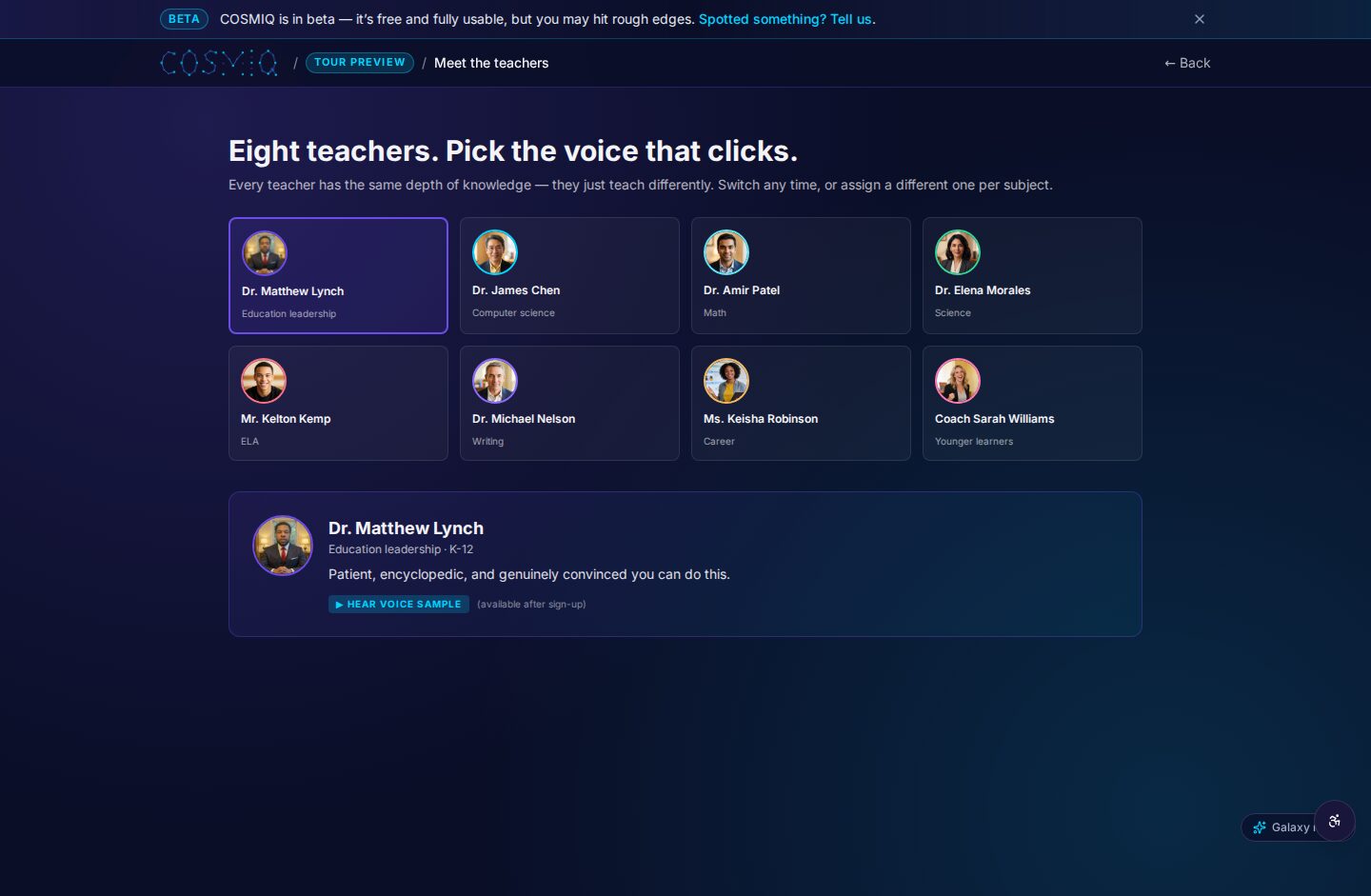
But personalization goes beyond just adjusting the difficulty of problems. An AI tutor can adapt its teaching style based on how a student learns best. For instance, if a student learns best through visual aids, the AI can provide videos or infographics alongside text-based explanations. It can also utilize adaptive learning paths that adjust in real-time based on student performance. This flexibility not only enhances understanding but also keeps students engaged and motivated.
Imagine a student who struggles with reading comprehension. An AI tutor could offer a variety of texts aligned with their interests, gradually increasing complexity as their skills improve. It might include interactive quizzes that assess comprehension and provide immediate feedback, guiding the student toward better strategies for understanding complex texts. This targeted approach ensures that students are not just completing assignments but are genuinely growing in their skills.
Enhancing Teacher Support
Some may worry that introducing AI into education could overshadow teachers. However, an AI tutor can serve as an invaluable resource for educators. By aligning with the Wisconsin curriculum and learning standards, AI creates a collaborative environment where teachers can focus on higher-order teaching tasks.
Imagine a teacher who has an AI tutor assisting students with homework. While the AI handles the repetitive questions and provides instant feedback, the teacher is free to work with students on group projects or in-depth discussions. This way, teachers can dedicate more time to fostering a rich, interactive classroom environment while still ensuring that all students meet the required standards.
Furthermore, AI can assist teachers in identifying students who are struggling. By analyzing data from AI interactions, teachers can pinpoint specific areas where students may need additional support. For example, if data shows that several students are consistently struggling with a particular math concept, the teacher can plan targeted interventions or provide additional resources to help those students.
This collaborative relationship between AI and educators creates a more effective learning environment. When teachers are supported rather than replaced, they can leverage their expertise to guide students through complex subject matter, focusing on critical thinking and creativity—skills that are increasingly valuable in today’s world.
Engagement Through Gamification
Incorporating gamification into an AI tutor can significantly enhance student engagement. Gamified learning experiences that adhere to the Wisconsin curriculum make education feel less like a chore and more like an adventure. How many times have you heard a child say, 'I don't want to do homework'? With AI tutors, students can engage with educational material in a fun, interactive way.
For instance, math problems could be presented as challenges within a game, where students earn points for correct answers and progress through levels. This engagement not only makes learning enjoyable but also reinforces the skills outlined in the Wisconsin learning standards. When students are motivated to learn, they often exceed expectations.
Consider a scenario where history lessons are turned into an interactive quest game. Students could take on the role of historical figures, facing challenges based on real events. As they navigate through these challenges, they learn about history while developing problem-solving and critical-thinking skills. This immersive experience can lead to a deeper understanding of the subject matter.
Additionally, AI tutors can personalize gamified elements based on student performance. If a student excels in one area but struggles in another, the AI can adjust the game to focus on their weaker subjects while still incorporating elements that they enjoy. This kind of tailored engagement helps maintain motivation and can lead to significant learning gains.
Challenges and Considerations
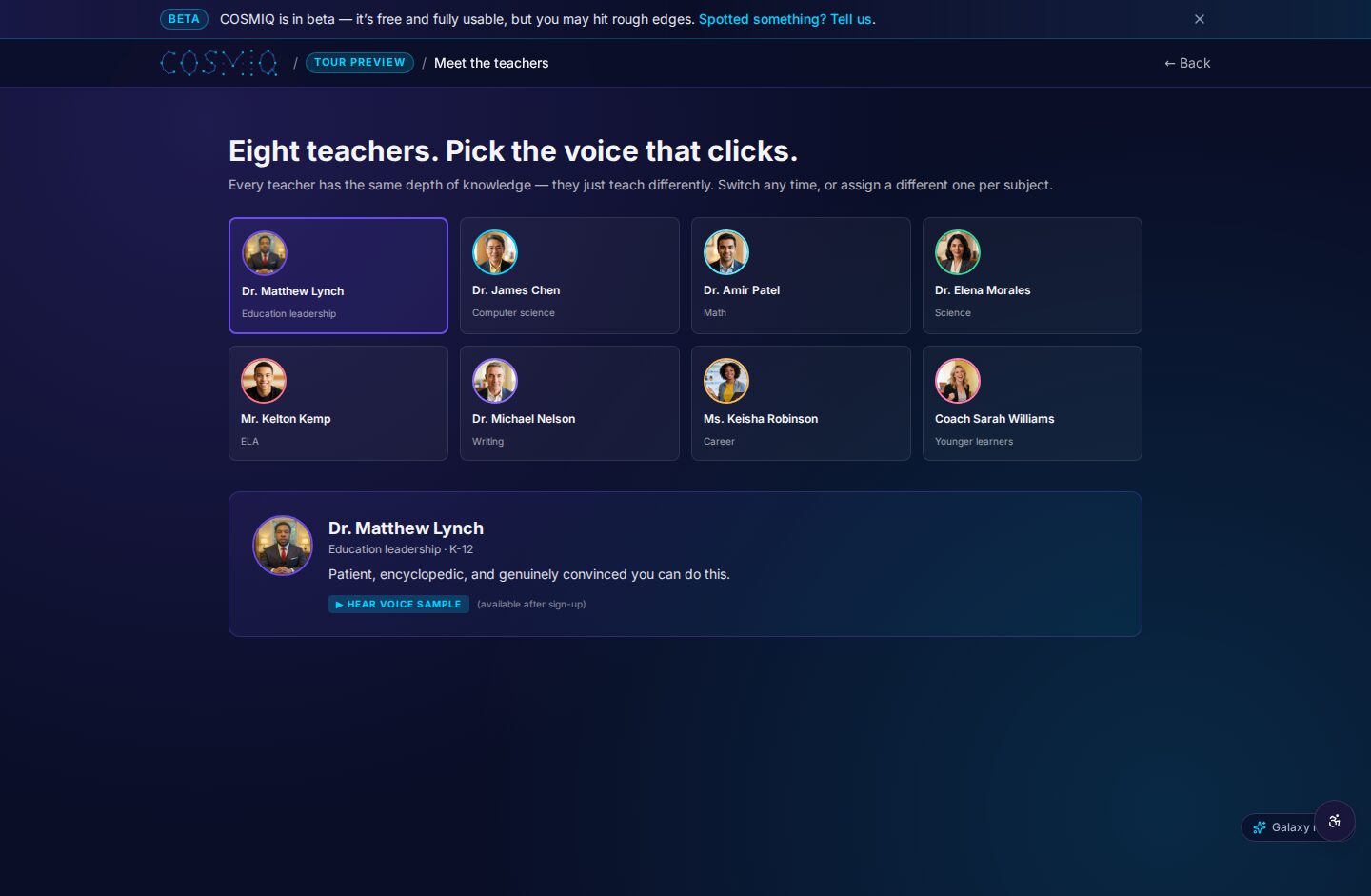
While AI tutors present remarkable opportunities, there are challenges to consider. Not all AI solutions are created equal. It’s essential to evaluate an AI tutor’s alignment with the Wisconsin curriculum and learning standards carefully. Does it provide up-to-date information? Is it culturally responsive? Does it support diverse learning needs?
For instance, if an AI tool offers educational content that’s not aligned with the current standards or curriculum, it could lead students astray. Teachers and parents should be vigilant in assessing the resources available. Moreover, reliance on technology should not replace traditional methods of learning but complement them.
Another challenge is ensuring equitable access to technology. Not every student has the same access to devices or high-speed internet, which can create a disparity in learning opportunities. Schools and districts must address these gaps to ensure that all students can benefit from AI tutors.
Finally, there’s the question of data privacy. As AI tutors collect data to tailor learning experiences, safeguarding that information becomes crucial. Parents and educators must ensure that any technology used in the classroom complies with privacy regulations and that students’ data is secure.
Future Directions for AI in Education
The future of AI tutors in education is promising, especially when aligned with state-specific educational standards like those in Wisconsin. As technology continues to evolve, so too will the capabilities of AI. Imagine a tutor that can not only track academic progress but also monitor emotional wellbeing, offering support tailored to both academic and personal needs.
Schools in Wisconsin might employ AI tutors that can analyze data trends over time, helping educators identify students who may need extra support before they fall behind. This proactive approach could radically shift how we think about intervention in education. By catching issues early, educators can implement support strategies much sooner than traditional methods allow.
Moreover, the integration of AI tutors could lead to the development of hybrid learning models. Traditional classrooms could incorporate AI as a supplementary teaching tool, providing students with both direct instruction and personalized assistance. This could lead to a more dynamic learning environment where teachers and technology work hand in hand.
In addition, there's a growing opportunity to use AI in professional development for teachers. Imagine AI tools that analyze teaching practices and provide feedback based on best practices aligned with the Wisconsin learning standards. This could empower educators with insights and strategies to improve their instruction, ultimately benefiting students.
Final Thoughts on AI in Education
As we look to integrate AI tutors into education, keeping the Wisconsin curriculum and learning standards at the forefront will be essential. These tools offer incredible potential to personalize learning, support teachers, and engage students. But they must be implemented thoughtfully to truly enhance the educational experience.
When you think about the future of learning, it’s exciting to envision how technology can work hand-in-hand with quality education. If done right, AI tutors could shape a generation of thinkers, creators, and problem solvers prepared not just for exams, but for real-world challenges. The key will be fostering an environment where both AI and educators can thrive, ensuring that the ultimate goal—student success—remains at the center of all educational efforts.
Learn anything, free.
COSMIQ is a free, voice-driven AI tutor for every learner. No credit card, ever.
Start learning free →