An Anki Alternative That's Easier to Start (and Uses FSRS)
For anyone trying to master a new subject or language, spaced repetition systems (SRS) have become a popular tool. Anki has dominated this space for years, but not everyone finds it user-friendly or easy to get started. So, what if there was an Anki alternative that’s easier to begin using and incorporates FSRS (Forgetting-Sensitive Repetition System)? Enter a new contender that might just change how you approach learning.
Why Users Seek Alternatives
Let’s face it, Anki can be intimidating at first glance. Its interface is utilitarian, and the setup process can be cumbersome. Many people struggle with creating decks, importing cards, and figuring out the various settings. This often leads to frustration and, ultimately, abandonment of the app altogether. If you find yourself in this boat, you're not alone. Many learners are searching for a more intuitive solution that doesn’t come with a steep learning curve.
For instance, a language learner may want to quickly jump into vocabulary practice without spending hours on setup. They need something straightforward. Instead of getting bogged down by complicated features, they want an easier way to start learning immediately. Imagine trying to learn a new language and getting stuck on the platform you’re supposed to be using to learn it! That’s counterproductive, isn’t it?
What is FSRS?
Now, let’s talk about FSRS. This method optimizes your learning experience by dynamically adjusting intervals based on how well you recall information. Unlike traditional spaced repetition methods, FSRS focuses on the forgetting curve, tailoring your review sessions according to how quickly you forget the material. This means you’ll spend less time reviewing concepts you already know well, while still revisiting challenging ones more frequently.
This concept not only retains your interest but also enhances retention. You’re not overwhelmed with cards you’ve already mastered; instead, you’re gently nudged toward the ones that need your attention. Who wouldn’t want an approach that takes into account your unique pace of learning? Studies have shown that this tailored approach can result in up to 30% better retention compared to traditional methods. It’s a refreshing way to engage with material.
Why Choose a Simplified Alternative?
Choosing an easier alternative doesn’t mean sacrificing quality. In fact, a simplified system can lead to better outcomes. Many people feel discouraged when faced with a steep learning curve, which can hinder their motivation. By opting for a user-friendly SRS that incorporates FSRS principles, you can leap over that hurdle with ease.
Consider a student trying to master a difficult subject like anatomy. If the learning tool is straightforward, they’re more likely to stick with it and keep their focus. A complex setup can deter users, while an intuitive design encourages engagement. You want to spend your time learning, not figuring out how to use an app. Think about how often you’ve given up on a tool because it felt like a chore to use. Simplifying the way we learn could lead to much better academic results.
Features of the New FSRS App Alternative
So, what features make this FSRS app alternative stand out? For starters, the onboarding process is refreshingly simple. You can create your first flashcard deck in minutes, not hours. This means you can get right to the learning without the frustration of complicated menus and settings.
The user interface is designed with clarity in mind. Bright colors, clear icons, and easy navigation ensure that even the least tech-savvy users can find their way around. The learning paths are straightforward, and everything is customizable to fit your specific needs, whether you’re studying a language, preparing for an exam, or looking to memorize facts. You might even have the option to add images or audio to your cards, making learning more engaging and effective.
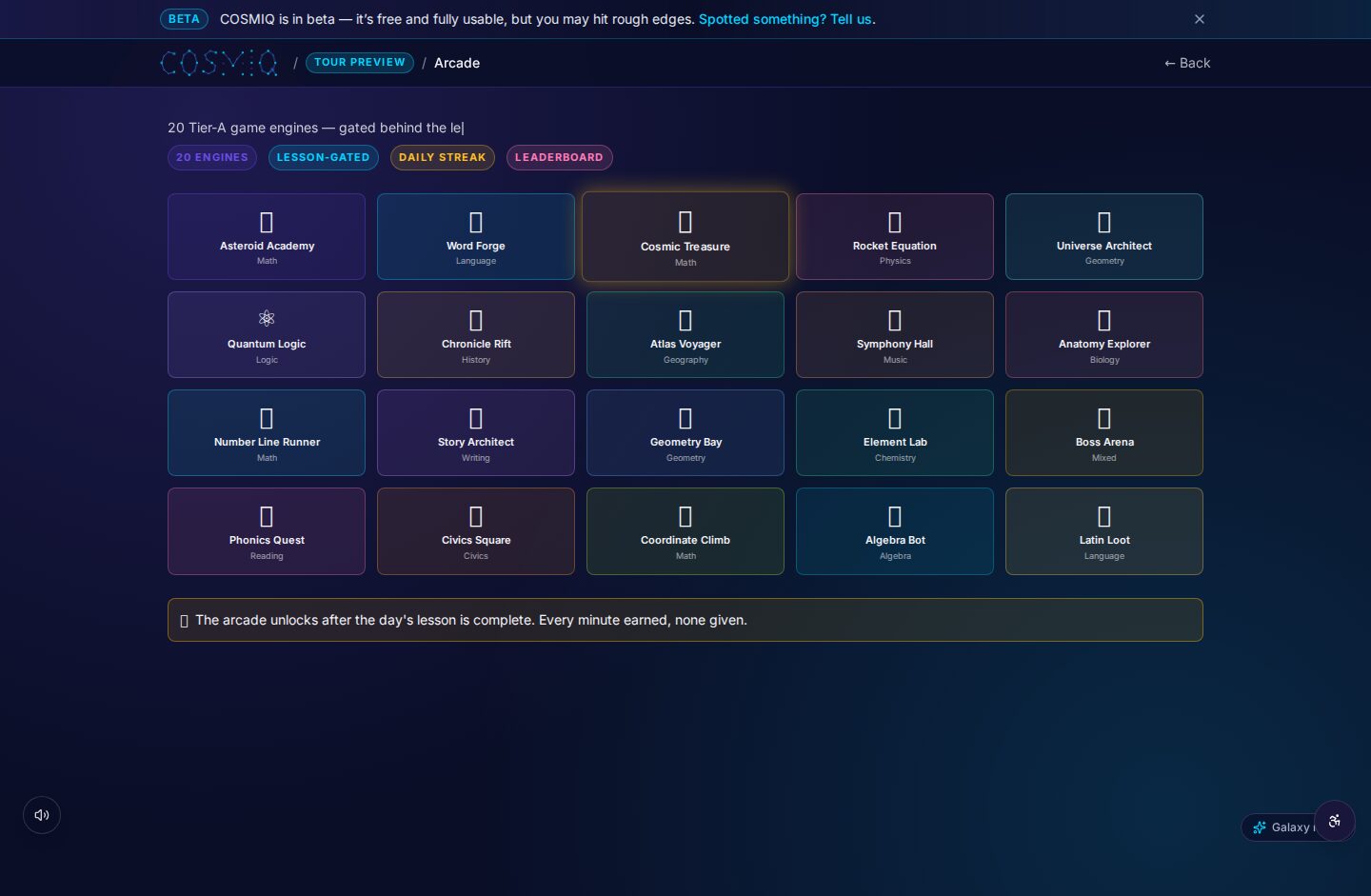
Additionally, many of these FSRS app alternatives include gamification elements that keep you motivated. Imagine earning badges or points for consistent studying or completing certain milestones. This can transform your study sessions from mundane tasks into exciting challenges. Engagement is key to retaining information. If you enjoy the process, you’re more likely to stick with it.
Real-World Benefits of Using an FSRS Alternative
Imagine the benefits of using an app that emphasizes user experience while still delivering powerful learning outcomes. For instance, one user reported that switching from Anki to this FSRS app alternative increased their retention rates significantly. They spent less time on cards they already knew and focused more on the challenging material, which meant they could progress faster.
Another benefit is the ability to track your learning progress seamlessly. Analytics tools within the app give you insights into what’s working and what needs improvement. If you’re not making progress on certain cards, you can tweak your study habits accordingly. This kind of feedback loop can be a game changer for effective learning. Imagine being able to see how your retention rates correlate with specific study habits; that’s valuable information!
Moreover, users often report feeling less anxious about their study sessions. Rather than cramming and worrying about forgetting, they can approach learning with a sense of calm, knowing that the app is tailored to their needs. This shift in mindset can make a huge difference. When you feel confident in your learning tool, you’re more likely to dive deeper into the material.
Community and Support
One of the often-overlooked aspects of learning is community support. Many learners thrive when they can interact with peers. This FSRS app alternative fosters a community where users can share tips, techniques, and even flashcard decks. You can learn not just from the app, but from others who are on the same journey as you.
Imagine being part of a vibrant community where you can ask questions, share your experiences, and find motivation. It adds an extra layer of accountability. Knowing that others are in the same boat can make a significant difference in your learning journey. You might find study partners or mentors that enrich your experience, making learning not just an individual task but a collaborative effort.
Furthermore, some of these alternatives also include forums and discussion boards where you can seek help on tricky topics or share success stories. The encouragement from peers can be a powerful motivator. When you see others making progress, it can inspire you to push through your own challenges.
Real User Experiences
Let’s take a look at some real user experiences. Sarah, a medical student, switched to this FSRS app alternative after struggling with Anki. She found that the intuitive design allowed her to spend less time getting set up and more time studying the material she struggled with. The FSRS approach meant she was revisiting difficult concepts at optimal intervals, which helped her retain complex information more effectively.
Then there’s James, a language learner. He noted that the streamlined card creation process made it easier for him to incorporate new vocabulary into his study routines. The app’s community support helped him connect with fellow learners who provided valuable resources and motivation. His language skills improved at a pace he never thought possible, all thanks to an easier-to-use alternative. It’s fascinating how a tool can reshape our learning process and outcomes.
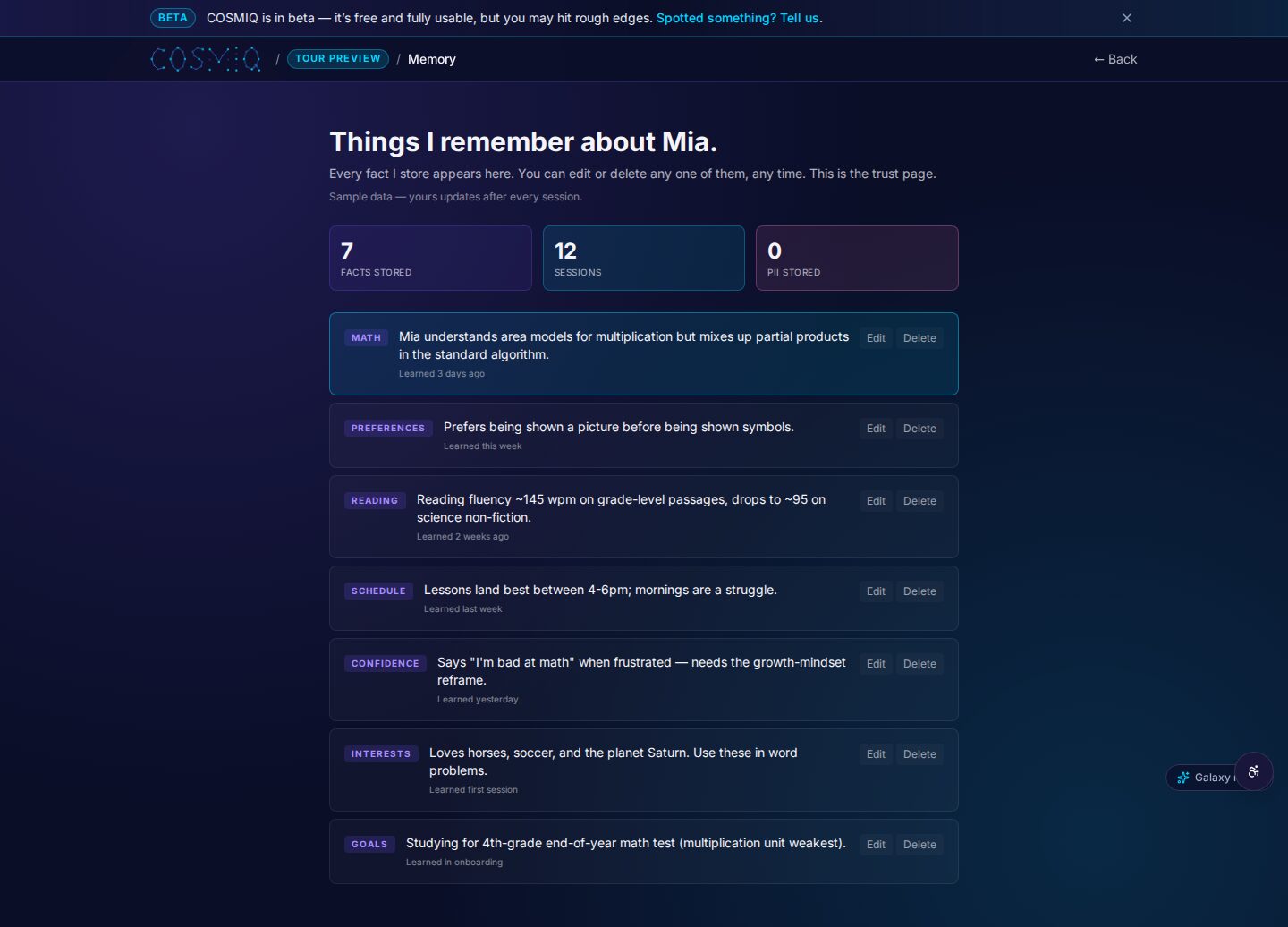
Another user, Mia, mentioned that she appreciated the ability to sync her learning across devices. Whether she was using her phone during a commute or her tablet at home, she could always pick up right where she left off. This flexibility allowed her to integrate learning into her daily life seamlessly. Life can be hectic, and having tools that adapt to your lifestyle is priceless.
Making the Switch
So, how do you make the switch to this FSRS app alternative? First off, you’ll want to set aside a little time to download the app and create an account. The user-friendly setup process makes this straightforward. You’ll be creating flashcards within minutes.

Next, consider importing existing decks if you have them. Many FSRS alternatives offer easy import options to bring your old cards into the new system. This means you won’t lose any valuable study material during the transition. Often, these apps provide step-by-step guides to help you through the process. It’s smooth sailing as you transfer your hard work!
Lastly, jump into the community. Take advantage of forums, social media groups, or any support system the app offers. Engaging with others can enhance your learning experience and provide additional resources as you get accustomed to the new platform. And don’t forget to share your own insights and tips as you become more comfortable. The more you engage, the richer your learning experience will be.
Finding the right tools can significantly impact your learning journey. Choosing an Anki alternative that’s easier to start with and uses FSRS can free you from the complexities that often accompany traditional spaced repetition systems. So, get started today and see how it reshapes your learning experience.
Exploring Additional Learning Techniques
While using an FSRS app alternative can significantly enhance your learning experience, it’s also valuable to explore other complementary techniques. For instance, integrating active recall into your study sessions can further solidify your retention of the material. Active recall involves testing yourself on the information instead of passively reviewing it. You might pair this with your flashcards, asking yourself questions before flipping them over to see the answer.
Consider incorporating spaced repetition with active recall in your study routine. You might first revisit the material using your FSRS app alternative, then quiz yourself without looking at your notes. This dual approach can solidify your understanding and help you remember the information longer. Research has shown that learners who combine these methods often outperform those who rely on just one technique.
Additionally, you might also look into interleaved practice. Instead of studying one topic at a time, mix up different subjects or concepts. This can help you draw connections between ideas and improve your overall comprehension. Imagine studying vocabulary for a language alongside grammar rules, allowing you to see how they interact. This method can lead to a deeper understanding of the material.
The Future of Learning Apps
As technology continues to evolve, so does the landscape of learning apps. The incorporation of artificial intelligence and machine learning into educational tools is on the rise, which could lead to even more tailored learning experiences. Imagine an app that not only tracks your progress but also adapts its materials based on your unique learning style and pace.
In the future, we might see features like predictive analytics, where the app anticipates your struggles before they happen. If you consistently struggle with specific vocabulary, the app might automatically prioritize those in your review sessions. The potential for personalization in learning is exciting and could make studying even more effective.
Moreover, as remote learning becomes more prevalent, the demand for user-friendly educational tools will only increase. Companies will need to focus on creating platforms that cater to diverse learning preferences, ensuring that everyone has access to effective study methods. The future of learning apps looks promising, and being part of this evolution can be both exciting and beneficial.
Related resources: easier than Anki · easier than Anki
Learn anything, free.
COSMIQ is a free, voice-driven AI tutor for every learner. No credit card, ever.
Start learning free →