An IEP-Friendly AI Tutor for Students Who Learn Differently

For many students, learning can be a complex journey. This complexity increases when a student has unique needs that require tailored approaches. Luckily, we live in an age of technology where solutions are emerging to help bridge those gaps. Enter the AI tutor—an innovative tool designed to assist students who learn differently. This AI tutor for disabled students is not just about convenience; it’s about ensuring every learner has access to the education they deserve.
Understanding IEPs and Their Importance
An Individualized Education Program (IEP) is a critical document for students with disabilities. It outlines specific educational goals and the services a student needs to meet those goals. For educators and parents, understanding the nuances of an IEP can sometimes feel overwhelming. However, when implemented correctly, it can pave the way for success.
Imagine a classroom where every student feels included and understood. That’s the essence of an IEP. It’s not just a piece of paper; it’s a lifeline. For instance, a student with dyslexia may require specialized reading strategies. An AI tutor designed with IEP compatibility can help provide these strategies in a personalized manner, adapting to the student’s individual pace and learning style.
Navigating the IEP process itself can be daunting. Parents often find themselves attending multiple meetings with educators and specialists, all while trying to advocate for their child’s needs. An AI tutor that aligns with IEP goals can simplify this process by tracking student progress and making it easier for parents to understand how their child is meeting their educational targets. For instance, a dashboard that visualizes progress against the IEP benchmarks can empower parents to engage more effectively with school staff.
Moreover, an IEP serves as a powerful tool, fostering collaboration among teachers, therapists, and parents. This multi-faceted approach is designed to equip students with the necessary skills to succeed academically and socially. For example, a student diagnosed with autism might benefit from social skills training as outlined in their IEP. An AI tutor can help reinforce these skills through interactive lessons, making them fun and engaging.
What Makes an AI Tutor IEP-Friendly?
An IEP-friendly AI tutor doesn’t just cater to the curriculum; it tailors itself to each student's unique needs. These AI systems are often designed with flexibility in mind, adjusting content based on real-time feedback from students. This adaptability is crucial for maintaining engagement and promoting effective learning outcomes.
For example, a screen-reader tutor can provide auditory assistance for students with visual impairments, ensuring they can navigate text-based content effortlessly. This feature alone can lead to significant improvements in their reading and comprehension skills, allowing them to keep pace with their peers.
In addition, the AI tutor can integrate IEP accommodations directly into its framework. If a student requires extra time on assessments or a different method of response, the AI can adjust accordingly. This ensures that students are not only learning the material but also doing so in a way that respects their unique learning processes. Imagine a scenario where a student with ADHD needs shorter, more frequent breaks; an IEP-friendly AI tutor could schedule these breaks automatically based on their engagement levels.
Beyond adaptability, such tutors also collect data regarding student learning behaviors and progress. This data collection can provide valuable insights for educators and parents, enabling them to tailor their approaches even further. For instance, if the AI identifies that a student performs better in the morning, parents can adjust study times to align with the student's peak performance hours.
Benefits of an Accessible AI Tutor
When we talk about an accessible AI tutor, we’re discussing tools that break down barriers to learning. These tutors are designed with various functionalities to accommodate diverse learning styles and disabilities. For students with low vision, low-vision tutoring features like text enlargement and high-contrast visuals enable a more inclusive learning environment.
Moreover, these AI systems can analyze a student’s performance and suggest specific resources or strategies tailored to their IEP goals. This continuous feedback loop not only enhances learning experiences but also empowers students to take ownership of their education.
Consider a student with auditory processing issues. An accessible AI tutor could present information in multiple formats—like text, visuals, and audio—to ensure the student can process and understand the content effectively. The AI might also provide additional resources for further practice, ensuring that the student has the support they need to succeed.
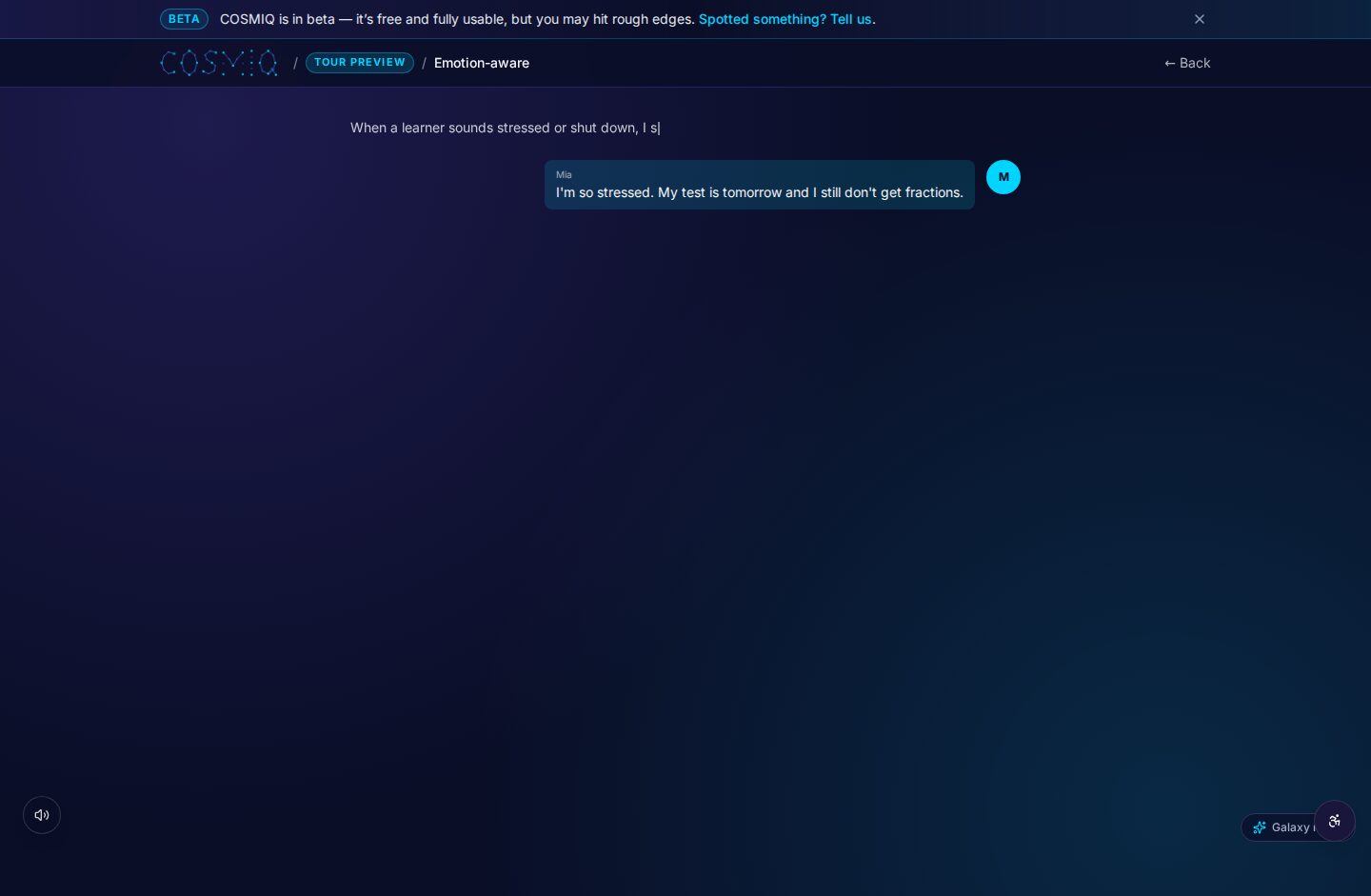
Additionally, an accessible AI tutor can help build a student’s confidence. For many students with disabilities, past experiences in traditional classroom settings can lead to anxiety and self-doubt. By providing a low-pressure environment where they can learn at their own pace, an AI tutor can help reduce this anxiety. This shift in mindset is critical; when students feel capable, they're more likely to engage with the material and strive for improvement.
Creating Personalized Learning Paths
Personalization is at the heart of effective learning. An AI tutor can assess a student’s current knowledge level and create a personalized learning path. Imagine starting with a diagnostic test that identifies strengths and weaknesses. Based on that, the AI can recommend specific modules to focus on.
For instance, a student struggling with math concepts can receive targeted practice in those areas—be it fractions, geometry, or algebra—without feeling overwhelmed. The ability to move at their own pace is crucial. This individualized attention is what makes an IEP-friendly tutor truly beneficial.
But personalization goes beyond just content. An effective AI tutor can adapt its teaching style based on the student’s responses and engagement levels. For example, if a student engages more with visual materials, the AI can shift its focus to include more graphics and videos in its lessons. This tailoring of instruction can lead to higher motivation and improved comprehension.
Moreover, personalized learning paths can include varied types of assessments. Rather than relying solely on traditional tests, the AI tutor might incorporate project-based assessments, quizzes, or even creative assignments that align with the student’s interests. A student interested in art could be assessed through a project that combines math and creativity, such as designing a scale model of a building. This approach not only makes learning enjoyable but also allows students to demonstrate their understanding in ways that resonate with them.
Engagement Through Interactive Learning
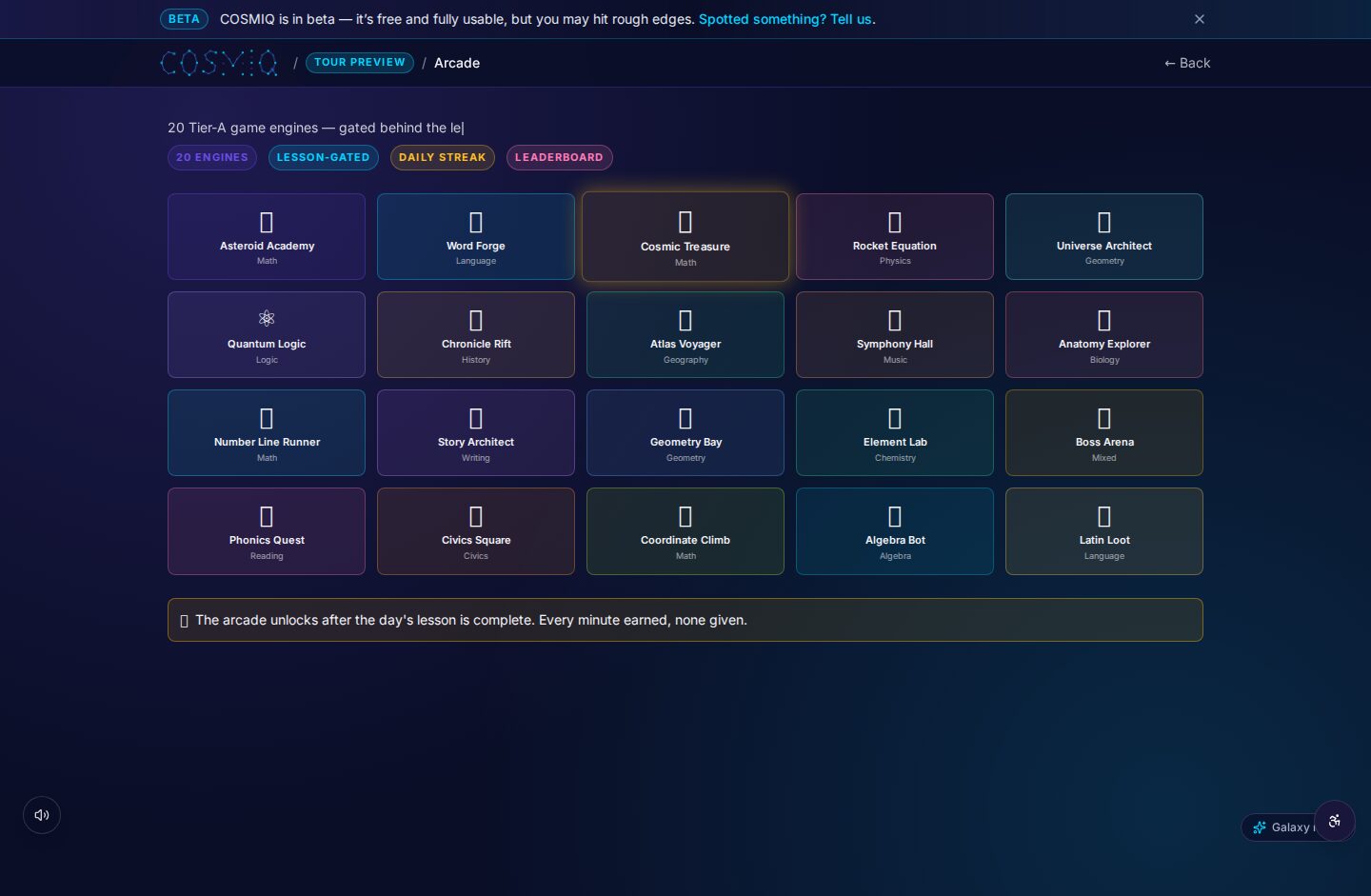
Engagement is essential when it comes to learning. An effective AI tutor uses interactive methods to keep students focused. These can include gamified learning experiences or engaging simulations designed to excite and motivate. For a student with autism, this may mean using visual aids and interactive scenarios to make lessons more relatable.
Furthermore, the feedback provided by an AI tutor can encourage students to progress. Instant feedback lets them know what they’re doing right and where they need improvement. This can be incredibly motivating, especially for students who may have faced setbacks in traditional learning environments.
Take, for example, a student who finds reading to be a chore. An engaging AI tutor might turn reading exercises into a game where the student earns points or rewards for completing tasks. By incorporating elements of play, the tutor can reduce anxiety and encourage a proactive approach to learning.
Additionally, interactive learning experiences can include peer collaboration opportunities. Imagine a platform where students can work together on a project, even remotely. An IEP-friendly AI tutor could facilitate these interactions, allowing students to learn teamwork and communication skills, which are invaluable both inside and outside the classroom.
Accessibility Features to Consider
When selecting an AI tutor, it's vital to consider the accessibility features it offers. Look for an AI tutor that includes a screen-reader tutor component for students with visual impairments. This feature should provide auditory feedback that reads text aloud, allowing students to engage with content they might otherwise struggle with.
For those who benefit from multisensory learning, finding an accessible AI tutor that incorporates visuals, sounds, and even tactile responses can enhance understanding. The goal is to ensure that every student has a comfortable and effective learning experience.
Additionally, consider the integration of speech recognition technology. For students who may have difficulty typing or writing, a tutor that allows for voice input can be a game-changer. This feature lets students respond verbally rather than in writing, making the learning process smoother and more accessible.
Another critical accessibility feature is the ability to adjust content difficulty on the fly. For example, if a low-vision student struggles with a particular text, the AI could automatically simplify the language or break it into smaller, manageable chunks. This type of flexibility can make a world of difference in ensuring that students can fully engage with the material.
The Future of AI Tutors in Education
As technology continues to evolve, so too will the capabilities of AI tutors. The future holds immense potential for more sophisticated systems that can better understand and respond to individual learning needs. Imagine AI tutors that not only adapt to a student’s educational progress but also recommend specific interventions when necessary.
This could revolutionize how we approach education for disabled students. Schools could leverage these tools to create more inclusive environments and ensure that no student is left behind. The potential for data-driven insights into student learning patterns may also lead to more effective teaching strategies overall.
Looking ahead, the integration of AI tutors with virtual reality (VR) could provide immersive learning experiences tailored to individual needs. Picture a student with low vision engaging in a VR math lesson where concepts are visualized in 3D. This kind of innovation could transform the educational landscape, providing unique opportunities for experiential learning.
As we consider future developments, we must also address the ethical implications of AI in education. Ensuring data privacy and security for students is paramount. Developers and educators alike need to work together to create a framework that protects sensitive information while still allowing for the benefits of personalized learning.
Challenges and Considerations
While the promise of AI tutors is immense, there are challenges and considerations that must be addressed. First and foremost is ensuring that these tools are genuinely accessible and inclusive. Developers must keep in mind the diverse needs of students and avoid creating technology that inadvertently excludes certain groups.
For example, it’s essential that AI tutors are regularly tested with feedback from actual users, particularly those with disabilities. By involving students and educators in the development process, we can create a more effective and usable product. Additionally, ongoing training for teachers and parents about how to best utilize these technologies is crucial.
There's also the issue of equity. Not every school or student will have equal access to the technology needed for AI tutoring. Policymakers and educators must work together to ensure that resources are available to those who need them most. If we truly want to bridge the educational gap, we can’t leave any student behind.
Furthermore, educators need to be prepared to support students in navigating the technology. For instance, a student using a screen-reader tutor may still require assistance in understanding how to interact with the AI effectively. As such, seamless integration of technology into existing educational frameworks is vital for success.
Final Thoughts on Embracing AI in Education
Incorporating an IEP-friendly AI tutor into the learning process can truly transform the educational experience for students who learn differently. These tools offer personalized support, foster engagement, and facilitate a more inclusive classroom environment. As we embrace the future of education, let’s ensure that technology serves as a bridge, not a barrier.
So, whether you’re a parent, educator, or a student yourself, consider the possibilities an accessible AI tutor can bring. The world of individualized learning is expanding, and it’s time to harness the power of technology to support every learner’s journey. The goal is not just to educate, but to empower all students, ensuring they have the tools and resources they need to thrive.
Related resources: AI tutor for disabled students · low-vision tutoring · IEP-friendly tutor
Learn anything, free.
COSMIQ is a free, voice-driven AI tutor for every learner. No credit card, ever.
Start learning free →