An Overview of Every COSMIQ Tutoring Mode

Understanding COSMIQ's Approach to Tutoring
When it comes to personalized education, COSMIQ stands out with its innovative tutoring modes. This platform isn't just another generic learning tool; it tailors its approach based on individual learning styles, needs, and preferences. So, what exactly makes COSMIQ unique? It’s all about understanding how each mode interacts with you as a learner, helping you grasp complex concepts while keeping you engaged.
Now, let’s break down these modes and see what they bring to the table. Whether you're a visual learner, someone who thrives on structured lessons, or someone who prefers a more hands-on approach, COSMIQ has a mode for you. Each tutoring mode serves a specific purpose, and being aware of these can significantly enhance your learning experience.
1. Interactive Mode: Hands-On Learning
The Interactive Mode is designed for learners who prefer a hands-on approach. It utilizes simulations, interactive exercises, and real-time feedback to keep you engaged. Imagine solving complex math problems through dynamic visualizations or exploring scientific concepts through interactive experiments. This mode is all about immersing you in the learning process.
What sets this mode apart is its ability to provide immediate feedback. If you make a mistake, you won’t just learn what went wrong, but also why it happened. This approach reinforces understanding and helps build confidence. For example, if you’re struggling with physics concepts, Interactive Mode allows you to manipulate variables in real-time, witnessing firsthand the effects of your changes.
Think about how traditional learning often leaves gaps in understanding because you're not actively engaged. With Interactive Mode, the learning is dynamic. You might be visualizing how acceleration affects speed on a digital platform that simulates a rollercoaster. You can adjust angles and speeds, watch real-time changes, and grasp concepts much more effectively than through passive reading or lectures.
Moreover, this mode can cater to various subjects — not just math or science. If you're exploring historical events, you could interact with timelines or maps, clicking on elements to reveal deeper insights and relationships. This hands-on learning approach captures your attention and makes learning a memorable experience.
2. Guided Mode: Step-by-Step Progression
If you prefer a structured environment, Guided Mode might be your best bet. This mode leads you through lessons in a logical sequence, breaking down complex topics into manageable chunks. You won’t feel overwhelmed with information, as each step is designed to build on the previous one.
Guided Mode often includes quizzes and checkpoints to assess your understanding before moving on. Think of it like scaffolding in construction; each lesson supports the next. For instance, if you’re learning a new language, this mode might start with basic vocabulary before gradually introducing grammar rules and sentence structure.
This method not only builds confidence but also ensures retention. You might find that after mastering the basics, you can confidently tackle more complex conversations. But this mode isn’t just about rote learning; it teaches you how to apply what you've learned in real contexts. You might practice simple dialogues first, and then gradually progress to full conversations that simulate real-life situations.
Take, for example, learning math. In Guided Mode, you might start with simple addition and gradually move into more complex equations, with each concept carefully layered on top of the last. You won’t just memorize formulas; you’ll understand their applications. This thoughtful progression helps cement your knowledge and prepares you for advanced topics.
3. Adaptive Mode: Tailored Learning Experiences
Adaptive Mode takes personalization to the next level. This mode analyzes your performance in real-time and adjusts the difficulty of the material accordingly. If you’re breezing through algebra, it quickly ramps up the challenge. Conversely, if you’re struggling, it’ll take a step back, allowing you to reinforce foundational concepts.
This mode is particularly beneficial for learners who thrive on challenge but can feel overwhelmed if the material is too advanced. By providing a customized experience, Adaptive Mode ensures that you stay engaged without feeling lost. For example, if you excel in writing but find reading comprehension challenging, Adaptive Mode can provide more reading exercises until you reach a comfortable level.
The beauty of this mode lies in its responsiveness. As you learn, it collects data on your performance. Suppose you're mastering certain algebraic equations with ease; Adaptive Mode will introduce quadratic equations sooner than anticipated. This keeps you on your toes, ensuring that you’re always challenged appropriately.
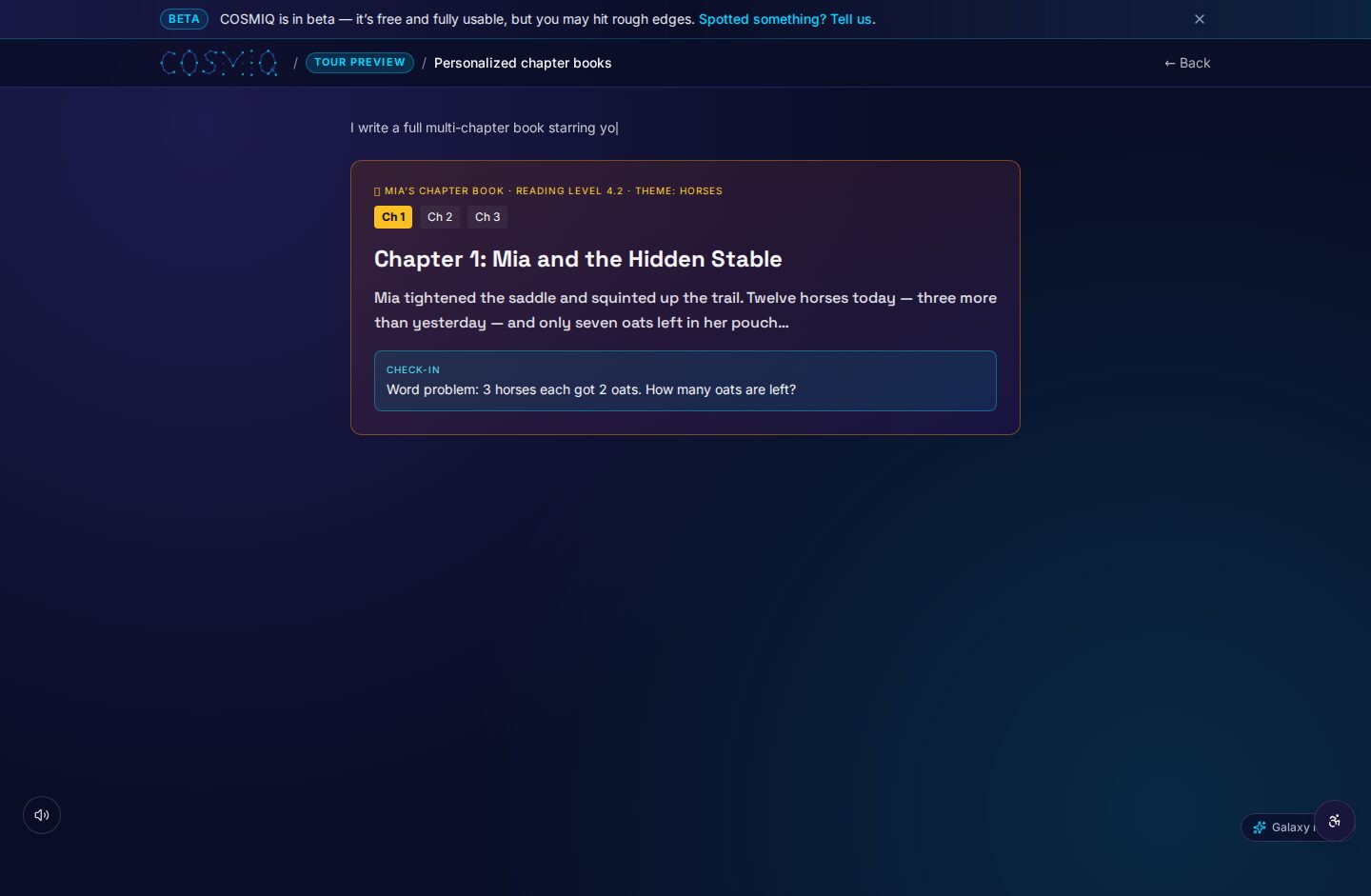
It’s akin to having a personal tutor who knows exactly when to push you harder or when to give you a breather. You might be practicing vocabulary for a language test, and if you ace the initial sections, Adaptive Mode responds by introducing more complex phrases and idioms, perfectly matching your growing skills.
4. Collaborative Mode: Learning Through Interaction
Don’t underestimate the power of collaboration. The Collaborative Mode emphasizes learning through discussion and peer interaction. This mode enables you to work with others, sharing ideas and perspectives, which can lead to deeper understanding.
Whether it's in a virtual study group or a forum discussion, you get to see how different minds approach the same problem. This mode not only helps you solidify your understanding but also fosters critical thinking skills. Let’s say you’re exploring a historical event; discussing varying interpretations with peers will deepen your insight far more than studying alone.
Consider how group projects in school often lead to richer outcomes than solo work. In Collaborative Mode, you might be part of a virtual study group tackling a complex scientific theory. Each member brings different strengths to the table, leading to a more comprehensive grasp of the material. Engaging in debates can sharpen your analytical skills, as you learn to articulate your thoughts clearly and defend your viewpoints.
Additionally, this mode encourages you to listen and adapt to others’ ideas, enhancing your social skills. If someone in your group suggests an alternative perspective on a math problem, you might discover a new method that you hadn’t considered before. This back-and-forth exchange of ideas not only clarifies concepts but also builds a sense of community among learners.
5. Assessment Mode: Measuring Progress Effectively
Assessment Mode is focused on evaluating your knowledge and understanding. Here, quizzes and tests are designed not only to gauge what you've learned but to identify areas that need improvement. The beauty of this mode lies in its ability to provide a clear picture of your progress.
Imagine you’ve just completed a series of lessons on chemistry. Assessment Mode can test your grasp on the periodic table, chemical reactions, and more. Based on your performance, it’ll suggest specific areas for review, ensuring you’re never left in the dark about your learning journey.
The feedback provided in Assessment Mode is invaluable. Instead of just receiving a score, you might see which questions you got wrong and why, along with resources to help you understand those concepts better. This targeted approach means you can focus your studies where you need it most.
Additionally, as you progress through different modules, Assessment Mode can track your growth over time. Picture taking an initial assessment that highlights your strengths and weaknesses. Then, after several weeks of studying, you take a follow-up assessment to compare results. This not only motivates you by illustrating improvement but also helps in planning your future learning path.
6. Reflective Mode: Building Self-Awareness
Lastly, the Reflective Mode encourages you to think about your learning process and outcomes. This isn’t just about what you know but also about how you learn. It prompts you to consider your strengths and weaknesses, helping you become a more effective learner.
For instance, after completing a unit on literature, Reflective Mode might ask you to evaluate your understanding of themes and character development. It encourages you to ask questions like, "What strategies worked best for me?" or "Where did I struggle?" This introspection is crucial for long-term learning and development.
Think of Reflective Mode as a pause button on your educational journey. You might be asked to write in a journal about your learning experience, pondering what aspects of the material resonated with you and which parts felt challenging. This process can lead to greater awareness of your learning style, informing how you approach future studies.
By developing this metacognitive skill, you not only enhance your understanding of the subject matter but also become more equipped to tackle new challenges. If you notice that group discussions help you grasp concepts better, you might seek out more collaborative opportunities in the future.
Choosing the Right Mode for You
With all these modes available, you might be wondering how to choose the best one for your needs. Start by assessing your learning style. Do you prefer hands-on experiences or structured guidance? Think about past experiences too. Did you find collaborative projects enriching, or do you thrive in solitary study? Your preferences can guide you toward the right mode.
It's also worth experimenting. COSMIQ allows for flexibility; you don’t have to stick to one mode. You can combine them as needed. Maybe start with Guided Mode for a new topic, then switch to Interactive for practice, and use Reflective Mode for self-assessment. This way, you keep your learning dynamic and engaging.
Consider your goals as well. Are you preparing for a specific exam? If so, Assessment Mode might be your go-to for tracking your progress. Or are you diving into a creative pursuit like writing or art? In that case, you might find more benefit in Collaborative or Reflective Modes, where sharing ideas and self-assessing can fuel your growth.
Also, don't hesitate to seek guidance. If you’re unsure where to start, COSMIQ often has resources or support to help you determine your ideal modes. Engaging with a mentor or peer who understands the system can provide additional insights and recommendations based on your unique strengths and challenges.
Future Developments in COSMIQ Tutoring Modes
As we look to the future, the evolution of COSMIQ’s tutoring modes holds exciting possibilities. The program continues to integrate advancements in technology, enhancing the interactivity and effectiveness of each mode. Imagine a future where AI tutor modes overview includes even more personalization, adapting not just to your learning pace but also your emotional and psychological engagement with the material.
For instance, future developments might include AI that learns not just what you struggle with conceptually but how you feel about the learning process itself. If you find yourself frustrated, the AI could switch modes to a less intensive one, allowing you to regroup without losing the momentum of your studies. This kind of emotional intelligence could redefine the learning experience.
Furthermore, integrating augmented reality (AR) tools into Interactive Mode could bring new dimensions to hands-on learning. Picture studying biology and using AR to interact with 3D models of cells or organisms right in your living room. Such immersive experiences could deepen understanding and retention like never before.
As the education landscape continues to change, COSMIQ will likely remain at the forefront, continually assessing and refining its tutoring modes. Whether through enhancing existing features or exploring new technologies, the commitment to personalized, effective learning experiences will always be paramount.
Final Thoughts on COSMIQ Tutoring Modes
The world of education is constantly evolving, and tools like COSMIQ are at the forefront of this change. By understanding the various tutoring modes, you can tailor your learning experience. Whether you choose Interactive, Guided, Adaptive, Collaborative, Assessment, or Reflective Mode, each offers unique benefits that cater to different learning preferences.
In essence, it all comes down to being proactive. Embrace the flexibility COSMIQ offers, and don’t hesitate to switch up your modes as you progress. After all, your learning journey is uniquely yours. Just remember, the more you engage with these modes, the more effective your learning can become.
Related resources: AI tutor modes overview
Learn anything, free.
COSMIQ is a free, voice-driven AI tutor for every learner. No credit card, ever.
Start learning free →