Assessing Pragmatic Language Skills in Elementary School Students

Understanding Pragmatic Language Skills
Pragmatic language skills are crucial for effective communication. They encompass the social use of language — how we express ourselves in different contexts, interact with others, and interpret non-verbal cues. For elementary school students, these skills are particularly important as they engage in more complex social interactions with peers and teachers. Think about it: when children share stories, participate in group activities, or even solve conflicts, they’re not just using vocabulary and grammar. They’re also navigating the subtleties of conversation, tone, and context.
Assessing pragmatic skills involves looking beyond the standard language proficiency tests. It means observing how children communicate in real-life situations. Are they taking turns when speaking? Do they maintain eye contact? Can they recognize when someone else is upset and adjust their behavior accordingly? These are the kinds of questions that practitioners need to consider. Understanding these skills can reveal a lot about a child’s overall social competence and emotional well-being.
The Importance of Assessment
So why bother assessing pragmatic language skills? For starters, these skills are essential for academic success. Children who struggle with pragmatics often face challenges in the classroom, which can lead to frustration and disengagement. Imagine a child who can read at grade level but struggles to follow multi-step instructions because they can’t interpret the nuances of the teacher’s tone or the context of the discussion. This disconnect can hinder their learning experience.
Moreover, children with strong pragmatic skills are generally better at forming friendships and developing relationships. They tend to navigate social situations with ease, understanding when to initiate conversation or how to read social cues. By assessing these skills early on, educators and parents can identify children who may need additional support and intervention. It allows for targeted strategies to foster their communication abilities, which can ultimately enhance their overall development.
Methods for Assessing Pragmatic Skills
There are several effective methods for assessing pragmatic skills in elementary school students. One of the most straightforward approaches is through observation. Teachers and speech-language pathologists can observe students in various settings — during group work, recess, or even in structured activities — to see how they interact with peers. It’s essential to note not only the content of their speech but also their tone, body language, and attention to others.
Another method is using structured assessments and checklists. Tools like the Pragmatic Language Skills Inventory (PLSI) or the Social Language Development Test (SLDT) can provide a more formalized way to gauge a child’s abilities. These assessments typically involve scenarios where students must demonstrate their understanding of social rules and interactions. For instance, a student might be asked what they would say if someone bumped into them. Their response can provide insight into their pragmatic understanding.
Collaborating with Parents and Teachers
Collaboration between parents and teachers is key when assessing pragmatic language skills. Parents can provide valuable insights about their child’s communication style and behavior at home. Are they able to share experiences from school? Do they engage in storytelling? These details can significantly enrich the assessment process. Teachers, on the other hand, can observe how the child interacts with peers and handles classroom dynamics. This dual perspective can lead to a more comprehensive understanding of a child’s pragmatic skills.
Additionally, parents should feel empowered to discuss their concerns with teachers. If a parent notices their child struggles with conversations or seems hesitant to engage with peers, that’s important information. Teachers can then implement strategies or interventions tailored to meet the child’s specific needs.
Targeted Interventions and Strategies
Once pragmatic skills have been assessed, the next step is implementing targeted interventions. Depending on the child’s needs, various strategies can help improve their communication abilities. Role-playing is an effective technique. By reenacting different social scenarios, children can practice appropriate responses and learn to navigate conversations. For example, you might set up a situation where they have to ask a peer to play a game. This practice helps them understand the nuances of initiating and maintaining a conversation.
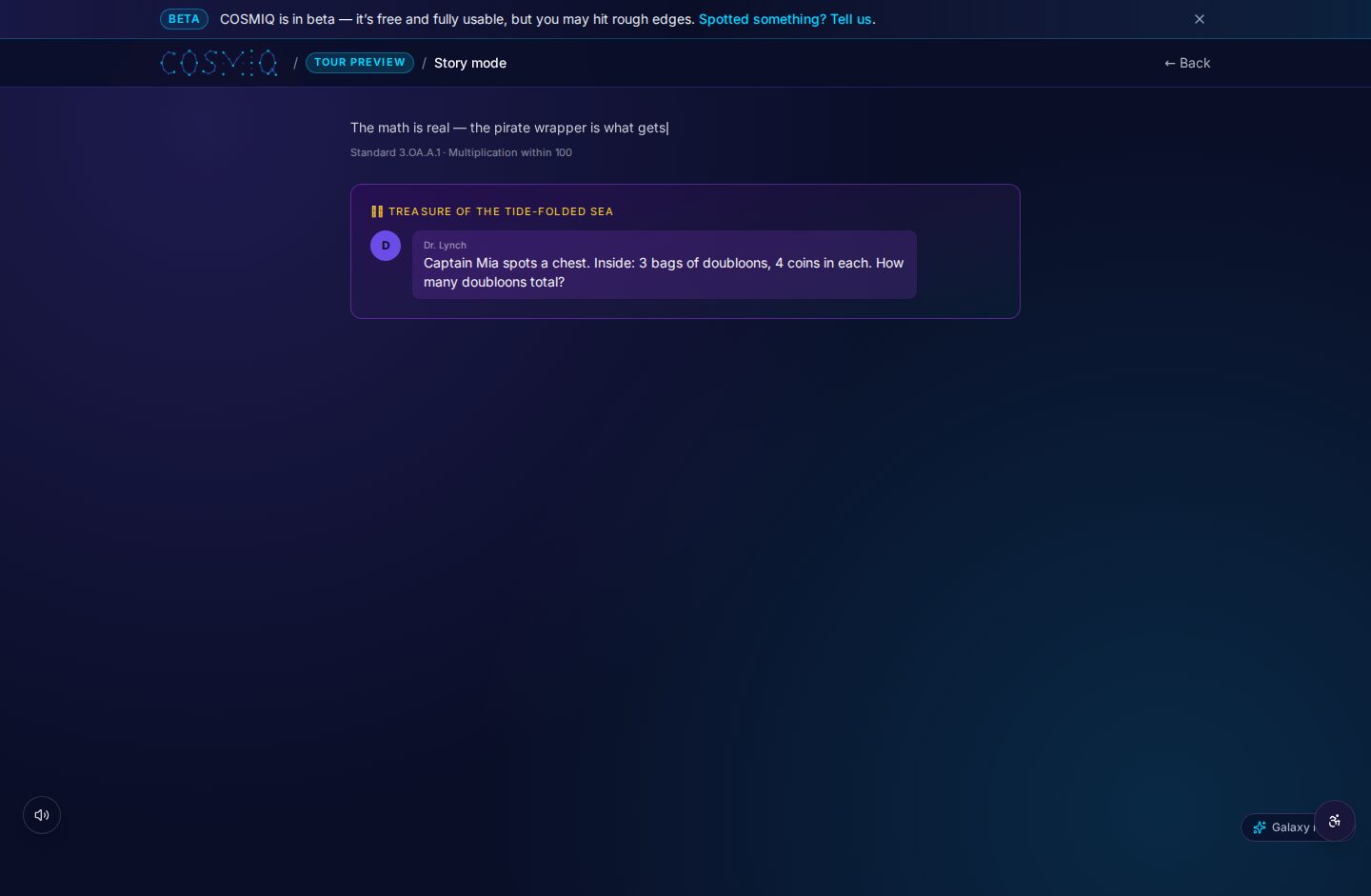
Another strategy is using social stories. These are short narratives that explain social situations and the expected responses. They help children visualize and understand the dynamics of interaction. For instance, a social story might illustrate what to do if someone doesn’t want to play a game. These tools provide context and clarity, which can be particularly beneficial for students who find social cues confusing.
The Role of Technology in Assessing Pragmatic Skills
In today’s digital age, technology can play a significant role in assessing and enhancing pragmatic language skills. Various apps and programs are designed to target social skills and communication. For example, platforms like Cosmiq offer interactive activities that help students practice social situations in a fun and engaging way. These tools can be used both at school and home, providing a consistent approach to skill-building.
Furthermore, video modeling is another innovative method. Recording social interactions and then reviewing them with the child can help them see their behavior from a different perspective. They can identify areas for improvement—like interrupting or failing to make eye contact. This reflective practice can be incredibly powerful in enhancing their understanding of pragmatic language.
Continual Assessment and Support
Assessing pragmatic skills should not be a one-time event; it should be an ongoing process. As children grow and develop, their communication needs will change. Regular check-ins can help educators and parents monitor progress and adjust interventions as necessary. For example, what may have worked for a first grader might not be effective for a third grader as social expectations become more complex.
Additionally, incorporating feedback from various sources — including teachers, parents, and even the children themselves — can provide a holistic view of their progress. Celebrating small victories in pragmatic skills can boost a child’s confidence and motivation to engage more with others.
Understanding Cultural Context in Pragmatic Skills
One often overlooked aspect of assessing pragmatic skills is the cultural context in which a child is raised. Children from different backgrounds may have varied ways of communicating and understanding social cues. For example, some cultures may emphasize indirect communication, while others value directness. This can significantly impact how children perceive and engage in social interactions.
When assessing pragmatic language skills, educators must take these cultural differences into account. A child who appears shy or withdrawn may simply be adhering to cultural norms that value listening over speaking. Therefore, it's crucial to engage with families and learn about their communication practices. This understanding can inform how assessments are conducted and help educators create a more inclusive environment.
Furthermore, incorporating diverse narratives and role-playing scenarios that reflect various cultures can enhance assessment processes. This way, children are evaluated in a context that resonates with their experiences, making the assessment more relevant and effective.
Effective Communication Strategies for Teachers
Teachers play a pivotal role in facilitating the development of pragmatic skills. To effectively support their students, teachers should employ specific communication strategies in the classroom. First, modeling appropriate language and social interactions is crucial. By demonstrating how to start conversations, ask questions, or express emotions, teachers provide students with a framework to emulate.
Another strategy is to create a supportive classroom environment that encourages open communication. Establishing routines where students share thoughts or experiences can provide practice in pragmatic skills. For instance, starting a day with a 'sharing circle' allows students to listen and respond, fostering their ability to engage with peers.

Additionally, teachers can incorporate games and activities that promote social interaction. Games like 'charades' or 'telephone' can be both entertaining and educational, as they require students to interpret body language and tone while communicating effectively. The goal is to make learning about pragmatic skills enjoyable and relatable.
The Impact of Peer Relationships on Pragmatic Development
Peer relationships are fundamental to the development of pragmatic language skills. Children learn a great deal about social interactions from their peers. Through play and shared activities, they practice listening, turn-taking, and responding appropriately in conversations. Observing peers can provide cues about acceptable behavior and communication styles.
Encouraging collaboration through group projects or team activities can enhance these skills. For instance, when working together on a project, students must communicate their ideas, negotiate roles, and provide feedback. This not only helps them practice pragmatic skills but also fosters a sense of community and belonging. Teachers can facilitate these interactions by structuring activities that require cooperation and communication.
Moreover, it's vital to address any social conflicts that arise. Teaching conflict resolution strategies equips children with tools to navigate disagreements while maintaining respectful communication. Role-playing scenarios where students practice resolving conflicts can reinforce positive behavior and enhance their understanding of social dynamics.
The Importance of Play in Developing Pragmatic Skills
Play is not just a leisure activity for children; it’s a critical component in developing pragmatic language skills. Through play, children engage in imaginative scenarios, which helps them explore various social roles and communication styles. Whether they’re playing house, pretending to be superheroes, or building forts, they practice initiating conversations, negotiating rules, and interpreting social cues.
Structured play activities, such as role-playing games, can specifically target pragmatic skills. For instance, during a game of pretend grocery shopping, children get to practice asking for items, responding to questions, and even managing turn-taking as they play out their roles. This playful context allows them to experiment with language in a low-pressure environment, which is crucial for building confidence.
Additionally, unstructured play, such as free play on the playground, offers opportunities for children to interact with peers in a more natural setting. It allows them to navigate social dynamics independently, which is essential for learning how to manage conflicts, share, and build friendships. Observation during these play scenarios can provide invaluable insights into a child's pragmatic skills.
Final Thoughts on Pragmatic Skills Assessment
In sum, assessing pragmatic language skills in elementary school students is a vital part of fostering their overall development. By understanding and enhancing these skills, we not only support their academic success but also their social interactions and emotional health. The earlier we can identify areas of need and implement strategies, the better equipped these children will be to navigate their social worlds. It’s about creating a supportive environment where every child can thrive and communicate effectively.
Related resources: understanding social rules and interactions
Learn anything, free.
COSMIQ is a free, voice-driven AI tutor for every learner. No credit card, ever.
Start learning free →