Better Than Flashcards: A Smarter Way to Study
If you’ve ever crammed for an exam using flashcards, you know the routine. You sit down with a stack of cards, flipping them over and over, trying to memorize definitions, dates, formulas, or vocabulary. The problem is, traditional flashcards can be limiting. What if there was a smarter way to study? Enter digital tools and methods that offer more than just rote memorization. Let’s explore how you can enhance your study sessions and make them far more effective than flipping flashcards.
Understanding the Limitations of Flashcards
Flashcards are a common study tool, but they have significant drawbacks. They rely heavily on repetition, which can lead to passive learning. You might recognize a term one day, but forget it the next. Why? Because the method often doesn’t reinforce deeper understanding or long-term retention.
Take, for example, learning a new language. If you only use flashcards to memorize vocabulary, you may struggle to form sentences or understand context. This is where a quizlet alternative or even a free flashcard alternative to Quizlet can come into play. These tools often incorporate different learning strategies that can help you not only memorize but also understand and apply concepts. For instance, integrating various contexts for vocabulary words can lead to much better comprehension and usage.
Additionally, traditional flashcards can lead to cognitive overload. You might overwhelm yourself with too many cards, cramming information in a short period. Research has shown that excessive information at once can hinder retention. Instead of memorizing effectively, you end up just skimming the surface. It’s like trying to fill a bucket that has holes in it; information leaks out before it even settles.
Furthermore, the lack of self-assessment in traditional flashcard methods can be detrimental. You might think you've mastered a concept simply because you can recite it, but true understanding requires application. For example, when studying for a math exam, knowing the formula is not enough; you must also know how to apply it to various problems. Flashcards don’t provide that kind of contextual learning.
The Power of Spaced Repetition
One of the most effective study methods that surpasses standard flashcards is spaced repetition. This technique involves reviewing information at increasing intervals over time. Studies show that this approach significantly enhances memory retention.
Now, let's compare Quizlet vs spaced repetition. Quizlet offers a spaced repetition feature, but it doesn't always implement it optimally. Many users find themselves memorizing terms without really grasping their meanings. In contrast, dedicated spaced repetition software like Anki schedules your reviews based on how well you know the material. If you struggle with a concept, it gets pushed to the front of the line, ensuring you master it before moving on.
To illustrate, let’s say you’re studying anatomy. If you use spaced repetition, you might first learn the name of a bone. If you remember it easily, it might be scheduled for review in a week. But if you struggle, it could be reviewed again tomorrow. This tailored approach helps cement that knowledge in your long-term memory.
Another benefit of spaced repetition is the reduction of study time. By focusing your efforts on what you find challenging, you can spend less time on material you already understand, allowing for a more efficient study session. Instead of mindlessly flipping through cards, you’re engaging with the material in a meaningful way.
Consider how spaced repetition can be particularly beneficial in subjects with a lot of memorization, like biology. Instead of reviewing all your flashcards every time, spaced repetition allows you to prioritize those pesky terms you keep forgetting, so you don’t waste time on what you already know. This way, studying becomes less of a chore and more of a targeted effort.
Interactive Learning Tools
Why stick to basics when there are interactive tools available? Digital platforms can offer more than just text. They can provide videos, quizzes, and even gamified learning experiences. For instance, platforms like Quizlet allow you to access user-generated content that includes images and sounds, making your learning more engaging. But, if you’re looking for a free flashcard alternative to Quizlet, you might find options like Anki or Cram that allow you to incorporate multimedia elements as well.
Think about it: Would you rather study vocabulary by reading definitions or by hearing them used in context? Interactive learning tools can help you visualize concepts and understand applications, turning abstract ideas into concrete knowledge. For example, if you’re studying for a science exam, a video demonstration of a chemical reaction can illustrate concepts in a way that text alone cannot.
Moreover, digital platforms often come with built-in analytics, tracking your progress and highlighting areas that need improvement. This immediate feedback loop allows you to adjust your study strategies in real time, making your study sessions more effective. Instead of guessing what you need to review, you have concrete data guiding your learning.
Let’s take a closer look at how platforms like Anki integrate interactivity. You can create flashcards that include diagrams, audio, and even links to external resources like articles or videos. This multi-faceted approach means you’re not just memorizing isolated facts but learning in a way that’s more reflective of real-world applications. For instance, imagine studying anatomy with a flashcard that not only shows the name of a muscle but also includes a link to a video of how that muscle functions in movement.
Collaborative Learning

Another drawback of traditional flashcards is that they promote solitary study. While some people thrive studying alone, collaboration can enhance learning for others. Engaging with peers can provide fresh perspectives and insights.
Consider group study sessions. You can use tools like Quizlet to create shared study sets. But if you want something that promotes deeper interaction, you may want to explore platforms designed for collaborative learning. Tools like Google Docs or Notion allow you to co-create study materials, brainstorm ideas, and tackle difficult concepts together. This not only reinforces your understanding but also builds a community around learning.
Think about a study group tackling a complex topic like calculus. You could spend time breaking down problems together, sharing different approaches, and explaining concepts to one another. This kind of collaborative learning deepens understanding and often results in better retention. Plus, it creates an opportunity for social interaction, which can be motivating and enjoyable.
Collaboration can also extend beyond just study groups. Online forums and platforms like Discord or Reddit can connect you with other learners. You can ask questions, share resources, and gain insights from people who might have a different grasp on the material than you do. This wider network can be invaluable, especially for complex subjects.
In addition to online forums, consider study apps that focus on collaborative learning, like Quizlet Live. This tool allows students to work in teams to answer questions and quiz each other. The competitive element can motivate you to engage more deeply with the material, as you not only learn but also teach others in the process. Teaching is one of the most effective ways to reinforce your own knowledge.
Customizable Learning Paths
With traditional flashcards, you’re often limited by the content other people have created. You might find a flashcard set that covers most of what you need, but what if it misses key concepts? This is where customizable platforms shine.
Instead of using generic flashcards, try tools that allow you to create tailored content. Platforms like Anki let you build your own decks, ensuring you’re focusing on the material that matters most to you. You can include links, images, and notes that cater to your studying style. This not only aids retention but also makes the studying process more personal and engaging.
For instance, if you’re studying for a history exam, you could create a flashcard for each significant event, complete with images and context. This customization allows you to engage with the material in a way that feels relevant to you. Plus, when you craft the content yourself, you’re inherently more involved in the learning process, which can lead to better memory retention.
Additionally, some platforms offer the ability to tag or categorize your cards. This means you can focus on specific subsets of information when you're studying, rather than trying to tackle everything at once. If you find yourself struggling with a particular era in history, you can easily isolate those cards for review.
But what if you’re studying a subject with a lot of interconnected ideas, like philosophy? Customizable tools let you create links between concepts, helping you visualize how they relate to one another. For example, you could create a deck that not only defines major theories but also connects them with key philosophers and their contributions. This web of information can enhance your understanding far beyond isolated flashcards.
Real-Time Feedback and Assessment
Another drawback of flashcards is the lack of immediate feedback. You might think you've mastered a concept, only to realize on test day that you still have gaps in your knowledge. Digital tools often provide instant feedback, allowing you to track your progress more effectively.
Consider platforms that include quizzes and assessments. They can help identify which areas you need to work on. If you’re trying to decide between Quizlet vs spaced repetition, remember that spaced repetition apps like Anki also offer performance tracking. This means you can see your strengths and weaknesses in real time, adjusting your study focus accordingly.
Imagine this scenario: You’re preparing for a biology exam. You use Anki and take a quiz on cell structure. The platform tells you which questions you struggled with. With this feedback, you can focus on the areas that need improvement, rather than wasting time on what you already know.
Moreover, some platforms provide gamification elements. You can earn points and badges for completing quizzes or mastering topics. This not only makes studying more engaging but also gives you a sense of accomplishment as you track your progress over time.
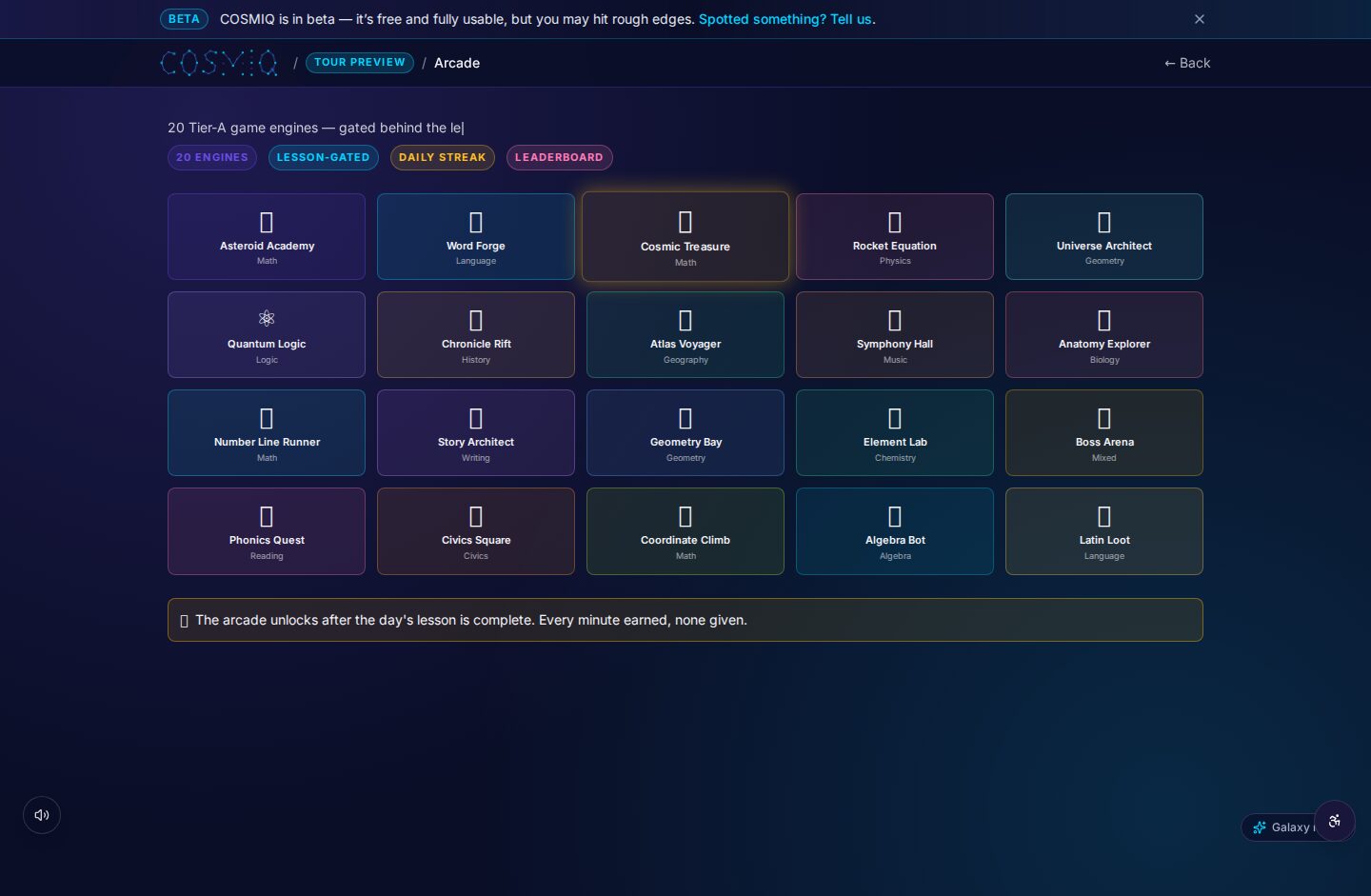
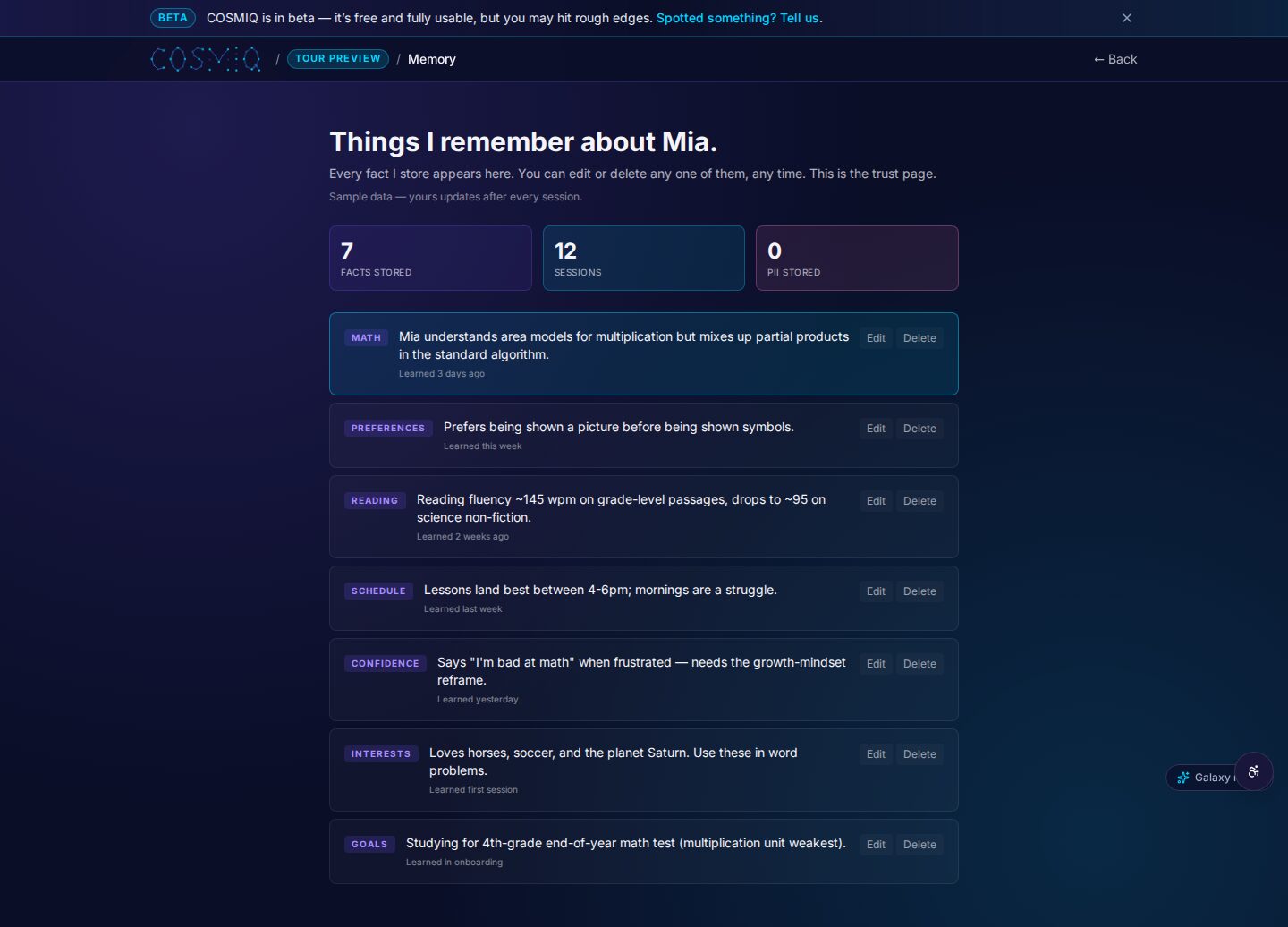
Real-time analytics can also help you identify patterns in your learning. For instance, if you consistently struggle with a certain type of question or topic, that’s a clear signal to adjust your study methods. Instead of feeling defeated, you can adapt your approach, perhaps by using a quizlet alternative that offers a different type of assessment.
Embracing a Growth Mindset in Learning
While studying techniques are essential, your mindset plays a crucial role in your learning journey. Adopting a growth mindset means believing that your abilities can be developed through dedication and hard work. This perspective can transform how you approach your studies.
When you view challenges as opportunities for growth rather than obstacles, you’re more likely to persist in the face of difficulties. For instance, if a particular concept is tough for you, instead of giving up, you’ll be motivated to explore various learning tools, from spaced repetition to interactive platforms, to find what works best.
Additionally, seeking feedback is a key component of a growth mindset. Embrace constructive criticism from peers or educators and use it to refine your study strategies. Whether it’s adjusting your approach to using a quizlet alternative or experimenting with different multimedia tools, feedback can guide you toward more effective learning.
Setting specific, achievable goals is also an aspect of fostering a growth mindset. Break your study sessions into manageable chunks, setting goals for what you want to achieve during each session. This could be mastering a certain number of flashcards or completing a set of interactive quizzes. By tracking your progress, you’ll build confidence and motivation.
Remember, persistence is often the key to mastery. Look at famous inventors or educators; their journeys were filled with setbacks. Why should your academic journey be any different? Embrace the idea that every error or misunderstanding is a stepping stone toward deeper knowledge. When you see setbacks as part of the learning process, you’re more likely to stay engaged and motivated.
Incorporating Mindfulness in Study Techniques
An often-overlooked aspect of effective studying is the inclusion of mindfulness techniques. As you engage with your study materials, being present and aware can enhance your focus and retention. Traditional flashcards don’t encourage this kind of engagement, often leading to mindless repetition.
Mindfulness can take many forms, from simple breathing exercises to guided visualizations aimed at reducing anxiety. For example, before diving into a study session, take a few minutes to close your eyes, breathe deeply, and set an intention for what you hope to accomplish. This helps clear your mind and prepares you for effective learning.
Incorporating mindfulness while studying can also mean taking breaks to check in with yourself. Ask questions like: How am I feeling? Am I understanding this material? This self-awareness can help you identify when you’re overwhelmed and need to change your studying approach, perhaps opting for a quizlet alternative that offers a different style of learning.
Additionally, some platforms integrate mindfulness practices into their study routines. For instance, apps that guide you through short meditation sessions can help boost your concentration before or between study blocks. This combination of mindfulness and learning sets the stage for deeper engagement and better retention.
Think about how much more effective your study sessions could be if you’re not just cramming information, but genuinely engaging with it. When you approach your studies mindfully, you’re more likely to remember what you’ve learned, and it becomes an enriching experience rather than a chore.
Conclusion: Embrace Smarter Study Techniques
As we’ve seen, traditional flashcards have their place, but they often lack the depth and engagement needed for true learning. By embracing smarter study techniques, like spaced repetition, interactive tools, and collaborative learning, you can transform the way you study.
When you choose a quizlet alternative or a free flashcard alternative to Quizlet, you’re not just changing the format—you’re fundamentally enhancing your learning experience. So, get out there, explore new tools, and find what resonates with you. Remember, the goal isn’t just to memorize but to understand and apply your knowledge. Your future self will thank you.
Learn anything, free.
COSMIQ is a free, voice-driven AI tutor for every learner. No credit card, ever.
Start learning free →