Beyond Donations: How CSR Is Reshaping Education in India

Corporate social responsibility (CSR) has become an important part of India’s education landscape. For years, many education initiatives centred on visible, one-off contributions: a computer lab, a scholarship cheque, a school building, or a set of books. These contributions can matter greatly. But lasting educational progress asks a harder question: what will help students learn well not just today, but over the next several school years?
Increasingly, companies, schools, nonprofits, parents, and teachers are treating CSR as a long-term partnership rather than a donation drive. The shift is meaningful because education is not solved by a single resource. It depends on teaching support, reliable infrastructure, inclusion, family engagement, safe learning environments, and opportunities for students to practise and ask questions.
From giving materials to supporting learning
A donated device is useful only when students can access it, teachers feel confident using it, content is appropriate, and connectivity or maintenance is available. The same is true of libraries, science equipment, and classroom renovations. Resources create potential; thoughtful implementation turns that potential into learning.
The strongest education CSR programmes therefore begin with listening. A rural school may need support for foundational literacy, transport, toilets, or teacher development before it needs a sophisticated digital lab. An urban government school may benefit more from remedial learning, career guidance, or counselling access. Communities should not receive a pre-designed solution simply because it is easy to fund or photograph.
What needs assessment can include
- Conversations with students, teachers, school leaders, and parents
- Reviewing attendance, learning needs, language preferences, and accessibility barriers
- Mapping existing government schemes and local nonprofit work to avoid duplication
- Planning for electricity, internet access, repairs, safeguarding, and ongoing costs
- Identifying which groups may be left out, including girls, children with disabilities, and first-generation learners
This approach makes CSR more respectful as well as more effective. It recognises that local educators and families understand their context deeply.
Where education CSR can make a practical difference
India’s Companies Act places CSR responsibilities on qualifying companies, and education has remained a major area of activity. The opportunity is not simply to spend funds, but to direct them toward barriers that prevent children from participating and progressing in school.

Foundational learning is one valuable focus. Students who struggle to read with understanding or work confidently with basic numbers can find every later subject more difficult. CSR can support age-appropriate learning materials, small-group practice, teacher resources, and community reading programmes. These efforts work best when they complement classroom teaching rather than pull students into disconnected parallel systems.
Teacher support is another high-impact area. Teachers do not need generic training sessions that end with a certificate. They need practical, ongoing opportunities to plan lessons, understand assessment, use inclusive strategies, and discuss challenges with peers. Funding coaching, subject communities, and locally relevant teaching materials can have a wider effect than a short-term intervention aimed at a small group of students.
Digital learning also deserves a more careful definition. It is not just about screens. Good programmes consider whether the learning experience works in low-bandwidth settings, whether it is available in familiar languages, and whether students can receive help when they are confused. Voice-based tools can be especially helpful for learners who find typing difficult, are building confidence in English, or learn better by speaking through a problem. However, technology should support human teaching and independent thinking, not replace either.
Designing partnerships that last
Education projects often lose momentum when the funding cycle ends. A school may inherit equipment without maintenance, a learning centre without local ownership, or a scholarship without academic guidance. Sustainable CSR plans for continuity from the beginning.
Signs of a durable programme
- Clear shared goals: Partners agree on what they are trying to improve, such as regular attendance, reading practice, teacher confidence, or transition to higher education.
- Defined roles: Schools, implementation partners, company teams, and local authorities understand who is responsible for delivery, review, and follow-up.
- Capacity building: Teachers and community members can continue useful practices after external support reduces.
- Flexible feedback loops: Students and educators can point out what is not working, allowing the programme to adapt.
- Responsible measurement: Progress is tracked with more than publicity metrics. Participation, usability, learning practice, and equity all matter.
Measurement deserves particular care. It is tempting to report only how many devices were distributed or how many learners were enrolled. Those figures may be useful, but they do not reveal whether students could use the support consistently or whether it met a genuine need. Qualitative feedback from teachers and learners can add essential context to administrative data.
In education, accountability is not only about proving that money was spent. It is about asking whether the support made learning more possible for the people it was meant to serve.
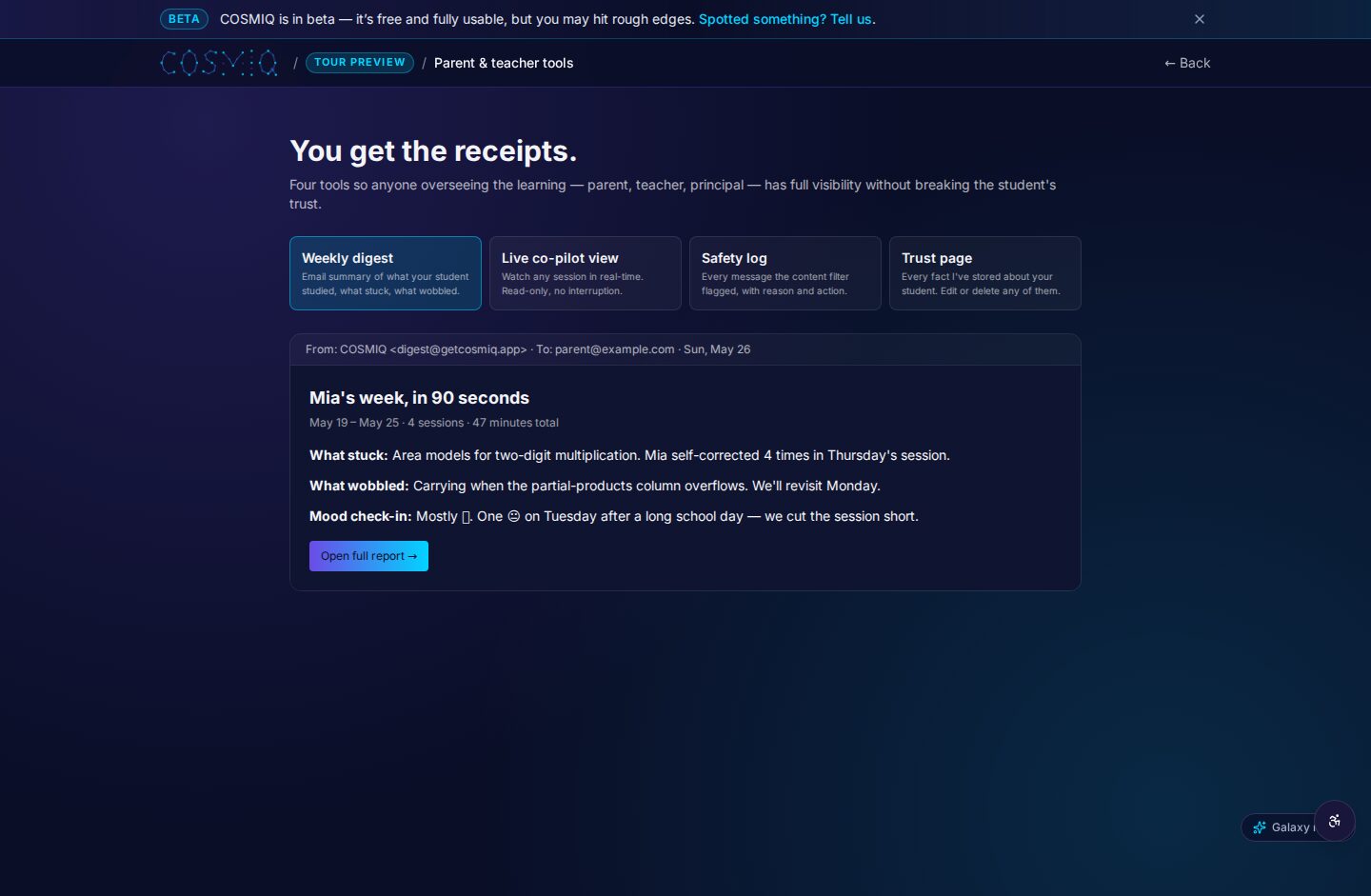
What students, parents, and teachers can ask for
Communities do not have to be passive recipients of CSR initiatives. Students can explain which learning tools help them and where they get stuck. Parents can raise practical concerns about safety, scheduling, language, and access at home. Teachers can ask whether a proposed programme fits the curriculum, available time, and needs of their classrooms.
- Will this programme be accessible to students with different learning needs?
- Is it available in the languages students and families use?
- Who will maintain the resources and provide support next year?
- Does it strengthen school learning instead of adding unnecessary pressure?
- How will student privacy and safety be protected, especially in digital programmes?
These questions encourage partnerships built on trust rather than appearances. They also help companies choose initiatives that are useful in real classrooms.
A more connected education story
CSR cannot carry the entire responsibility for public education, and it should not try to replace the role of government, schools, or families. But when corporate resources are paired with local knowledge, capable educators, and a long-term commitment, they can widen access to meaningful learning opportunities.
The most promising shift is away from asking, “What can we donate?” and toward asking, “What will help this community keep learning?” That change turns CSR from a gesture into a more thoughtful contribution to India’s education story.
Learn anything, free.
COSMIQ is a free, voice-driven AI tutor for every learner. No credit card, ever.
Start learning free →