Beyond Rote: Cultivating True Learning in Children

In a world overflowing with information, it's easy to mistake memorization for true learning. But for children, real learning is a transformative process that builds understanding, sparks curiosity, and equips them with the skills to navigate complex challenges. It’s about more than just recalling facts; it’s about making connections, asking questions, and applying knowledge in meaningful ways. So, what does it truly take to cultivate this deeper, more impactful kind of learning in our children?
Fostering Curiosity and Engagement
One of the most powerful catalysts for learning is genuine curiosity. Children are naturally inquisitive, and nurturing this innate drive is paramount. When children are curious, they are actively engaged, asking 'why,' 'how,' and 'what if?' This engagement is the bedrock of deeper understanding.
- Encourage Questions: Create an environment where questions are celebrated, not just answered. Sometimes, responding with another question can prompt deeper thought.
- Connect to Their World: Help children see how what they are learning relates to their own experiences, interests, and the world around them. Abstract concepts become concrete when linked to their reality.
- Hands-On Exploration: Provide opportunities for active discovery. Whether it's building a model, conducting a simple experiment, or exploring nature, hands-on activities solidify understanding in a way that passive listening rarely can.
- Make Learning Playful: Incorporate games, stories, and creative projects into learning. When learning feels like play, children are more likely to be invested and retain information.
Developing Critical Thinking and Problem-Solving Skills
True learning empowers children to think independently and solve problems creatively. Rote memorization doesn't build these muscles; challenging situations and thoughtful guidance do.

- Present Open-Ended Challenges: Instead of always providing the solution, offer problems that require children to think through various approaches. For example, instead of showing them how to build a tower, ask them to design one that won't fall down.
- Encourage 'Why' and 'How': After a child answers a question, ask them to explain their reasoning. This helps them articulate their thought process and identify any gaps in their understanding.
- Embrace Mistakes as Learning Opportunities: Shift the focus from getting the 'right' answer to understanding the process. When a mistake happens, discuss what went wrong and what could be done differently next time. This builds resilience and a growth mindset.
- Promote Collaboration: Working with peers on projects or problems teaches valuable communication, negotiation, and diverse problem-solving strategies.
The Role of Guidance and Support
While fostering independence is crucial, children still thrive with appropriate guidance and support from parents and educators. This support isn't about doing the work for them, but rather about scaffolding their learning journey.
- Provide Clear Structure and Expectations: Children benefit from knowing what is expected of them and having a predictable routine. This creates a secure environment for learning.
- Offer Timely and Constructive Feedback: Feedback should be specific, actionable, and focused on effort and progress, not just outcomes. Help them understand how to improve.
- Model Lifelong Learning: Children learn by observing. When adults demonstrate their own curiosity, willingness to learn new things, and perseverance through challenges, children are more likely to adopt these attitudes.
- Be Patient and Understanding: Every child learns at their own pace and in their own way. Recognize and celebrate individual strengths, and provide extra support where needed without judgment.
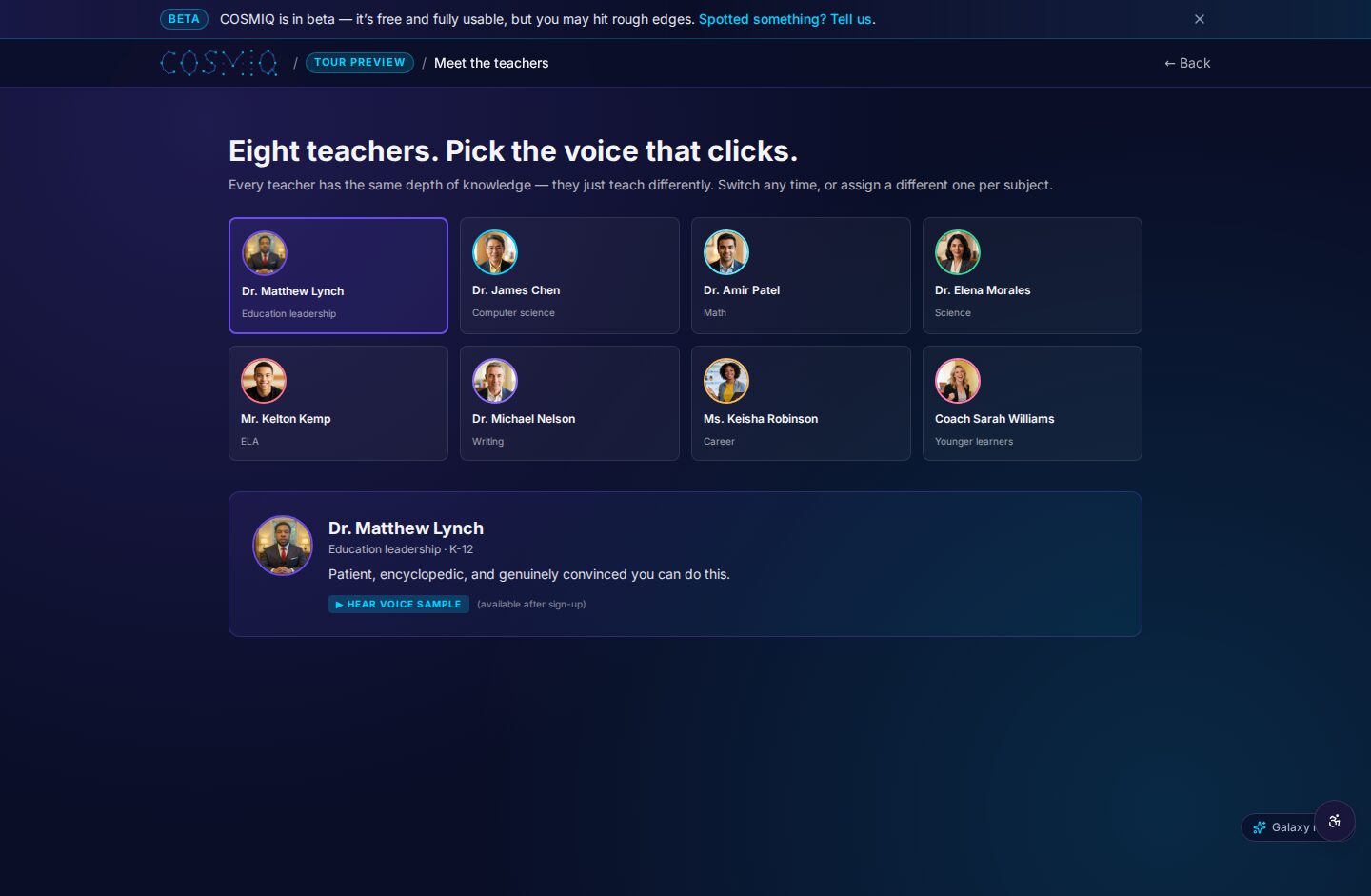
- Utilize Resources Wisely: Educational tools, whether books, online platforms, or AI tutors like COSMIQ, can be powerful allies. They should be used to supplement and enhance learning, providing personalized assistance and engaging content, rather than replacing direct interaction and critical thought.
Ultimately, getting children to truly learn is an ongoing journey that prioritizes understanding over memorization, engagement over passive reception, and critical thinking over simple recall. By fostering curiosity, encouraging problem-solving, and providing thoughtful support, we can empower children to become confident, capable, and lifelong learners who are well-prepared for whatever the future holds.
Learn anything, free.
COSMIQ is a free, voice-driven AI tutor for every learner. No credit card, ever.
Start learning free →