Beyond the Postcards: Addressing the Education Gap in Cornwall and Devon

When one thinks of Cornwall and Devon, images of sun-drenched beaches, rugged coastlines, and quaint villages often come to mind. These regions are celebrated for their natural beauty and holiday appeal, drawing visitors from across the globe. However, behind this picturesque façade, a significant challenge persists: an education gap that impacts many young people living in these otherwise idyllic settings. This isn't about blaming individuals or institutions, but rather understanding the systemic factors at play and exploring how we can collectively foster a more equitable educational landscape for all students.
Understanding the Rural Education Landscape
The unique geography of Cornwall and Devon contributes significantly to the educational challenges. Rurality, while offering a peaceful lifestyle, can also mean limited access to resources that urban areas often take for granted. Smaller populations can lead to smaller schools, which, while offering a close-knit community feel, might struggle with a broader curriculum offering or attracting specialist teachers in certain subjects. Furthermore, the sheer distance between communities can make it difficult for students to access extracurricular activities, tutoring, or even suitable transport to colleges and universities further afield.
Economic factors also play a role. While tourism thrives, many local jobs in these regions can be seasonal or lower-paid, impacting household incomes and the ability of families to invest in supplementary educational support. The aspiration gap, where young people may not see clear pathways to higher education or certain careers within their immediate vicinity, can also be a subtle but powerful barrier.
The Impact on Students
The education gap manifests in various ways, often reflected in attainment figures that lag behind national averages in some areas. This isn't a reflection of student capability, but rather a consequence of the environmental and systemic factors they navigate. Students might experience:
- Limited subject choices: Smaller secondary schools may not be able to offer the full breadth of A-level subjects available in larger urban institutions, potentially narrowing future university or career options.
- Reduced access to enrichment: Opportunities for cultural trips, workshops, or even work experience can be fewer and further between, impacting personal development and broadening horizons.
- Digital divide: Despite increasing connectivity, some rural areas still suffer from inadequate broadband, making online learning and access to digital resources a challenge for some families.
- Teacher recruitment and retention: Attracting and retaining experienced teachers in certain subjects can be harder in rural areas, leading to reliance on less experienced staff or a higher turnover.
These factors can combine to create a cumulative disadvantage, making it harder for students from these regions to compete on an equal footing with their urban counterparts for university places or highly sought-after careers.
Bridging the Gap: Practical Steps for Support
Addressing the education gap in Cornwall and Devon requires a multi-faceted approach involving schools, families, communities, and technology. Here are some practical steps:
Empowering Schools and Teachers
- Resource sharing: Encouraging collaboration between schools, perhaps through multi-academy trusts or local partnerships, can help share specialist teachers, resources, and best practices.
- Professional development: Investing in ongoing training for teachers, particularly in digital literacy and innovative teaching methods, can help them adapt to the unique challenges of rural education.
- Curriculum innovation: Developing curricula that are relevant to local industries and opportunities, while still providing pathways to broader national and international options, can engage students more effectively.
Supporting Students and Families
- Mentorship programmes: Connecting students with mentors from diverse professional backgrounds, perhaps virtually, can broaden their understanding of career possibilities and provide guidance.
- Access to technology: Initiatives to provide devices and reliable internet access to disadvantaged students can help bridge the digital divide.
- Transport solutions: Exploring innovative transport schemes to enable students to access a wider range of educational opportunities, including extracurriculars and college visits.
- Parental engagement: Offering workshops and resources to parents to help them support their children's learning journey, particularly regarding navigating university applications and career choices.
Leveraging Technology for Equity
Technology, when used thoughtfully, holds immense potential to democratise access to quality education, regardless of geographical location. It can bring the world into the classroom and the home.
Platforms like COSMIQ, which offer voice-driven AI tutoring, can be particularly impactful in rural settings. They provide:
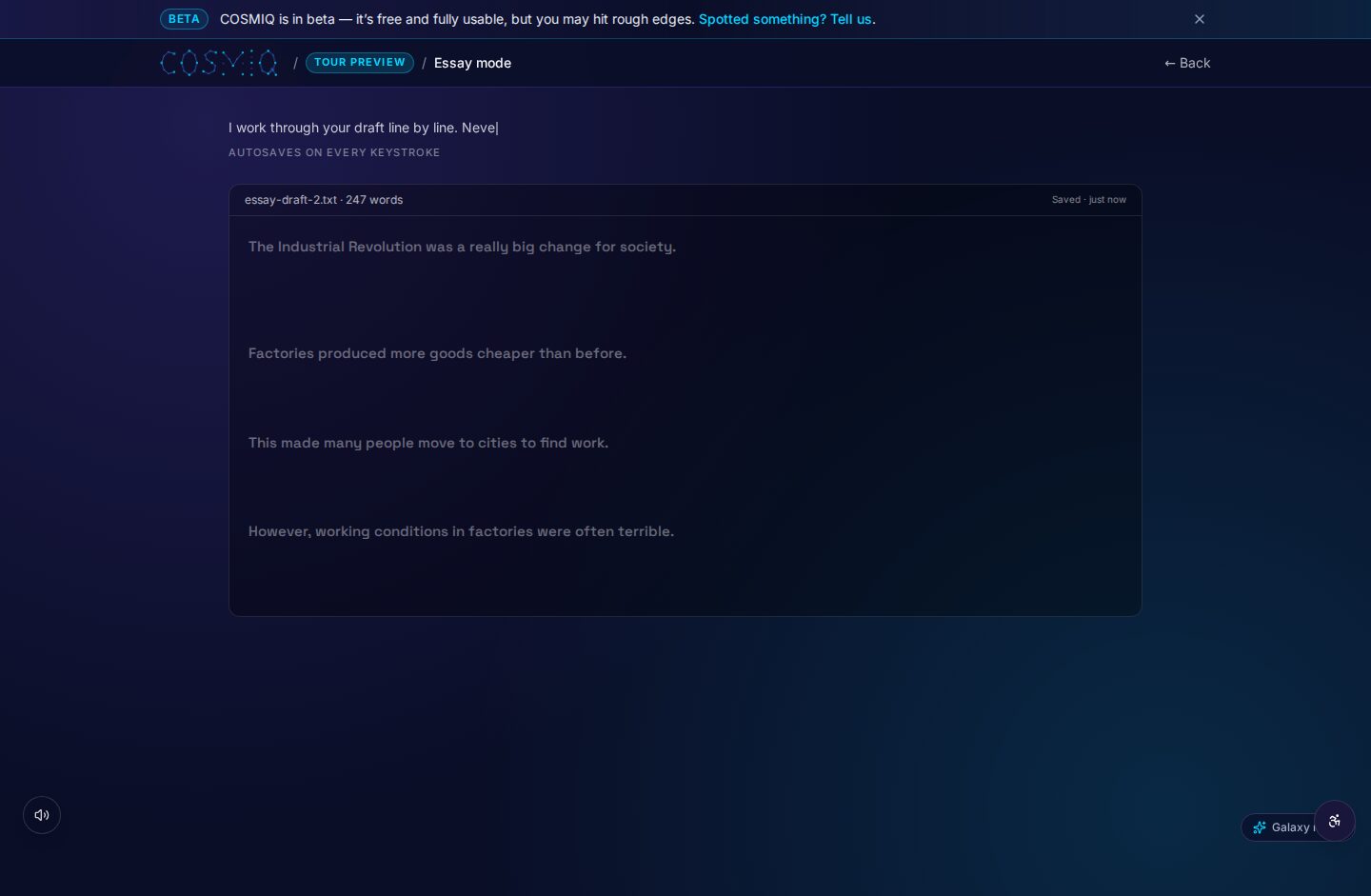
- Personalised learning: AI tutors can adapt to individual student needs, offering tailored support in subjects where specialist teachers might be scarce.
- 24/7 access: Students can access help whenever they need it, overcoming limitations of school hours or teacher availability.
- Supplementary resources: AI can provide explanations, practice questions, and feedback, complementing classroom learning and filling knowledge gaps.
- Confidence building: A non-judgmental AI tutor can encourage students to ask questions they might be hesitant to voice in a classroom setting, fostering greater engagement and understanding.
By embracing such tools, we can help ensure that every student, regardless of their postcode, has access to high-quality, personalised educational support.
A Brighter Future for All
The education gap in Cornwall and Devon is a complex issue, but it is not insurmountable. By acknowledging the challenges and working together, we can implement practical solutions that empower schools, support families, and leverage technology to create a more equitable and enriching educational experience for every young person. The goal is not just to close a gap in attainment, but to unlock the full potential of all students, allowing them to thrive and contribute to the vibrant future of these beautiful regions and beyond.
Learn anything, free.
COSMIQ is a free, voice-driven AI tutor for every learner. No credit card, ever.
Start learning free →