Beyond 'Zero-Tech': Why Age-Appropriate Connectivity Matters for Kids

In an increasingly digital world, the debate surrounding children and technology frequently polarizes into two camps: unrestricted smartphone access versus a complete 'zero-tech' approach. Movements like 'Wait Until 8th' and widespread school phone bans highlight a collective concern about the impact of always-on connectivity on young minds. Yet, as the world continues to evolve, many parents, educators, and even tech advocates are asking a crucial question: What happens when kids still need to be connected?
This is precisely the blind spot that Cosmo, an organization dedicated to intentional children's technology, aims to address. According to Cosmo's Founder, Russell York, the prevailing narrative often creates a false choice, suggesting that eliminating smartphones must also mean eliminating all connectivity. York argues that while children may not need smartphones, they do need safe, age-appropriate ways to communicate and build independence.
The Blind Spot in the Smartphone-Free Movement
The push for smartphone-free childhoods stems from valid concerns about social media, unfiltered internet access, and the addictive nature of certain apps. However, as York points out, a blanket ban on all technology can overlook essential needs. Children often require ways to contact parents in emergencies, coordinate with friends for activities, or simply feel a sense of connection in a world where many aspects of life are digitally intertwined.
Cosmo suggests that the solution isn't necessarily less technology, but rather better technology with stronger boundaries. This perspective challenges the assumption that all technology is inherently harmful for kids, instead advocating for thoughtful design and purpose-built devices.
Tech Designed for Connection, Not Addiction
One of the core tenets of Cosmo's approach, according to the organization, is the development of devices specifically designed for communication without the distractions and risks associated with smartphones. These purpose-built devices aim to provide connectivity without access to social media, open internet browsing, or the addictive algorithms often found in popular apps.
For parents navigating the complexities of digital safety, this offers a compelling alternative. It allows children to experience the benefits of communication – reaching out to family, coordinating playdates – while largely mitigating the concerns about exposure to inappropriate content, cyberbullying, or excessive screen time tied to endless scrolling. This intentional design philosophy, Cosmo says, supports children in developing healthy digital habits from an early age.

Rethinking School Phone Bans: Safety Lines for Parents
School phone bans have become increasingly common, with many educational institutions opting for phone-free classrooms to improve focus and reduce distractions. While beneficial for the learning environment, these bans can sometimes leave parents feeling disconnected from their children during school hours, especially in unforeseen circumstances.
Russell York and Cosmo suggest that schools can indeed create phone-free learning spaces without leaving parents without a vital safety line. The organization's philosophy implies that age-appropriate communication devices, distinct from full-featured smartphones, could offer a practical solution. These devices could allow for essential communication between parents and children while upholding the school's policy on classroom technology, providing peace of mind for families without disrupting the educational setting.
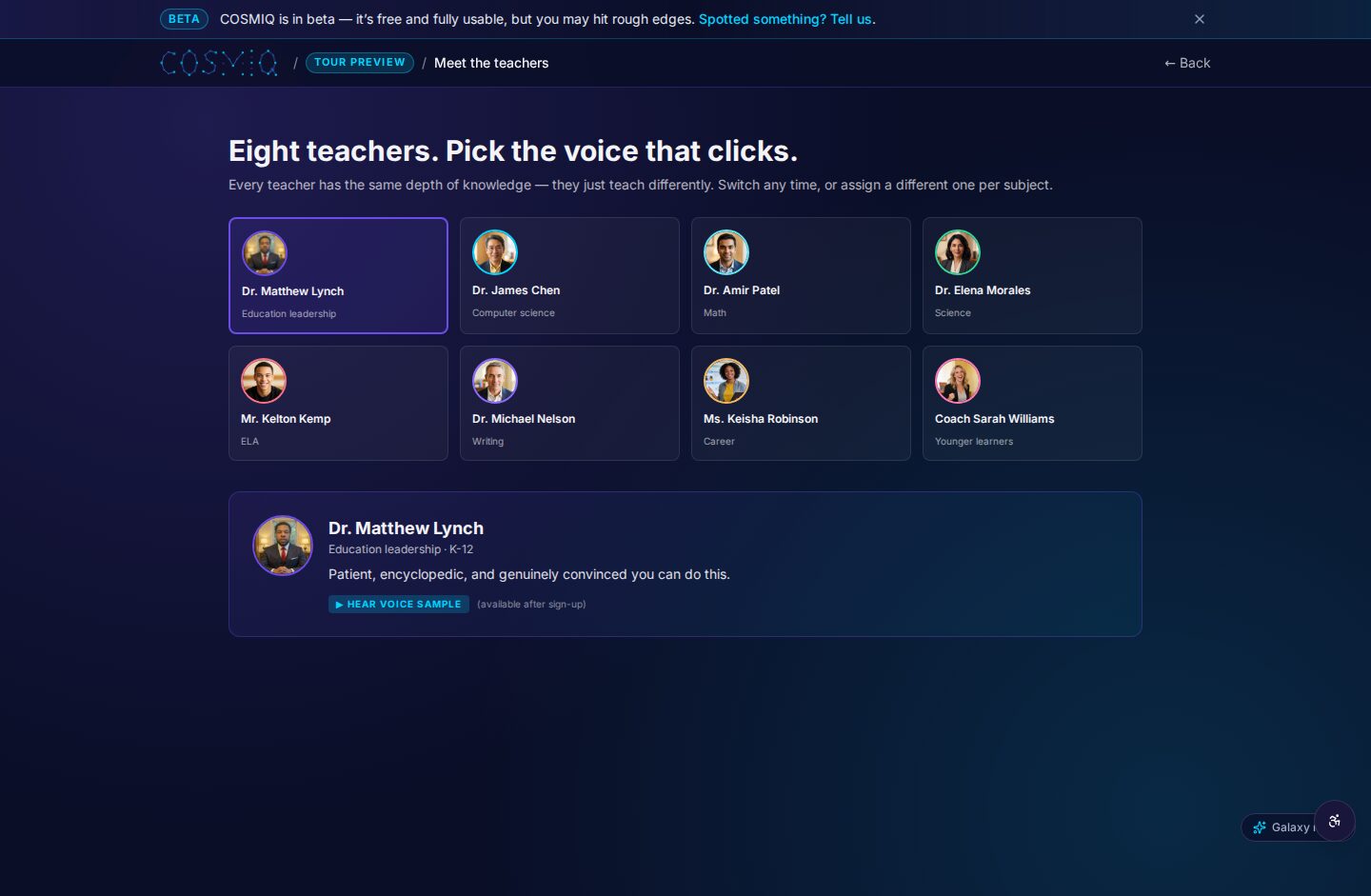
It's important for both parents and educators to consider how technology can support learning and communication responsibly. Platforms like COSMIQ, a free voice-driven AI tutor, offer K-12 students free, safe access to learning support, demonstrating how technology can be a powerful educational tool when designed with purpose and appropriate boundaries.
The Next Phase of Kids’ Tech: Beyond the Binary
Cosmo's advocacy points towards a future where the conversation about kids and tech moves beyond the binary choice of 'smartphone or no technology.' Instead, it encourages an exploration of intentional, age-appropriate devices that empower children to build independence safely.
According to York, this involves a shift in perspective: rather than simply restricting technology, we should focus on providing children with tools that serve their developmental needs and foster positive habits. This includes devices that prioritize real-world connection, emergency communication, and responsible digital citizenship, all while shielding them from the more problematic aspects of the digital landscape.
For parents and teachers seeking resources to help students thrive in this environment, tools that support learning and development are key. The free practice hub by grade and subject on COSMIQ, for example, offers a structured and safe way for students to engage with educational content without the distractions of general internet browsing.
Conclusion
The 'zero-tech' movement highlights legitimate concerns about children's digital well-being, but Cosmo's perspective reminds us that connectivity itself is not inherently bad. By advocating for purpose-built, age-appropriate technology, Russell York and Cosmo are helping to shape a more nuanced and practical conversation. Their work suggests a path forward where children can safely navigate a connected world, developing independence and communication skills without being exposed to the full spectrum of digital risks.
This approach encourages families and educators to consider how technology can be a constructive force in children's lives when chosen and implemented with intention and clear boundaries.
Learn anything, free.
COSMIQ is a free, voice-driven AI tutor for every learner. No credit card, ever.
Start learning free →