Bilingual Tutoring for Districts With Growing ELL Populations

The Challenge of ELL Populations
Bilingual tutoring for districts has emerged as a crucial solution for schools grappling with increasing populations of English Language Learners (ELLs). As demographics shift, many districts find themselves with classrooms filled with students who may be fluent in their native language but struggle with English. This situation presents not only a challenge but also an opportunity for innovation in education. Schools need to adapt their teaching methods to ensure equity and access for all students.
Imagine a classroom where some students are eager to learn, but their language barrier holds them back. This isn’t just a minor inconvenience; it can influence a child’s confidence, academic performance, and overall engagement. School districts must confront the reality that traditional teaching methods may not suffice. Hence, bilingual tutoring becomes essential. It offers tailored support, bridging language gaps and fostering a more inclusive educational environment. When you consider the diverse backgrounds of ELL students, it’s clear that a more nuanced approach is necessary.
Understanding ELL Needs
Every ELL student comes from a unique background, carrying their own stories and experiences. This individuality means that a one-size-fits-all approach simply won’t work. The first step in developing effective bilingual tutoring for districts is understanding the diverse needs of ELL students. Are they recent immigrants? Have they been in the U.S. for a while and still struggle? What are their academic strengths and weaknesses?
A thorough assessment can help educators tailor their approaches. For example, a student who excels in math but struggles with English vocabulary may benefit from bilingual tutoring that uses mathematical terms in both English and their native language. On the other hand, a student who is new to the country may need foundational language skills in addition to content instruction. Recognizing these differences is key to effective tutoring. Teachers should not only assess language proficiency but also consider cultural factors and prior educational experiences.
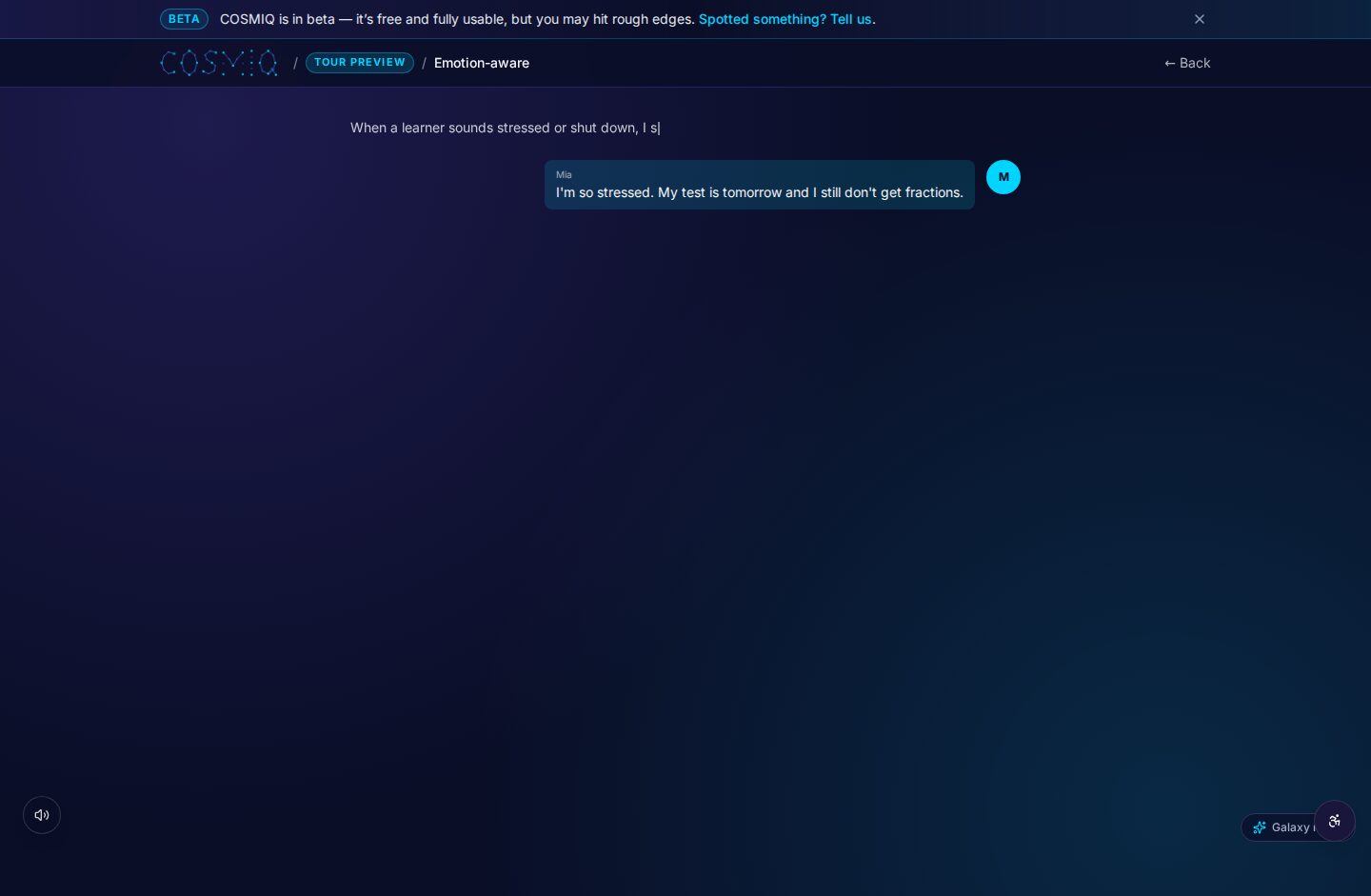
Additionally, understanding the emotional aspects of ELL students' experiences is essential. Many of these students face anxiety and frustration as they navigate a new language and culture. Schools should create a supportive environment that acknowledges these feelings, helping to build a sense of belonging. This emotional awareness can make a significant difference in how students engage with the learning process.
Integrating ELL Tutoring Software
Incorporating technology can revolutionize how bilingual tutoring is delivered. ELL tutoring software can provide targeted support, making it easier for students to learn at their own pace. Many of these programs are designed with bilingual capabilities, allowing students to engage with content in both their native language and English. This dual-language approach not only aids comprehension but also builds confidence.
Consider software that offers interactive exercises, quizzes, and games in both languages. A student might practice vocabulary through a game that requires them to match words with images. This kind of engagement is particularly beneficial for younger students, who may not respond as well to traditional methods. By making learning fun and interactive, districts can enhance the effectiveness of bilingual tutoring.
Moreover, these software options often feature adaptive learning capabilities. This means that as a student progresses, the software adjusts the difficulty of tasks to match their growing skills. Imagine a student who starts with basic vocabulary exercises and, as they improve, transitions into more complex reading comprehension tasks. This personalized approach ensures that each learner can progress at their own pace, solidifying their understanding while keeping them engaged.
The Role of Educators in Bilingual Tutoring
Teachers are at the forefront of bilingual education. They need to be equipped with skills and strategies that empower them to support ELL students effectively. Professional development programs focusing on bilingual education can provide teachers with the necessary tools to implement bilingual tutoring effectively. Workshops can cover topics such as cultural competency, differentiation strategies, and the use of ELL tutoring software.
Imagine a teacher who knows how to blend language instruction with subject content seamlessly. For instance, during a science lesson, the teacher might introduce new vocabulary in both English and Spanish, ensuring that ELL students grasp the material. This approach not only develops language skills but also reinforces academic learning, empowering students to succeed. Such methods can be complemented with cooperative learning strategies, where ELLs work alongside fluent peers.
In addition, educators must be adaptable and willing to modify their strategies based on real-time feedback. If a certain method isn’t resonating with students, they need to be prepared to pivot. Regular collaboration with fellow educators can also help in sharing effective strategies and resources. By working together, teachers can create a rich environment where bilingual students thrive.
Community and Parental Involvement
Educational success does not rest solely on the shoulders of teachers. Community and parental involvement play an equally vital role, particularly in bilingual tutoring for districts. Engaging families can help create a supportive learning environment at home. Schools can organize workshops for parents, educating them on the importance of their involvement in their child’s education and how they can support language development at home.
Moreover, schools can foster partnerships with community organizations that serve bilingual families. By collaborating with local cultural centers, libraries, and after-school programs, districts can expand resources and opportunities for ELL students. For instance, a community center might offer language classes for parents while providing tutoring for children, reinforcing the importance of bilingualism in the home. This two-pronged approach not only aids students academically but also empowers parents.
Further, schools should consider implementing communication systems that keep parents informed about their child’s progress. Regular updates through newsletters or online portals can help parents feel connected and engaged. Workshops that teach parents how to navigate educational resources available at home can make a significant difference. When parents are equipped with the right tools and knowledge, they can play an instrumental role in their child’s educational journey.
Success Stories in Bilingual Tutoring
It’s not all about theory; many schools have successfully implemented bilingual tutoring programs that serve as models for others. Take, for instance, a district that launched a dual-language immersion program. Students in this program receive instruction in both English and Spanish, allowing them to become fluent in both languages while excelling academically. Their test scores in math and reading have shown significant improvement compared to traditional classrooms. Such results highlight the effectiveness of a well-structured bilingual program.
Another example comes from a school that incorporated Spanish-English AI tutor schools into their curriculum. This innovative approach allowed students to access additional language support outside of classroom hours. The AI tutors adapted to each student's learning pace, providing personalized feedback and exercises. The result? A noticeable increase in student engagement and language proficiency. These stories serve as a beacon of hope for districts seeking to enhance their ELL programs.

Additionally, you can find success stories from individual students. Consider a young girl who struggled with reading comprehension in English but excelled in her native Spanish. With the help of bilingual tutoring, she not only improved her English skills but also gained confidence in her academic abilities. Her progress inspired her peers and motivated them to embrace the language learning journey as well. Such testimonials underscore the transformative power of bilingual education.
Measuring the Impact of Bilingual Tutoring
Evaluation is key to understanding the effectiveness of bilingual tutoring initiatives. How do districts measure success? Standardized test scores are one metric, but they don’t tell the complete story. Observational assessments, student feedback, and parent surveys can provide a more comprehensive view of a program’s impact. Schools should establish clear objectives and benchmarks to gauge progress.
For example, if a district implements a new ELL tutoring software, tracking student performance before and after its introduction can yield valuable insights. Are students improving in language skills? Are they feeling more confident in their abilities? Qualitative data, such as student and parent testimonials, can also highlight the human impact of these initiatives, emphasizing the emotional and social benefits alongside academic gains. This holistic view is crucial for making informed decisions about future investments.
Moreover, districts should consider conducting focus groups with students and parents to gain deeper insights into the tutoring experience. Engaging with stakeholders directly can uncover areas for improvement that may not be evident through quantitative measures alone. For instance, if students express that certain methods are not effective or enjoyable, it’s vital to take that feedback seriously and adjust accordingly.
Moving Forward with Bilingual Tutoring Strategies
As districts continue to face the challenges of growing ELL populations, the importance of bilingual tutoring cannot be overstated. It’s not just a temporary fix; it’s a necessary evolution in educational strategy. Schools need to advocate for bilingual programs, invest in training for teachers, and engage with communities. These actions can help create enriching environments where bilingual students can thrive.
Looking ahead, districts should also keep an eye on emerging technologies and methodologies in bilingual education. With advancements in ELL tutoring software and new research on language acquisition, the landscape is constantly shifting. Schools that adapt and embrace these changes will not only enhance their bilingual tutoring programs but also better prepare their students for a diverse and interconnected world. The integration of AI and machine learning in educational resources could provide even more personalized learning experiences in the future.
To truly make a lasting impact, districts should set long-term goals for bilingual education. This could include increasing the number of bilingual staff, expanding tutoring programs, and establishing mentorship opportunities for ELL students. The path forward requires collaboration among educators, parents, community leaders, and policymakers, ensuring that every student has access to quality bilingual education. After all, investing in these students today is an investment in the future.
Related resources: Spanish-English AI tutor schools
Learn anything, free.
COSMIQ is a free, voice-driven AI tutor for every learner. No credit card, ever.
Start learning free →